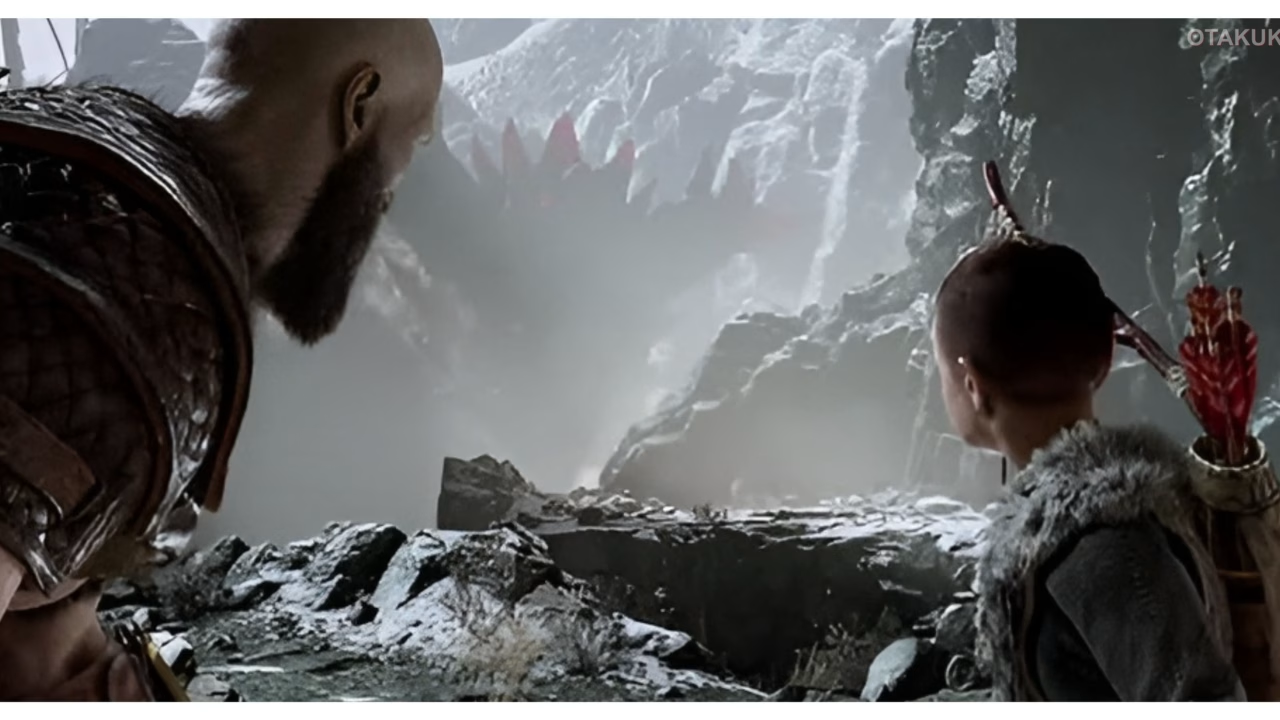
Action adventure games continue to shape the gaming industry by combining fast-paced combat,and immersive storytelling. From open-world journeys to story-driven missions, the genre offers experiences that appeal to both casual and dedicated players. Its balance of action and adventure has made it one of the most popular gaming categories.
Whether you enjoy follows vast worlds, solving challenging puzzles, or battling powerful enemies, action adventure games offer something for every type of player. The best titles combine exciting gameplay with engaging stories and immersive worlds that keep players invested from start to finish. This list highlights some of the best action adventure games that deliver unforgettable experiences and are well worth playing.
1. The Legend of Zelda: Breath of the Wild (2017)
Instead of guiding players from one objective to the next, The Legend of Zelda: Breath of the Wild encourages curiosity from the very first moment. After leaving the Great Plateau, the entire kingdom is open for exploration, allowing players to create their own adventure rather than follow a strict path. That sense of freedom remains one of the biggest reasons the game continues to be celebrated years after its release.
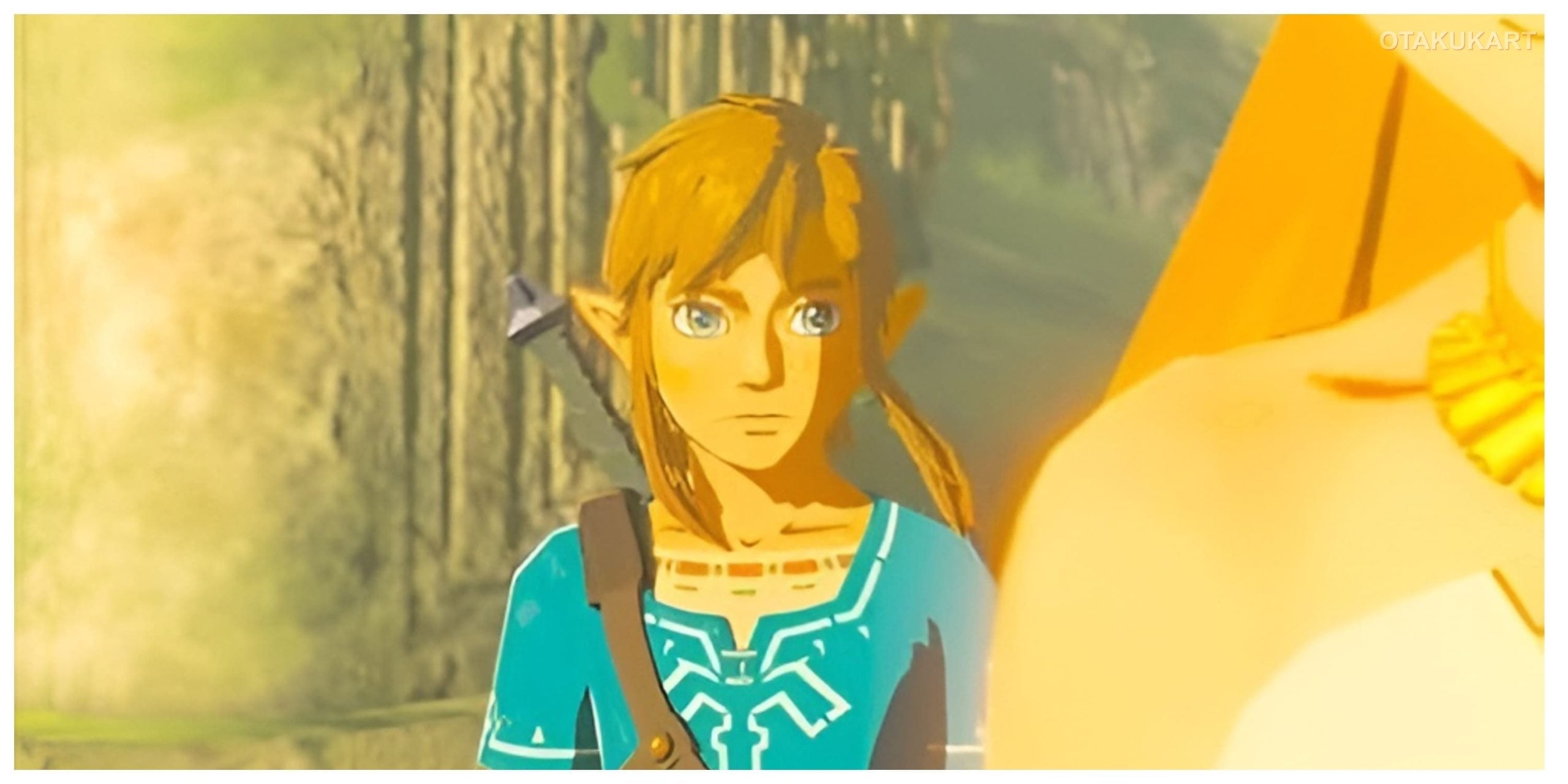
The world feels alive because every mechanic works together naturally. Weather affects combat and exploration, different materials interact with fire and electricity, and climbing almost any mountain rewards players with hidden shrines, villages, or breathtaking views. Even discoveries become memorable because the game rarely tells players exactly where to go.
Players can defeat enemies using swords and bows, but they can just as easily roll boulders downhill, trigger lightning strikes with metal weapons, or use environmental hazards to gain an advantage. Every encounter feels like a puzzle with multiple solutions instead of a scripted battle.
While the narrative unfolds through optional memories scattered across the map, the emotional weight comes from following a kingdom still recovering from a devastating war. Every ruined castle, abandoned village, and forgotten battlefield quietly tells part of that history.
Perhaps the greatest achievement of Breath of the Wild is how it trusts players. It never forces exploration or insists on completing objectives in a specific order. Someone can spend hours climbing mountains, cooking meals, taming horses, or solving shrines before even thinking about the main quest.
2. God of War (2018)
Reinventing an iconic franchise is never easy, but God of War accomplished something few reboots ever achieve. Instead of ignoring Kratos’ violent past, the game embraces it while following how age, responsibility, and parenthood can reshape even the most feared warrior.
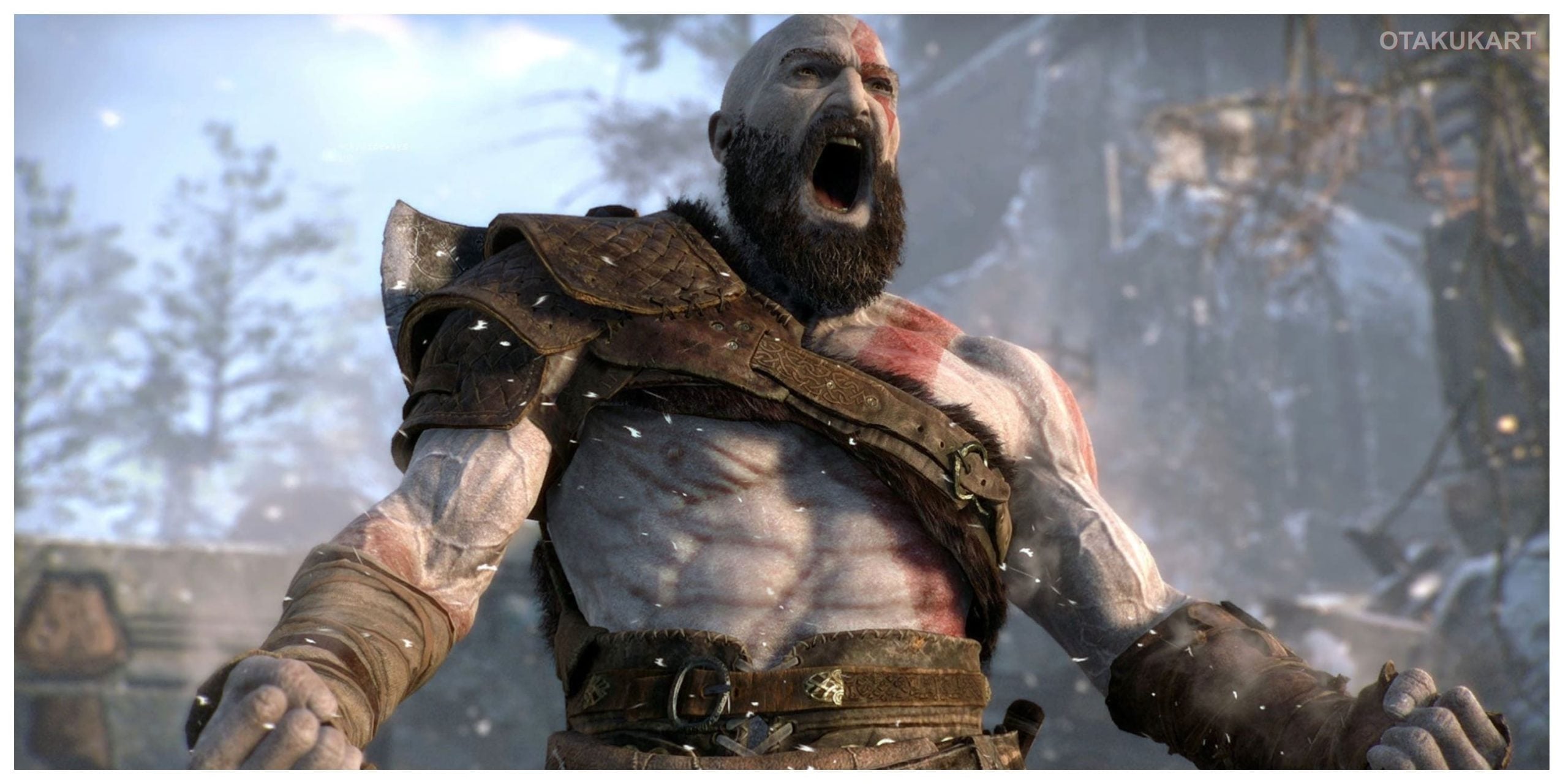
The relationship between Kratos and his son Atreus drives every moment of the adventure. Their mission to fulfill the final wish of Atreus’ mother gradually transforms from a quest into a deeply personal story about trust, grief, and redemption.
The Leviathan Axe delivers satisfying weight with every swing, and recalling it after a throw quickly became one of gaming’s most recognizable mechanics. Battles reward careful timing rather than reckless aggression, encouraging players to mix melee attacks, ranged throws, defensive maneuvers, and Atreus’ growing abilities throughout the journey.
The interconnected realms are filled with hidden paths, optional bosses, environmental puzzles, and memorable side quests that expand the game’s mythology without feeling like unnecessary distractions. Every new ability unlocks previously inaccessible areas, giving players a reason to revisit earlier locations and discover new secrets.
The story unfolds without traditional cuts, making every battle, conversation, and cinematic moment feel like part of one continuous adventure. This approach strengthens the emotional impact while keeping players connected to Kratos throughout the experience.
3. Red Dead Redemption 2 (2018)
Some open worlds impress players with their size, while others stand out because they feel believable. Red Dead Redemption 2 belongs firmly in the second category. Every town, forest, mountain, and dusty trail feels carefully crafted to resemble a living frontier where people continue their daily lives whether the player is present or not.
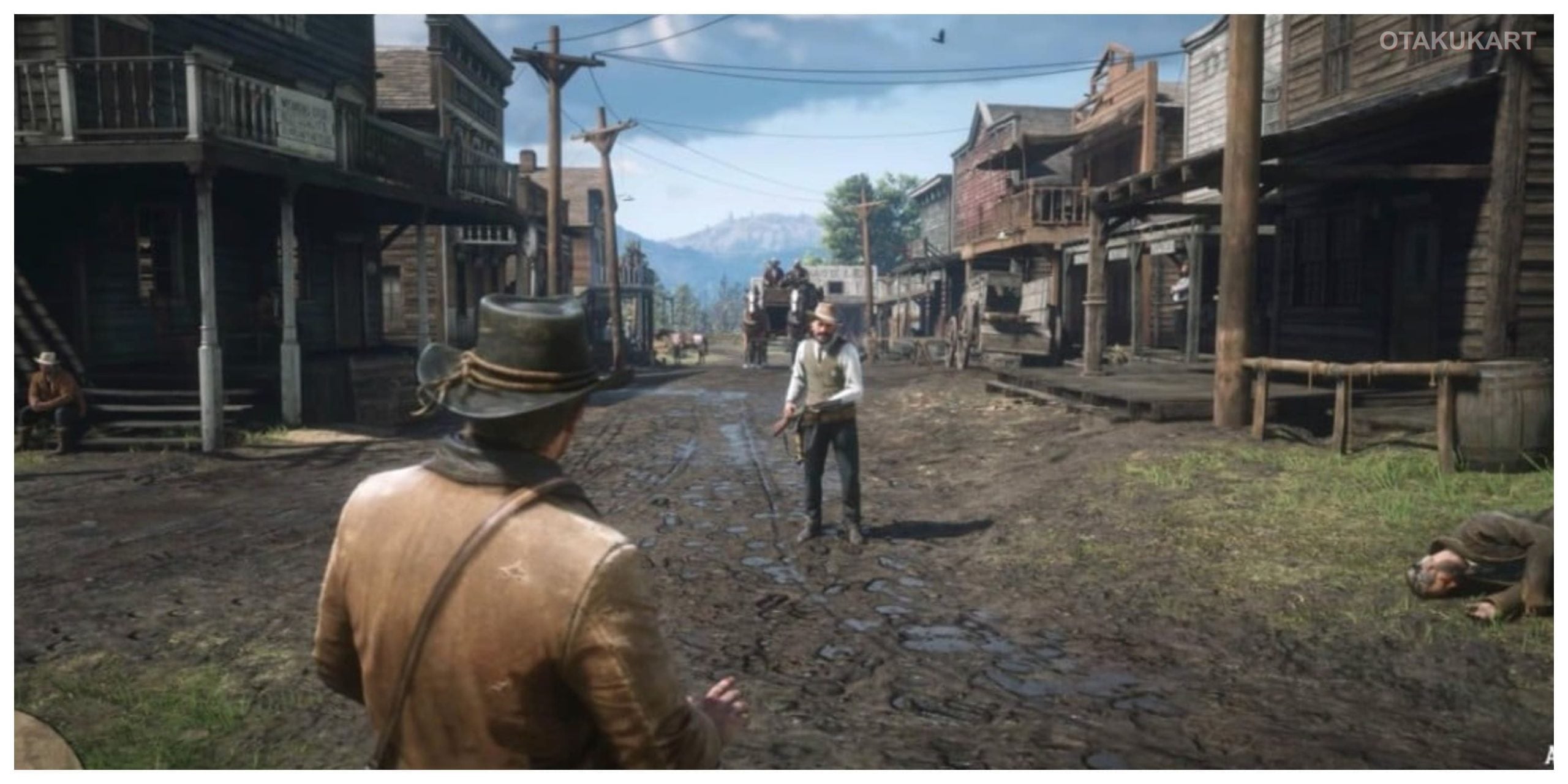
Arthur Morgan is one of the most compelling protagonists in modern gaming. As a loyal member of the Van der Linde gang, he begins the story believing in ideals that slowly crumble with every failed robbery and broken promise. His journey is not simply about survival but about questioning loyalty, confronting regret, and deciding what kind of legacy he wants to leave behind.
Players may stumble across strangers asking for help, abandoned cabins hiding mysterious stories, legendary animals roaming the wilderness, or random encounters that never repeat the same way twice. These moments make the world feel unpredictable and encourage players to slow down instead of rushing through the main missions.
Wildlife behaves naturally, weather changes the environment, conversations evolve based on player actions, and even Arthur’s appearance reflects how players care for him throughout the adventure. These small touches combine to create one of the most immersive worlds ever built.
Gunfights remain satisfying thanks to a strong arsenal of weapons, but the emotional heart of the game lies in its characters. Dutch, Sadie, Charles, Hosea, John, and the rest of the gang each contribute meaningful relationships that make the group’s eventual downfall genuinely heartbreaking.
Red Dead Redemption 2 proves that an action-adventure game does not need constant explosions or relentless pacing to keep players engaged.
4. The Legend of Zelda: Tears of the Kingdom (2023)
Building upon one of the greatest games ever made seemed like an impossible challenge, yet The Legend of Zelda: Tears of the Kingdom managed to surprise players in entirely new ways. Instead of expanding an already familiar world, it transformed exploration through creativity, experimentation, and player imagination.
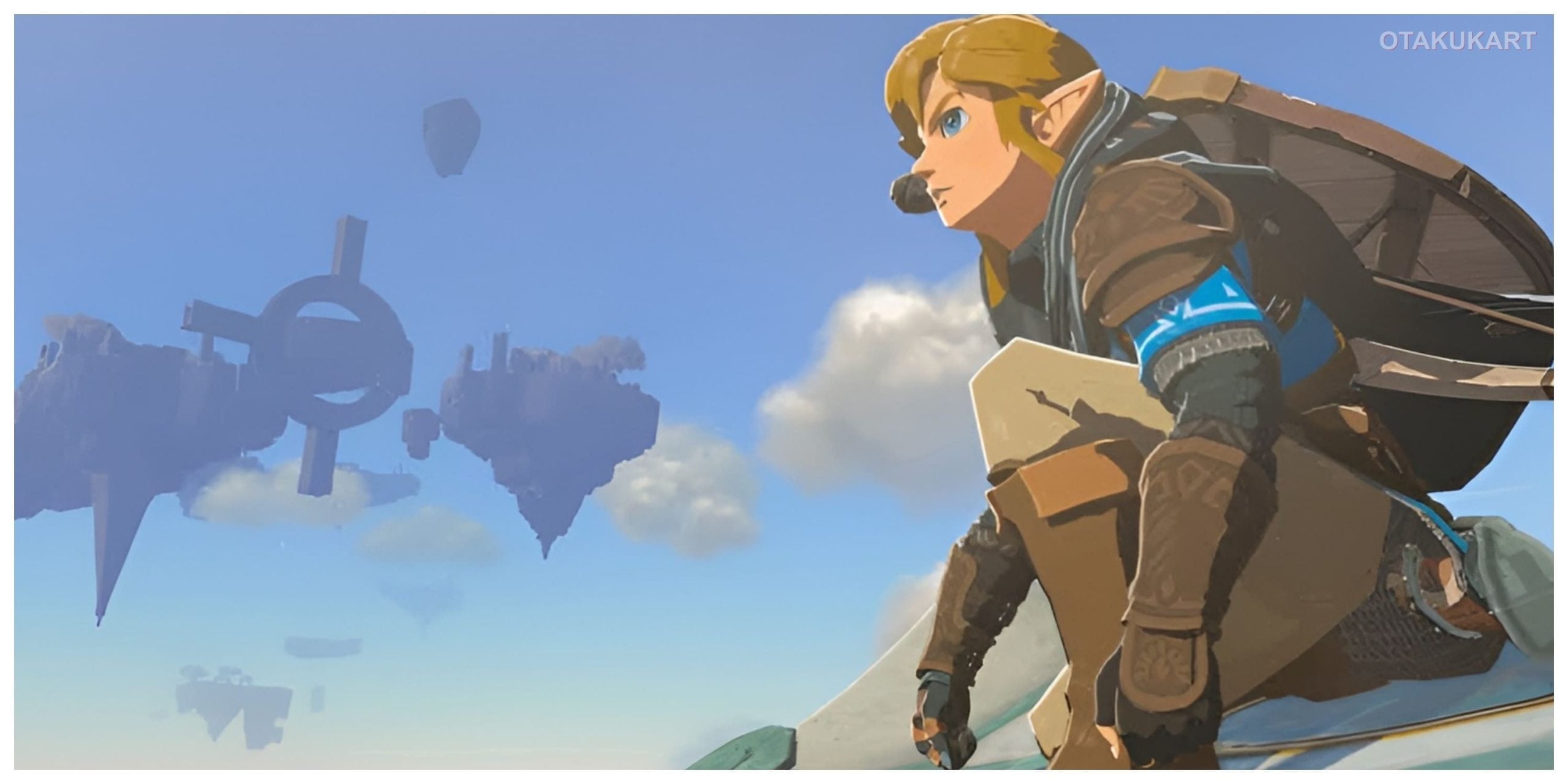
Using Link’s new abilities, players can combine objects into bridges, vehicles, flying machines, and countless unexpected inventions. Every puzzle encourages experimentation, and there is rarely only one correct solution. This creative flexibility makes exploration feel fresh even after dozens of hours.
Weapons can be fused with monster parts and environmental objects to create entirely new tools. A simple stick can become a powerful weapon, while shields and arrows gain additional utility through creative combinations. These systems reward experimentation instead of relying solely on stronger equipment.
The story dives deeper into the kingdom’s ancient history while introducing memorable new allies and formidable enemies. As Link uncovers forgotten memories and mysterious ruins, the narrative gradually reveals the true scale of the conflict threatening Hyrule once again.
One of the game’s greatest strengths is how naturally it encourages problem-solving. Players constantly discover clever solutions that feel uniquely their own, whether constructing elaborate machines or finding unexpected shortcuts through challenging environments. That personal sense of accomplishment makes every adventure memorable.
Rather than repeating its predecessor’s success, Tears of the Kingdom expands the possibilities of what an open-world action-adventure game can be.
5. The Last of Us (2013)
The Last of Us demonstrates that unforgettable storytelling can leave an even greater impact. Set in a world devastated by a deadly fungal infection, the game follows Joel and Ellie as they travel across a ruined United States in search of hope, finding family where they least expect it.
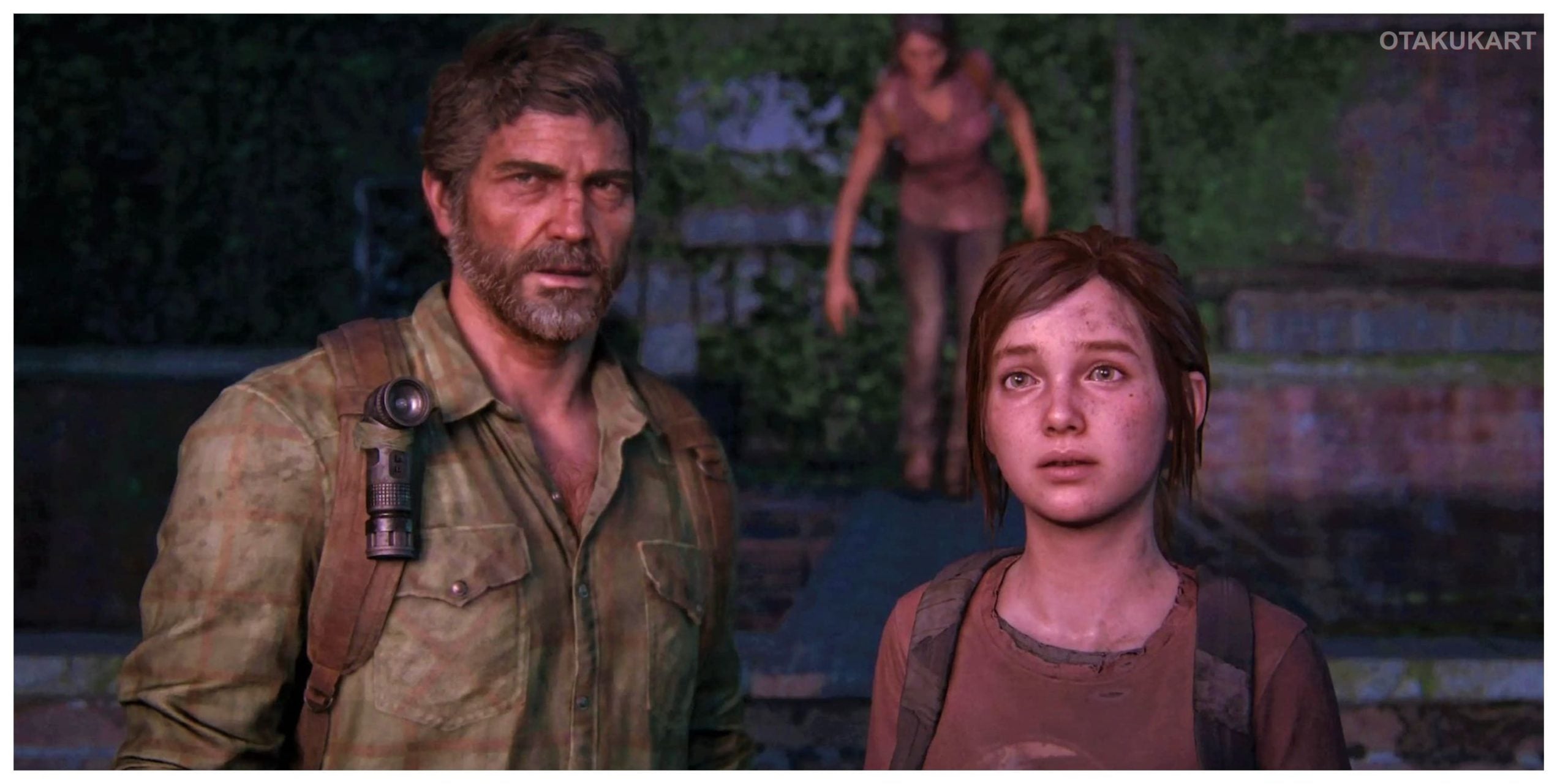
The relationship between the two characters develops naturally over the course of the journey. Joel begins as a man emotionally closed off by years of trauma, while Ellie refuses to let the harsh world destroy her optimism and curiosity. Their conversations, quiet moments, and growing trust create one of the strongest partnerships in gaming history.
Ammunition is scarce, supplies are limited, and every encounter carries genuine risk. Players must decide whether to conserve resources, sneak past enemies, or engage in dangerous combat. These choices create tension that remains consistent from beginning to end.
Empty neighborhoods, abandoned schools, overgrown cities, and forgotten homes reveal countless personal tragedies without requiring lengthy dialogue. Small notes, photographs, and everyday objects allow players to imagine the lives that existed before civilization collapsed.
Human survivors present unpredictable tactical challenges, while infected creatures force players to adapt their strategies depending on the threat. Every encounter feels dangerous because even experienced players can quickly become overwhelmed by a single mistake.
The ending remains one of the most discussed finales in gaming because it refuses to provide simple answers. Instead, it asks difficult questions about love, sacrifice, and morality that continue to spark debate years later.
6. Elden Ring (2022)
Stepping into the Lands Between for the first time can feel overwhelming, but that uncertainty is exactly what makes Elden Ring such a remarkable experience. The game invites them to follow a vast world filled with hidden dungeons, towering castles, dangerous swamps, and mysterious ruins. Every direction promises a new discovery, and every victory feels earned through persistence rather than luck.
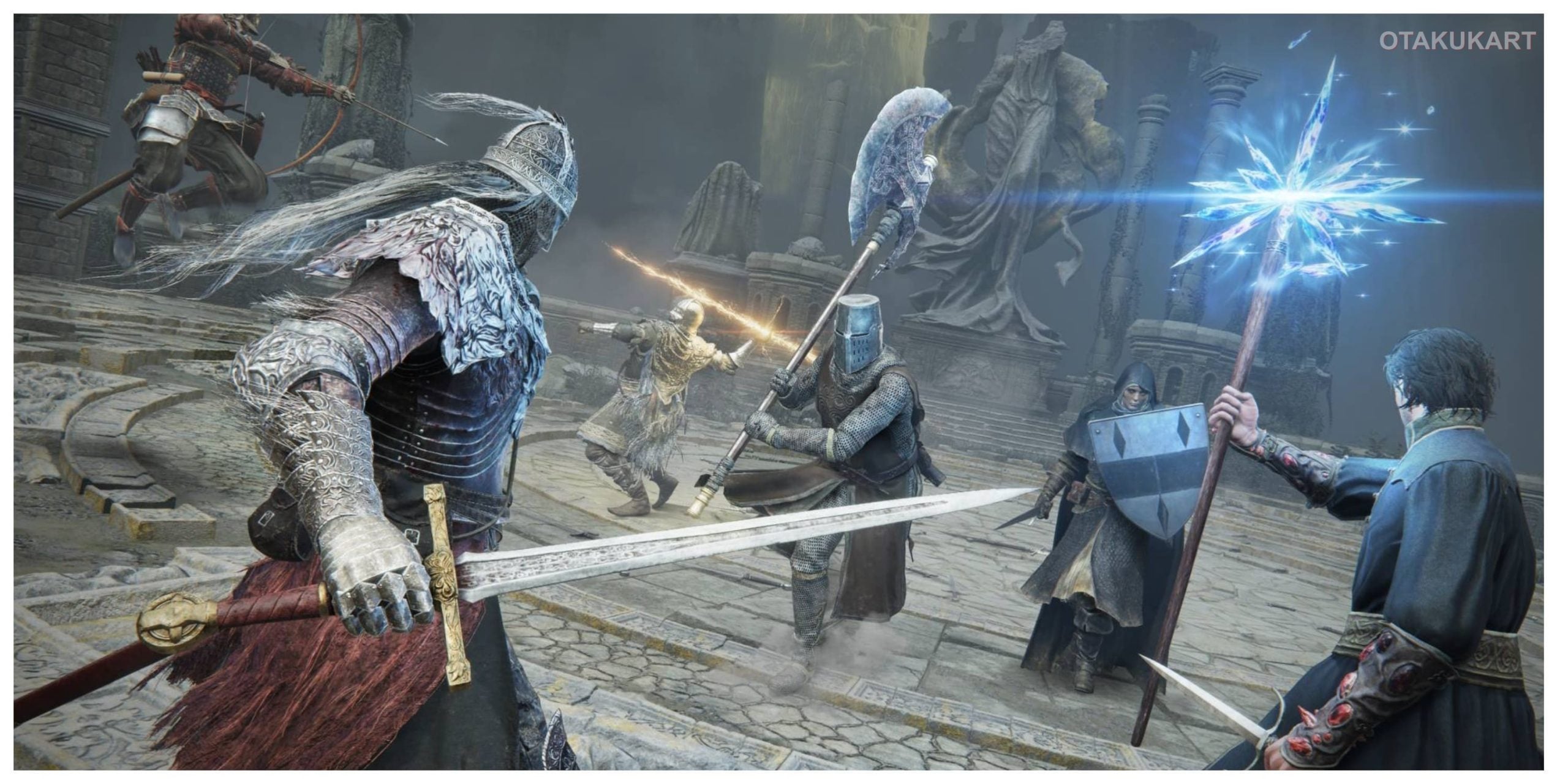
Elden Ring rarely interrupts exploration with lengthy tutorials or constant objectives. If a powerful enemy blocks the road, players are free to leave, discover another region, improve their equipment, and return later with greater confidence. This freedom removes much of the frustration associated with difficult encounters while preserving the series’ signature challenge.
Every weapon has a distinct feel, encouraging players to experiment with swords, colossal hammers, magic, bows, and countless hybrid builds. Timing, patience, and observation matter more than reckless aggression, turning each boss battle into a rewarding test of skill.
The world itself tells much of the story without relying heavily on traditional cutscenes. Crumbling cities, abandoned fortresses, forgotten battlefields, and cryptic item descriptions slowly reveal the rise and fall of powerful kingdoms.
From towering dragons to legendary warriors and terrifying demigods, every major battle introduces unique mechanics that force players to adapt instead of repeating the same strategy. Defeating these enemies delivers an unmatched sense of accomplishment that few games can replicate.
Even years after launch, Elden Ring continues to influence game design by proving that players appreciate meaningful exploration, environmental storytelling, and genuine challenge.
7. Shadow of the Colossus (2005)
Shadow of the Colossus’s empty valleys, ancient temples, and silent plains create an atmosphere unlike almost anything else in gaming. Instead of overwhelming players with activities, the game focuses entirely on one unforgettable objective: defeating sixteen colossal beings scattered across a forgotten land.
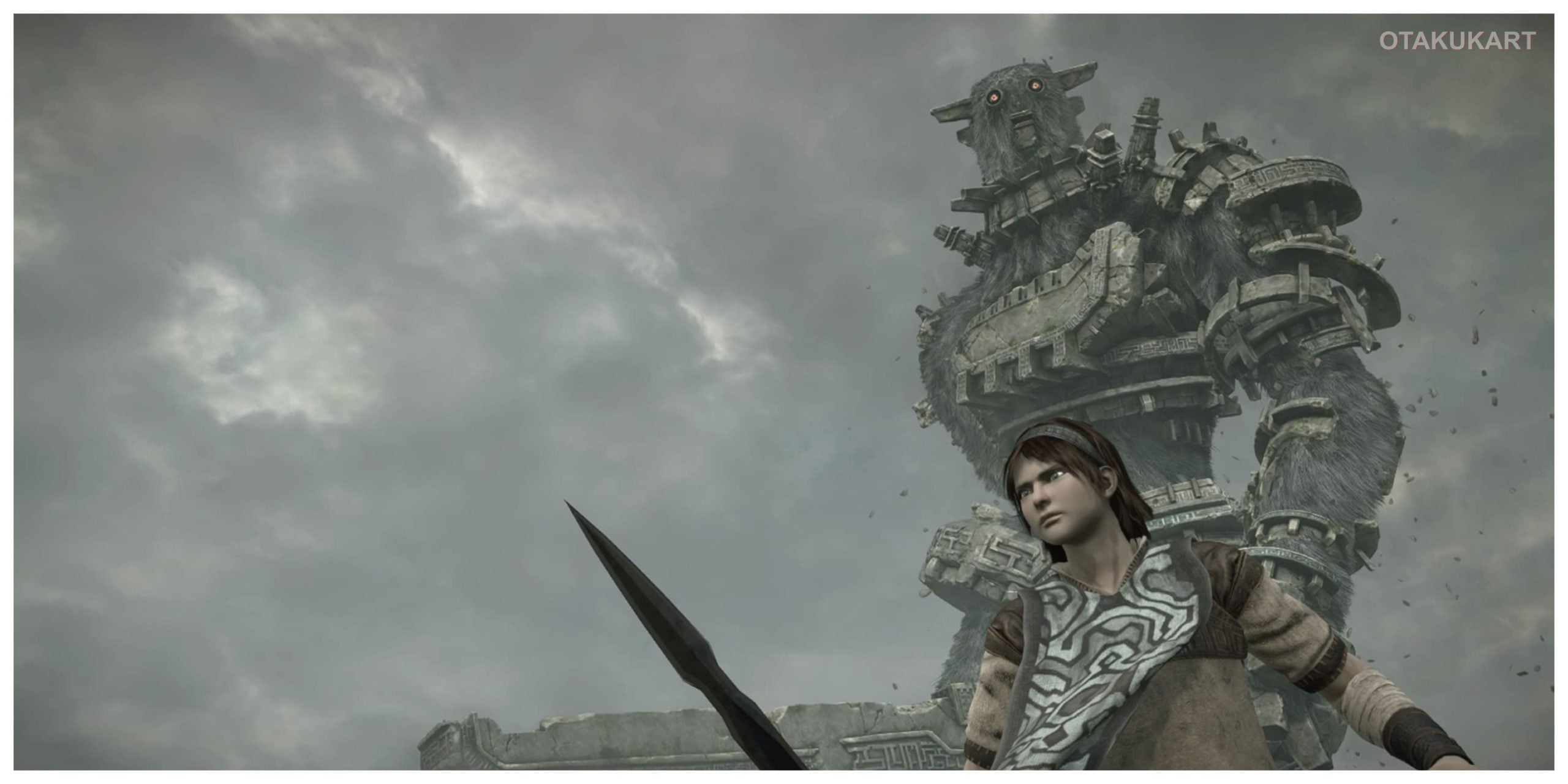
The simplicity of the premise hides surprising emotional depth. Armed with only a sword, a bow, and a loyal horse named Agro, the young protagonist ventures across the forbidden environment hoping to save someone precious to him. Every journey toward the next colossus builds anticipation, making exploration feel meaningful even without traditional rewards.
Each colossus serves as both a boss fight and an environmental puzzle. Players must study the giant’s movements, identify weak points, and climb massive bodies while desperately holding on against violent attempts to shake them loose. Every encounter feels unique because no two creatures require the same strategy.
The game’s minimalist storytelling remains one of its greatest achievements. Dialogue is sparse, leaving players to interpret the mystery through visuals, music, and atmosphere. As each colossus falls, subtle clues begin to suggest that the protagonist’s mission may carry consequences far greater than expected.
Its influence can still be seen across the action-adventure genre. Many modern games borrow its emphasis on environmental scale, cinematic boss battles, and emotional storytelling without excessive exposition. The sense of loneliness and wonder it creates remains difficult to replicate even today.
8. Ghost of Tsushima (2020)
From the moment players ride across Tsushima’s golden fields with the wind guiding their path, it becomes clear that Ghost of Tsushima approaches exploration differently. Rather than filling the screen with intrusive markers, the game encourages players to follow nature itself. Birds lead toward hidden treasures, foxes reveal sacred shrines, and gusts of wind replace the traditional navigation system, making exploration feel immersive instead of mechanical.
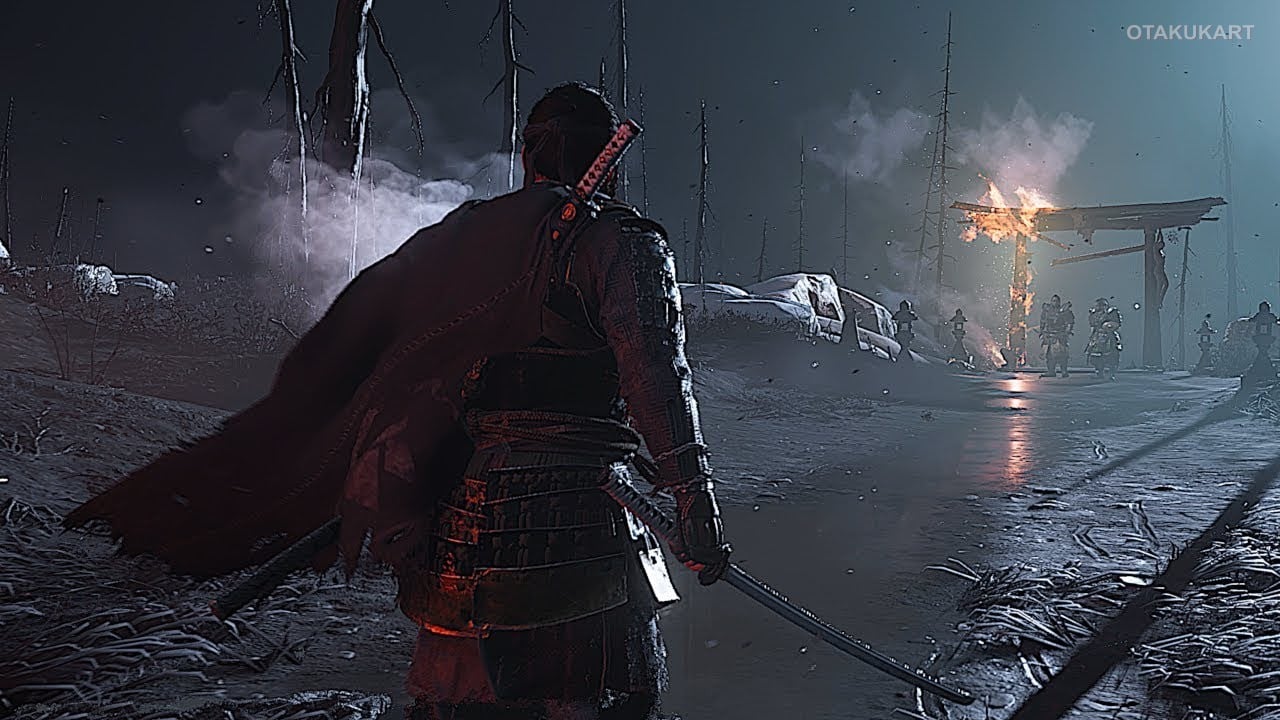
The story centers on Jin Sakai, a samurai forced to question everything he believes after a devastating Mongol invasion. His struggle between preserving tradition and embracing unconventional tactics gives the narrative emotional weight beyond the usual revenge story. Every difficult decision reflects the growing conflict between honor and survival.
Sword fights emphasize precision, patience, and timing rather than chaotic button mashing. Players gradually unlock different combat stances, each designed to counter specific enemy types, adding strategic depth to every battle. As Jin’s skills evolve, stealth becomes another powerful tool, allowing players to eliminate enemies from the shadows when direct confrontation is no longer the best option.
Dense forests, snowy mountains, bamboo groves, quiet temples, and vibrant flower fields ensure every region offers its own distinct atmosphere. Dynamic weather and changing seasons make returning to familiar locations just as enjoyable as discovering new ones.
Optional activities contribute to the experience instead of feeling repetitive. Composing haiku, relaxing in hot springs, practicing bamboo strikes, and honoring forgotten shrines all deepen Jin’s connection to his homeland while giving players moments of calm between intense battles.
9. Grand Theft Auto V (2013)
Very few games have maintained their popularity for more than a decade, but Grand Theft Auto V continues to attract millions of players thanks to its enormous open world, memorable characters, and unmatched variety. Its fictional version of Southern California feels vibrant from the moment players arrive, offering bustling cities, quiet countryside, towering mountains, and endless opportunities for exploration.

Michael, Franklin, and Trevor each bring distinct personalities, motivations, and gameplay styles that keep the story constantly evolving. Switching between them allows players to experience the criminal underworld from multiple perspectives, creating a narrative that feels larger than any single character could deliver alone.
High-stakes bank robberies, daring escapes, aerial chases, underwater exploration, and large-scale shootouts ensure that no two major missions feel identical. The planning system for heists even gives players meaningful choices, allowing different approaches that affect how events unfold.
Players can compete in races, invest in businesses, customize vehicles, play sports, explore hidden locations, or simply cause chaos throughout the city. The sheer number of activities helps the world feel alive long after the credits roll.
Driving and gunplay remain satisfying, while the detailed open world rewards curiosity with random encounters, hidden secrets, and unexpected events around nearly every corner. Combined with memorable dialogue and sharp satire, these elements create an experience that remains entertaining years after release.
Grand Theft Auto V continues to be regarded as one of the greatest open-world action-adventure games ever created because it excels in nearly every area. Its memorable cast, expansive world, diverse mission design, and unmatched player freedom have left a lasting impact on the genre and continue to influence modern game development.
10. Marvel’s Spider-Man 2 (2023)
Swinging through New York City has never felt more exhilarating than it does in Marvel’s Spider-Man 2. Building on the strengths of its predecessors, the game expands traversal, combat, and storytelling while allowing players to control both Peter Parker and Miles Morales throughout the adventure. The result is a superhero experience that captures the excitement of being Spider-Man better than almost any game before it.

The expanded version of New York feels more dynamic and alive than ever. New boroughs provide fresh areas to explore, while improved web-swinging mechanics and the introduction of Web Wings make moving across the city faster and more satisfying. Every rooftop, skyscraper, and neighborhood invites players to experiment with movement simply because traveling is enjoyable on its own.
Switching between Peter and Miles keeps gameplay consistently fresh. Although both heroes share core abilities, each has unique combat styles and powers that encourage different approaches during battles. Peter’s symbiote abilities deliver overwhelming strength, while Miles relies on his bio-electric Venom powers to control crowds and unleash devastating attacks.
The story balances large-scale superhero action with deeply personal struggles. Peter faces one of his darkest challenges as the symbiote begins influencing his behavior, while Miles continues to grow into his role as a protector of the city. Their friendship, combined with the threat posed by iconic villains, creates emotional stakes that extend beyond saving New York.
Combat builds upon the fluid system introduced in earlier games. Fast-paced aerial combos, gadget usage, environmental interactions, and cinematic finishers make every encounter exciting without becoming repetitive. Boss battles also stand out by combining spectacle with meaningful mechanics that test players’ reflexes and strategy.
Side activities add even more variety to the experience. Random crimes, character-focused missions, collectibles, and optional challenges ensure there is always something rewarding to discover outside the main campaign.
11. Assassin’s Creed II (2009)
The original Assassin’s Creed introduced an exciting concept, but Assassin’s Creed II transformed that foundation into one of gaming’s most influential franchises. By refining nearly every aspect of its predecessor, the game delivered a richer story, more engaging missions, and a charismatic protagonist whose journey continues to resonate with players years later.
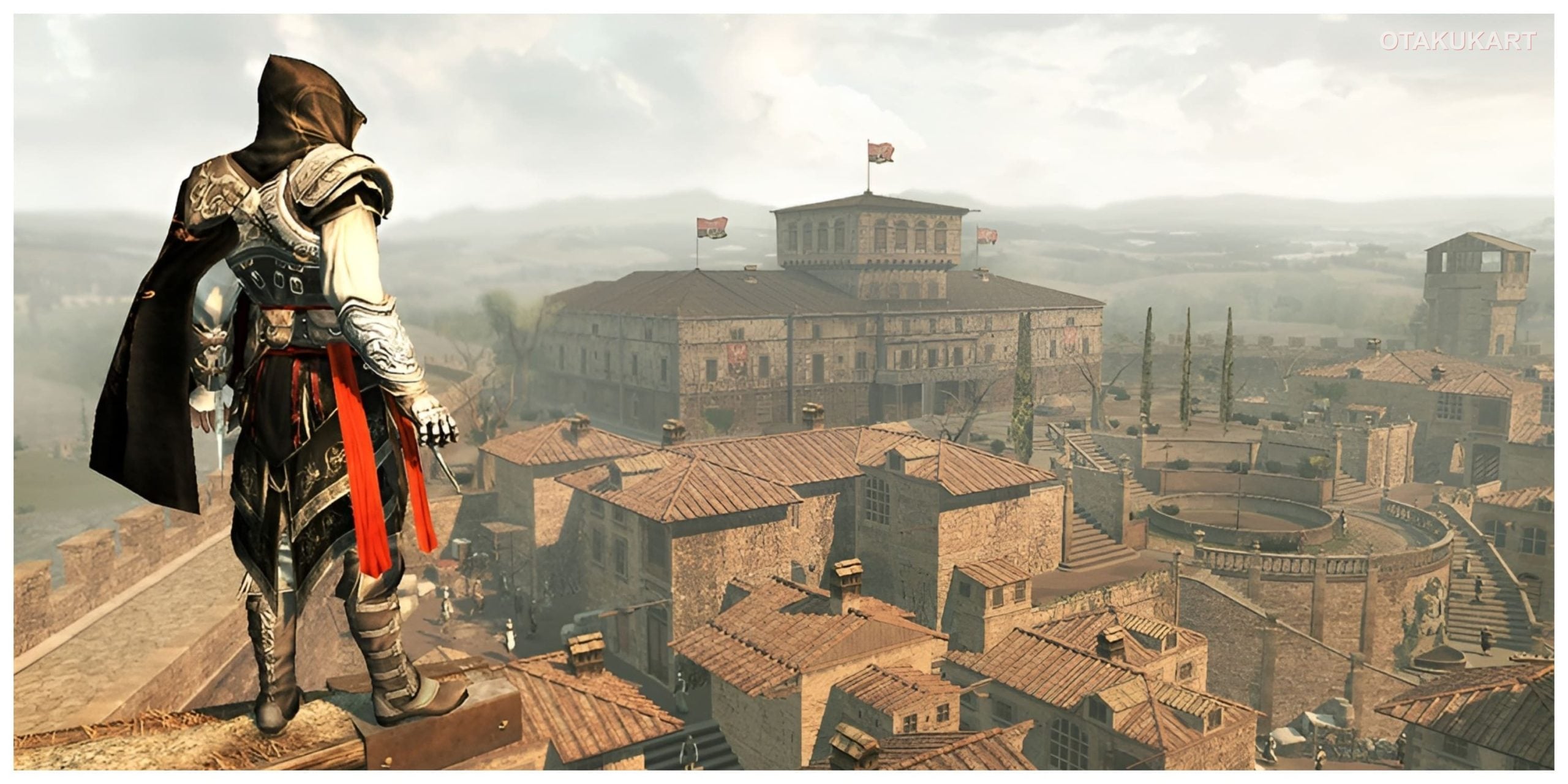
Ezio Auditore begins as a carefree young nobleman whose life changes forever after tragedy strikes his family. His transformation from an inexperienced teenager into a legendary Assassin unfolds naturally over the course of the adventure, giving players a hero whose growth feels believable and emotionally rewarding.
The Renaissance setting remains one of the game’s greatest strengths. Florence, Venice, Tuscany, and other iconic Italian cities are filled with impressive architecture, bustling marketplaces, hidden rooftops, and historical landmarks that encourage exploration. Climbing towering cathedrals and leaping across rooftops perfectly captures the fantasy of becoming a master Assassin.
Stealth gameplay received significant improvements compared to the first game. Players gained access to new weapons, smoke bombs, hidden blades, and various assassination techniques that supported different playstyles. Missions also became more diverse, replacing repetitive objectives with memorable investigations, escapes, and carefully planned infiltrations.
Parkour plays a central role throughout the experience. Traversing crowded cities by climbing walls, balancing across rooftops, and performing daring leaps remains satisfying even by modern standards. The movement system helped establish a gameplay formula that influenced countless action-adventure titles in the years that followed.
Historical figures such as Leonardo da Vinci contribute to the story without overshadowing Ezio’s personal journey. Their inclusion enriches the setting while grounding the fictional conflict within a fascinating historical backdrop.
12. Metal Gear Solid V: The Phantom Pain (2015)
Freedom is the defining feature of Metal Gear Solid V: The Phantom Pain. Every mission presents players with a target, but how they complete that objective is almost entirely up to them. Whether infiltrating enemy bases under the cover of darkness, sniping guards from a distant hillside, or charging in with overwhelming firepower, the game constantly rewards creativity and experimentation.
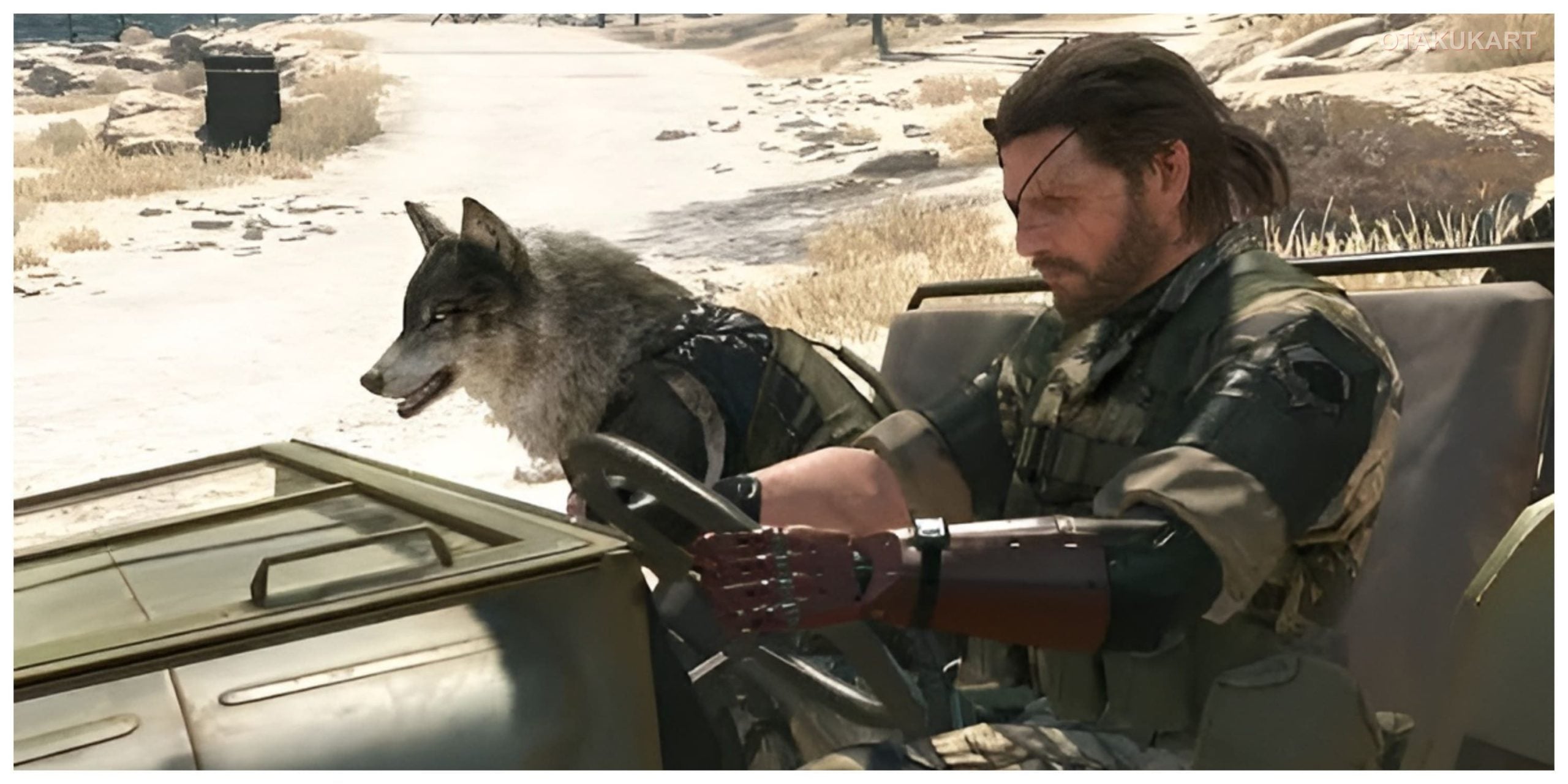
The open-world structure supports this flexibility exceptionally well. Large environments provide multiple routes into heavily defended outposts, encouraging players to observe patrol patterns, mark enemy positions, and develop their own strategies before making a move.
Players gradually unlock new weapons, gadgets, vehicles, and support equipment that dramatically expand tactical options. Cardboard boxes, decoys, tranquilizer weapons, explosives, and specialized companions each create unique opportunities to outsmart enemy forces.
Another standout feature is the Fulton Recovery System, which allows players to extract soldiers, vehicles, animals, and valuable resources directly from the battlefield. Recruited personnel strengthen the player’s growing military base, unlocking additional research projects and equipment that continuously expand gameplay possibilities.
Guards adapt to player behavior over time, making repeated tactics less effective. Frequently relying on nighttime infiltrations, for example, may encourage enemies to equip night vision devices during future operations. This evolving challenge keeps missions engaging throughout the lengthy campaign.
Although its story remains one of the series’ most debated elements, the gameplay consistently ranks among the best in the stealth genre. Every successful infiltration feels like a carefully planned operation where patience, observation, and tactical thinking matter far more than raw firepower.
13. Uncharted 2: Among Thieves (2009)
Long before cinematic storytelling became a standard feature of blockbuster games, Uncharted 2: Among Thieves demonstrated how seamlessly action and narrative could work together. The adventure begins with Nathan Drake injured and stranded aboard a train hanging over the edge of a mountain, immediately setting the tone for one of gaming’s most memorable opening sequences.
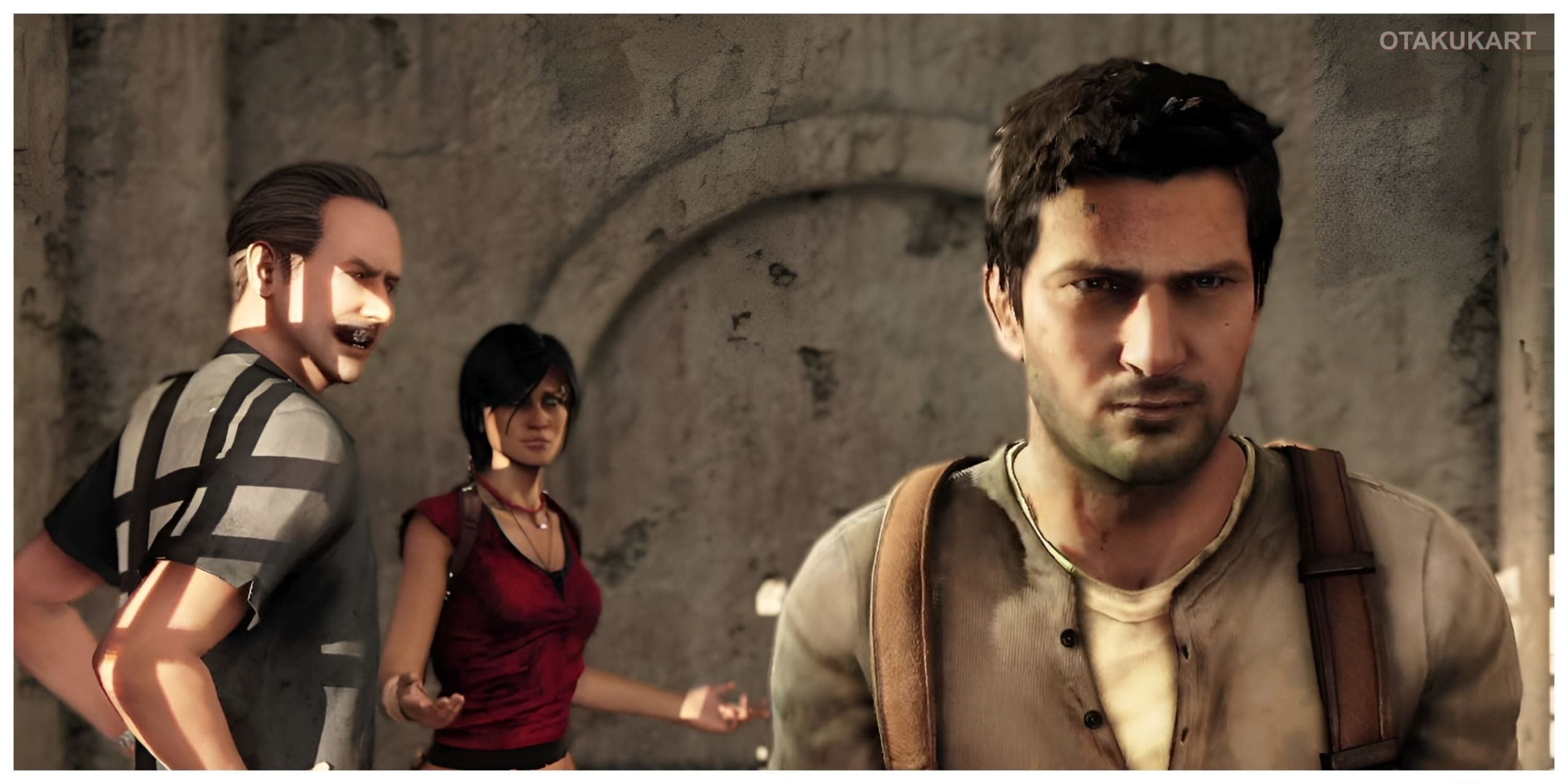
Nathan Drake remains one of the genre’s most likable protagonists. His humor, confidence, and occasional vulnerability make him easy to root for throughout a globe-trotting treasure hunt filled with dangerous enemies, ancient mysteries, and unexpected betrayals. The supporting cast also contributes meaningful relationships that strengthen the emotional core of the story.
Gameplay successfully blends climbing, exploration, puzzle solving, and third-person shooting into a smooth, fast-paced experience. Every chapter introduces new environments and gameplay scenarios, ensuring that players are constantly encountering fresh challenges instead of repeating familiar objectives.
Escaping a collapsing building, surviving high-speed train battles, and following dangerous mountain environment create unforgettable moments that still hold up remarkably well today. These sequences never feel disconnected from gameplay, allowing players to remain actively involved throughout the action.
Exploration also plays an important role despite the game’s linear structure. Hidden treasures, environmental details, and optional conversations reward observant players while adding personality to each location. Ancient temples, bustling cities, frozen environments, and dense jungles all contribute to the feeling of participating in a grand adventure.
Combat strikes an effective balance between cover-based shooting and platforming, encouraging players to move constantly instead of remaining behind cover for extended periods.
14. Tomb Raider (2013)
Reimagining Lara Croft as an inexperienced survivor rather than an unstoppable action hero completely transformed the Tomb Raider series. Instead of beginning her adventure as a legendary explorer, players witness her gradual evolution through hardship, loss, and determination. This grounded approach gives the story emotional depth while making every achievement feel earned.
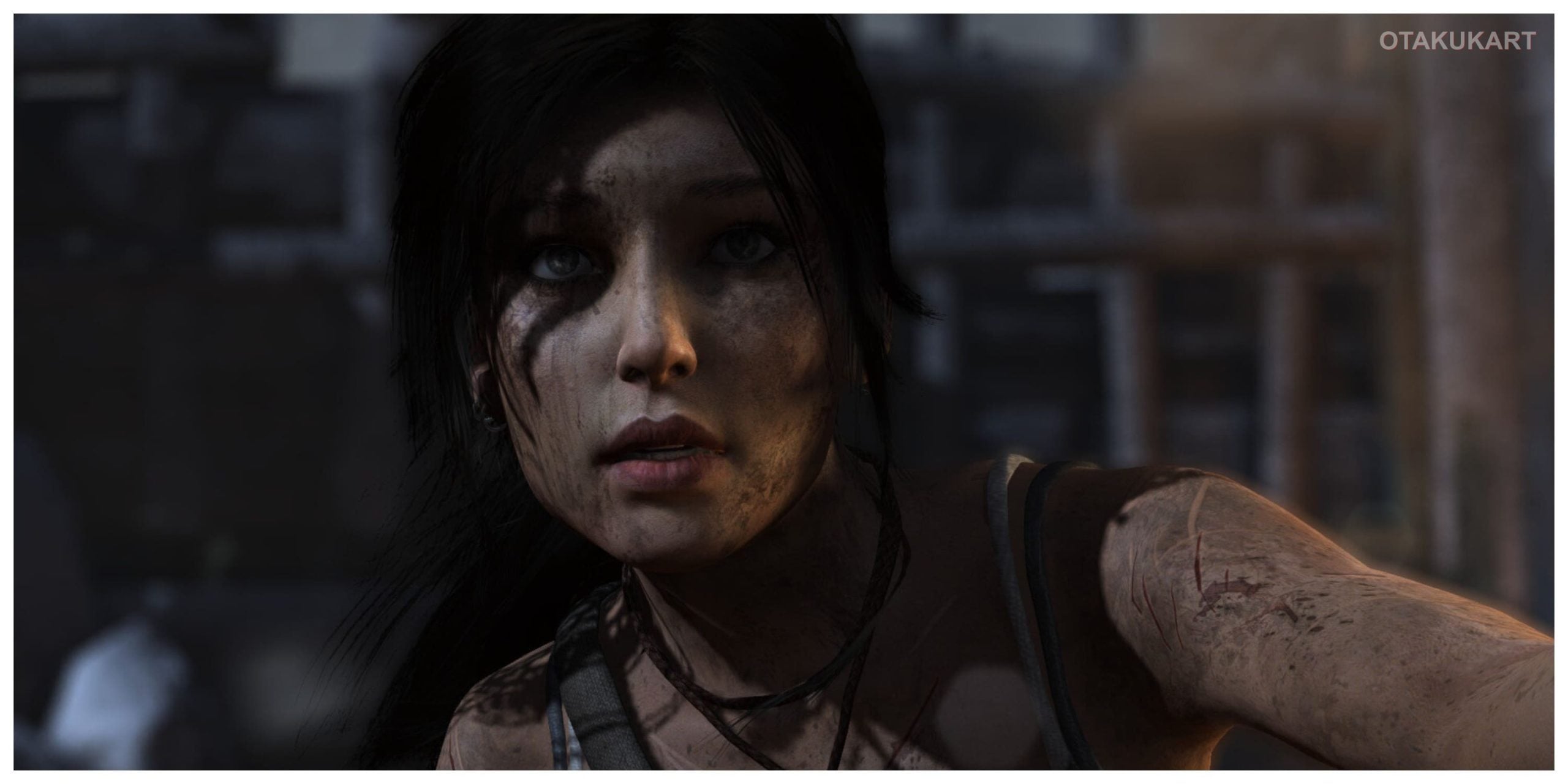
The journey begins after Lara becomes stranded on a mysterious island following a violent shipwreck. What initially appears to be a desperate survival story soon develops into a thrilling adventure involving ancient mysteries, dangerous enemies, and forgotten civilizations.
Hidden tombs reward players with optional puzzles that emphasize observation and problem-solving rather than combat. These quiet moments provide a welcome contrast to the intense action while celebrating the series’ archaeological roots.
Combat successfully combines stealth, ranged attacks, and close-quarters encounters. Players gradually unlock new weapons and survival abilities, creating a satisfying sense of progression without sacrificing the tension that defines Lara’s early struggles. Every improvement reflects her growing experience throughout the adventure.
Dense forests, abandoned villages, mountain temples, underground caverns, and weather-beaten shipwrecks create varied environments filled with secrets waiting to be discovered. Collectibles and optional documents further expand the world’s history, rewarding players who take time to explore.
Perhaps the reboot’s greatest accomplishment is how human Lara feels. She experiences fear, pain, and self-doubt, yet continues moving forward despite overwhelming challenges.
15. The Witcher 3: Wild Hunt (2015)
The Witcher 3: Wild Hunt sets the standard for immersive open-world adventures through its rich storytelling and meaningful exploration. Every village, battlefield, forest, and ruined castle feels unique, encouraging players to discover memorable characters, hidden secrets, and unforgettable quests. Rather than relying on repetitive activities, the game rewards curiosity with impactful choices and stories that stay with players long after the journey ends.
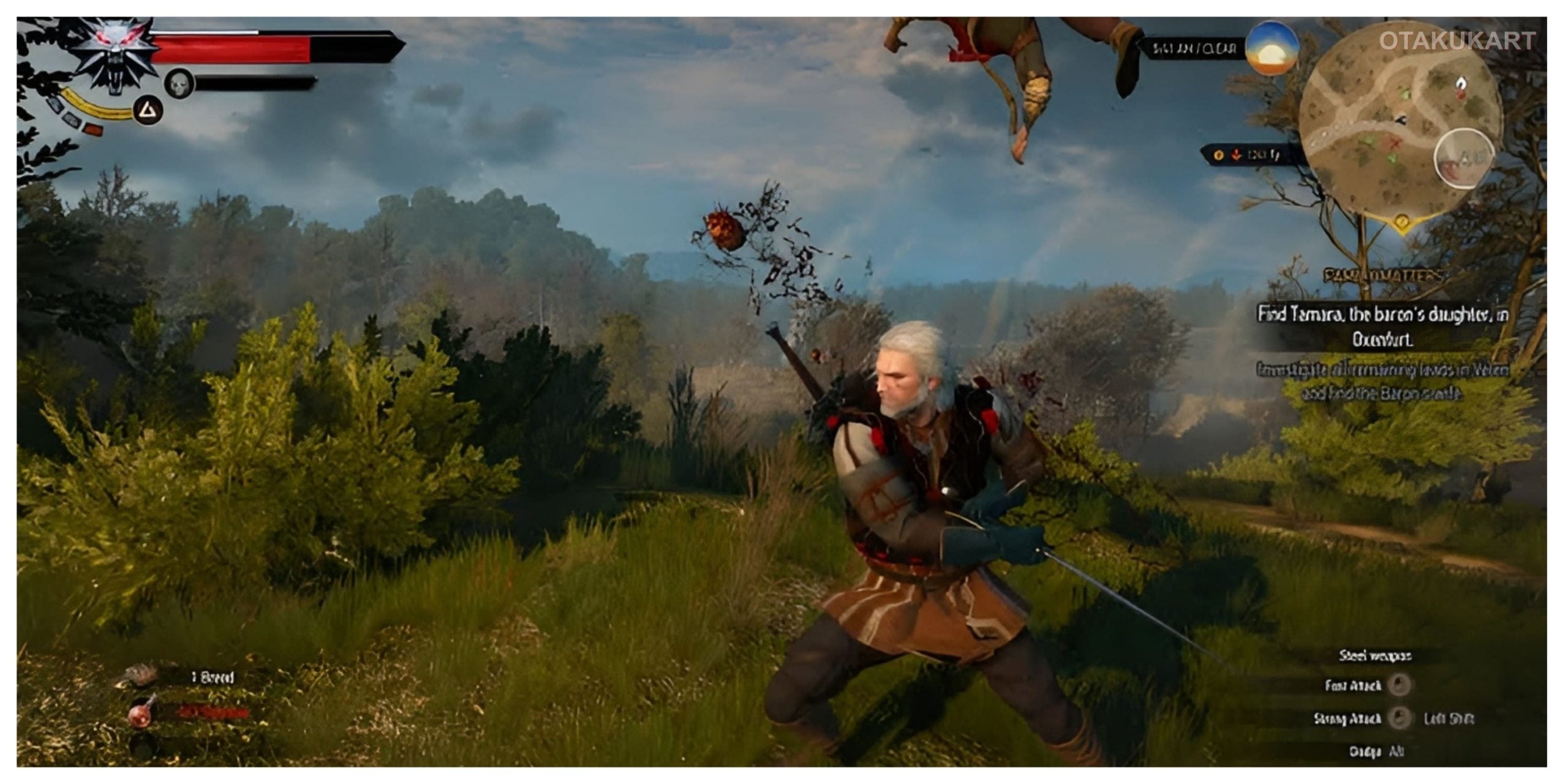
Geralt of Rivia’s search for his adopted daughter serves as the central storyline, but the emotional strength of the game comes from the people he meets along the way. Kings, sorceresses, monsters, mercenaries, and ordinary villagers all present difficult decisions that rarely have obvious right or wrong answers. The consequences of those choices often appear much later, giving the narrative a sense of realism that few role-playing adventures achieve.
Combat blends swordplay, magic, alchemy, and preparation into a satisfying system that rewards planning. Different monsters require different tactics, encouraging players to study enemy weaknesses before charging into battle. Brewing potions, applying weapon oils, and selecting the right magical Signs become just as important as mastering sword combat.
Side quests are where The Witcher 3 truly shines. Many optional stories feature stronger writing and more emotional impact than the main campaigns of other games. Whether investigating haunted villages, lifting ancient curses, or solving mysterious disappearances, each quest feels handcrafted instead of procedurally generated.