Anime has undergone a remarkable shift in both its creative ambitions and its global reach. Streaming transformed how audiences discovered Japanese animation, while light novel adaptations, original productions, and visually ambitious projects continued to expand what television anime could achieve.
Some series became defining works because of their storytelling and characters, while others left a stronger impression through animation, genre experimentation, cultural influence, or industry recognition. This period also saw anime move further into mainstream entertainment, making the distinction between a popular production and a genuinely significant one increasingly important.
Anime has only grown more ambitious with each passing year, and the difference between a standout series from 2012 and one from 2026 can be striking. The early 2010s had their own visual styles, storytelling trends, production limitations, and breakout genres, while the modern era has raised expectations for animation, direction, world-building, and cinematic presentation.
A series that felt groundbreaking in 2012 may no longer represent the medium’s creative peak when compared with what studios are producing in 2026. Looking across the entire period, therefore, means recognizing how anime itself has evolved, rather than judging every year by the same standards.
15. Sword Art Online Turned Gaming Culture Into a Mainstream Anime Story (2012)
In 2012, anime was reaching a wider international audience through growing legal streaming services, while light novel adaptations were becoming an increasingly visible part of television anime. Gaming was moving deeper into mainstream online culture and creating a natural audience for stories built around MMORPGs, virtual reality, and digital worlds. Sword Art Online arrived at the intersection of these trends and became one of the year’s most influential examples of how anime could turn gaming culture into a major storytelling and commercial force.
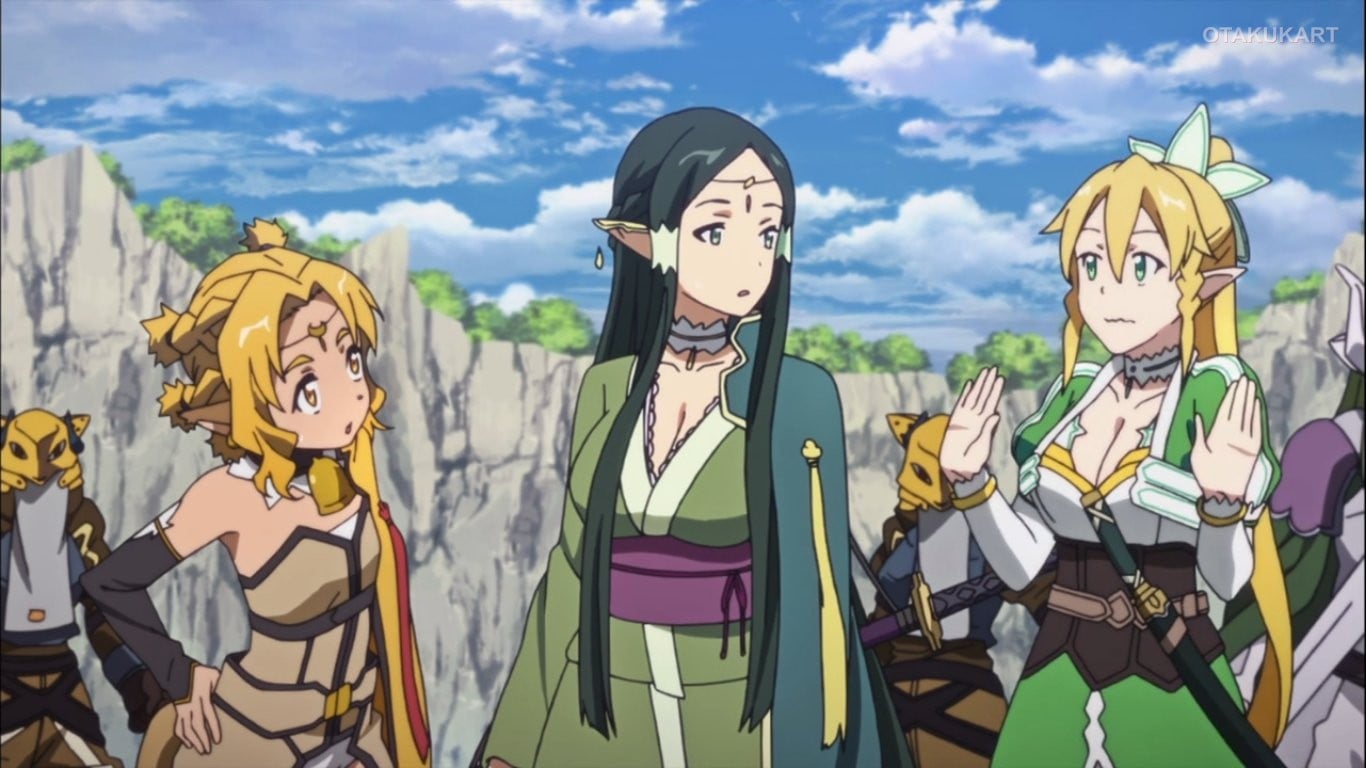
Kazuto Kirigaya, better known as Kirito, becomes one of 10,000 players trapped inside Sword Art Online when the game’s creator removes their ability to log out. Every player wears a NerveGear headset that can kill them in the real world if they die in the game or someone attempts to remove the device. Kirito initially chooses to fight alone as he works toward clearing all 100 floors of Aincrad, but his journey changes after he grows closer to Asuna Yuuki. Their struggle to survive combines dangerous boss battles, player conflicts, and their growing relationship as they search for a way to escape Aincrad alive.
Sword Art Online’s larger impact came from how effectively it popularized ideas that would become increasingly common throughout the 2010s. Game-like progression systems, virtual worlds, overpowered protagonists, skill-based advancement, and characters guiding fantasy environments through familiar gaming logic became recurring elements across anime and light novel adaptations. Its success also helped strengthen the appetite for stories built around transportation into unfamiliar worlds and other isekai-adjacent concepts.
The series has plenty of shortcomings, particularly in its uneven storytelling and characterization. These issues make it difficult to call it the outright best-crafted anime of 2012. Its significance extends beyond technical execution, as few other titles from that year so clearly represented the collision between anime, gaming, and internet culture.
14. Attack on Titan Made Every Episode Feel Like an Event (2013)
When Attack on Titan premiered in 2013, its giant Titans, desperate soldiers, and brutal deaths immediately separated it from conventional action anime. Eren Yeager’s fight for survival quickly expanded into a story filled with shocking deaths, unanswered questions, and escalating revelations. Its early episodes made each new Titan encounter feel consequential, turning the series into a major weekly talking point among anime viewers.
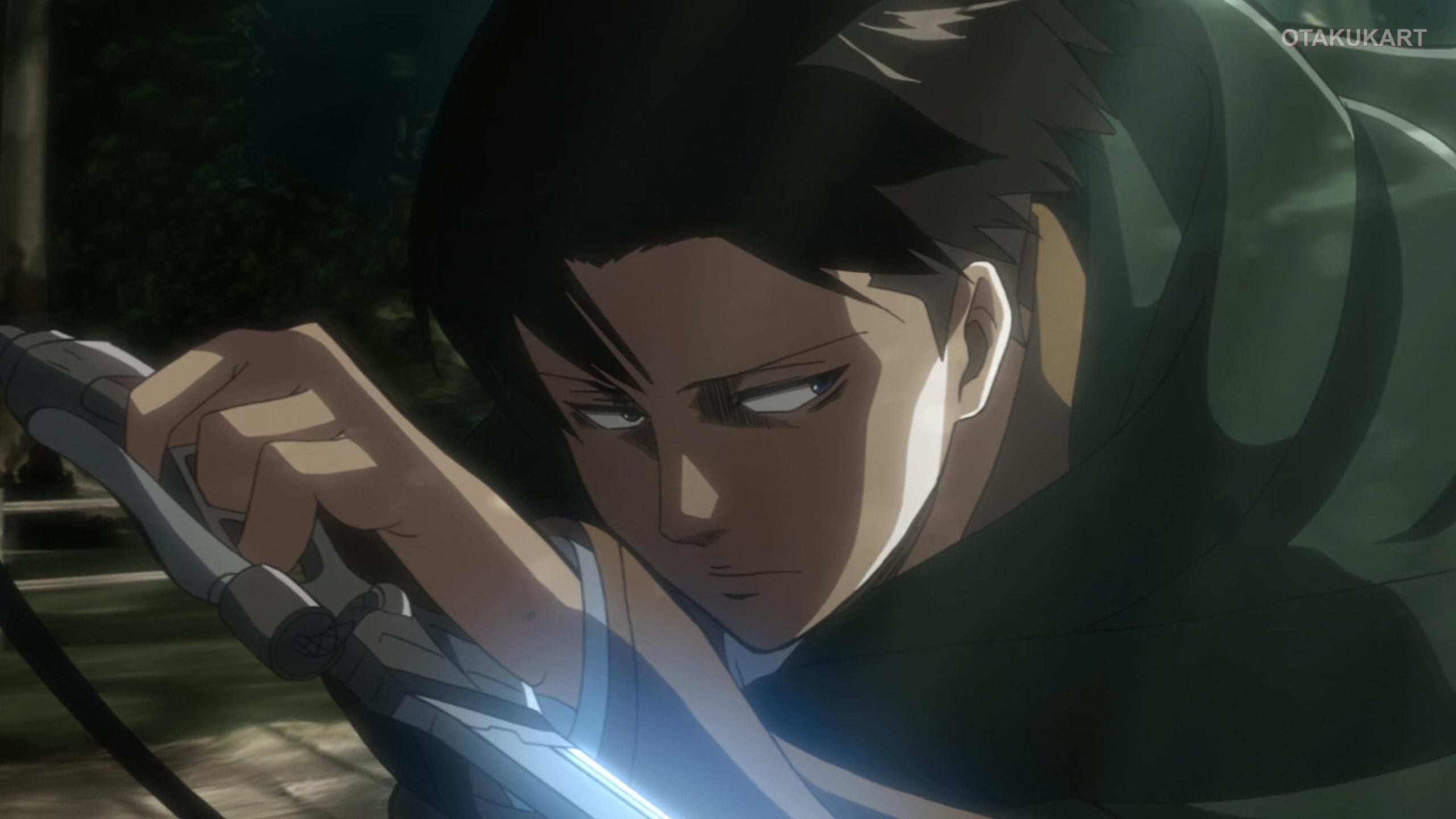
Eren Yeager lives behind Wall Maria until the Colossal Titan suddenly appears and smashes open the city’s defenses. A Titan then kills Eren’s mother, driving him to join the military alongside Mikasa and Armin. His search for revenge changes after he discovers that Titans have human origins and that his own body holds a shocking secret. The story gradually reveals hidden truths about the walls, the government, and the world beyond Paradis, constantly reshaping Eren’s understanding of humanity’s enemies.
Wit Studio made the Vertical Maneuvering Equipment central to Attack on Titan’s action, allowing soldiers to move rapidly through cities and forests. Characters fired their cables into buildings or trees, then used gas propulsion to swing around Titans and reach their weak spots. Rapid camera movements followed their rotations, dives, and sudden changes in direction during high-speed combat sequences. Soldiers also had limited gas and blades, making every maneuver dependent on timing, positioning, and careful equipment management.
In September 2026, MAPPA revealed a new visual for the upcoming Attack on Titan game, renewing attention around the franchise. The project connects the series to a new generation of games while demonstrating its continued commercial presence years after the anime’s finale. Attack on Titan has therefore remained recognizable across anime, games, merchandise, and other media.
At the center of the story, Eren, Mikasa, and Armin develop from frightened recruits into soldiers shaped by loss and conflict. Levi’s precision and Erwin’s leadership give the Survey Corps two commanders willing to make devastating sacrifices for humanity’s survival. Their battles gradually uncover political divisions, competing national interests, inherited hatred, and a history extending far beyond the walls.
13. Haikyu!! Made Volleyball Feel Like a Battle Anime (2014)
Shoyo Hinata joins Karasuno High after discovering volleyball in middle school and becomes determined to reach the national stage. At his first tournament, Tobio Kageyama defeats Hinata’s team and mocks his experience and control on the court. They later become teammates at Karasuno, forcing the quick-jumping Hinata and precise setter Kageyama to overcome their rivalry.
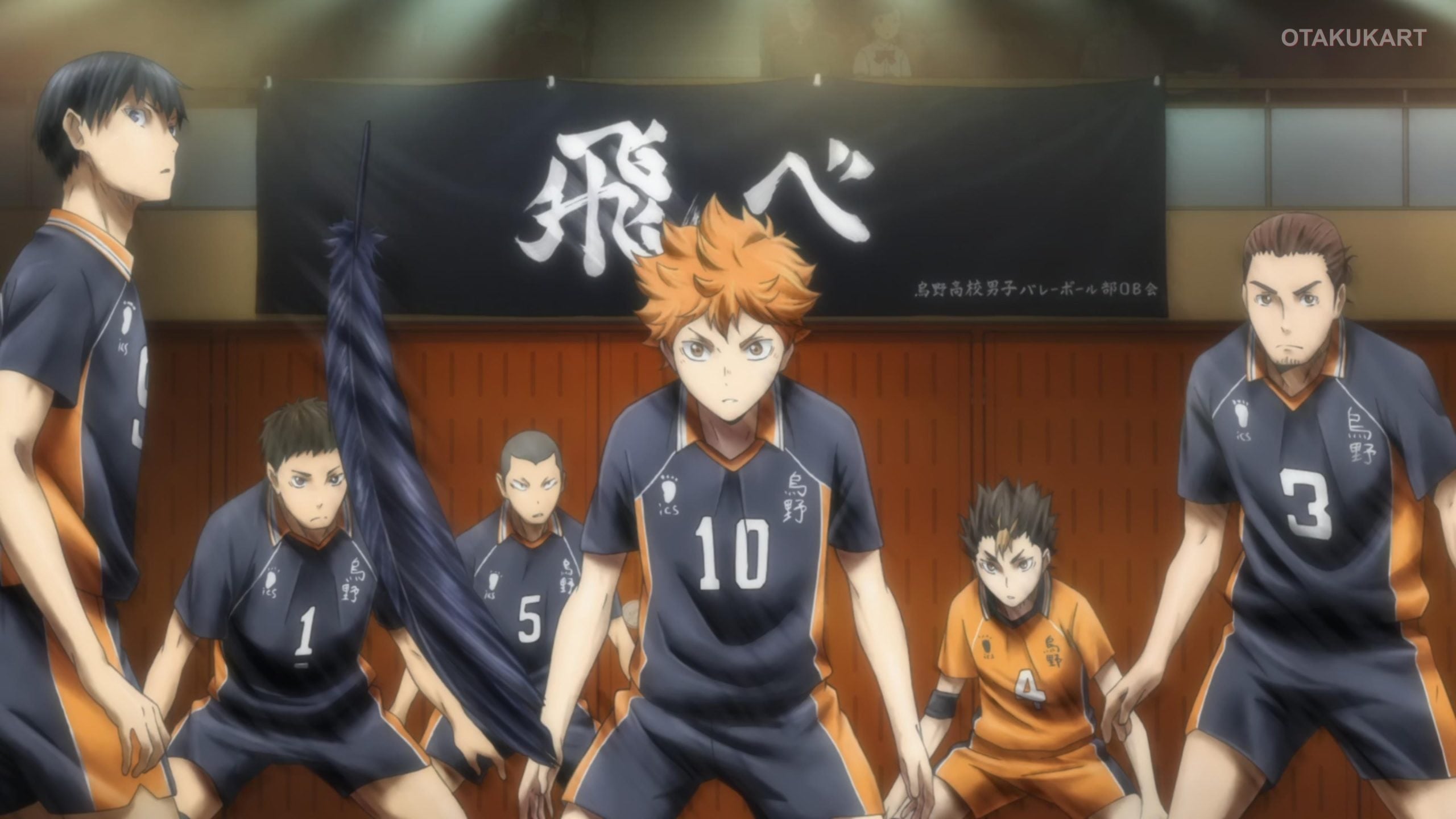
Every rally depends on serves, receives, sets, blocks, and spikes, making positioning and timing crucial to Karasuno’s success. Hinata uses his speed and jumping ability to attack quickly, while Kageyama creates precise sets that maximize his teammate’s reach. Players such as Daichi, Nishinoya, Tanaka, and Tsukishima contribute specialized skills that allow Karasuno to adapt during difficult matches.
Haikyu!! grew beyond volleyball circles by making high school matches feel tense, unpredictable, and emotionally significant. Its popularity continued through four television seasons, with Karasuno’s journey eventually moving into feature films. The upcoming Haikyu!! VS The Little Giant will adapt the decisive clash between Karasuno and Nekoma and is slated for 2027. That continued story shows how the series turned volleyball matches into character-driven confrontations with the intensity of battle anime.
12. One-Punch Man Turned Superhero Conventions Into Comedy (2015)
Saitama reaches the pinnacle of strength before the story begins, defeating powerful enemies with a single punch. His training consists of 100 push-ups, 100 sit-ups, 100 squats, and a 10-kilometer run every day. After becoming virtually unbeatable, he struggles to find opponents capable of surviving long enough to challenge him.
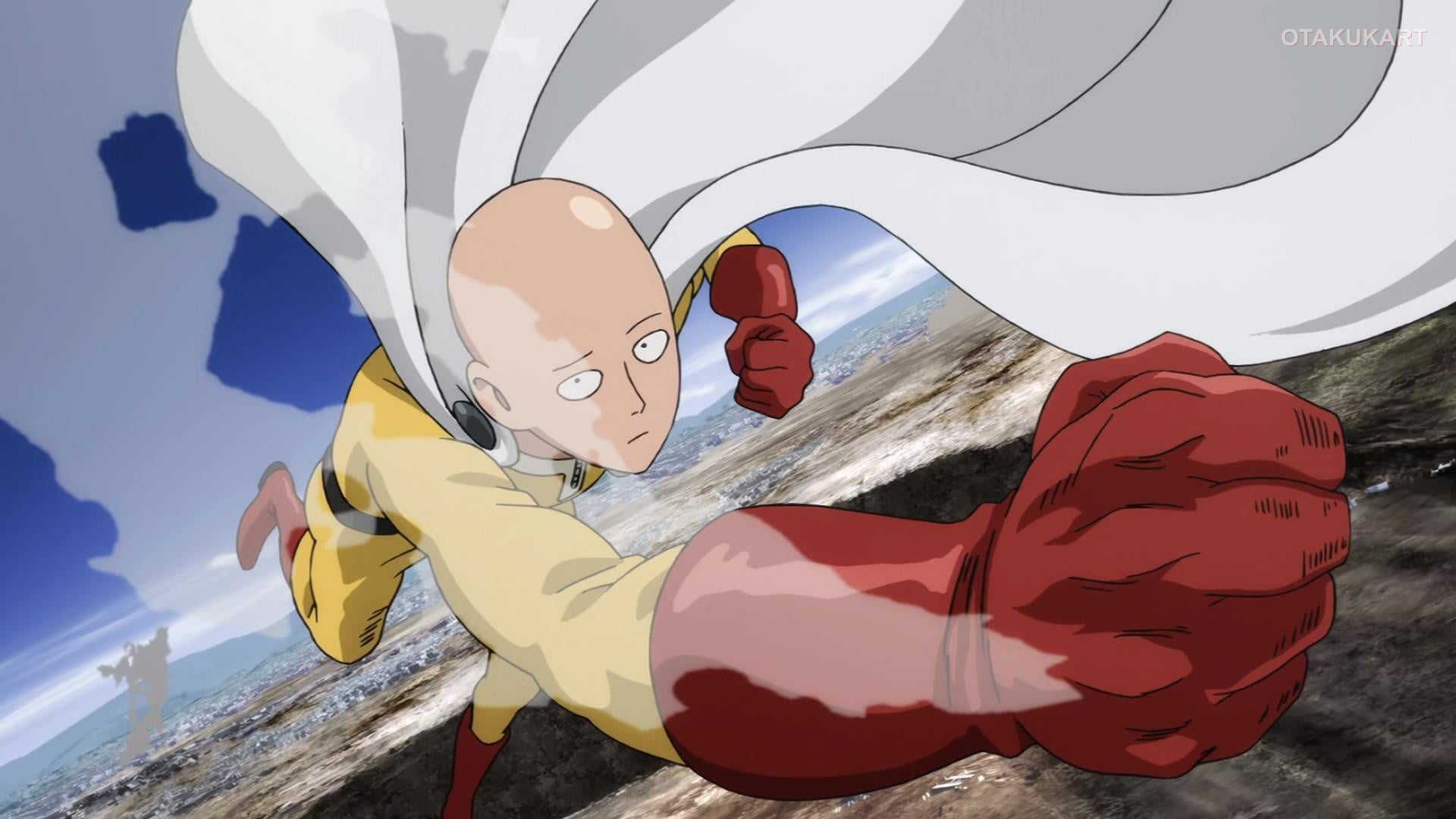
Unlike Cape Baldy, most heroes obsess over rankings, public recognition, and proving their worth through difficult battles. The Hero Association places Saitama in Class C, forcing him to complete routine hero work despite his extraordinary strength. Villains such as the House of Evolution’s monsters and the Deep Sea King create elaborate threats that Saitama often resolves effortlessly. Genos takes his mentor’s strength seriously, while other heroes struggle to understand why the world’s strongest fighter behaves so casually.
The first season’s animation gave its explosive battles an energy that matched the manga’s exaggerated humor and destruction. Battles such as Saitama’s confrontation with Boros benefited from fluid movement, detailed character animation, and dramatic impact frames.
The second season shifted production from Madhouse to J.C.Staff, and its action generally received a less enthusiastic response for its reduced visual polish and heavier reliance on simpler techniques. Season 3 has faced even stronger criticism surrounding its animation quality, particularly among viewers expecting the visual intensity established by the original season.
11. Yuri!!! on Ice Gave Sports Anime a More Personal Edge (2016)
Haikyu!! had helped establish volleyball as a major subject for sports anime through its school tournaments and detailed match strategies. Yuri!!! on Ice took a different route by following professional figure skaters competing on the international Grand Prix circuit. Instead of focusing on teenage athletes building a team from scratch, it explored career setbacks, performance anxiety, coaching, and professional pressure.
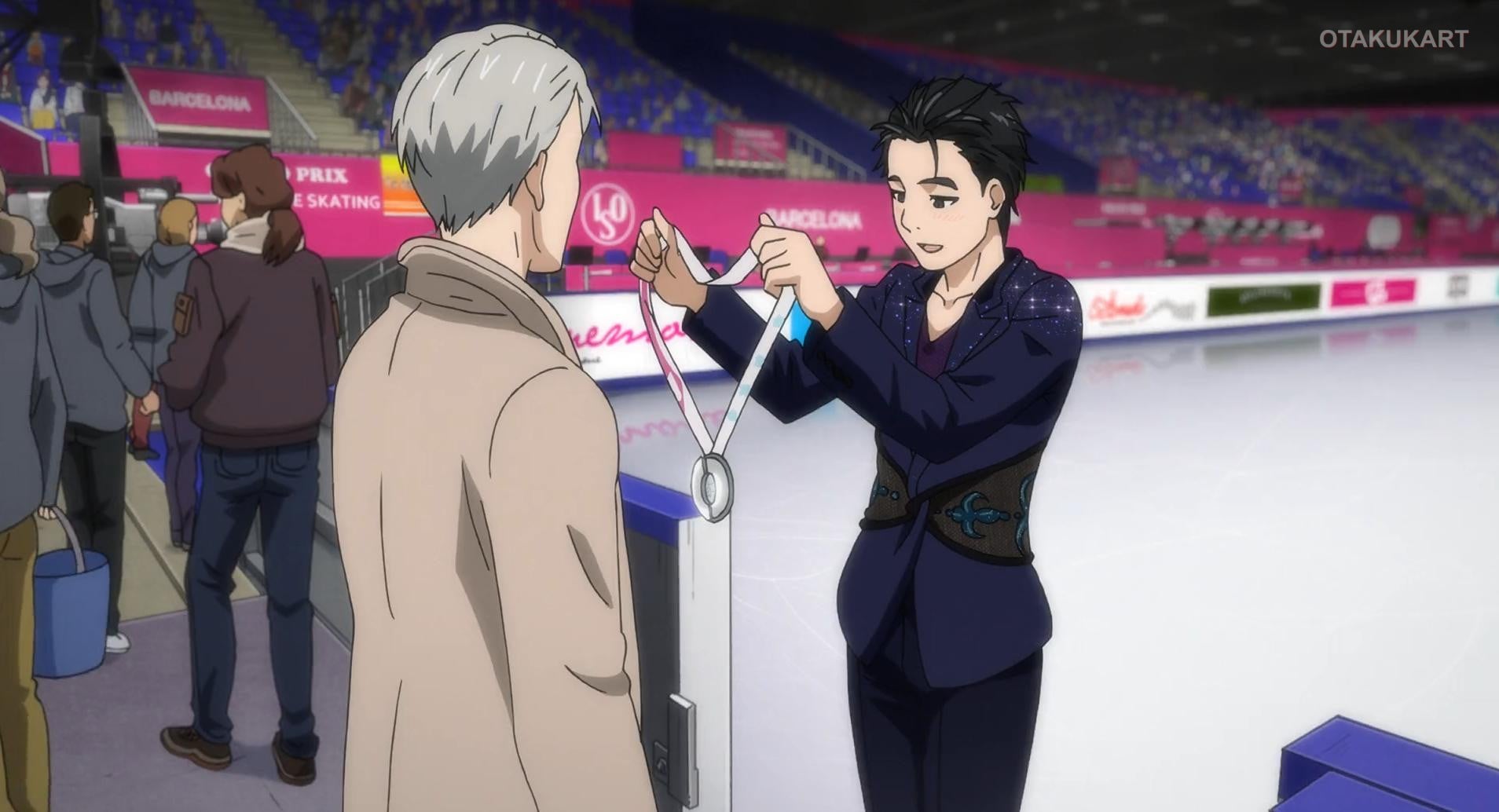
After finishing last in the Grand Prix Final, Yuri Katsuki returns to Hasetsu and seriously considers retiring from competitive figure skating. His career changes when a video of Yuri performing Victor Nikiforov’s routine reaches the five-time world champion. Victor suddenly arrives in Japan and announces that he will coach Yuri, giving him another chance to compete internationally. Yuri must overcome his fear of failure while training for the Grand Prix alongside younger skaters determined to surpass him.
Victor arrives as Yuri’s coach, but their partnership quickly develops into something much more intimate and emotionally significant. He recognizes Yuri’s insecurities and uses their training sessions to rebuild the skater’s confidence before each competition. Yuri begins opening up about his fears and ambitions, while Victor discovers a deeper emotional investment in his student’s journey. Their growing bond becomes inseparable from Yuri’s development as both a skater and a person.
Each skater receives distinct choreography, with routines reflecting their personalities, technical strengths, musical choices, and emotions during competition. Yuri’s performances become more confident as the season progresses, visually tracking his recovery from self-doubt and fear. The series won Anime of the Year at the inaugural Crunchyroll Anime Awards and received recognition at the Tokyo Anime Award Festival. Its detailed routines, original music, character animation, and emotional performances helped distinguish it from other sports anime airing that year.
Yuri!!! on Ice also reached audiences who were not traditionally drawn to sports anime because its story extended into romance, identity, representation, and the pressures surrounding professional athletes. The relationship between Yuri and Victor became a major point of discussion internationally, particularly because the series treated their emotional bond as an important part of Yuri’s personal development. Its reception demonstrated that a sports story could generate passionate discussion without relying primarily on conventional tournament rivalries or heroic competition.
10. Made in Abyss Turned World-Building Into Its Greatest Strength (2017)
Stretching deep beneath Orth, the Abyss contains multiple layers with distinct ecosystems, creatures, climates, and hazards. Riko descends through these layers with Reg while looking for her mother. Each descent exposes them to stronger creatures and harsher conditions, while the Abyss’s Curse makes returning upward increasingly dangerous. The journey’s mysteries, especially Reg’s forgotten identity and Lyza’s fate, make following the Abyss as important as Riko’s original goal.
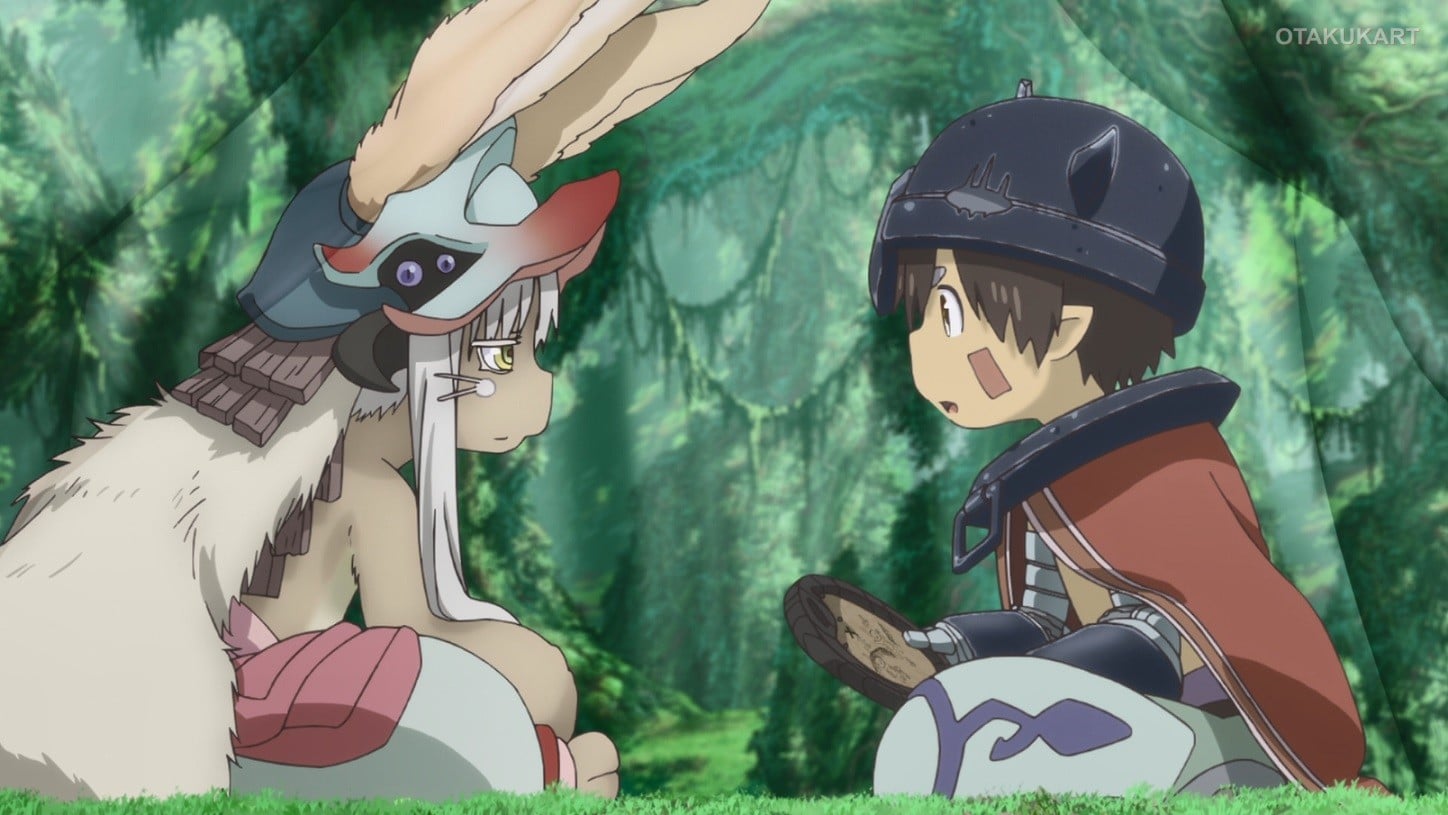
Riko enters the Abyss alongside Reg, an amnesiac robot with immense strength, a mechanical arm, and a mysterious connection to the depths. Their childlike designs contrast sharply with predators and parasites that can tear through explorers without warning. The environment appears breathtaking in places such as the Forest of the Abyss, yet hidden dangers can leave Riko and Reg severely injured. This clash between innocence and cruelty makes each new layer feel beautiful enough to explore and dangerous enough to fear.
Made in Abyss won Anime of the Year at the second Crunchyroll Anime Awards, alongside recognition for its atmospheric score. The series stood out because its appeal came primarily from its richly imagined world. Rather than relying on an established action franchise with a built-in audience, it attracted viewers through its setting, atmosphere, and storytelling. Its success showed how original-feeling world-building could make an anime a major hit.
9. Violet Evergarden Turned Animation Into Emotional Storytelling (2018)
Kyoto Animation renders Violet Evergarden with detailed backgrounds, intricate costumes, realistic lighting, and fluid character movement. Violet’s mechanical hands, blue eyes, military-inspired uniform, and changing expressions receive meticulous animation throughout the series. Towns, gardens, train journeys, and letter-writing scenes use carefully composed backgrounds that make the world feel richly lived-in.
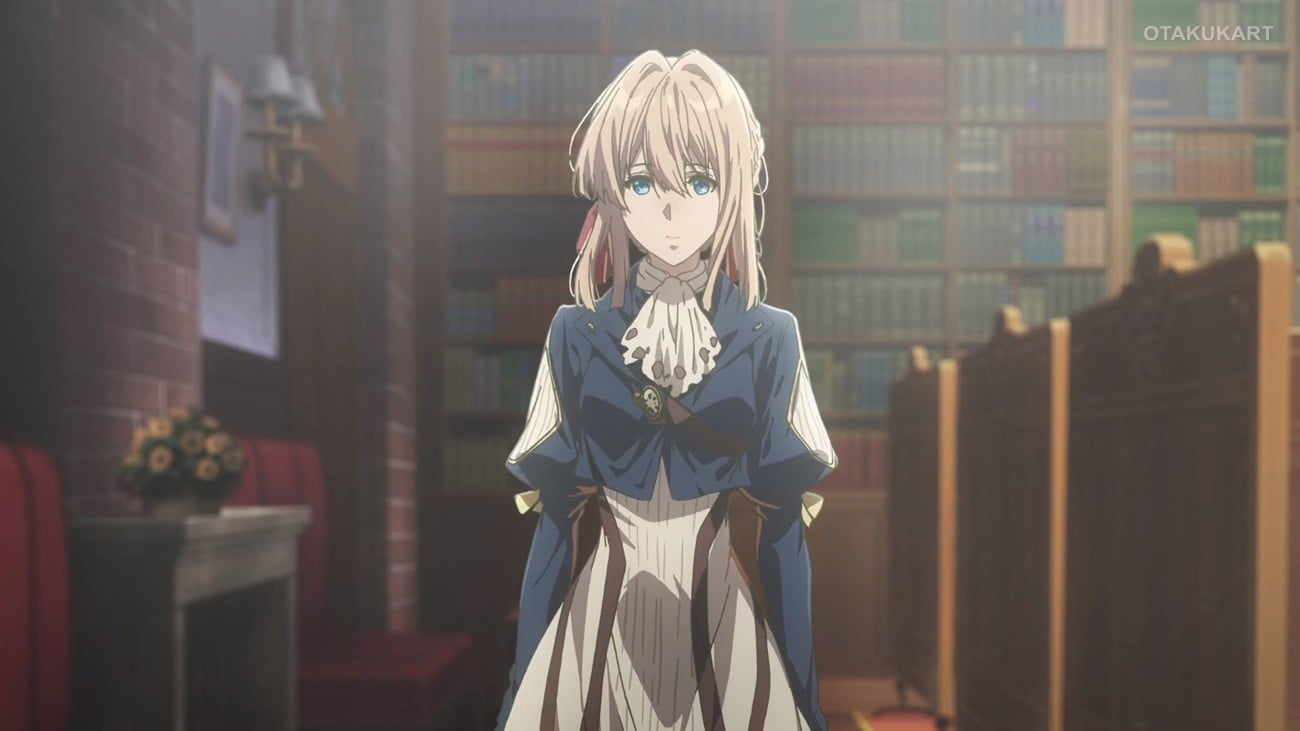
Yui Ishikawa’s performance as Violet is central to the character’s gradual emotional development throughout the series. Her restrained delivery reflects Violet’s difficulty understanding feelings after serving as a child soldier during the war. As Violet begins working as an Auto Memory Doll, subtle changes in her voice reveal confusion, empathy, grief, and growing emotional awareness. The supporting cast also receives strong vocal performances, particularly Daisuke Namikawa as Gilbert and Takehito Koyasu as Claudia Hodgins.
Visual storytelling carries much of Violet’s emotional journey without relying on lengthy explanations or dialogue. Small movements, including Violet’s hands while typing or her changing facial expressions, reveal feelings she struggles to articulate. Kyoto Animation also uses environments, sunlight, shadows, and carefully framed compositions to reflect the emotional weight of each client’s story.
8. Demon Slayer Became the New Benchmark for Mainstream Anime (2019)
Streaming services were helping more people around the world discover anime in 2019. Demon Slayer stood out with Ufotable’s beautiful animation, exciting sword fights, and the emotional story of Tanjiro and Nezuko. Tanjiro’s battles quickly became popular online and brought more attention to the series.
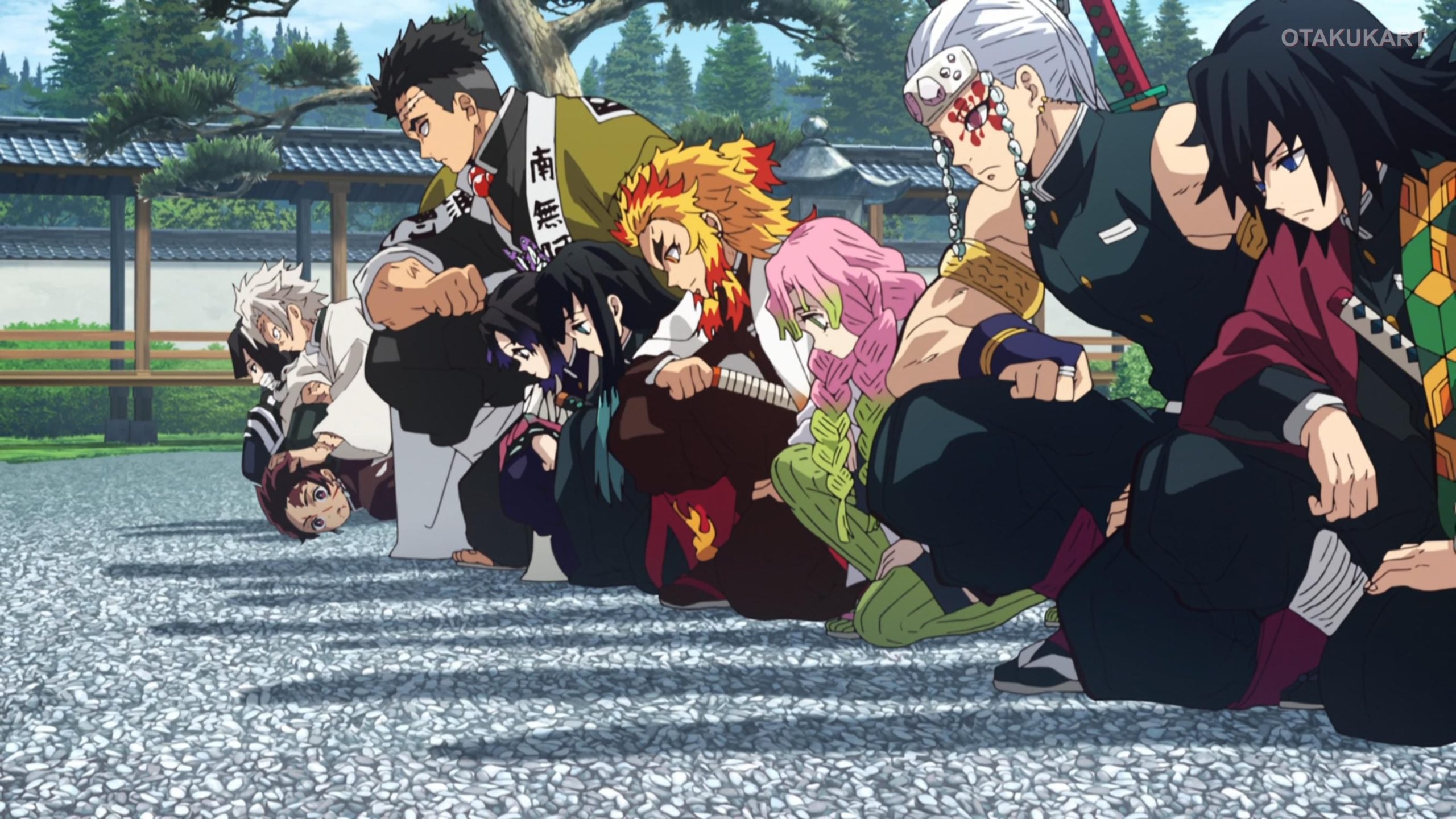
Tanjiro returns home and discovers his family has been killed by a demon, while Nezuko survives but has been turned into one herself. When Nezuko attacks him, Giyu Tomioka arrives and prepares to kill her, but she surprises him by protecting Tanjiro instead. Seeing that Nezuko still shows human emotions, Giyu sends Tanjiro to Mount Sagiri to find Sakonji Urokodaki, a former Water Hashira. Urokodaki then trains Tanjiro in swordsmanship and Water Breathing so he can join the Demon Slayer Corps and search for Nezuko’s cure.
Tanjiro’s compassion separates from many protagonists who treat demons as enemies that must be destroyed. Nezuko’s struggle to retain her humanity adds another emotional layer, while Zenitsu Agatsuma and Inosuke Hashibira bring completely different personalities into Tanjiro’s journey. The Hashira then expand the story with powerful swordsmen such as Giyu Tomioka, Kyojuro Rengoku, and Shinobu Kocho. Their distinct abilities and personalities turn the Demon Slayer Corps into a larger world rather than simply serving as background support for Tanjiro.
Demon Slayer won Anime of the Year at the Crunchyroll Anime Awards and later received the TV Series Grand Prix at the Tokyo Anime Award Festival. Its popularity also demonstrated how exceptional animation could help a manga adaptation break into mainstream entertainment on an international scale. The series became a major commercial success across streaming, home media, merchandise, and theatrical releases.
Its biggest structural change came when the franchise increasingly treated theatrical movies as major chapters rather than simple side projects. Mugen Train continued the television story directly in theaters, while the Entertainment District and later Infinity Castle material demonstrated how the franchise could move important story arcs into cinematic releases. The Infinity Castle storyline has been divided into multiple films, with the second installment currently in development, reflecting how anime studios and publishers can turn major arcs into large-scale theatrical events.
7. Keep Your Hands Off Eizouken! Made Creating Anime the Adventure (2020)
Midori Asakusa meets aspiring animator Tsubame Mizusaki while following a mysterious underground bunker that inspires their first animation project. Kanamori Sayaka joins them after recognizing their talent and sees an opportunity to turn their ideas into a real business. The trio forms Eizouken and begins producing short animations while balancing schoolwork, limited resources, deadlines, and disagreements. Midori creates the worlds, Tsubame animates the characters, and Kanamori handles planning, money, promotion, and negotiations.
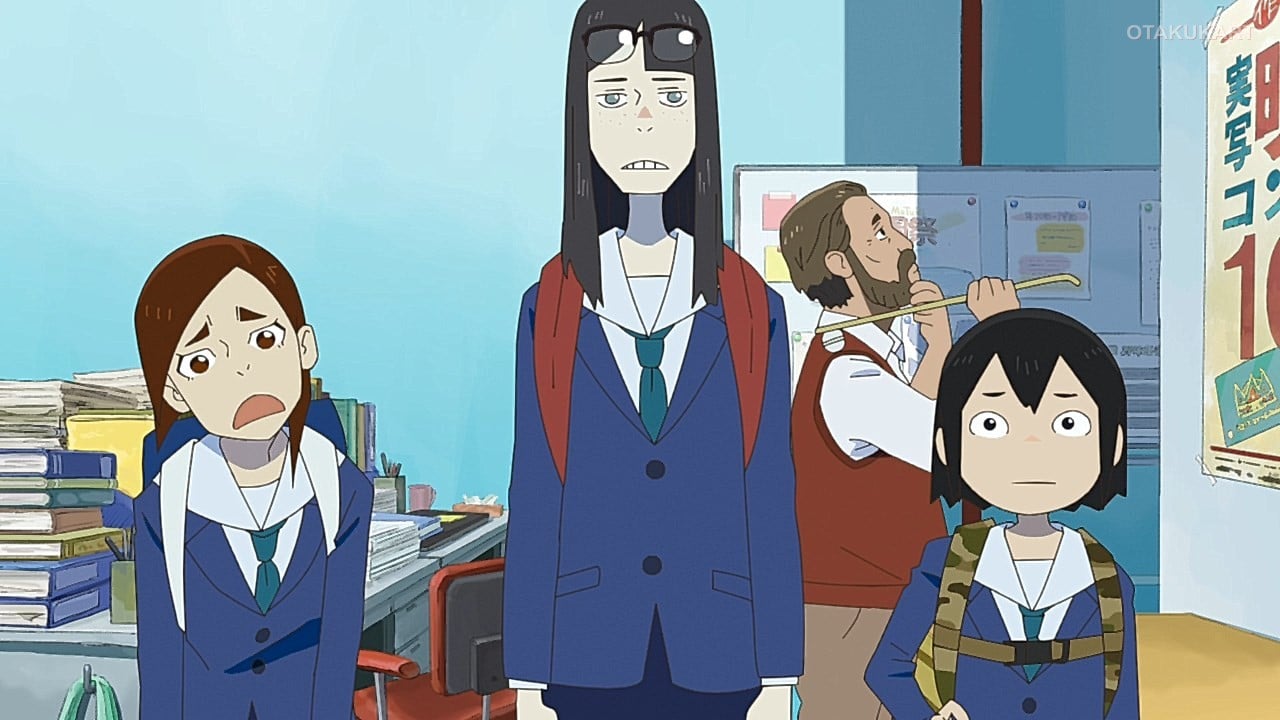
The series constantly transforms the girls’ creative ideas into vivid animated sequences that exist beyond their ordinary school surroundings. Midori can imagine a sprawling futuristic city, dangerous machines, or strange creatures, and the show immediately lets viewers experience those ideas as moving worlds.
Problems such as deadlines, sound effects, storyboards, and animation mistakes become adventures because the girls visualize solutions instead of simply discussing them. This approach makes the process of producing animation feel exciting while showing how drawings, movement, sound, and imagination eventually become a finished scene.
Eizouken premiered in January 2020, just before COVID-19 lockdowns began changing everyday life around the world. Its focus on Midori, Tsubame, and Kanamori creating imaginary worlds offered an especially fitting escape during a year defined by isolation. The series showed how creativity could transform ordinary places into exciting adventures without leaving the girls’ school environment.
6. Odd Taxi Turned Small Conversations Into a Gripping Mystery (2021)
A conversation between Odokawa and a passenger can reveal information about the missing girl several episodes later. Seemingly minor characters often return with connections to the taxi rides, criminal activity, or the girl’s disappearance. Details involving Mitsuya, Yano, and the idol group Mystery Kiss gradually become important to the central investigation. This layered writing rewards attention because earlier dialogue takes on a completely different meaning after later revelations.
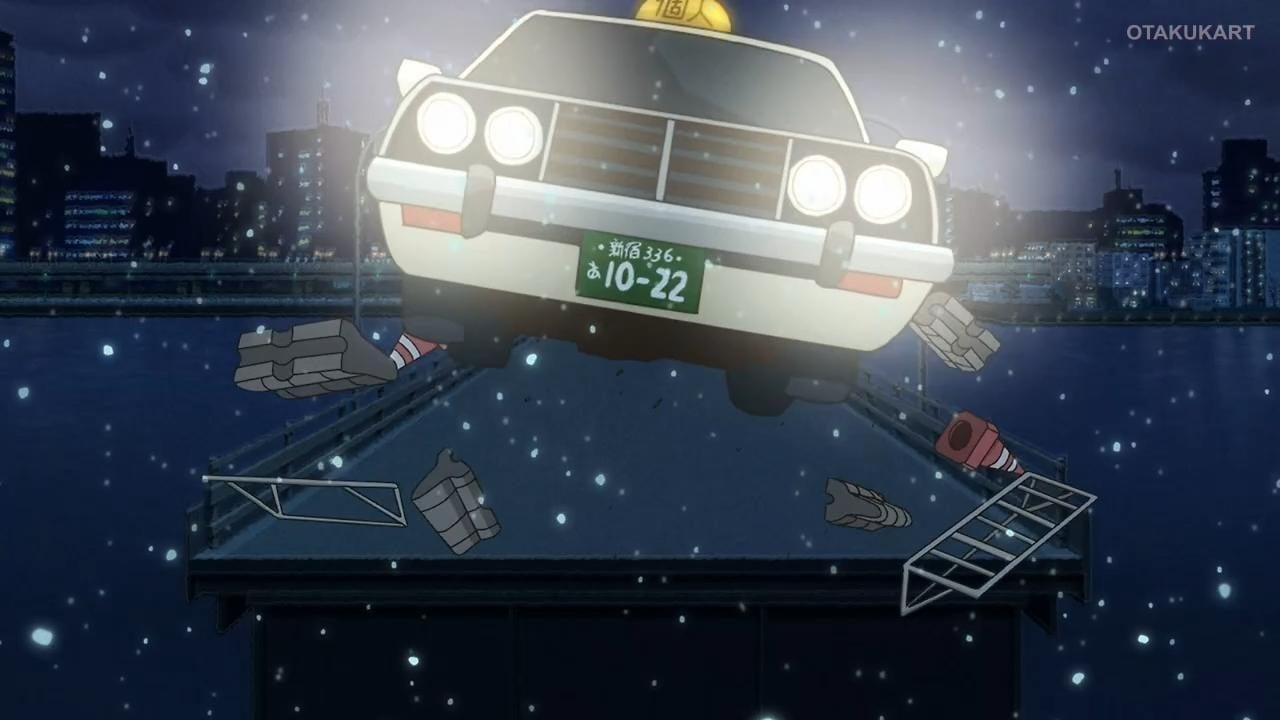
The animal designs give the story a calm and almost playful appearance that hides its much darker subject matter. Odokawa looks like a friendly walrus, while the other characters resemble familiar animals. Beneath that relaxed presentation, the story explores murder, loneliness, obsession, manipulation, and the dangers of social media. The contrast makes the darker moments more unsettling because the audience never expects such serious problems from the colorful world presented onscreen.
Odokawa is a 41-year-old walrus and taxi driver whose regular passengers include nurses, students, comedians, and members of a struggling idol group. His quiet routine changes when high school student Yuki Mitsuya disappears, and several passengers become connected to her case. Odokawa’s conversations with Shirakawa, Kakihana, Kabasawa, and Dobu gradually place him closer to the people searching for Yuki. What begins with an ordinary taxi ride eventually leads Odokawa into a dangerous mystery involving the missing girl, organized crime, and the idol group Mystery Kiss.
5. Bocchi the Rock! Turned Social Anxiety Into a Creative Superpower (2022)
Hitori Gotoh has spent years practicing guitar alone because she dreams of becoming a successful rock musician. Her online guitar videos earn attention, but she struggles to speak to people or perform comfortably in front of others. Her life changes when Nijika Ijichi asks her to join Kessoku Band after their guitarist fails to appear for a performance. Bocchi suddenly has the chance to pursue music with other people while confronting the social fears that kept her isolated.
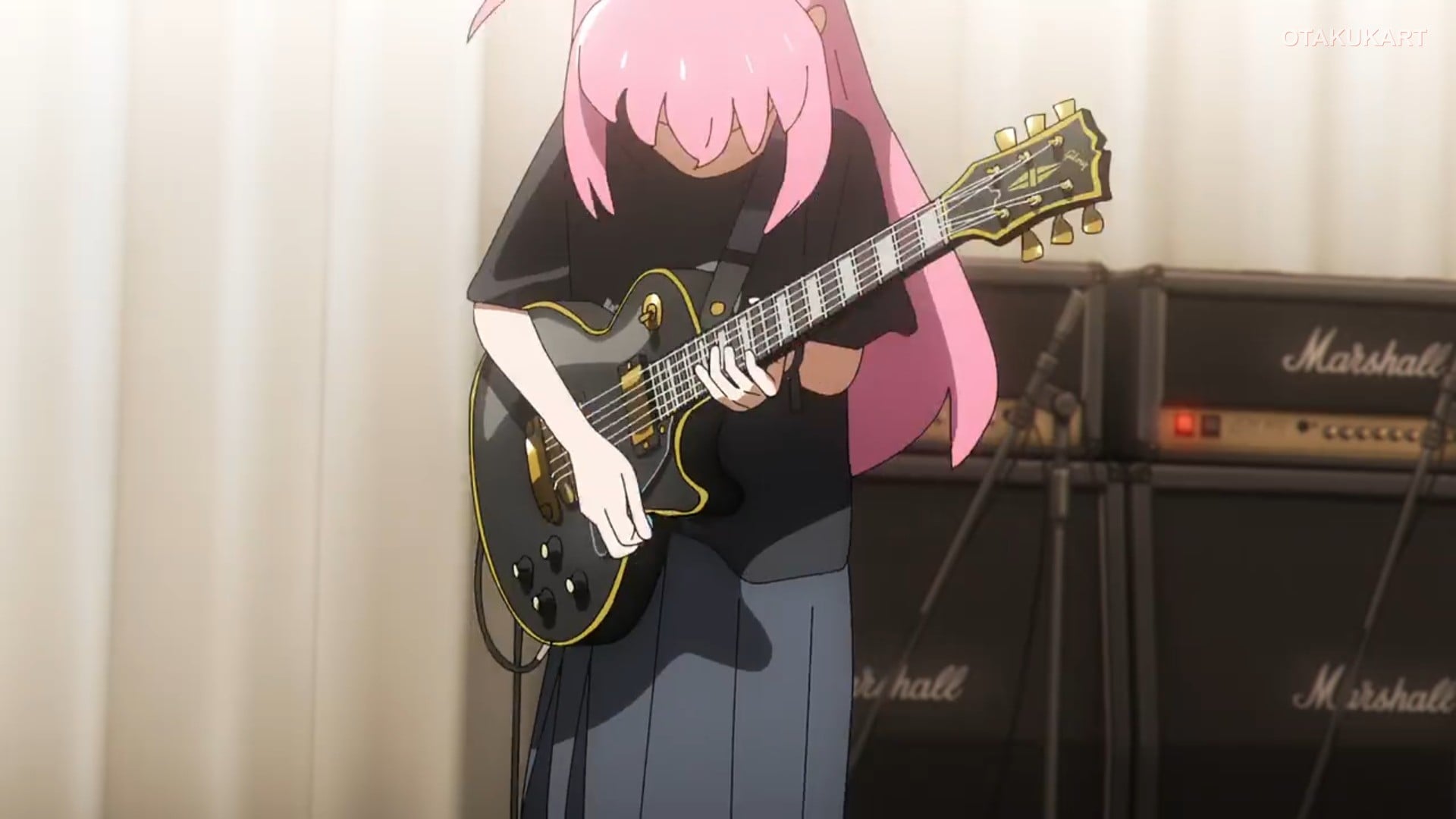
Kessoku Band gives Bocchi a reason to leave her room and use the guitar skills she developed in isolation. Nijika provides the band’s energetic foundation on drums, while Ryo Yamada plays bass with a detached personality and strange spending habits. Seika Ijichi manages the live house where the group performs and pushes the inexperienced musicians toward becoming a real band. Their original songs also drive the story, with performances showing Bocchi’s progress from an isolated guitarist toward someone capable of playing alongside others.
CloverWorks constantly changes its visual style to match Bocchi’s emotional state instead of limiting the series to conventional character animation. She can stretch, collapse, distort, or transform into strange shapes whenever embarrassment overwhelms her. Some scenes switch into live-action imagery, crude drawings, stop-motion-like sequences, or exaggerated visual effects for comedic impact.
The success of the first season eventually led to a second season, although director Keiichiro Saito stepped away from directing and passed the role to Yusuke Yamamoto. Saito explained that the first season had already felt complete to him and that producing more musical performances would require greater effort and resources. His comments also highlight how demanding the show’s combination of animation and live musical performances can be.
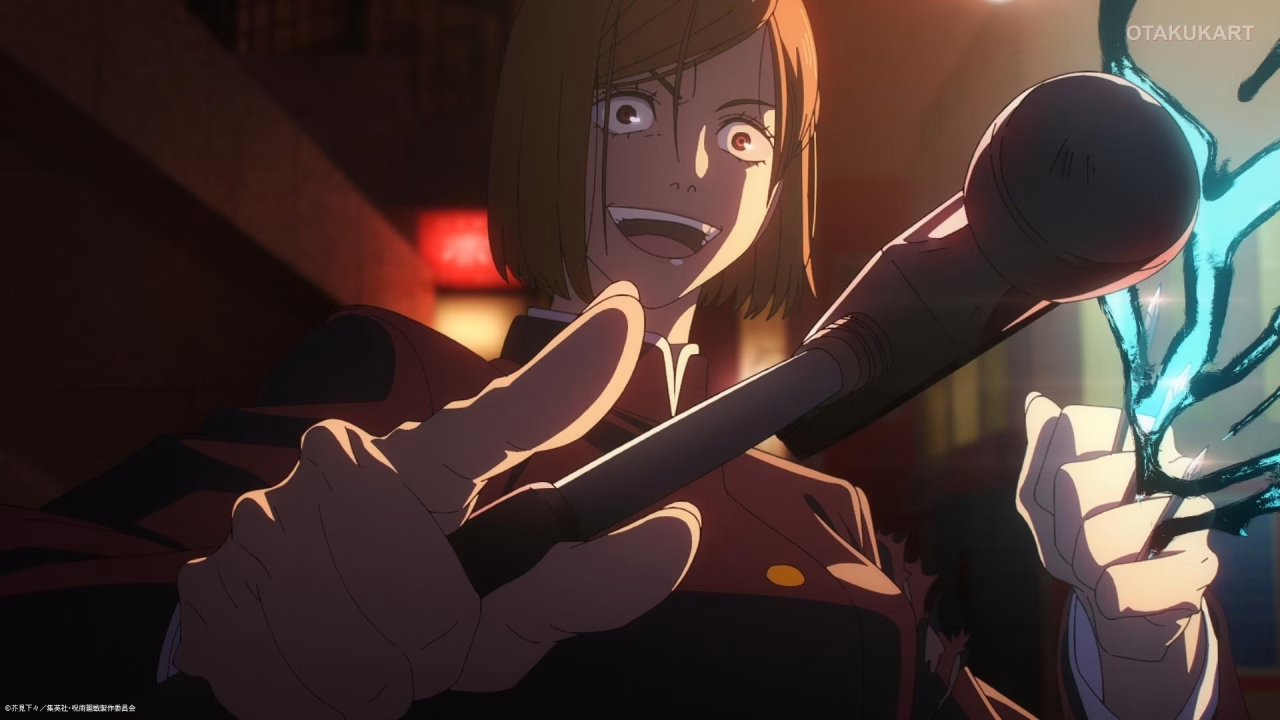
4. Jujutsu Kaisen Season 2 Became a Modern Action-Anime Showcase (2023)
Jujutsu Kaisen Season 2 won Anime of the Year at the 2024 Crunchyroll Anime Awards, while Shota Goshozono won Best Director.
The season also received awards for Best Character Design and Best Cinematography at the same ceremony. It premiered on July 6, 2023, and its final episode aired on December 28, 2023.
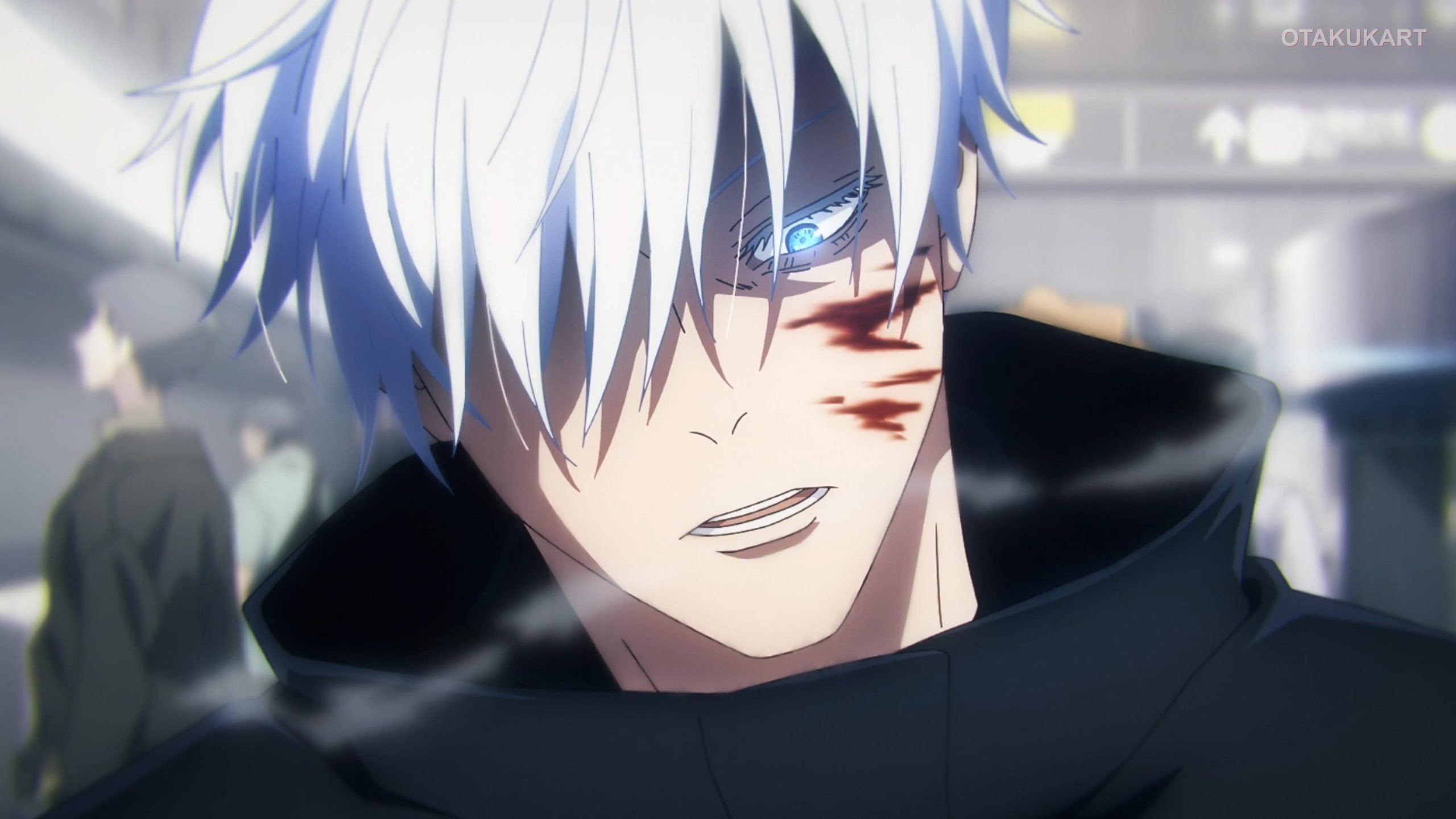
The Shibuya Incident permanently changed the story by destroying the stability established during the first season. Satoru Gojo was sealed, Kento Nanami died, and Nobara Kugisaki suffered a devastating injury during the chaos. Yuji Itadori was left carrying enormous guilt after Sukuna’s destruction of Shibuya caused countless deaths. Megumi’s condition also became dangerous, while the remaining sorcerers faced a jujutsu society thrown into disorder.
Season 2 begins with Hidden Inventory and Premature Death, which takes viewers back to Gojo and Suguru Geto’s teenage years. Their mission to protect Riko Amanai reveals the friendship they once shared before their beliefs began moving in opposite directions. The story then jumps forward to the Shibuya Incident, where curses and curse users launch a coordinated attack across Tokyo. Moving between these two arcs gives the season emotional context before placing its characters inside an increasingly brutal crisis.
The story continues into the Culling Game, a deadly battle royale created through Kenjaku’s plans, bringing Yuji, Megumi, Yuta, Choso, and other sorcerers into the conflict. Megumi’s sister Tsumiki becomes central to his motivation, while Yuta returns as a major fighter after the Shibuya Incident. New opponents, shifting alliances, and dangerous battles expand the consequences of Shibuya and push the characters toward Kenjaku’s larger plan.
Kenjiro Tsuda gives Kento Nanami a calm, weary voice that reflects his exhaustion during the Shibuya Incident, especially when Nanami speaks with Yuji during his final moments. Junya Enoki captures Yuji’s panic and guilt as Sukuna’s actions leave him struggling with overwhelming responsibility. Yuichi Nakamura and Takahiro Sakurai similarly strengthen Gojo and Geto through distinct performances that reflect their characters’ contrasting personalities.
3. Frieren: Beyond Journey’s End Redefined What a Fantasy Adventure Could Be (2024)
Frieren: Beyond Journey’s End won Best TV Series at the 2025 Tokyo Anime Award Festival after its first season aired from September 2023 to March 2024. The series also received recognition at the 2025 Crunchyroll Anime Awards, including nominations for Anime of the Year, Best Animation, and Best Director. Although it premiered in September 2023, most of its 28-episode season aired throughout 2024.
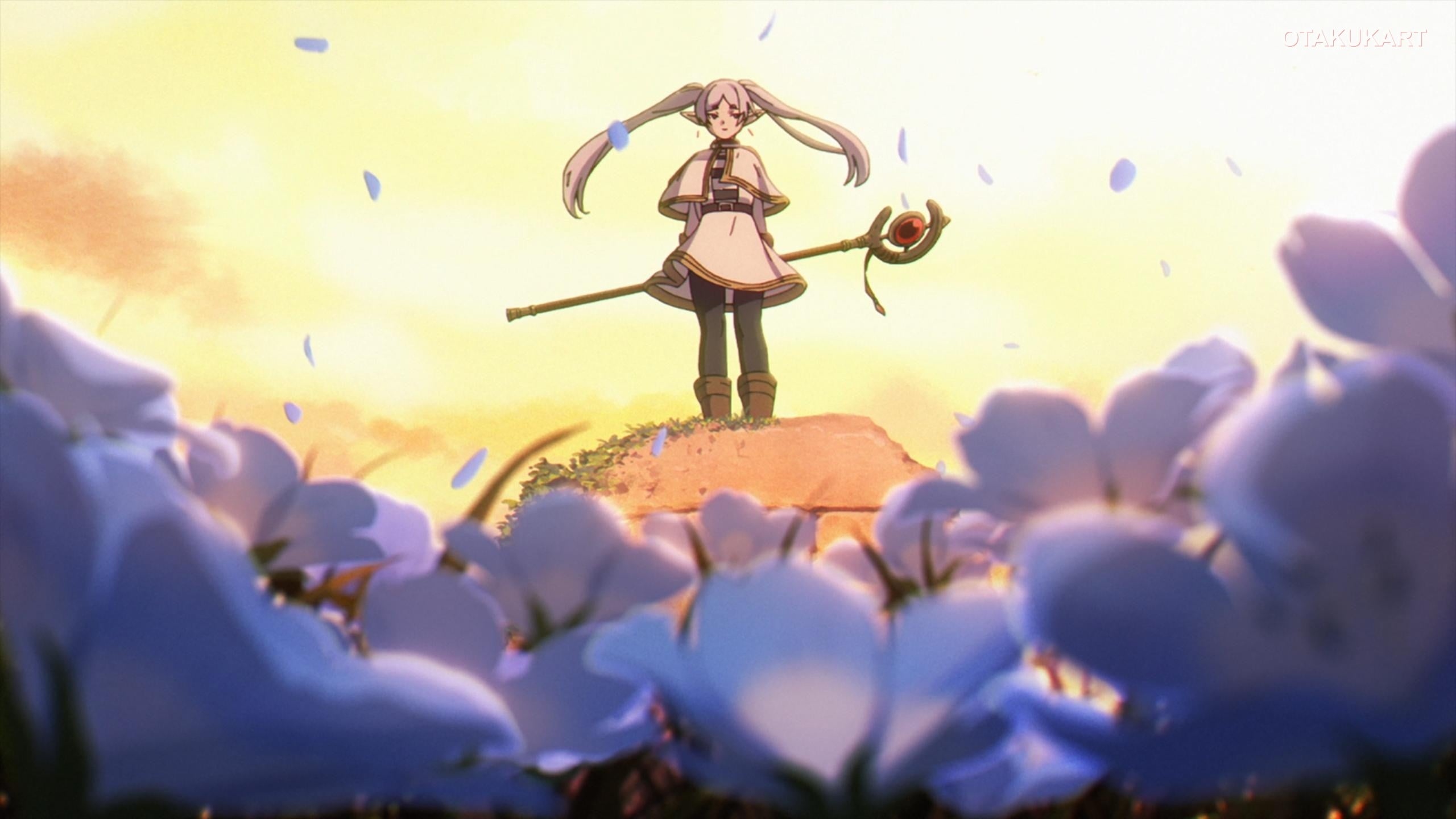
Madhouse gives Frieren’s magic battles a distinct sense of scale without sacrificing detailed character animation. Spells such as Zoltraak can turn battles into spectacular displays of movement, destruction, and visual effects. Quieter scenes receive equal attention through detailed environments, subtle facial expressions, changing weather, and carefully framed character movement. This balance lets the anime shift from explosive magical combat to peaceful travel without making either side feel disconnected.
After a ten-year journey, Frieren, Himmel, Heiter, and Eisen defeat the Demon King and return to the capital. They celebrate their victory and watch the Era Meteors together before eventually separating. Fifty years later, Frieren looks almost unchanged because elves age far more slowly than humans. Himmel’s death makes Frieren realize she barely understood him, prompting her to begin a new journey to understand their shared past.
Season 3 is now scheduled for October 2027 and will adapt the Golden Land arc, bringing Frieren and her companions into conflict with Macht. It will again be produced by Madhouse, with Tomoya Kitagawa directing and Evan Call returning for the music. The story moves toward Wiese, where Frieren, Fern, and Stark become involved in a conflict surrounding the powerful demon known as Macht.
2. Solo Leveling Became the New Face of Global Power Fantasy (2025)
Sung Jinwoo enters a Gate with other hunters and discovers a hidden temple filled with deadly statues. The System appears after Jinwoo survives the temple’s deadly test and selects him as its only player. It gives him daily quests, stat increases, skills, and inventory access that ordinary hunters cannot obtain. Jinwoo later gains the ability to extract shadows from defeated enemies, building an army that grows alongside his own strength.
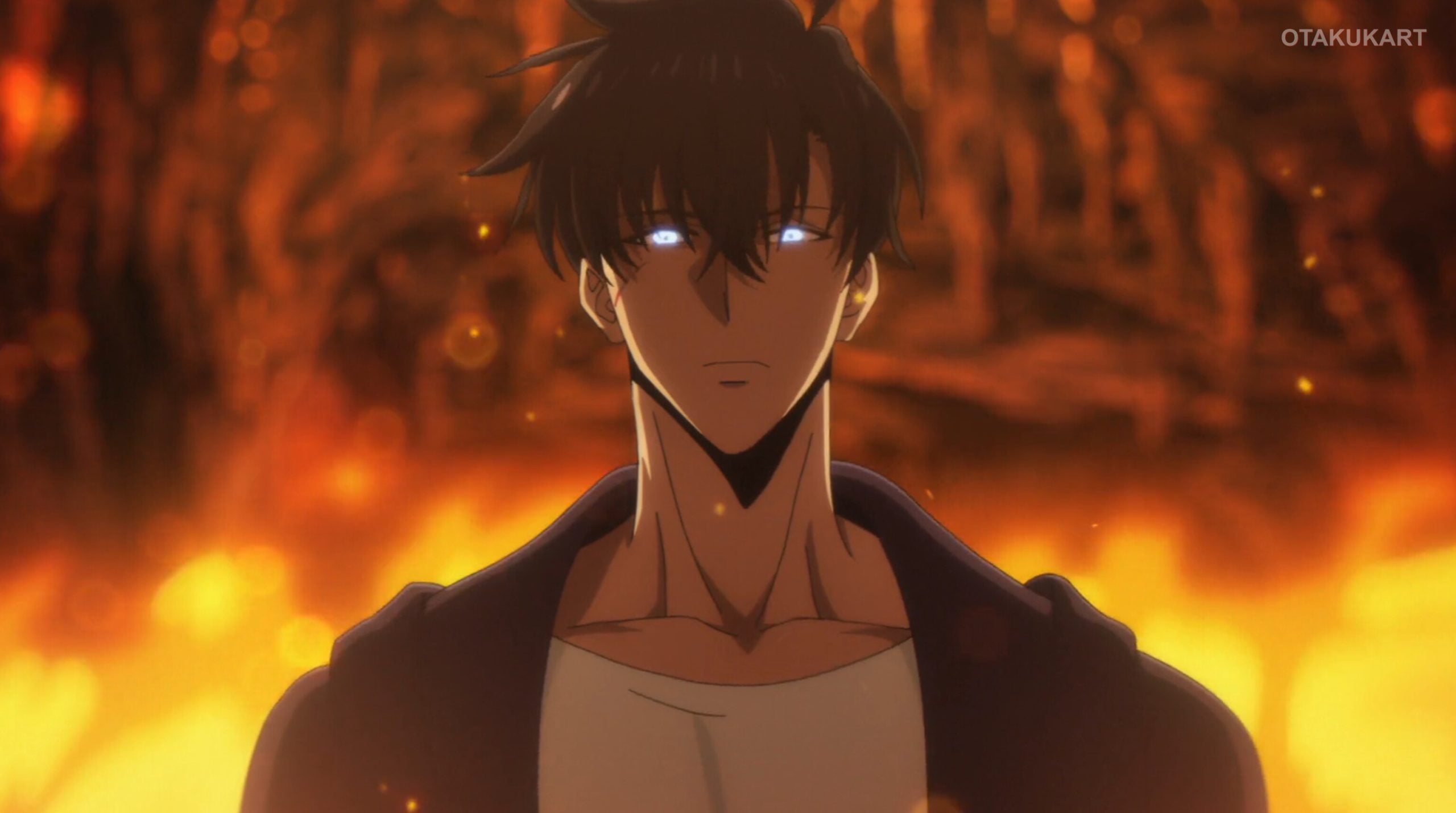
A-1 Pictures turns Jinwoo’s progression into large-scale action through sharp character animation, dramatic lighting, and heavily choreographed battles. Hiroyuki Sawano’s music adds another layer to major fights, giving Jinwoo’s transformations and victories a blockbuster atmosphere. The franchise also connects several forms of modern entertainment, beginning as a Korean web novel before becoming a webtoon and later an anime produced in Japan.
The original Solo Leveling manhwa, illustrated by Jang Sung-rak under the name Dubu, played a major role in establishing Jinwoo as a global fantasy protagonist. Its full-color artwork made his growing abilities, Shadow Army, and monster battles especially suited to digital reading platforms. The manhwa also expanded the audience beyond people who regularly watched Japanese anime, creating an existing international readership before the adaptation began.
1. Bleach: Thousand-Year Blood War Delivers Its Biggest Reveals (2026)
Kenpachi Zaraki finally activates his Bankai after accepting his Zanpakuto’s true name, unleashing overwhelming strength against his enemies. Toshiro completes Daiguren Hyorinmaru after his adult form appears, gaining greater control over his ice-based abilities. Kisuke Urahara reveals Kannonbiraki Benihime Aratame during his battle with Askin Nakk Le Vaar, using it to reconstruct and modify matter. Ichigo also uses his true Bankai against Yhwach, whose Almighty power makes the final confrontation increasingly difficult.
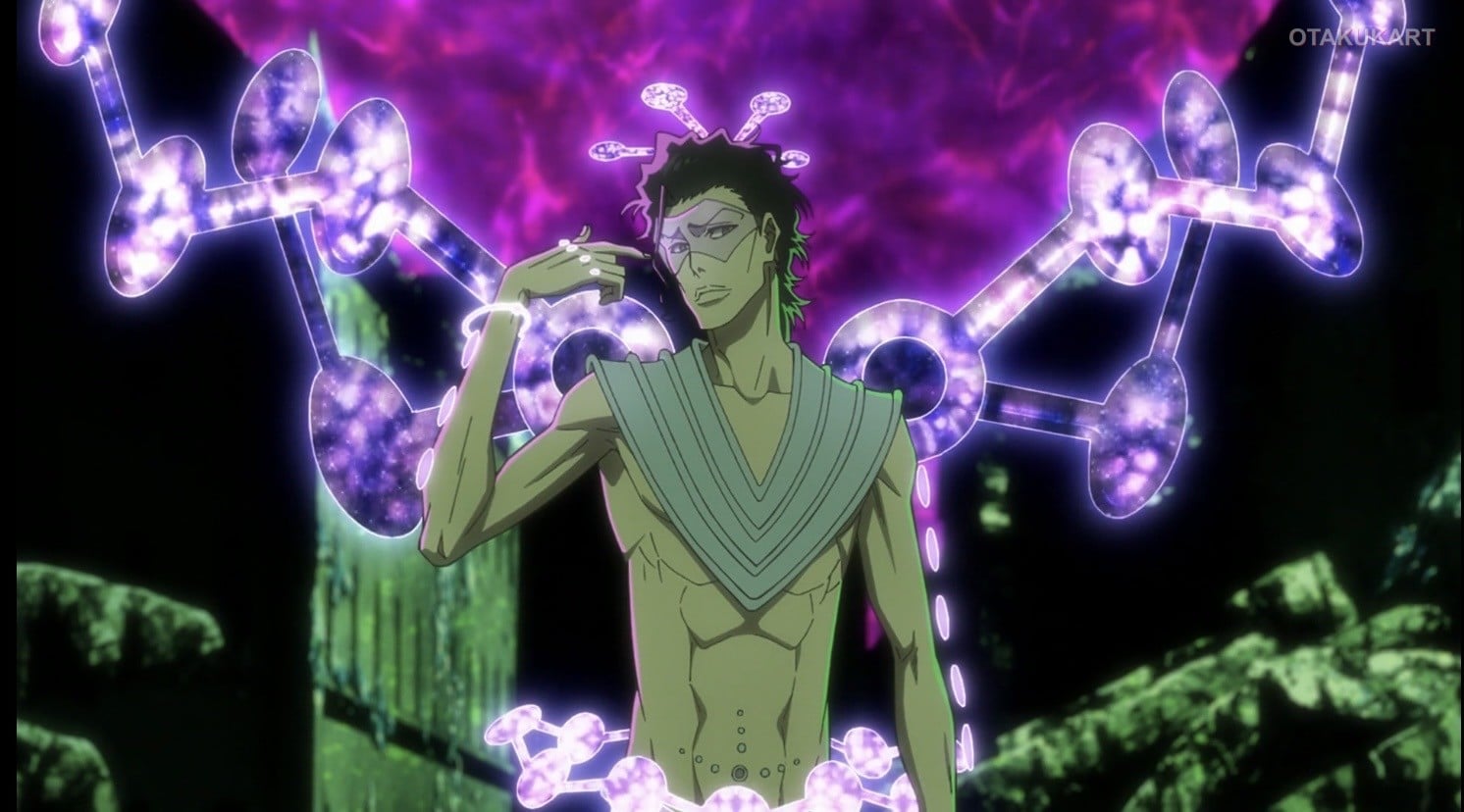
During Ichigo’s battle with Yhwach, Orihime uses Santen Kesshun to protect him from the Quincy King’s overwhelming attacks. Her shields repeatedly reject damage that would otherwise kill Ichigo as Yhwach’s power grows stronger. In Episode 45, Orihime activates all six Shun Shun Rikka and uses an ultimate rejection ability at the cost of her own soul. Her sacrifice gives Ichigo another chance to confront Yhwach while dramatically expanding Orihime’s role in the final battle.
Pierrot Films gives the final battles a darker visual style that matches the scale of the Quincy invasion. Bankai activations receive detailed effects, rapid movement, dramatic camera angles, and striking changes in color and lighting. Ichigo’s attacks against Yhwach are presented with large-scale destruction, while quieter character moments receive more restrained animation.
The background music also plays an important role during the final confrontations. Shiro Sagisu’s score combines orchestral arrangements, electronic elements, and recurring themes to build tension around Ichigo’s battles. Music becomes particularly important during Ichigo’s confrontation with Yhwach, where the score rises alongside the escalating attacks and transformations.