Superhero stories are usually linked to comic books and movies, but anime has its own take on heroes, powers, and villains. Some shows create worlds around superpowers, while others combine the superhero concept with science fiction, fantasy, or action. This gives anime a fresh way to explore what it means to be a hero.
The best superhero anime are not just about cool powers and big fights. They also follow ideas like responsibility, justice, friendship, personal growth, and the consequences of using power. These themes make the characters and their struggles more meaningful.
From hero teams and powerful battles to psychic abilities, monsters, and morally complex characters, these series offer different ways to tell superhero stories. Each one brings something unique to the genre while keeping the action exciting and the characters interesting. Together, they show how flexible the superhero genre can be in anime.
1. My Hero Academia Makes Being a Hero Feel Personal
In the world of My Hero Academia, having superpowers is part of everyday life. People with Quirks can train to become professional heroes. Villains use their powers to threaten society. Heroism feels like a real career in a world filled with superpowers.
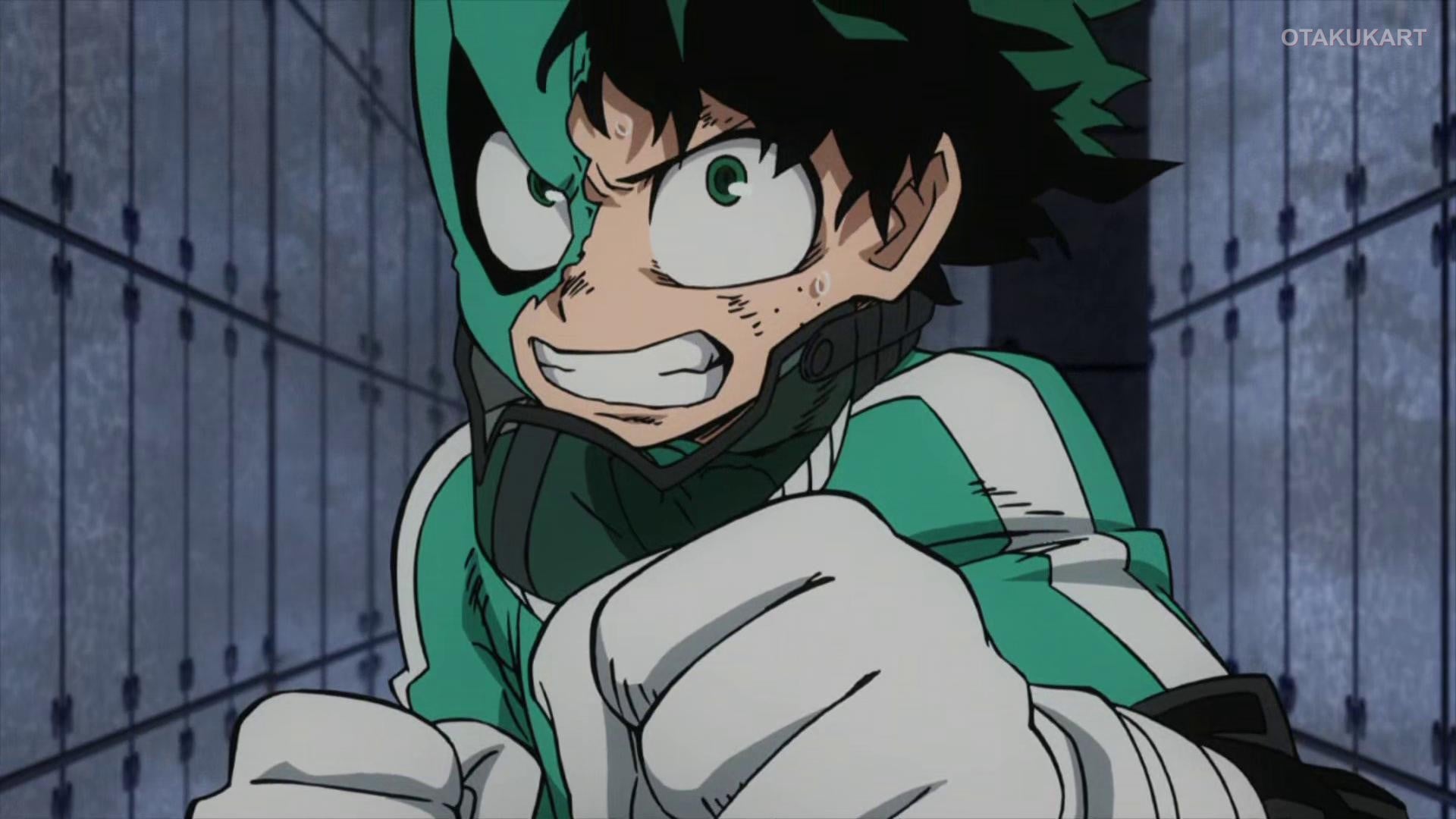
Izuku Midoriya starts at a disadvantage because he is born without a Quirk. Even so, he has always wanted to become a hero. Meeting All Might changes his future when the famous hero decides to pass his power to Midoriya. From there, Midoriya has to learn that becoming a hero involves more than simply having a powerful ability.
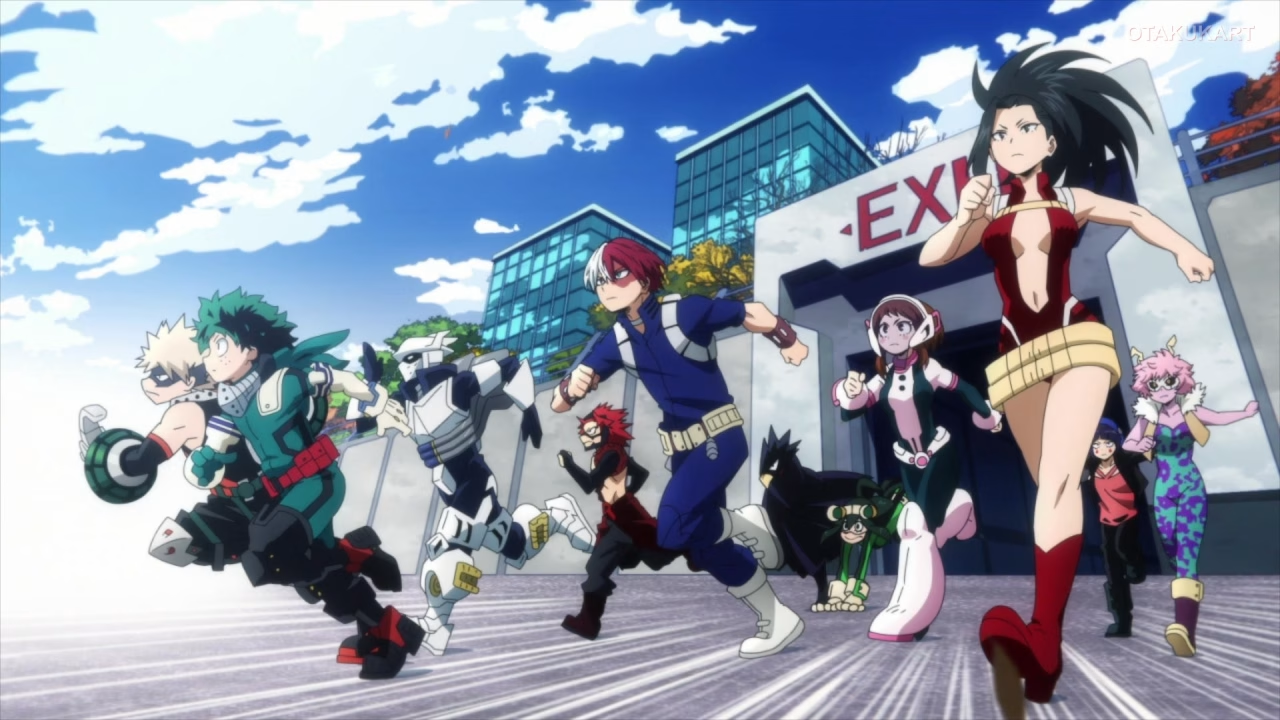
His classmates bring their own struggles to the narrative. Shoto Todoroki has to deal with the pressure created by his family, while Katsuki Bakugo’s confidence is partly driven by his fear of falling behind. Their personal problems affect how they approach training, competition, and the kind of heroes they want to become.
The Quirks also make the battles more interesting because characters cannot rely on raw strength alone. Every ability has advantages and weaknesses that need to be considered during a fight. Todoroki’s ice and fire are a good example because his powers are closely connected to his family history.
More than anything, the action fantasy anime is interested in the people behind the powers. Its battles provide plenty of excitement, but Midoriya and his classmates also have to figure out what kind of heroes they want to be. That personal side gives the superhero action more meaning. Its fights are exciting, but the plot also asks why people choose to become heroes.
2. One-Punch Man Turns Being Unbeatable Into a Problem
What would happen if winning every fight stopped being exciting? One-Punch Man explores that idea through Saitama, a hero who has become almost unbeatable. He can defeat most enemies with a single punch. Because of this, Saitama spends much of his time looking for a fight that can actually challenge him.
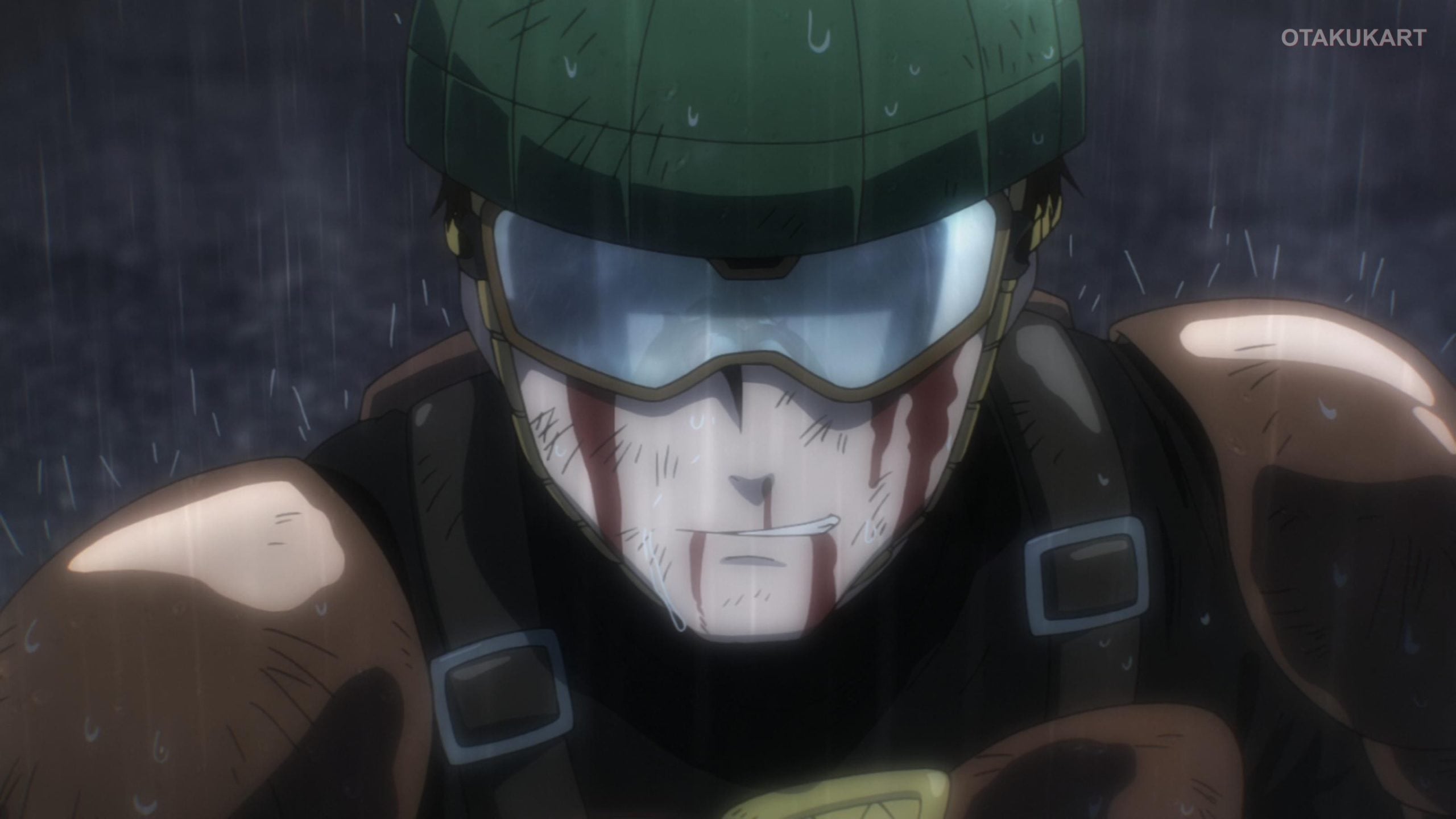
His biggest struggle is no longer becoming stronger. He is already strong enough. Instead, Saitama spends his time hoping to find an opponent who can give him the excitement he used to experience from fighting. His laid-back attitude makes this surprisingly funny because he treats incredible battles like minor inconveniences.
The Hero Association gives the series another way to look at superheroes. Heroes are ranked according to their abilities, achievements, and public reputation, so strength is not the only thing that determines how people are viewed. Genos, Bang, Tatsumaki, and Mumen Rider each show different reasons for becoming a hero.
This also gives the other characters room to carry the action. Unlike Saitama, they cannot end every fight with one punch. They have to depend on skill, teamwork, strategy, and determination when facing powerful enemies. Their struggles create tension that Saitama’s strength sometimes removes.
That contrast is where much of One-Punch Man’s comedy and action come together. Saitama has already reached the top, while everyone around him is still trying to prove themselves. The result is a superhero plot where being the strongest person in the room is not necessarily the most interesting problem to have.
3. Mob Psycho 100 Makes Emotional Growth the Real Superpower
Mob has powerful psychic abilities that could make anyone feel confident. Instead, Shigeo Kageyama is a quiet middle-school student who wants to live a normal life. He is more interested in understanding himself than showing off his powers.
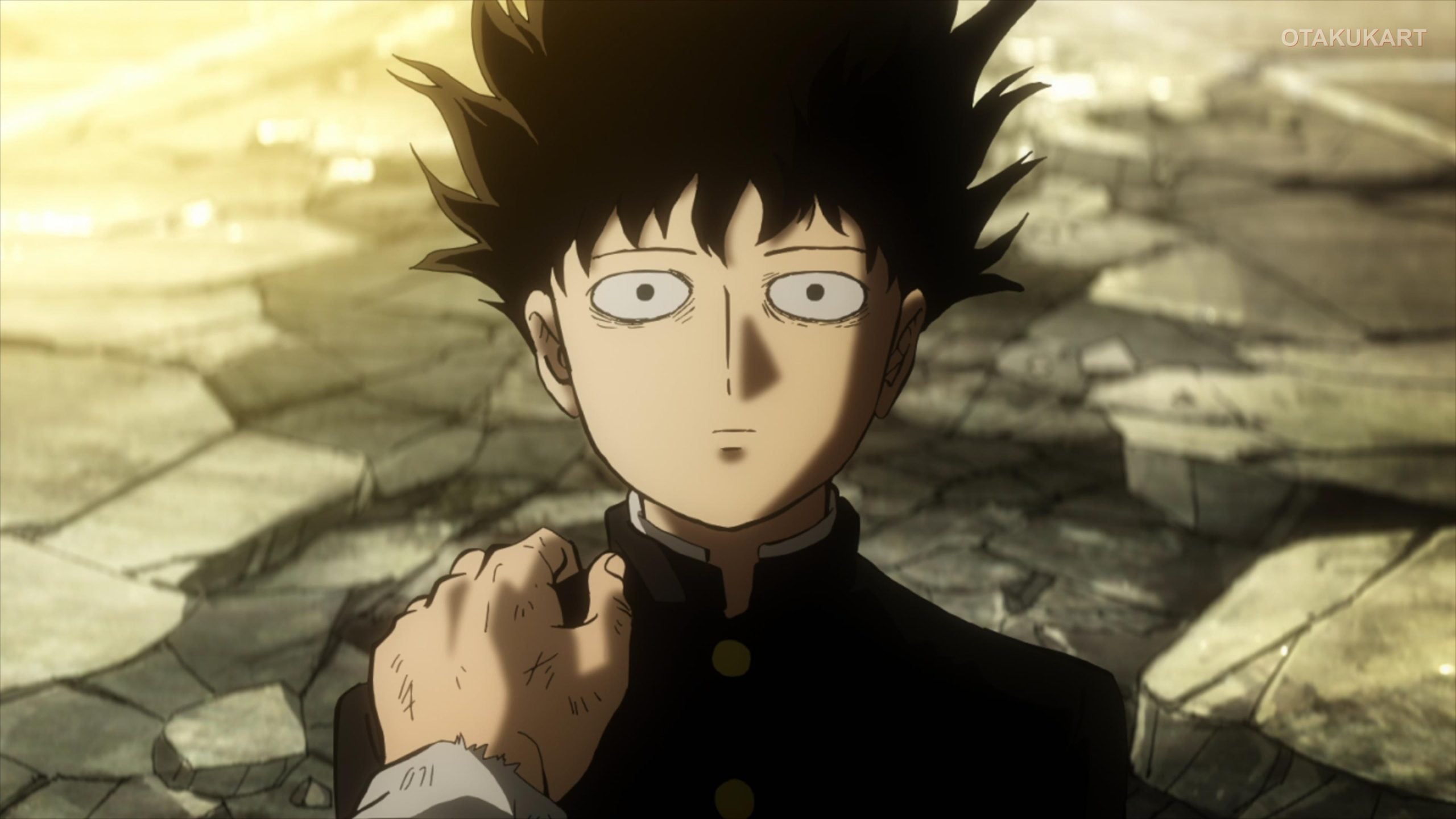
The problem is that keeping his emotions under control is not always easy. When Mob’s feelings become too strong, his psychic abilities can become difficult to contain. His emotions therefore affect more than his personal life. They can also determine what happens when he is pushed into a serious fight.
The people around Mob help him deal with those feelings. Reigen gives him guidance, while Ritsu and Teruki become important parts of his understanding of friendship, confidence, and responsibility. These relationships give Mob reasons to grow beyond becoming stronger.
When the action begins, the fights can be visually impressive and extremely powerful. However, the real tension usually comes from what Mob is feeling at the time. A confrontation can force him to face fear, anger, insecurity, or another problem that he has been trying to understand.
Mob’s biggest victories are often personal, not physical. He learns to control his emotions, build friendships, and become more confident in himself. Mob Psycho 100 uses his psychic powers to tell a relatable story about growing up and finding your place.
4. Tiger & Bunny Shows the Complicated Side of Being a Hero
Being a superhero sounds exciting until saving people becomes part of your job description. In Tiger & Bunny, heroes do not fight criminals and disappear afterward. Their battles are broadcast on HERO TV, where ratings, sponsors, and public attention can be just as important as the people they save.
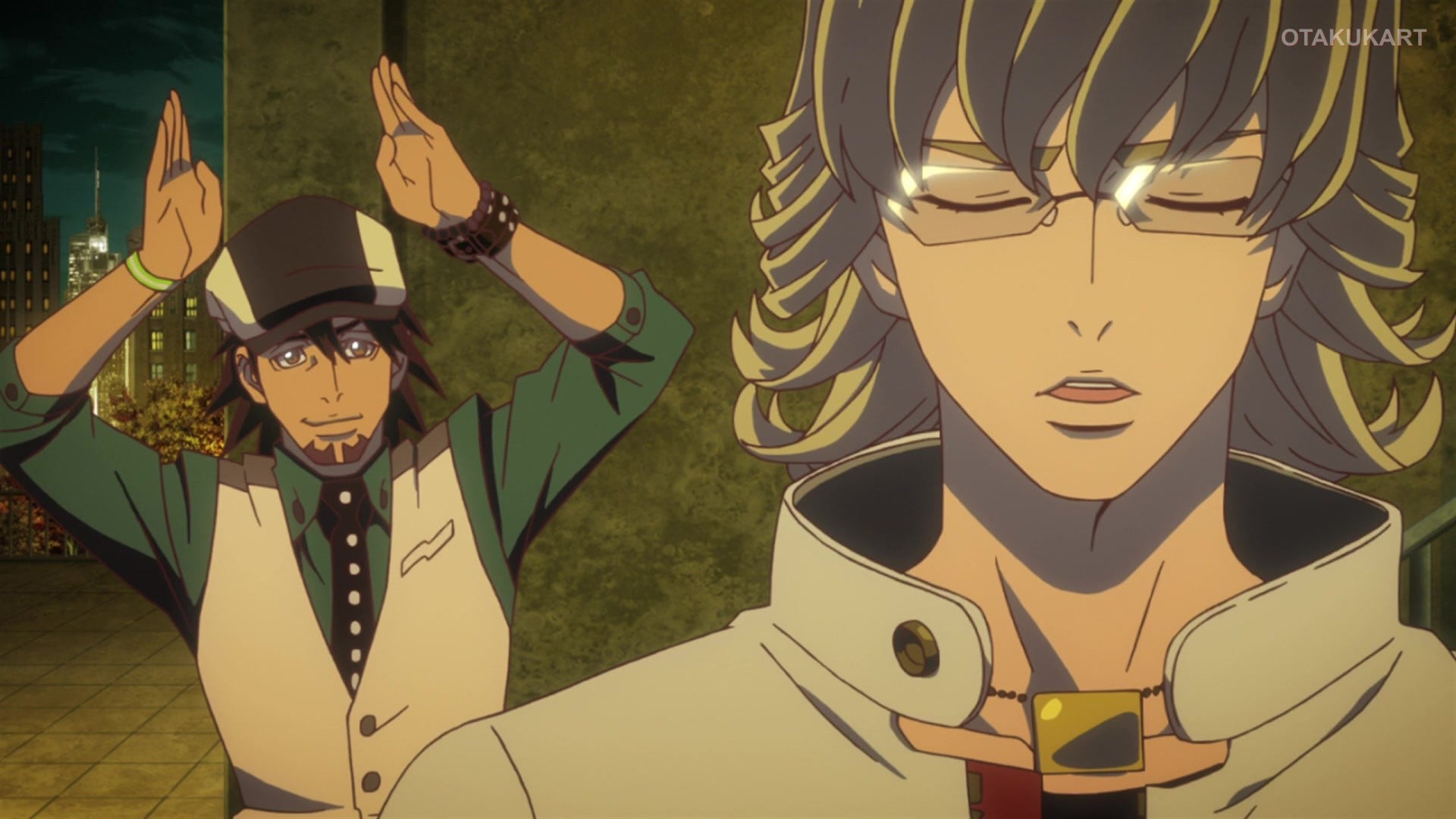
Kotetsu T. Kaburagi, known as Wild Tiger, is an experienced hero who relies heavily on his instincts. His new partner, Barnaby Brooks Jr., approaches hero work in a much more serious and professional way. Their personalities are almost complete opposites, which makes working together difficult at first.
The pressure of being famous adds another problem. Heroes have to think about how the public sees them while also doing their actual jobs. Sponsors and rankings can influence their careers, creating situations where doing the right thing and looking good on television are not always the same thing.
Kotetsu and Barnaby gradually learn to work with each other despite their differences. Their contrasting abilities and fighting styles make their battles more interesting. But their growing trust gives those fights more meaning.
Tiger & Bunny mixes superhero action with the pressure of having a regular job. The heroes have to deal with cameras, sponsors, money, and competition. Their public image can matter almost as much as their ability to save people. The anime shows how difficult hero work can become when it turns into a profession.
5. Samurai Flamenco Proves You Do Not Need Powers to Be a Hero
Masayoshi Hazama has none of the things you would normally expect from a superhero. He has no powers, special technology, or formal training. He is a model who decides that if someone needs help, he should be willing to step in.
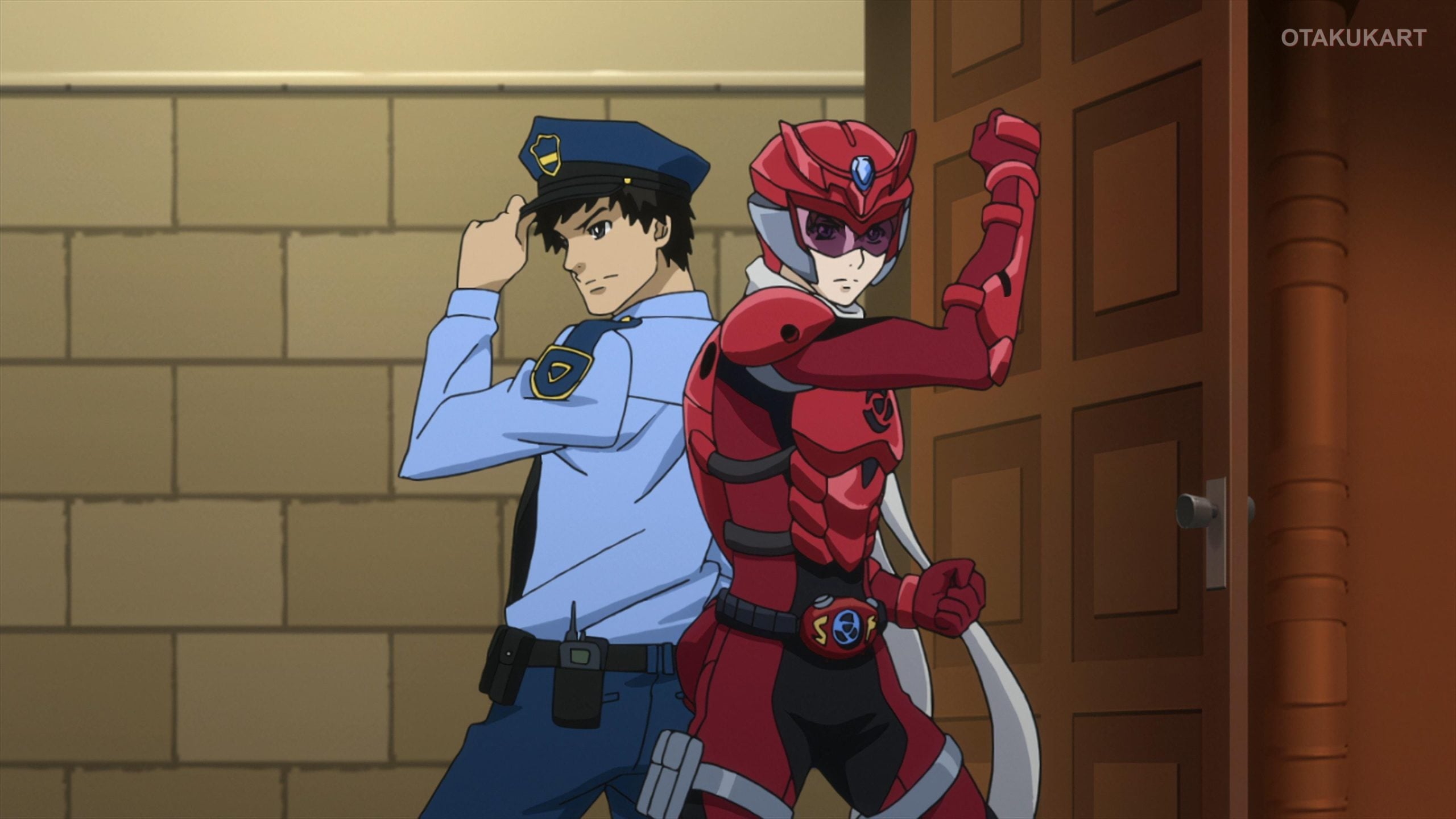
His unusual choice brings him into the life of police officer Hidenori Goto. Goto initially has trouble taking Masayoshi’s idea of being a hero seriously, but he gradually gets pulled into his strange attempts at fighting crime. Their friendship gives the narrative a grounded side while Masayoshi’s behavior keeps creating new problems.
New threats change the direction of the plot. Masayoshi and Goto soon face situations they never expected. The anime can shift from a funny scene to a serious conflict very quickly. This keeps their journey fresh and unpredictable.
Samurai Flamenco is difficult to predict because it does not follow one style. The premise moves between comedy, action, and serious moments. Each change brings something different to Masayoshi and Goto’s journey.
Masayoshi believes that helping others is what makes someone a hero. He does not need superpowers or anyone’s permission to do what he considers is right. This gives Samurai Flamenco a sincere message about heroism.
6. Concrete Revolutio Gives Superhero Stories a Political Edge
In Concrete Revolutio, almost anything can exist in the same version of Japan. Aliens, robots, magical girls, ghosts, and superhumans all live alongside ordinary people. The Superhuman Bureau watches these extraordinary beings and deals with dangerous threats. The anime focuses less on battles between good and evil.
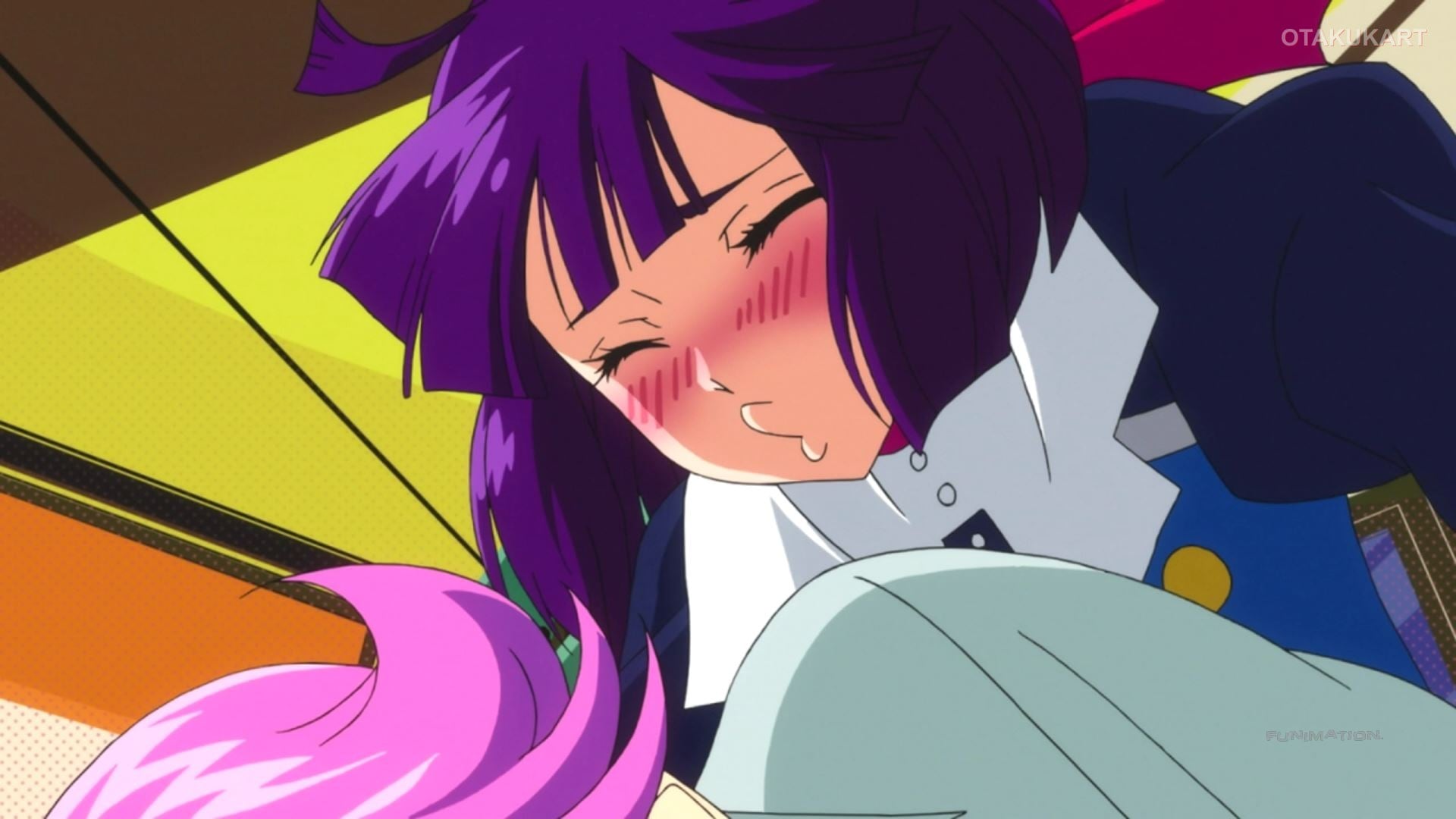
One reason the anime can feel challenging at first is its unusual timeline. Events are shown from different points in time, so crucial information is not always presented in the order it happened. Instead of giving you every answer immediately, the series expects you to connect the characters and events yourself.
Those mysteries eventually lead to bigger questions about society. The characters do not always agree about justice, freedom, or how superhumans should be treated. Their disagreements create conflicts that cannot always be solved by defeating an enemy.
The battles still provide plenty of spectacle. Superheroes, giant robots, aliens, magical abilities, and other unusual powers can all appear in the same fight. However, these confrontations often reflect the characters’ mindset and the larger issues surrounding them.
Unlike a straightforward superhero anime, Concrete Revolutio features colorful powers and large-scale battles. Beneath the action are ideas about politics, society, and the complicated meaning of justice. These themes add more depth to the conflicts. The result is a superhero experience that goes beyond hero-versus-villain battles.
7. Gatchaman Crowds Brings Superheroes Into the Social Media Era
Superheroes usually rely on their powers to protect people. Gatchaman Crowds takes a different approach by giving technology and ordinary people a bigger role. Social media allows people to share information and influence events quickly. The anime shows how online participation can become a powerful part of modern heroism.
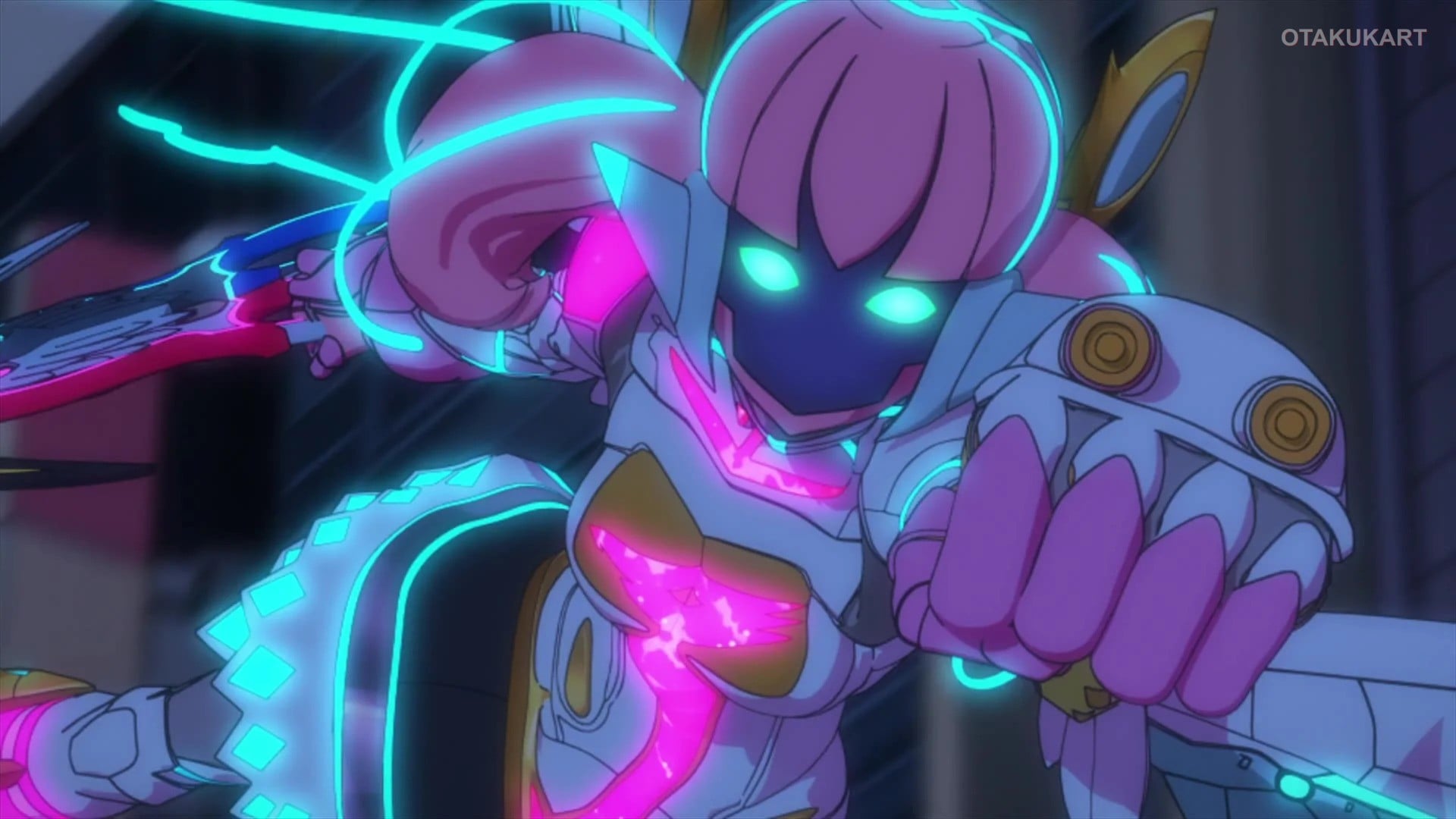
The classic Gatchaman concept gets a modern update in a world shaped by social media and constant online communication. The heroes still use special suits and powerful abilities to protect Earth. At the same time, information can spread quickly and influence events. This gives technology a major role alongside the heroes’ powers.
Hajime Ichinose brings a very different attitude to the team. She is energetic, curious, and willing to question the usual rules of hero work, instead of simply accepting the idea that superheroes should handle every problem.
That idea becomes essential when online information and public opinion start affecting events. Technology allows people to work together on a huge scale, but it can also create problems when information is misunderstood or used badly. The anime uses these situations to talk about how connected modern society has become.
The superhero action is still there, with colorful suits and energetic battles. These scenes support the larger ideas instead of being the whole focus. Gatchaman Crowds follows how technology and communication can change the way people protect others. It also shows how ordinary people can play a role in making a difference.
8. SSSS.GRIDMAN Mixes Giant Heroes With a Personal Mystery
Yuta Hibiki wakes up one day with no memory of his past. He has no idea who he is or why he lost his memories. Things become even stranger when he discovers Gridman through an old computer. Soon, Yuta learns that a dangerous threat is putting his city at risk.
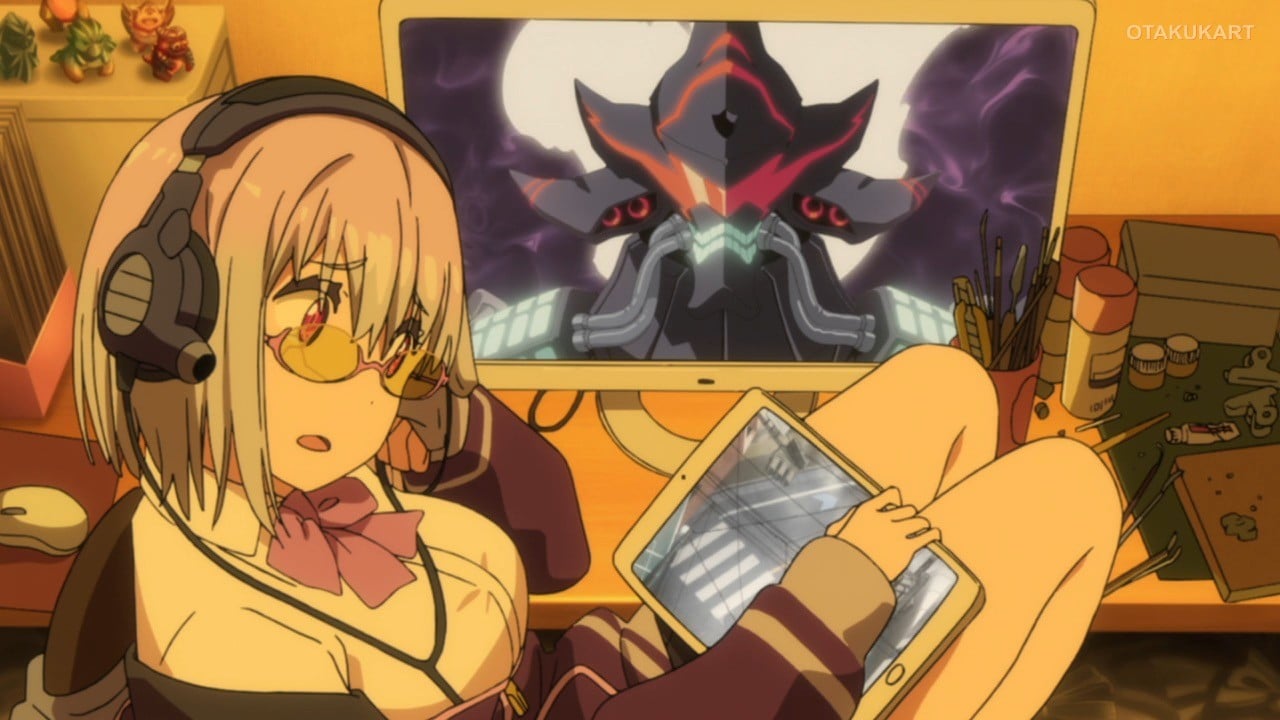
The giant-hero battles are a major part of the appeal. Yuta and his friends become involved in fights against dangerous kaiju attacking their city, giving the series plenty of large-scale action. Gridman’s battles bring the classic feel of Japanese giant-hero shows into a modern anime setting.
But the monster fights are only part of what is happening. Yuta and his friends begin noticing that their world does not seem completely normal. As they look for answers, Yuta’s missing memories become an increasingly major part of the mystery.
The investigation also gives the characters more time to understand each other. Their experiences bring them closer together, while each person has to deal with their own problems. The plot gradually moves beyond defeating the next monster.
SSSS.GRIDMAN balances giant-hero action with a more personal narrative. The battles against monsters bring plenty of excitement. At the same time, Yuta and his friends deal with questions about identity, friendship, and responsibility.
9. Zetman Takes a Darker Look at What Makes a Hero
Two people can both want to protect others and still have different ideas about being a hero. Zetman follows Jin Kanzaki and Kouga Amagi as they take different paths toward the same enemies. Jin relies on his mysterious powers, while Kouga uses advanced technology to fight crime. Their different approaches create tension between them as they face the same threats.
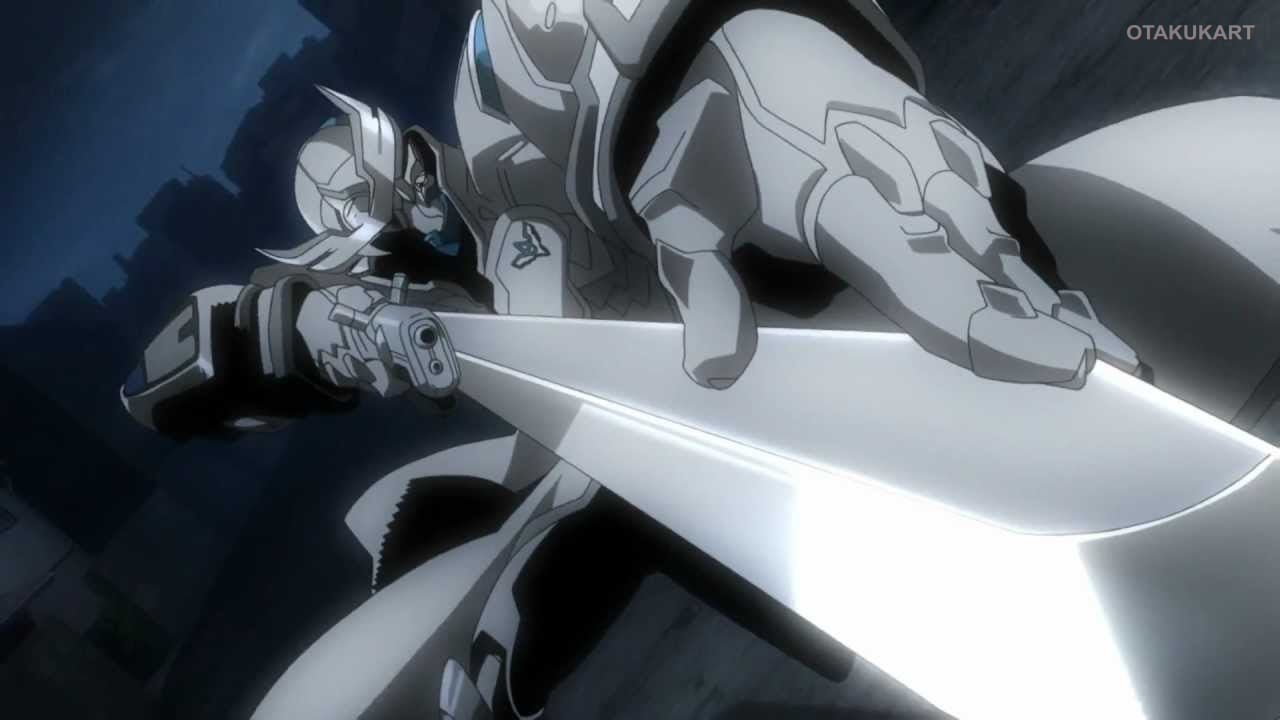
Jin can transform into the powerful ZET, while Kouga uses advanced technology to become the armored hero Alphas. Their abilities are different, but their biggest differences come from how they view justice. Jin is trying to understand his mysterious powers and what he is becoming, while Kouga wants to create his own idea of the perfect hero.
As their stories become more connected, their relationship grows more complicated. They may share the goal of protecting people, but their methods can put them on opposite sides of the same conflict. This turns their encounters into clashes between two different ideas of heroism rather than fights.
The darker side of the series makes those differences even more important. The plot deals with experimentation, exploitation, fear, and the consequences of having extraordinary power. Its battles can be violent and unsettling, reflecting the difficult situations the characters face.
Zetman has a darker tone than many superhero anime. The action is intense and often violent. Much of the tension comes from Jin and Kouga’s different ideas about justice. Their choices also force them to question how far they are willing to go to protect others.
10. Inuyashiki Shows How Power Can Change People
What would you do if you suddenly received incredible power? Inuyashiki Last Hero explores that question through two people who gain the same extraordinary abilities. One is an older man who wants to help others, while the other is a teenager who uses his power for himself. Their different choices show how power can bring out different sides of people
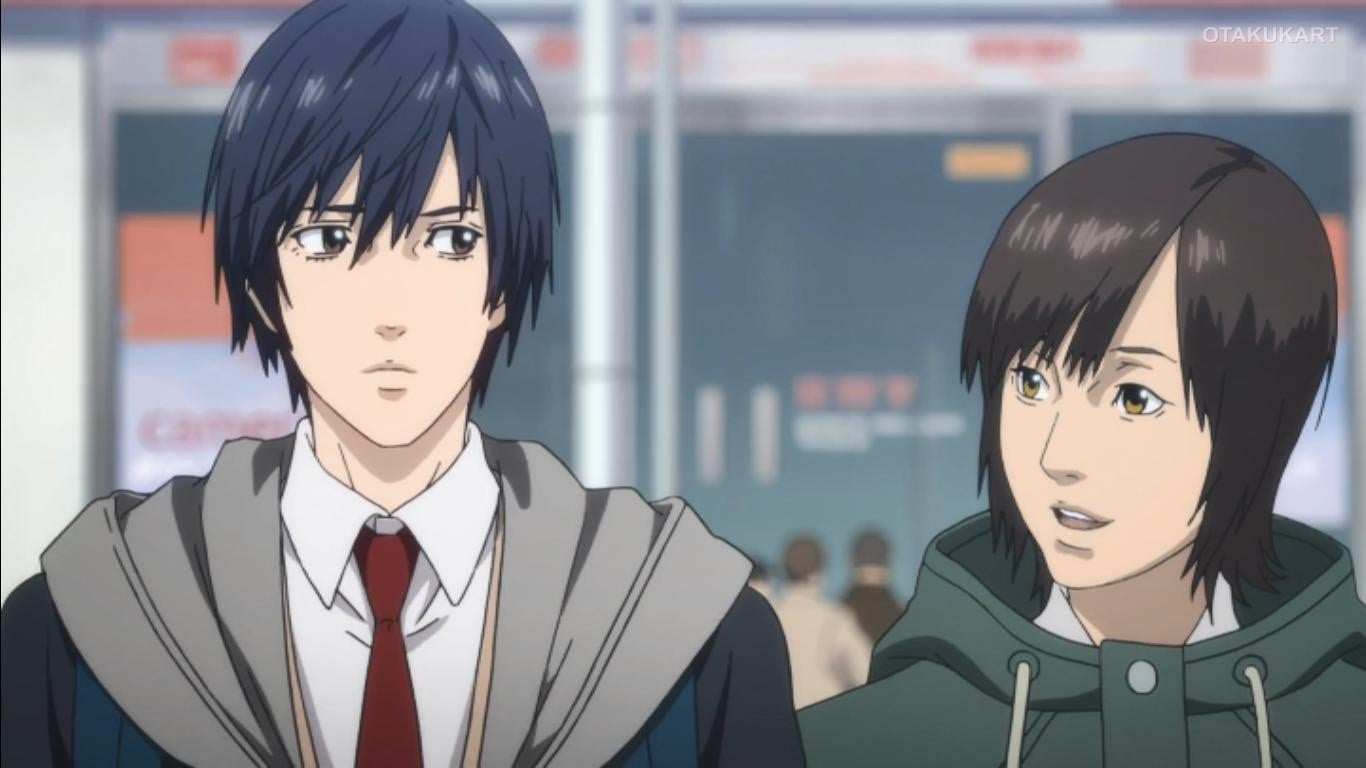
Ichiro Inuyashiki is an older man who often feels overlooked and disconnected from the people around him. After the mysterious incident gives him a powerful mechanical body, he finally has a way to make a difference. Instead of using his abilities for himself, he chooses to help people who are in danger.
Hiro Shishigami receives the same kind of power, but his response is different. He uses his abilities to follow his own desires and hurt others. His actions show how frightening that power can become when there are no limits on what someone is willing to do.
The contrast between the two gradually brings them into conflict. Their battles involve flight, powerful weapons, and large-scale destruction, but the real difference between them is not their strength. It is what they choose to do with it.
That moral contrast gives Inuyashiki its central appeal. Instead of asking who deserves to have superpowers, the plot asks what a person might do after receiving them. Inuyashiki and Hiro provide two very different answers.
11. Fire Force Gives Superhero Action a Fiery Twist
People suddenly catching fire would be frightening enough on its own. In Fire Force, those victims can become dangerous creatures called Infernals. Special Fire Force companies protect civilians while searching for answers about why this is happening.
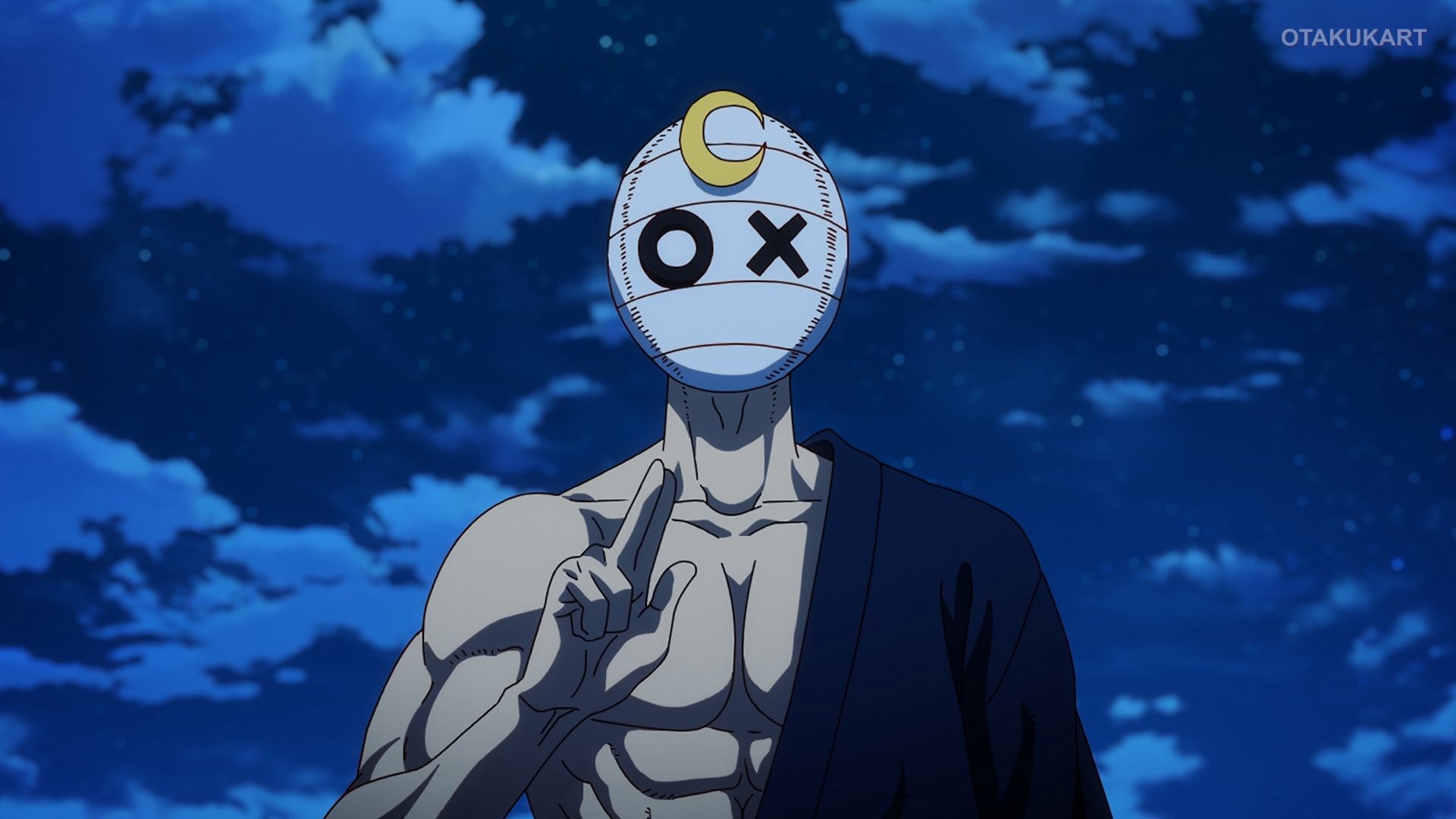
Shinra Kusakabe joins Company 8 with a personal goal. He wants to become a hero, and his ability to create flames from his feet gives him a distinctive way to fight. He can use his flames to move through the air.
The Fire Force teams also have their own ways of using flames. Arthur fights with a flame-powered sword, while Maki can control fire in ways that give her a more defensive role. These different abilities make the battles depend on movement, timing, and creativity rather than producing bigger flames.
But the Infernals are only the beginning of the narrative. As Shinra and Company 8 investigate the strange disasters, they uncover connections involving religion, science, conspiracies, and the origin of the phenomenon. Each discovery turns the world appear larger and gives Shinra more questions to answer.
12. Bungo Stray Dogs Turns Superpowers Into a Battle of Wits
Having a powerful ability does not always mean you will win a fight. Bungo Stray Dogs puts its supernatural characters in battles where strategy matters. Knowing how to use an ability at the right time can be more important than having the strongest power. This turns the fights more about skill, timing, and clever thinking.
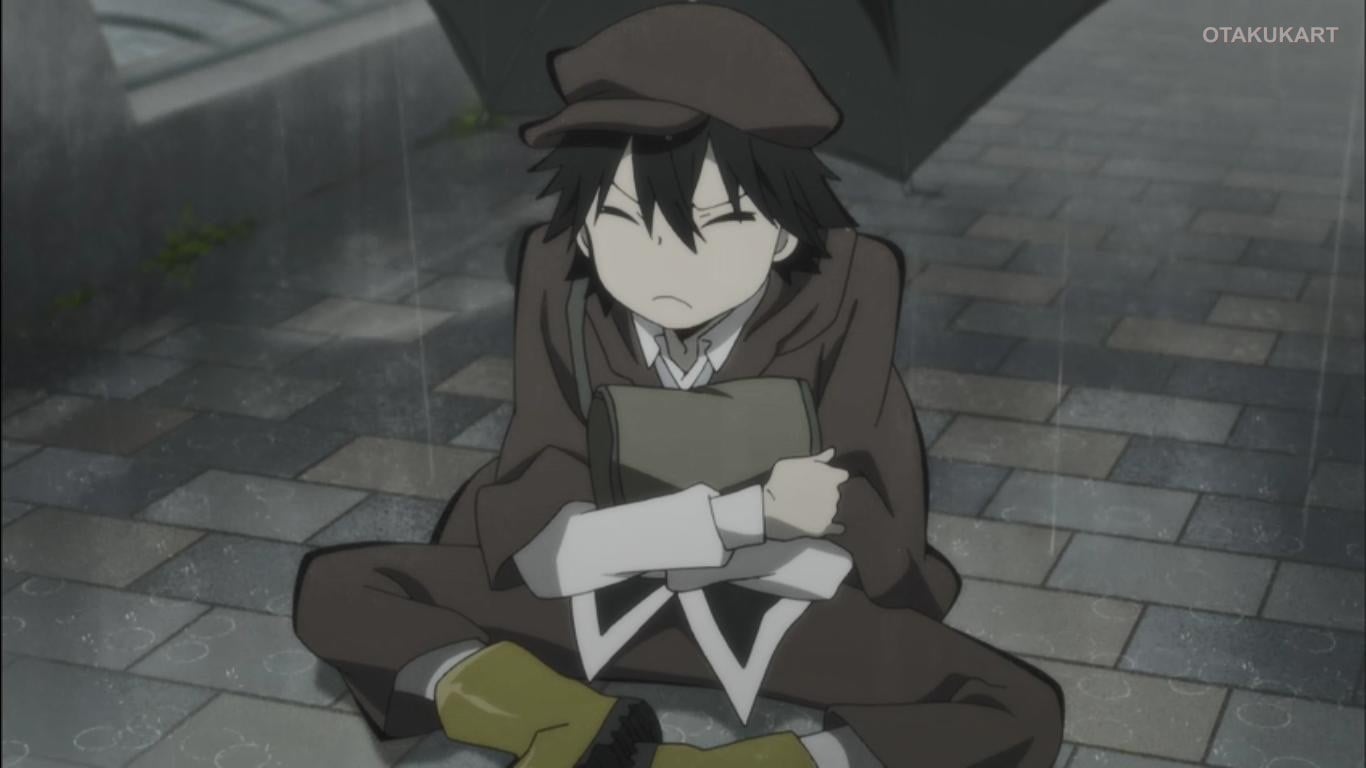
The Armed Detective Agency and other organizations all have their own goals and abilities. Their different interests often bring them into conflict with each other. Alliances can change quickly, forcing characters to work with people they once saw as enemies.
That creates battles that seem more like puzzles. Characters have to understand what their abilities can and cannot do, then look for clever ways to use those strengths. Timing, deception, teamwork, and careful planning can completely change the outcome of a fight.
The characters also give these conflicts a more personal side. Atsushi Nakajima, Osamu Dazai, and Ryunosuke Akutagawa each have their own histories and motivations. Their relationships continue to shift as different groups come into conflict.
This combination of supernatural powers and strategy is what gives Bungo Stray Dogs its appeal. A character does not necessarily need the most powerful ability to gain the advantage. Sometimes, understanding the situation and using the right ability at the right moment matters more.
13. Blood Blockade Battlefront Turns an Entire City Into a Superpowered Battlefield
Hellsalem’s Lot is not the kind of city where a normal day stays normal for long. Once known as New York, it was transformed after a strange connection to another dimension opened there. Humans and supernatural beings now live side by side, and unusual threats can appear without warning.
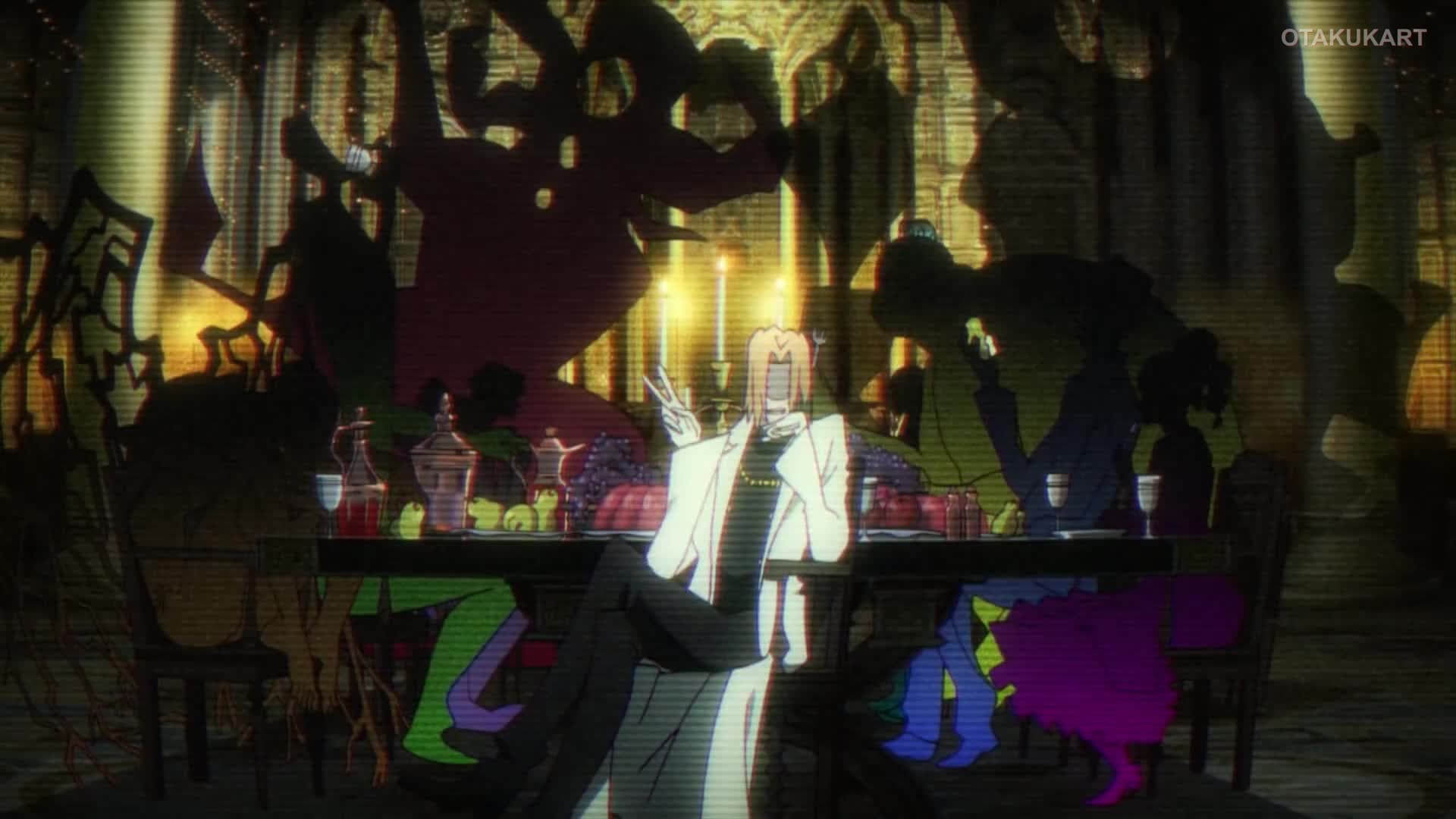
Leonardo Watch arrives in the city and eventually joins Libra, a secret organization that works to keep its problems under control. Leo is not the strongest fighter in the group, but his special ability and sharp observation skills make him useful when situations become complicated.
The rest of Libra brings a very different set of skills. Klaus relies on his physical strength, Zapp uses speed and specialized techniques, and Leo often helps by working out what is really happening. Their differences mean that working together is often more useful than simply having the strongest fighter.
That variety also makes the city’s conflicts unpredictable. Vampires, supernatural criminals, strange weapons, and threats from other dimensions can all become part of the same story. Hellsalem’s Lot provides an endless supply of strange situations for Libra to deal with.
The result is a series where the setting is almost as important as the characters. Blood Blockade Battlefront uses its chaotic city to create fast, stylish action. While giving its ensemble plenty of room to show what makes each member different.
14. Gatchaman’s Classic Heroic Spirit Still Works in Modern Anime
Before superhero anime became filled with different power systems and modern twists, Gatchaman was already showing how Japanese animation could create its own kind of hero story. The series introduced a team of heroes with different skills and personalities. Their teamwork helped make their battles feel different from those of a single superhero.
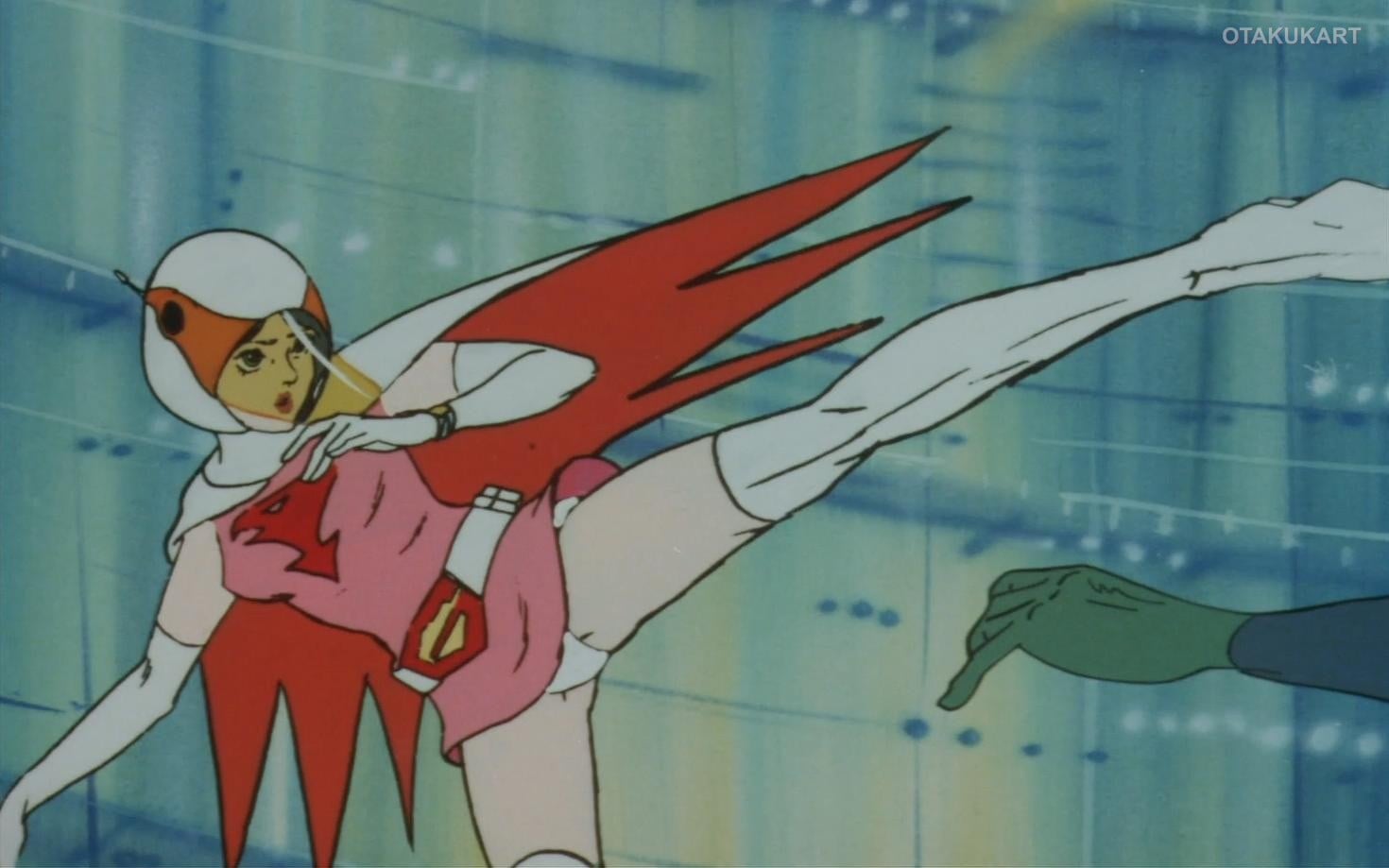
The series centers on a team of specialized heroes who protect Earth with advanced combat suits and extraordinary abilities. Each member has a different skill that helps the team during dangerous missions. Their costumes and secret identities give them a strong superhero feel. Their teamwork and transformation sequences also helped shape the style of later superhero stories.
What makes Gatchaman important is how these ideas became part of Japanese animation instead of simply copying Western comic styles. The heroes work together against dangerous enemies and rely on specialized equipment. Their conflicts also involve more than simply defeating a villain.
That team-based approach also gives each hero a distinct role. Their suits and abilities make the group visually different from ordinary action characters. Their teamwork makes the battles feel bigger than a single hero fighting alone.
The franchise’s later evolution shows how flexible that foundation can be. Gatchaman Crowds brings the concept into a world shaped by social networks and collective action. This shows how ideas about heroism can change as society changes.
For viewers interested in the roots of superhero anime, Gatchaman is worth knowing. It features classic heroes, specialized suits, teamwork, and larger-than-life conflicts. The anime helped establish ideas that continue to appear in Japanese superhero stories today.
15. The Reflection Brings Comic-Book Ideas Directly Into Anime
The connection between anime and Western superhero stories is especially clear in The Reflection. Created by Stan Lee and anime director Hiroshi Nagahama, the series brings together two different storytelling traditions. Lee’s involvement gives it a clear link to the world of American superheroes. Nagahama’s direction adds a distinct Japanese anime perspective to the concept.
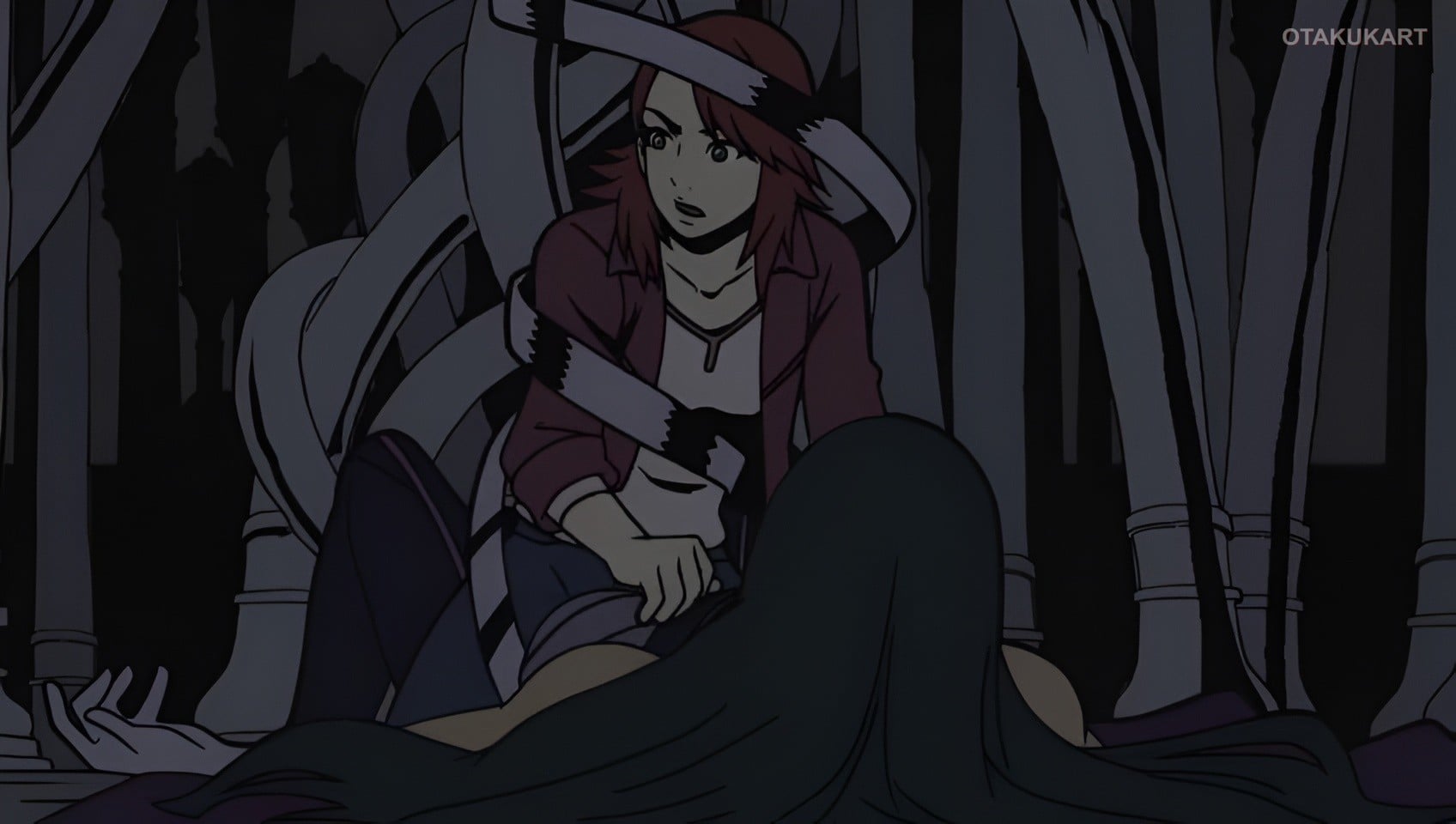
The story begins after a mysterious event gives people around the world extraordinary abilities. Many people suddenly find themselves with powers they never had before. The world must figure out how to respond to these changes. More importantly, the series explores what people choose to do with their newfound abilities.
The anime uses many familiar superhero ideas. Heroes and villains have unusual abilities, secret identities, and different reasons for using their powers. The arrival of these superpowered people also changes how the wider world responds to them.
Its visual style strengthens that connection even further. The characters and scenes borrow elements from traditional comic books. The animation then adapts those ideas through a distinctly Japanese visual approach. This combination gives the series a style that feels different from both typical anime and Western superhero stories.
That creative combination gives The Reflection a distinct identity. Stan Lee connects the series to the long tradition of American superhero stories. Hiroshi Nagahama brings a Japanese anime perspective to the project. Together, their different influences create a superhero series with a style of its own.