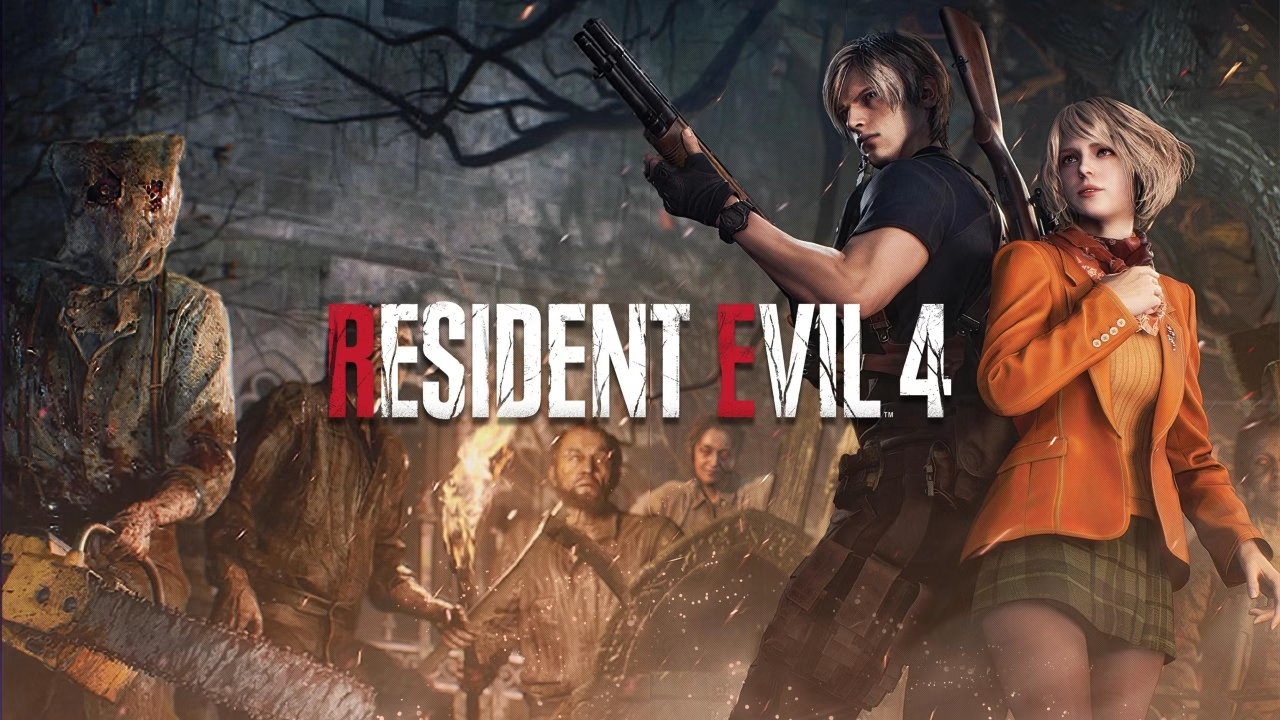
Capcom has shed new light on its long-term strategy for the Resident Evil franchise, explaining why the company continues to prioritize remakes while releasing fewer spin-off titles.
According to producer Masachika Kawata, the remake strategy allows Capcom to deliver Resident Evil content regularly while allowing development teams to refine their skills.
In an interview published by Game Informer, Kawata discussed the reasoning behind the company’s release schedule. His comments come as Resident Evil continues to enjoy one of its strongest periods, with recent mainline entries and remakes receiving widespread critical and commercial success.
Capcom says remakes keep Resident Evil on a consistent release cycle
Kawata explained that developing a brand-new Resident Evil game every year would be extremely challenging, making remakes an important part of the franchise’s roadmap.
“One of the reasons for creating remakes is producing a new entry in the Resident Evil series every year would be quite an undertaking,”
Kawata said.
“Being able to revisit older games and remake them helps Capcom meet that goal of releasing a Resident Evil title each year, but it also allows the team to continually challenge themselves and hone their craft.”
He emphasized that Capcom does not view remakes as secondary projects. Instead, they are just as significant as new numbered installments because they help sustain the series while generating resources that support future games and even original IPs such as Pragmata.
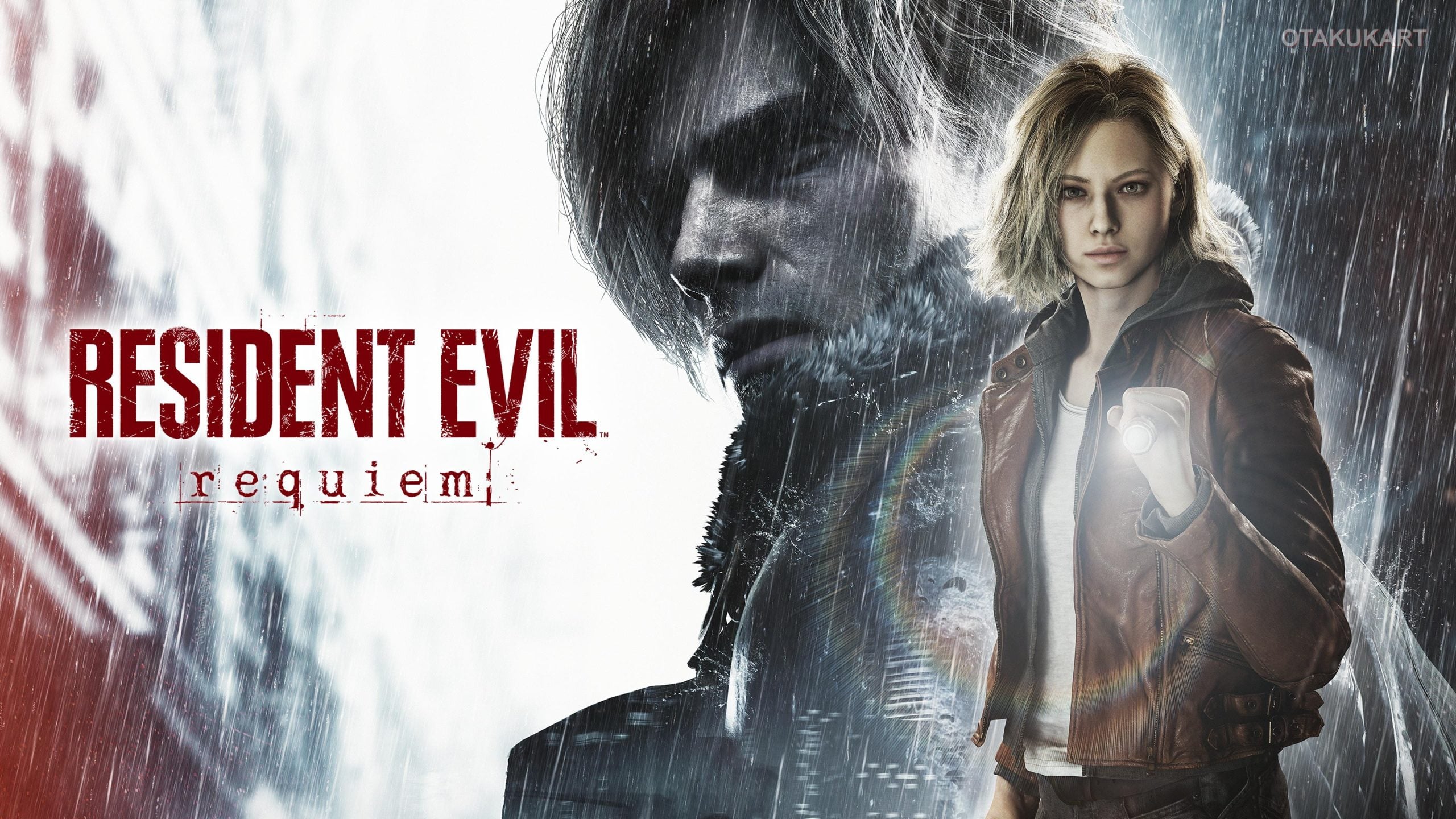
While many fans have requested more spin-off games, Kawata admitted that the studio’s current development resources are fully committed to major Resident Evil projects.
“Honestly, the team is giving everything it has right now, working on things like our new entries like Requiem or remakes,”
he explained.
“We are so focused on pouring our energy into that, I don’t think there’s a whole lot left right now for a spinoff.”
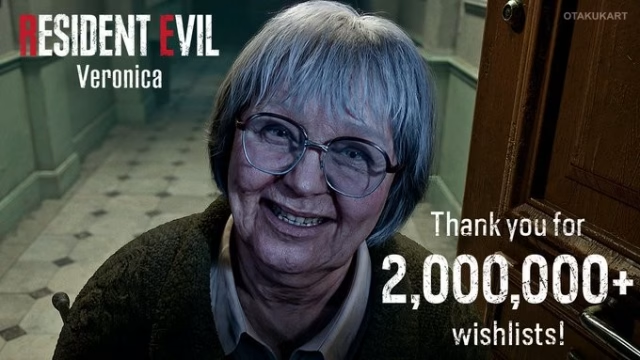
Capcom recently released Resident Evil Requiem, while Resident Evil Veronica, a full remake of the classic title, is planned for a 2027 release. With multiple large-scale projects already underway, Kawata’s comments suggest the publisher intends to continue balancing new entries and remakes before expanding into additional spin-off experiences.
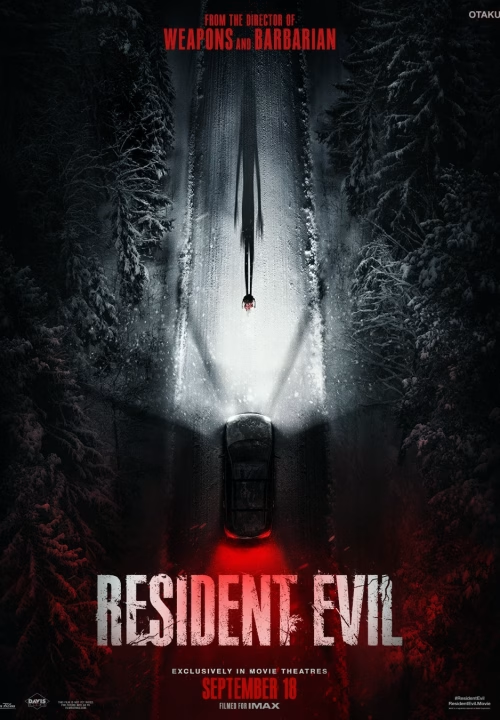
| Release Date | September 18, 2026 |
|---|---|
| Studio | Columbia Pictures, Constantin Film, TriStar Pictures |
| Director | Zach Cregger |
| Writer(s) | Zach Cregger, Shay Hatten |