The world of anime is not limited to action, animation, and adventure, with thrillers offering stories built around mystery, danger, fear, and suspense. Over the past 15 years, the genre has moved beyond simple murder mysteries to explore survival games, supernatural threats, science fiction, crime, political conspiracies, and intense mind games.
Some anime create tension through hidden clues and strange events, while others place their characters in situations where one wrong choice can have serious consequences. Many also blend thriller elements with horror, action, and drama, making their stories harder to predict and more emotionally intense.
A strong thriller anime keeps viewers interested by placing its characters in dangerous situations where every decision can change the outcome. Mysteries become more effective when clues are revealed at the right time, while sudden twists can change how earlier events are understood. Characters also matter because fear, mistrust, guilt, and difficult choices make the danger feel more personal. Whether the story follows a murder investigation, a survival challenge, or a hidden supernatural threat, these elements work together to create lasting suspense.
15. Oshi no Ko Turns the Entertainment Industry Into a Mystery
Oshi no Ko seems like an idol anime because it focuses on music, fame, performances, and young entertainers. However, Ai Hoshino’s murder introduces a darker mystery beneath its colorful entertainment setting. Aqua’s search for her killer adds crime, danger, and suspense to the glamorous idol world, giving his journey a clear goal and constant tension.
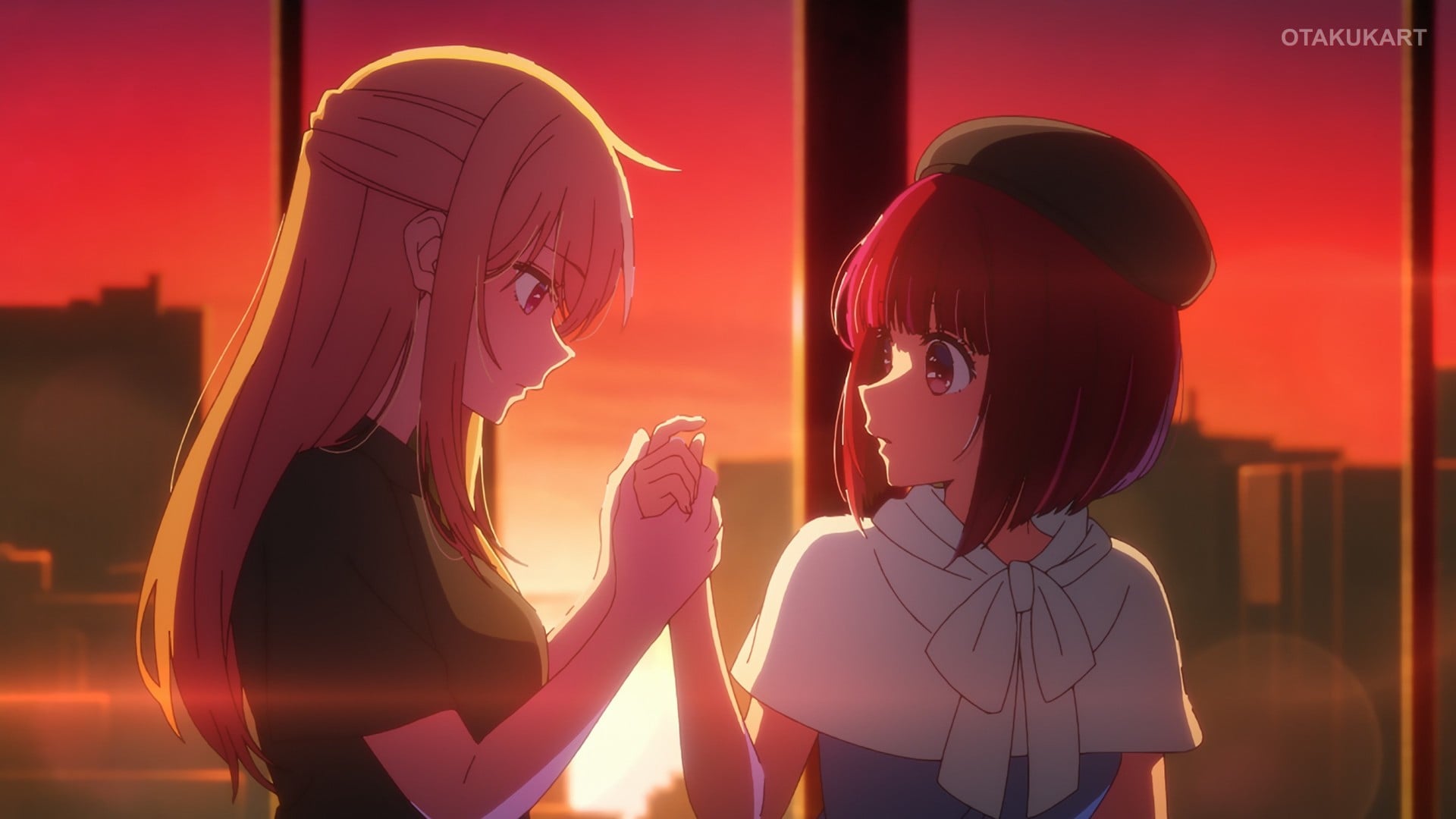
Ai Hoshino’s murder gives Aqua a personal mission that shapes his actions throughout the story. He enters the entertainment industry while secretly searching for the person responsible for his mother’s death. His investigation leads him toward hidden connections involving Ai’s career, relationships, and the people around her. Every new clue brings Aqua closer to the truth while raising fresh questions about who can be trusted.
Oshi no Ko builds suspense through Aqua’s investigation, hidden identities, personal conflicts, and revelations surrounding Ai’s murder. The anime also explores idol culture, acting, family relationships, ambition, and the pressure placed on young performers. These storylines reduce the constant tension found in dedicated thrillers, but they give the mystery stronger emotional stakes.
14. Heavenly Delusion Makes Every Discovery Feel Dangerous (2023)
Heavenly Delusion creates thriller tension by making the world’s true nature unclear to both its characters and viewers. The anime withholds explanations about the monsters, the facility, and the strange events surrounding Maru and Kiruko. Discoveries often change what earlier scenes seemed to mean, making familiar places and characters harder to understand. This steady uncertainty keeps viewers searching for answers while making each discovery feel more dangerous than the last.
The mystery develops through small pieces of information. Strange creatures, unusual symbols, missing details, and confusing memories slowly reveal that something is wrong with this world. Each clue answers one question while introducing another mystery that demands attention. This approach keeps the story unpredictable without revealing its biggest secrets too quickly.
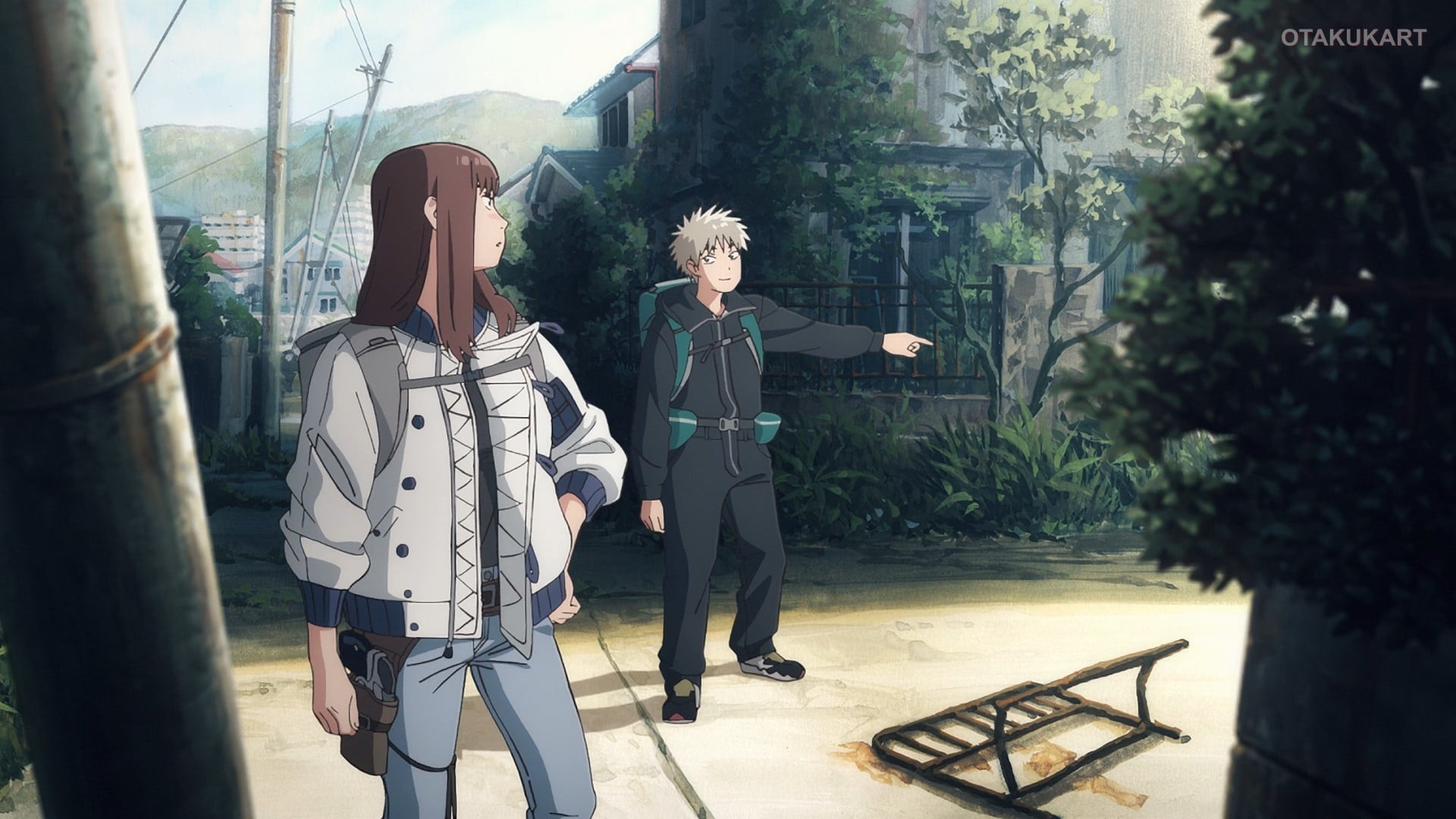
Maru and Kiruko travel through post-apocalyptic Japan while searching for a mysterious place called Heaven. Along the way, they face man-eating creatures, dangerous survivors, and abandoned facilities that hide disturbing secrets. Maru also carries a mysterious mark on his body, while Kiruko struggles with memories and questions about her own identity. Their journey gradually reveals connections between their experiences and the hidden truth behind the ruined world.
Inside Heaven, children live behind walls under strict teacher supervision, unaware that dangerous creatures exist beyond their sheltered world. Tokio and the other children receive unusual lessons while strange events slowly reveal disturbing truths about their home. The facility’s secrets connect to Maru and Kiruko’s journey, suggesting both stories are part of the same mystery.
Beautiful post-apocalyptic environments give Heavenly Delusion a striking visual identity, but they often hide serious dangers beneath their calm appearance. An empty road can suddenly become threatening, while a seemingly safe building may contain something deeply disturbing. Production I.G strengthens this effect through detailed backgrounds, careful direction, and sudden shifts in atmosphere. By turning both beautiful and ordinary places into potential sources of danger, the anime makes exploration itself feel like a thriller.
13. The Promised Neverland Makes Escape Into Psychological Warfare (2019)
Its first season stands out for turning the children’s plan into a tense battle of intelligence, deception, and careful planning. The later adaptation weakened that impact by rushing major manga storylines and leaving out important material. Still, the opening season remains effective because every conversation, discovery, and decision can affect the children’s chances of survival. That carefully controlled tension gives the series a lasting place among memorable psychological thrillers.
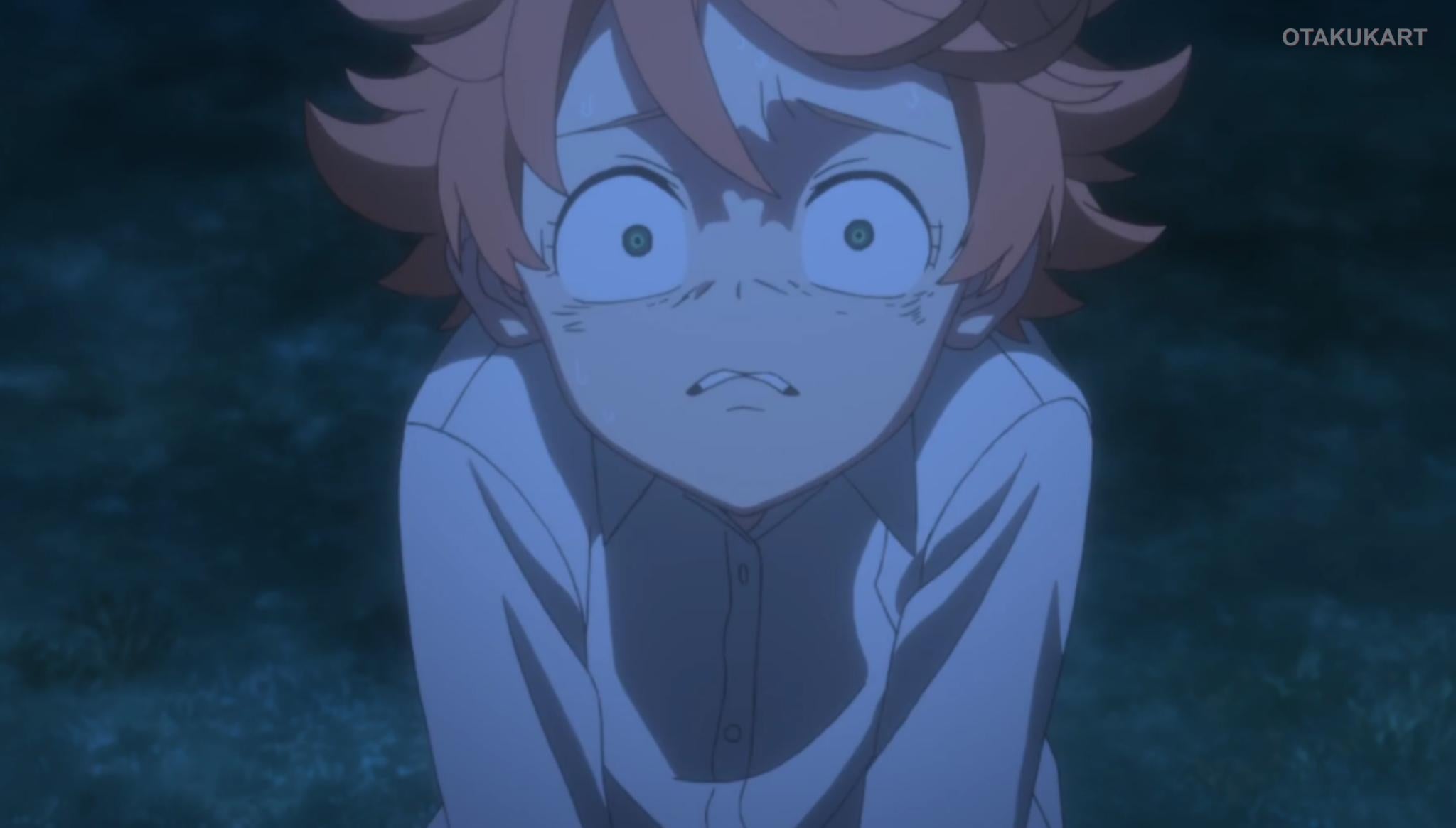
Grace Field House appears to be a safe orphanage where Emma, Norman, and the other children live happily under Isabella’s care. Their peaceful routine changes when Emma and Norman discover that adopted children are actually being sent to demons as food. They realize Isabella is secretly preparing children for shipment while monitoring their health, intelligence, and behavior.
The Promised Neverland has remained relevant enough to receive new attention from its original creators, with a new manga one-shot announced for August 24, 2026. That continued return to the franchise highlights the lasting appeal of its central ideas about survival, deception, and escaping a controlled system. The first season’s psychological tension remains its greatest strength, even though the anime’s later storytelling weakened the adaptation.
12. Parasyte: The Maxim Turns Body Horror Into an Existential Thriller (2014)
Alien parasites arrive on Earth and enter human bodies, taking control of their hosts and turning them into deadly predators. They can reshape their hosts’ flesh into weapons. Their ability to look human makes the threat especially disturbing, since anyone nearby could secretly be a parasite. This frightening premise gives Parasyte: The Maxim an immediate sense of danger that extends beyond physical attacks.
Shinichi Izumi stops a parasite from reaching his brain, but it takes control of his right hand instead. He names the parasite Migi and learns they must cooperate to survive attacks from other parasites. Migi uses its shapeshifting abilities to fight, while Shinichi provides the human body it needs to survive. Their partnership becomes complicated as Shinichi depends on Migi’s power while fearing what the parasite may do to him.
As Shinichi encounters more parasites, the story begins questioning whether humans are truly different from the creatures hunting them. The parasites kill people to survive, yet some humans also destroy other lives through selfishness, cruelty, and violence. Shinichi gradually realizes that being human involves more than having a human body or appearance. His changing emotions and behavior make him question how much of his humanity remains as he adapts to survive.
The series uses graphic transformations and brutal fights for its horror, but its suspense comes from more serious threats. Shinichi must constantly decide when to fight, whom to trust, and how much of Migi’s abilities he should accept. His physical transformation also creates uncertainty about whether becoming stronger will make him less compassionate.
Madhouse’s adaptation brings Hitoshi Iwaaki’s manga to life with unsettling creature designs, fluid action, and strong visual direction. The studio also preserves the story’s quieter moments, allowing conversations about morality, death, and human nature to carry as much weight as its violent encounters. That balance between disturbing horror, science fiction, action, and philosophical questions helped Parasyte: The Maxim leave a lasting mark on modern anime.
11. Re:Zero Makes Failure Itself a Source of Suspense (2016)
Subaru’s death becomes useful information because Return by Death sends him back after fatal events while preserving his memories. When Elsa kills him, Subaru learns that the mansion and its residents face a specific threat. After Rem’s death, he realizes the danger can come from someone he initially believed he could trust. Each failed timeline gives Subaru new evidence, helping him identify threats and change his next decisions.
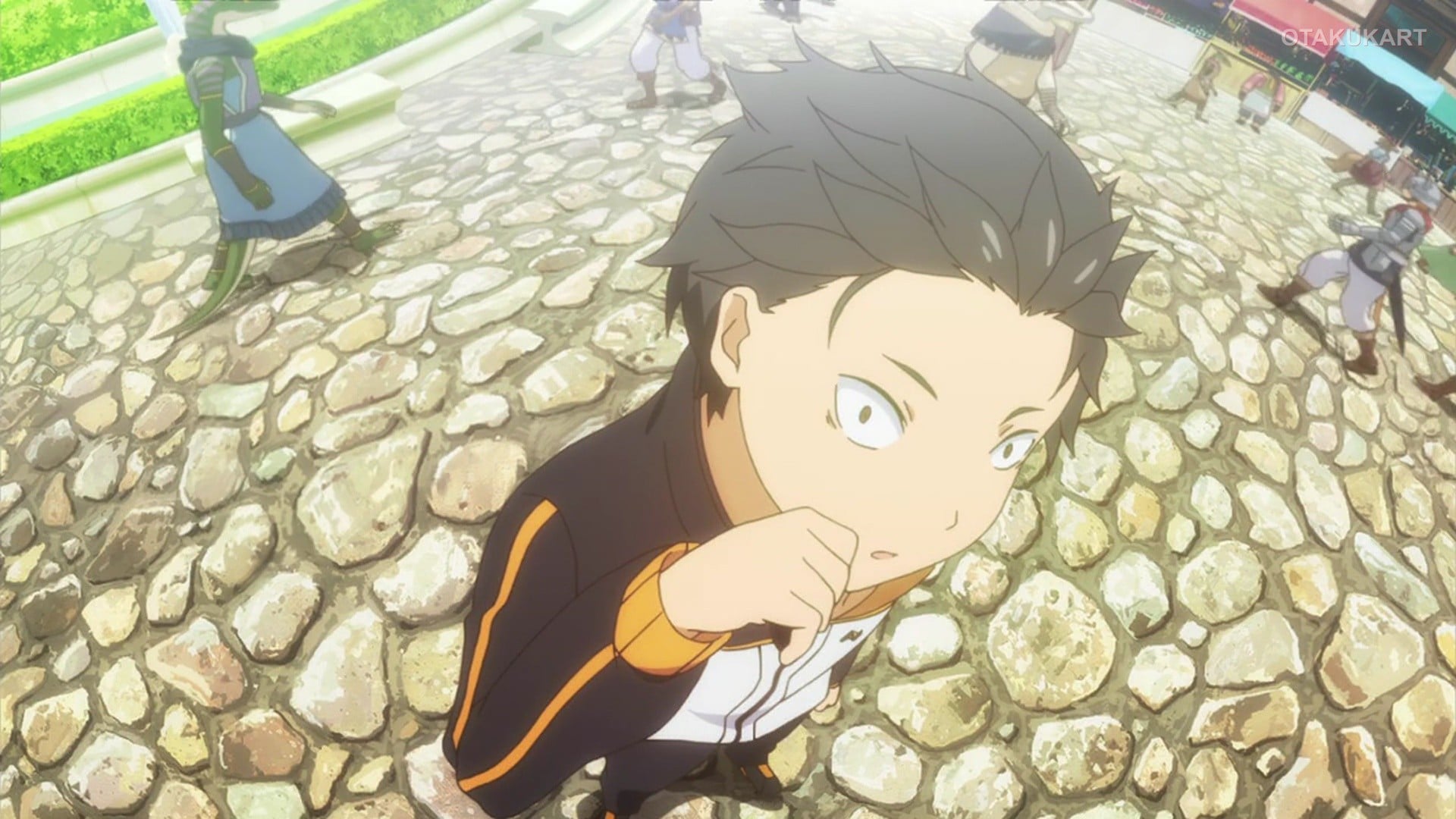
The ability also places an enormous psychological burden on Subaru because he alone remembers the deaths and suffering from previous timelines. He watches people he cares about die, experiences terrifying situations, and then returns to a point where everyone behaves normally. Subaru cannot freely explain his ability, leaving him isolated even when others are standing beside him. Carrying memories that nobody else shares makes each new attempt emotionally harder.
Re:Zero has a strong IMDb audience rating, showing that viewers have responded positively to its characters and unusual story structure. Subaru’s repeated deaths create tension, while his relationships with Emilia, Rem, and others add emotional weight to each timeline. The fantasy world also hides mysteries that Subaru must uncover across different loops, making earlier events important to later discoveries.
10. Pluto Proves a Murder Mystery Can Feel Epic (2023)
Pluto begins with Detective Gesicht investigating the murder of Mont Blanc, a famous Swiss robot, and the mystery slowly expands from there. As Gesicht examines evidence, another powerful robot, North No. 2, is also murdered, suggesting someone is targeting advanced robots. The investigation moves carefully between crime scenes, witness accounts, and the personal lives of the victims. This deliberate pace builds anticipation, making each clue and new murder feel increasingly important to the larger mystery.
The murders connect to the devastating 39th Central Asian War, revealing how past violence still shapes humans and robots. Robots such as Gesicht and Atom struggle with grief, memories, prejudice, and questions about whether artificial beings can truly feel emotions. These themes turn the investigation into a deeper story about how war and hatred can destroy lives long after battles end.
Each victim appears to have been deliberately targeted, with evidence suggesting the murders are connected rather than random attacks. Gesicht follows clues across different locations while trying to understand why these highly advanced robots have become targets. His investigation gradually points toward a larger threat connected to the world’s history and the powerful machines involved in it.
Pluto shares clear storytelling traits with Monster, as both works by Naoki Urasawa build suspense through crime, psychology, morality, and human conflict. Like Monster, Pluto gives its characters detailed motivations and uses slow reveals to show how past experiences influence present actions. The major difference is its science-fiction setting, where robot detectives and artificial intelligence replace the human-centered conflicts found in Monster.
9. Summertime Rendering Turns a Vacation Into a Survival Mystery (2022)
Each time Shinpei dies, he returns to an earlier moment with memories of events from the previous timeline. He compares deaths, conversations, and enemy movements to identify patterns hidden across different attempts. A detail that seems harmless in one loop can reveal a Shadow’s ability or help him save someone later.
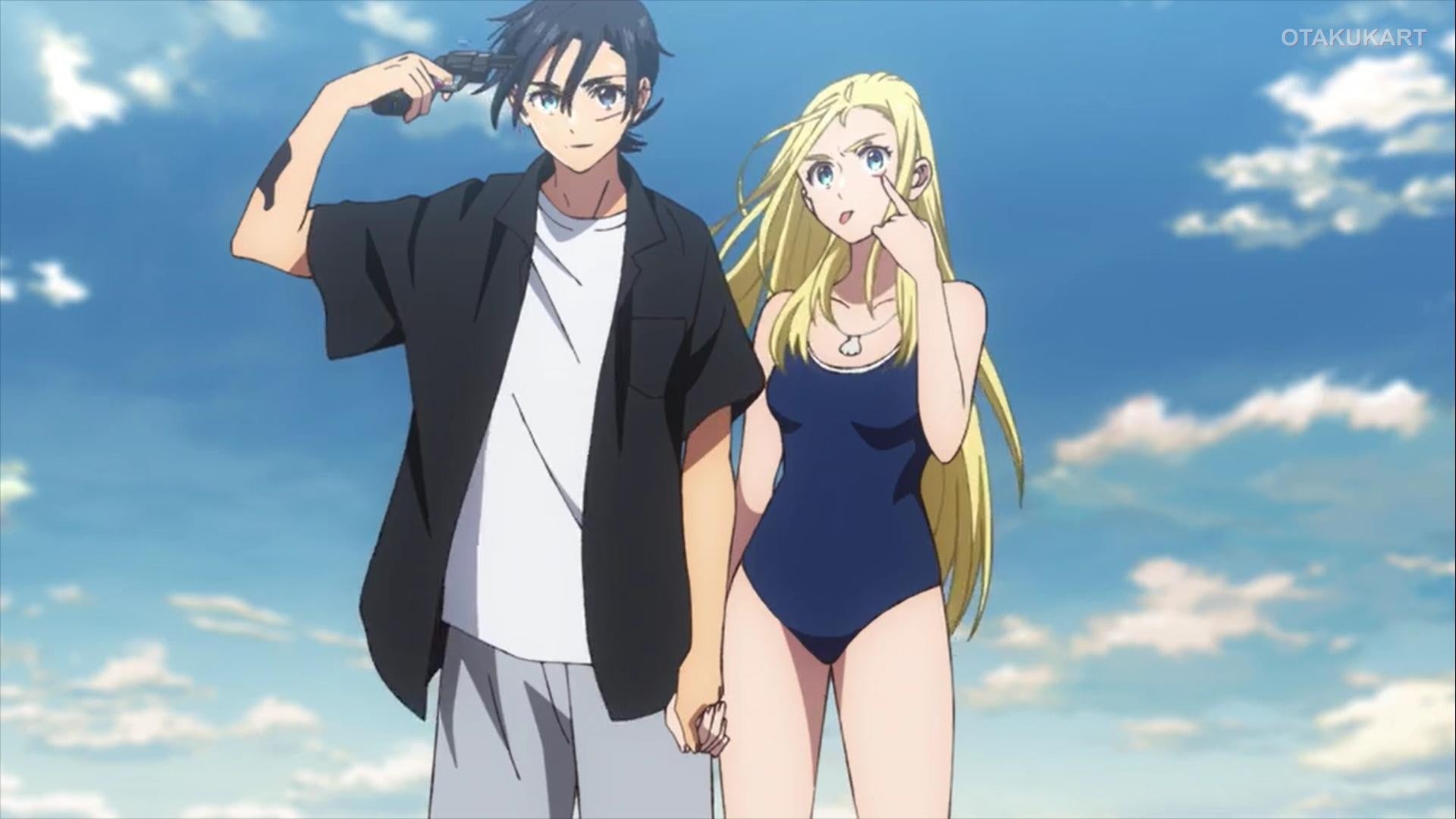
Shinpei Ajiro returns to his island hometown of Hitogashima after learning that his childhood friend Ushio Kofune has died. Her death initially appears to be an accidental drowning, but Shinpei notices details that make him question what really happened. He soon discovers evidence suggesting Ushio’s death may be connected to strange events affecting the island. His search for the truth becomes even more urgent after he gains the ability to return to earlier moments.
Knowing what happened before does not guarantee Shinpei a successful outcome, since changing one event can create another problem. He must protect his friends while working out which actions can prevent future deaths and which choices may make things worse. Failed attempts also carry emotional weight because Shinpei remembers losing people who have no memory of those events.
The island’s danger comes from mysterious entities called Shadows that can copy appearance and memories. Their ability to imitate familiar people makes it difficult for Shinpei and his allies to know whom they can trust. The Shadows are also connected to the strange deaths and disappearances occurring across Hitogashima. This hidden enemy turns ordinary encounters into potential threats.
8. Made in Abyss Hides Its Most Disturbing Secrets Beneath a Beautiful World
At the 2018 Crunchyroll Anime Awards, Made in Abyss won Anime of the Year after impressing viewers with its unusual world and emotional storytelling. The series also won Best Score, recognizing Kevin Penkin’s music for strengthening the beauty, mystery, and danger of the Abyss. Its success showed how effectively the series combined adventure, fantasy, horror, and emotional drama within one distinctive setting.
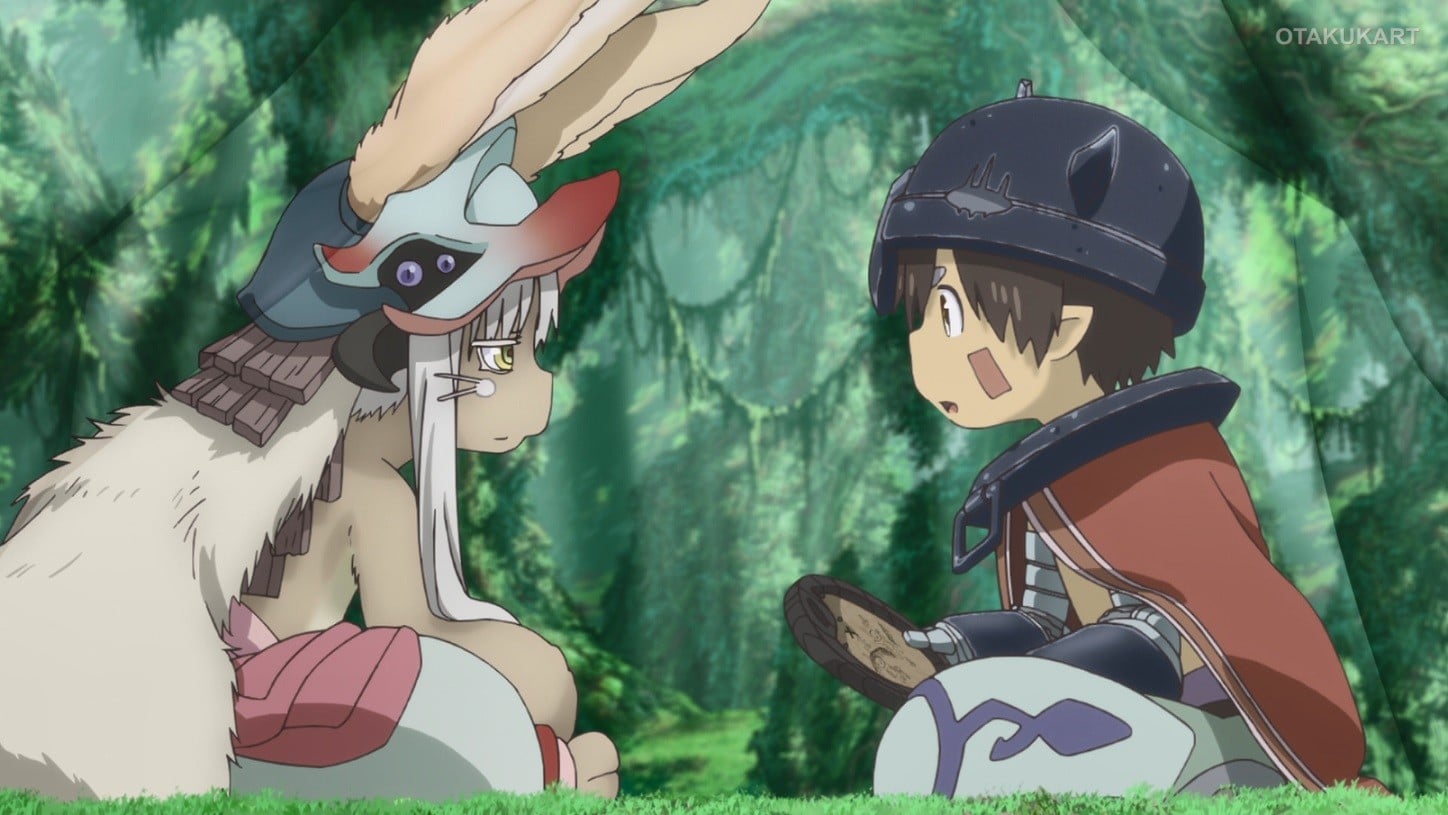
The Abyss is a vast underground chasm containing dangerous creatures, ancient relics, strange ecosystems, and unexplored depths. Riko, an aspiring cave raider, enters the Abyss after receiving a message suggesting her missing mother remains there.
She joins Reg, a mysterious robot-like boy who possesses powerful weapons but remembers nothing about his past. Together, they descend through deeper layers searching for Riko’s mother and uncovering the secrets surrounding Reg’s origins.
The Curse of the Abyss is a dangerous force that affects explorers when they try to climb back toward the surface. In deeper layers, returning upward can cause severe symptoms, including vomiting, bleeding, hallucinations, and painful physical changes. Riko and Reg must therefore plan every descent carefully, since reaching a deeper layer can make returning almost impossible.
Exploration becomes the main source of suspense because Riko and Reg rarely know what they will encounter in the next layer. A new creature may be harmless, territorial, or powerful enough to threaten their lives without warning. The environment itself can also create danger through unfamiliar terrain, limited resources, and the consequences of the Abyss’s strange rules.
The Abyss looks beautiful with its colorful worldview, unusual wildlife, and imaginative environments, creating a sharp contrast with the suffering found within it. Cute character designs make scenes involving injury, loss, and physical transformation feel even more disturbing. The series uses this contrast to make its dangers emotionally stronger rather than relying only on graphic imagery.
7. Erased Turns Childhood Memories Into a Murder Investigation (2016)
Erased received several major award nominations, including Anime of the Year, Hero of the Year, and Best Couple at the 2017 Crunchyroll Anime Awards. It won Villain of the Year for Gaku Yashiro, the teacher secretly responsible for the murders targeting children. The series also won Best Anime Series at the 2016 IGN Summer Movie Awards, highlighting its strong reception beyond the thriller genre.
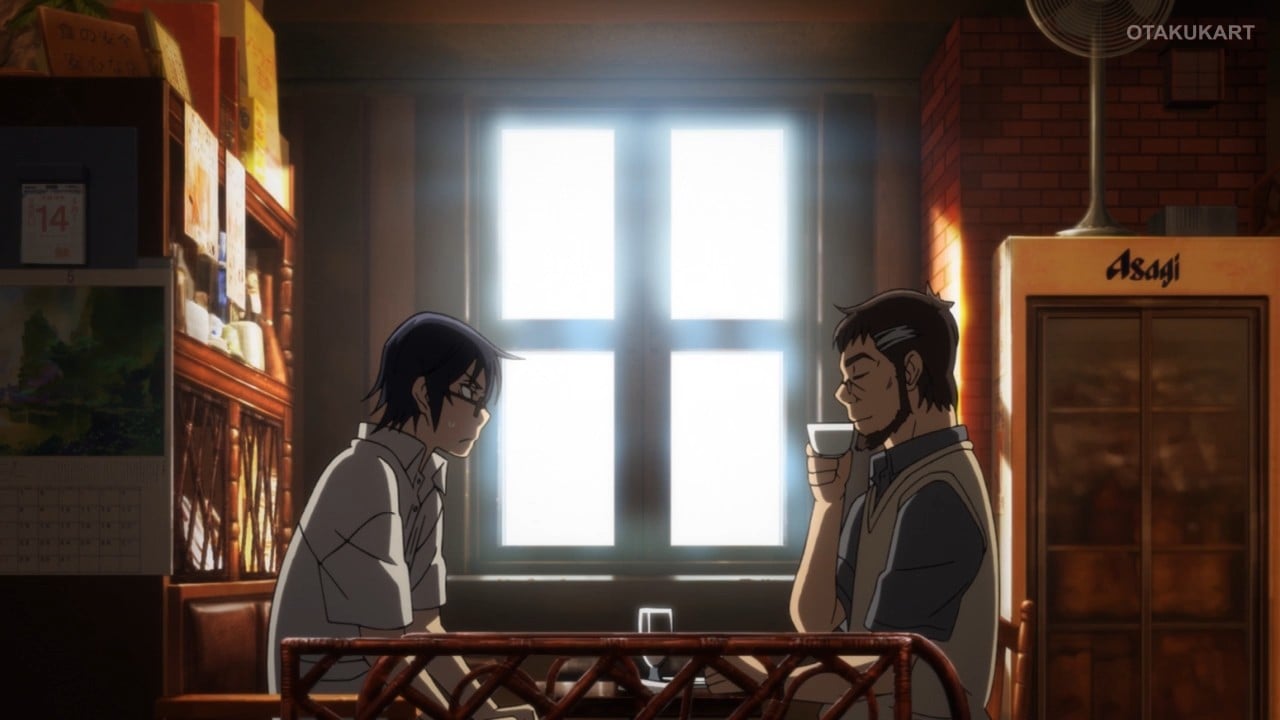
The voice cast helps show how Satoru changes between his adult life and childhood. Shinnosuke Mitsushima voices the 29-year-old Satoru, whose failed career and mother’s death leave him frustrated and emotionally distant. Tao Tsuchiya voices his 10-year-old self, capturing the fear, confusion, and determination Satoru experiences while investigating the disappearances.
Satoru Fujinuma possesses an ability called Revival, which sends him back shortly before a life-threatening event occurs. After his mother is murdered, Revival sends him 18 years into the past, placing him in elementary school shortly before a series of child disappearances. Satoru realizes that Kayo Hinazuki and other classmates are connected to the unsolved crimes that shaped his childhood.
The victims give the mystery emotional weight because Satoru knows the danger approaching while his classmates remain unaware. Kayo’s isolation and troubled home life make her especially vulnerable, while the snowy Hokkaido setting makes the school and surrounding streets feel increasingly isolated. This dramatic irony creates suspense because Satoru understands what may happen, yet changing the outcome without exposing his knowledge remains difficult.
6. Psycho-Pass Makes Its Dystopian Future Feel Uncomfortably Plausible (2012)
Unlike a conventional police thriller, Psycho-Pass makes its investigations depend on the Sibyl System’s psychological assessments. Akane Tsunemori joins the Public Safety Bureau as an Inspector and works with Enforcers who have been classified as latent criminals. Her team investigates murders and violent incidents by tracking suspects with high Crime Coefficients. As Akane handles these cases, she discovers that the system’s judgments do not always match the reality behind each crime.
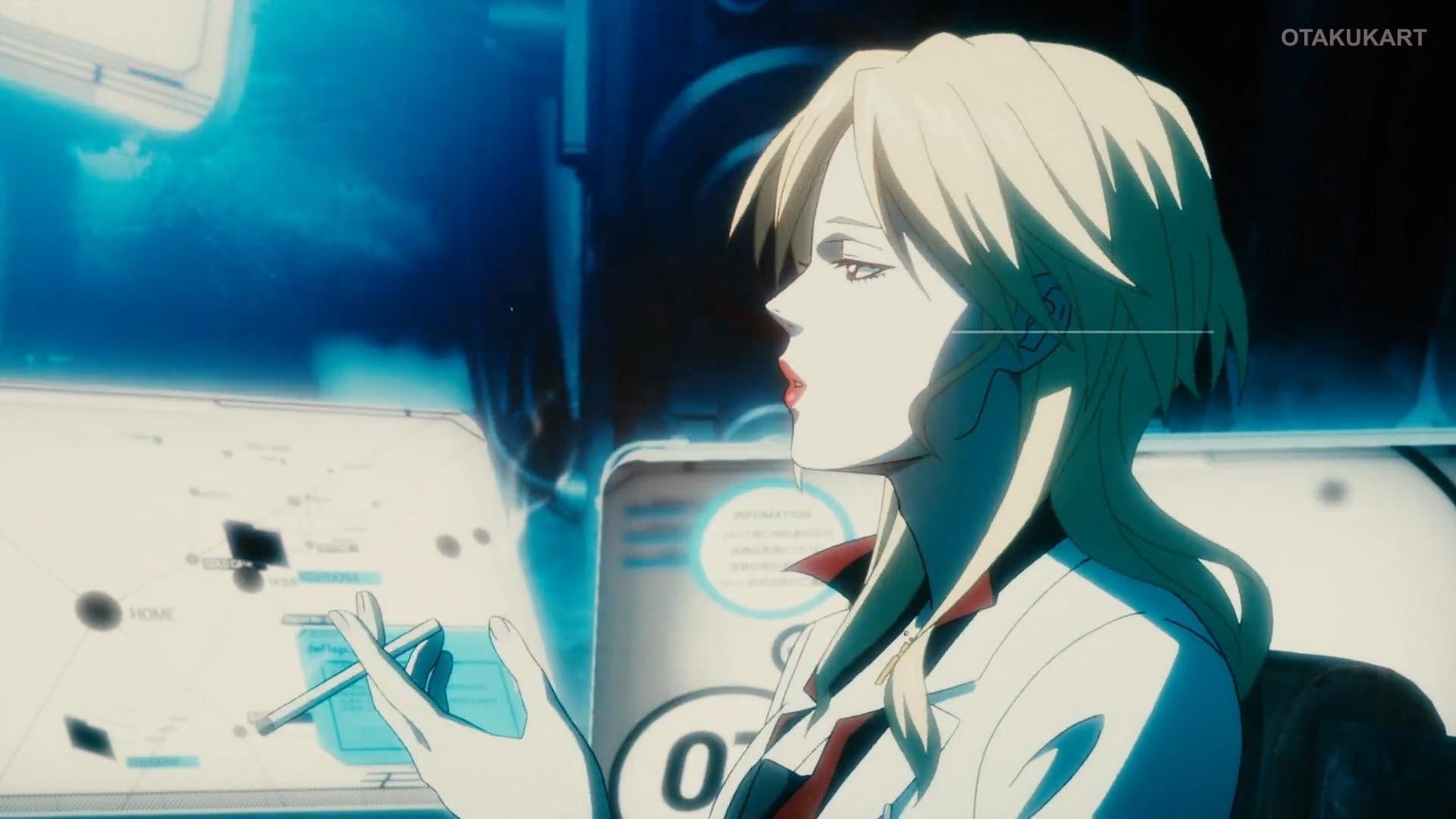
Shogo Makishima becomes a dangerous criminal after exploiting a flaw in the Sibyl System’s judgment. Although he participates in murders and encourages others to commit violence, his Crime Coefficient remains unusually low. Akane and the Public Safety Bureau struggle to stop him because the Dominators cannot properly classify him as a criminal.
The most disturbing idea in Psycho-Pass is that society can judge people before they actually commit crimes. The Sibyl System measures psychological conditions and assigns a Crime Coefficient, allowing authorities to decide whether someone is dangerous. This creates a conflict between public safety and free will because people can face consequences based on what they might do rather than what they have done.
5. Odd Taxi Turns Ordinary Conversations Into a Perfect Mystery (2021)
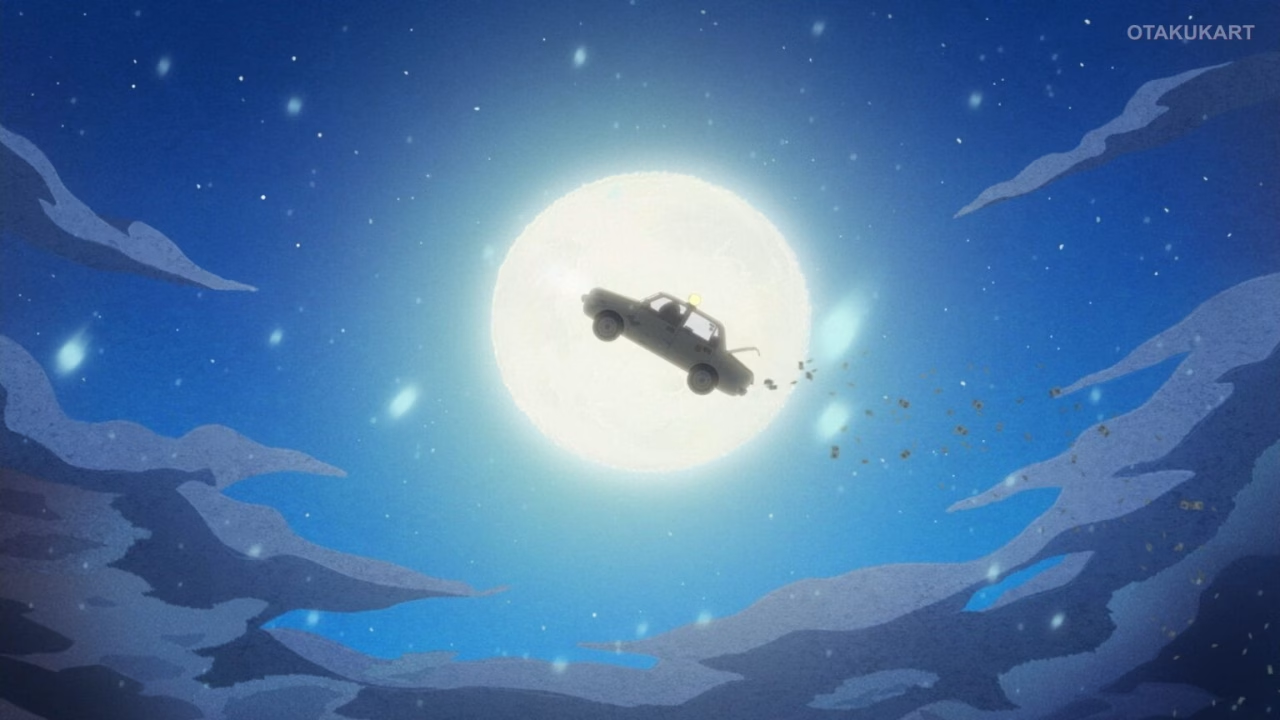
A colorful cast of anthropomorphic animals fills the streets of Tokyo, giving the series a playful appearance despite its darker crime story. Hiroshi Odokawa, a middle-aged walrus, drives a taxi and meets passengers whose lives gradually become connected. His customers include an alpaca nurse, a monkey comedian, an idol cat, and a gorilla connected to organized crime. Their animal forms make each character distinctive while their conversations slowly reveal secrets involving money, violence, fame, and a missing girl.
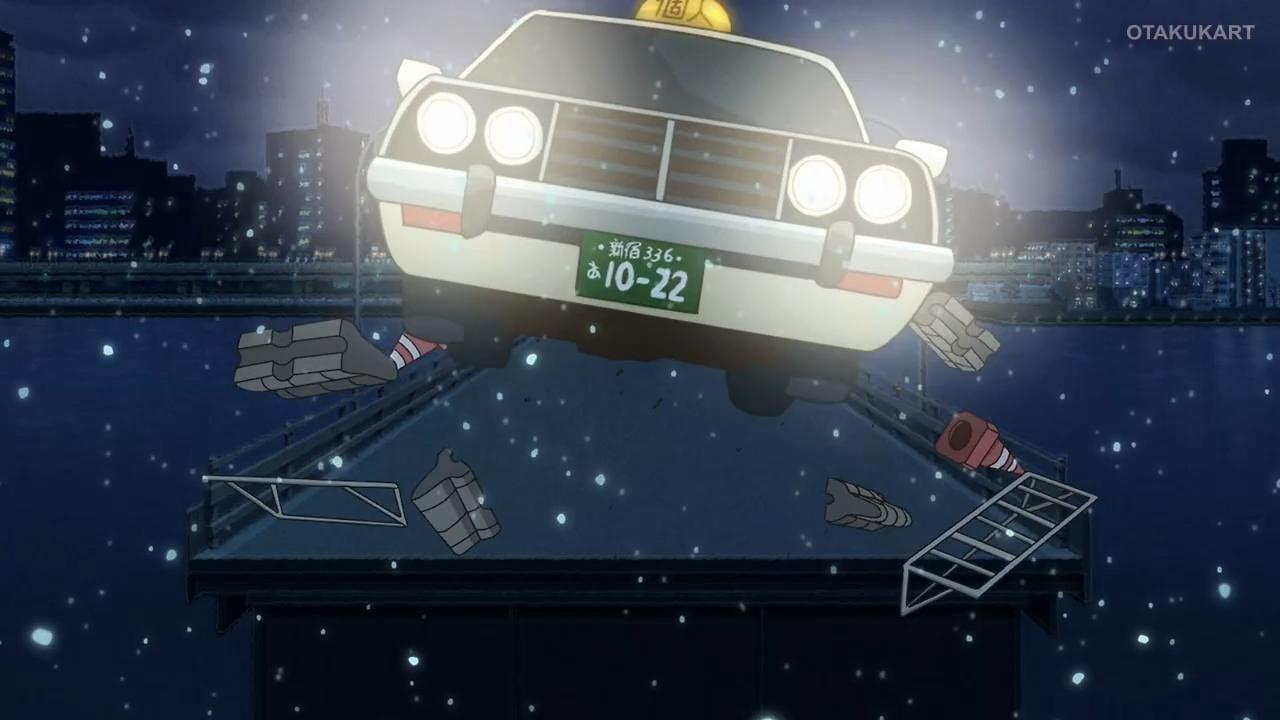
The central mystery begins when a 17-year-old girl named Yuki Mitsuya disappears after leaving home. Odokawa becomes connected to the case because he drove the missing girl shortly before her disappearance. The investigation eventually draws in the police, a private investigator, criminals, and people from the entertainment industry. As different characters search for answers, Odokawa’s seemingly routine taxi rides become increasingly important to the mystery.
Many conversations initially appear unrelated to Yuki’s disappearance, but later details reveal connections between the characters. A passenger’s strange comment can provide information about another character, while an ordinary conversation can reveal someone’s hidden motives or movements. Odokawa gradually becomes surrounded by people whose stories overlap in unexpected ways.
The dialogue-driven storytelling lets Odokawa uncover information through ordinary taxi conversations rather than direct explanations. His discussions with passengers reveal their relationships, personal problems, and hidden motives, with some details becoming important much later. Humor keeps characters such as Dobu, Kakihana, and the Mystery Kiss members engaging while their storylines gradually connect to the missing girl’s case.
Odd Taxi received major recognition at the 2022 Crunchyroll Anime Awards, where it won Anime of the Year. The series also received awards for Best Director and Best Original Anime at the same ceremony. Its success reflects how effectively its unusual character designs, sharp dialogue, and interconnected mystery work together.
4. Attack on Titan Turns Mystery Into a World-Changing Revelation (2013)
When Eren learns the truth about the world beyond the Walls, his understanding of enemies, freedom, and justice changes completely. The people he once fought as monsters have their own histories, families, fears, and reasons for fighting. Eren, Mikasa, Armin, Reiner, and other soldiers eventually make choices that place their personal beliefs against those of their former allies.
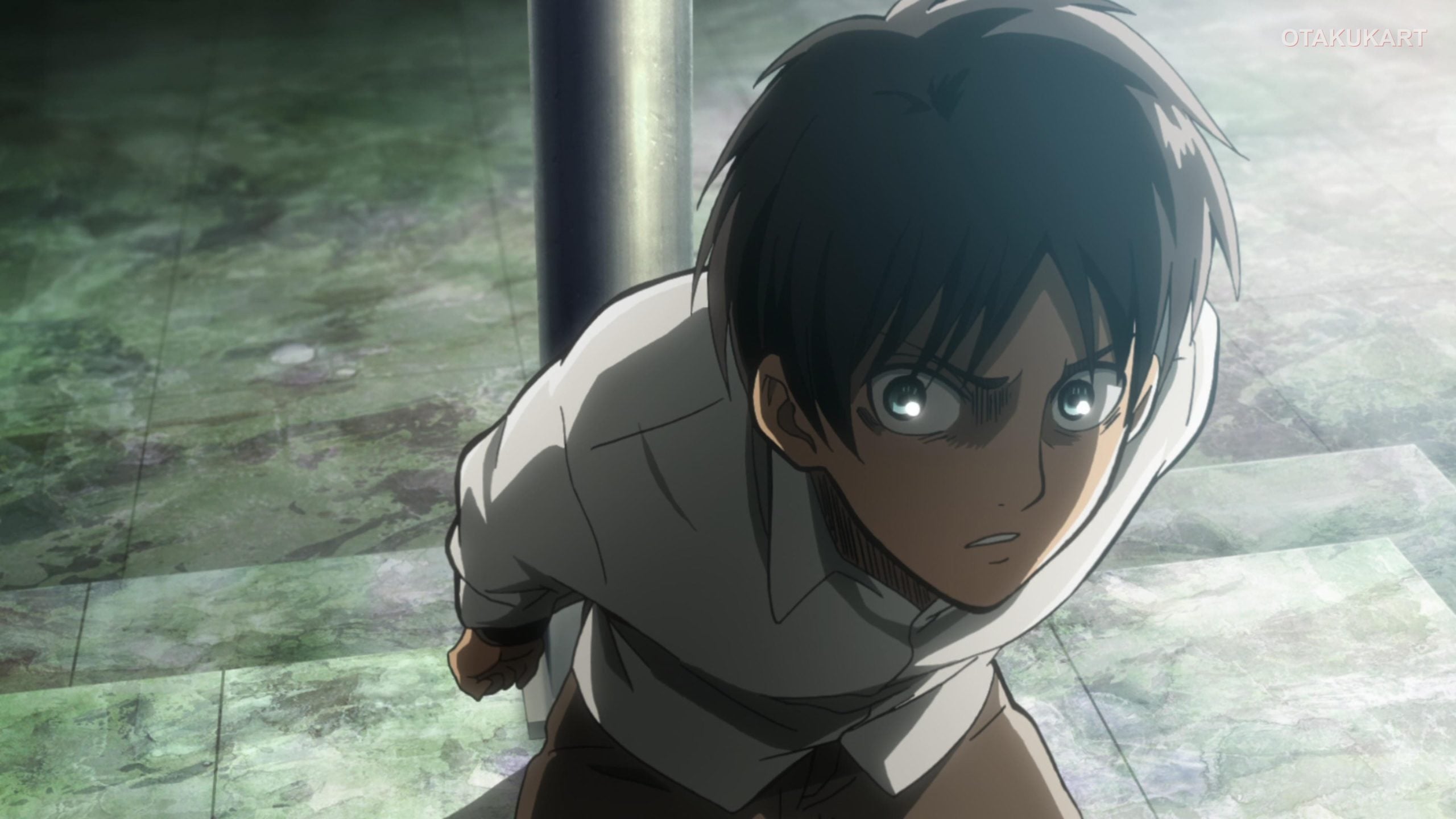
The story expands far beyond humanity’s fight for survival inside the Walls. Eren and his friends eventually discover the history of Eldia, Marley, the Titans, and the political conflict connecting the two nations. The narrative moves from battles against Titans to military strategy, international warfare, inherited hatred, and decisions affecting entire populations.
The story has grown beyond the anime through video games, films, merchandise, and other projects built around its world and characters. These expansions allow players and viewers to experience the series’ battles, characters, and Titan encounters in different formats. The franchise’s continued presence across entertainment also reflects the lasting appeal of its world and characters.
3. Shinsekai Yori Builds Its Horror Through What It Refuses to Explain
A-1 Pictures uses detailed backgrounds and changing visual tones to show how Saki’s peaceful world gradually becomes disturbing. Early episodes present Saki and her classmates studying psychic abilities in bright, calm environments that make their community seem safe. Later scenes use darker locations, unsettling imagery, and disturbing supernatural events as the children encounter dangers outside their lessons.
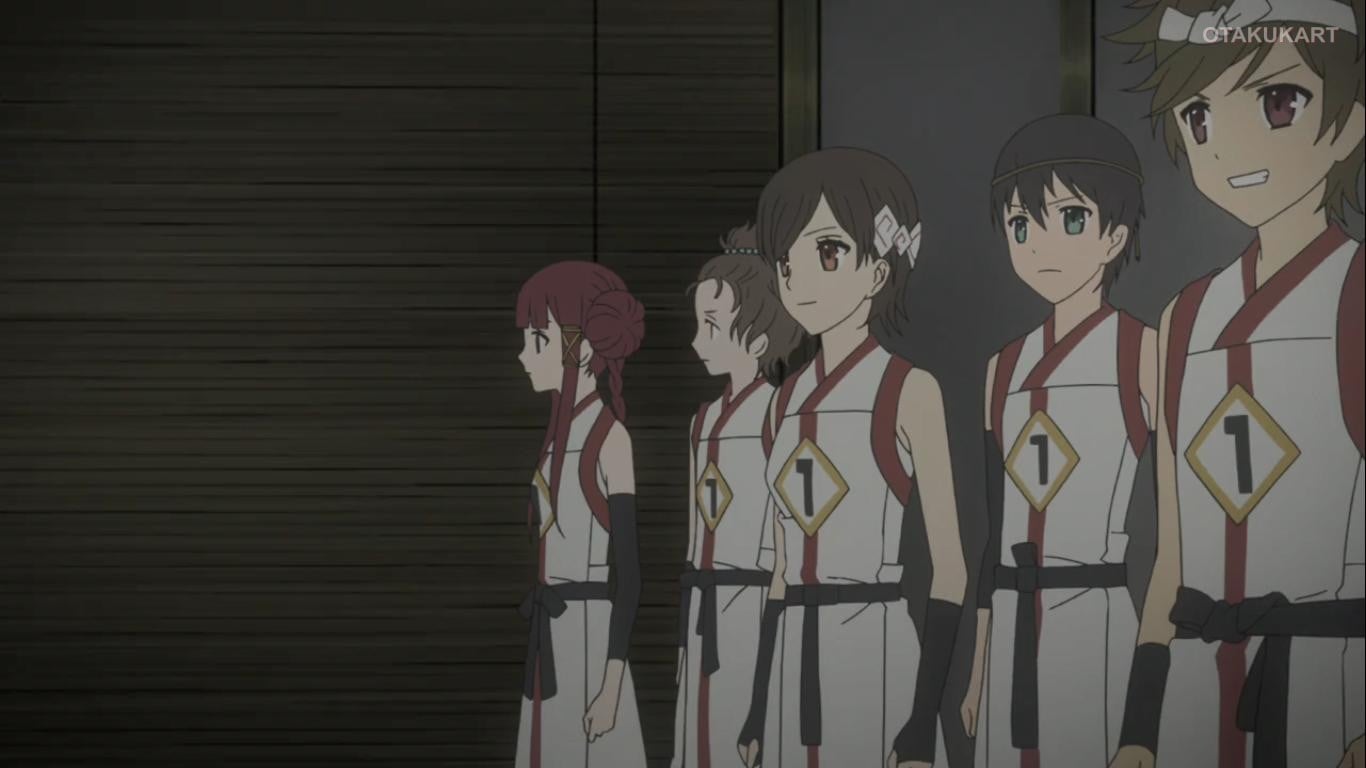
The environments make the world feel beautiful while hiding the dangers surrounding Saki and her friends. Villages, forests, rivers, and fields create an isolated setting where the characters appear separated from the wider civilization. Strange creatures and abandoned locations also hint at a history that the children do not understand. These peaceful surroundings become unsettling once Saki discovers that her society hides information about the world outside her community.
The background music adds another layer of tension without overwhelming the story’s quieter scenes. Soft musical passages accompany peaceful moments, while darker compositions appear when Saki and her friends encounter something they cannot explain. The contrast makes sudden discoveries feel more disturbing and gives important scenes a stronger emotional impact. Music therefore helps maintain suspense even when the characters are simply following their unfamiliar surroundings.
Saki Watanabe and her friends live in Kamisu 66, a community where children develop Cantus, a powerful form of psychic ability. After Saki and her classmates enter Sage Academy, they learn that their society strictly controls people who misuse their powers. Their understanding changes when they encounter a False Minoshiro and learn disturbing information about humanity’s past and the origins of their society. Later, the disappearance of their classmates and encounters with Queerats expose how much their community has concealed about the world around them.
The thriller becomes more effective as the characters uncover the disturbing history behind their seemingly peaceful civilization. Information about psychic powers, social control, and humanity’s past gradually explains why the society operates under such strict rules. These revelations transform familiar aspects of their world into sources of fear and suspicion. The slow pace makes the later discoveries more powerful, turning Shinsekai Yori into a mystery about the origins of an entire civilization.
2. Liar Game Turns Psychological Warfare Into High-Stakes Suspense (2026)
Nao Kanzaki is an extremely honest woman who receives a package containing 100 million yen and instructions to participate in the Liar Game. She soon learns that each contestant must deceive opponents and protect their assigned money during a series of high-stakes rounds. Nao’s first opponent is a former classmate who tricks her into losing most of her money, leaving her unable to escape the competition. She then seeks help from Shinichi Akiyama, a brilliant former con artist who uses his experience to challenge the other players’ schemes.
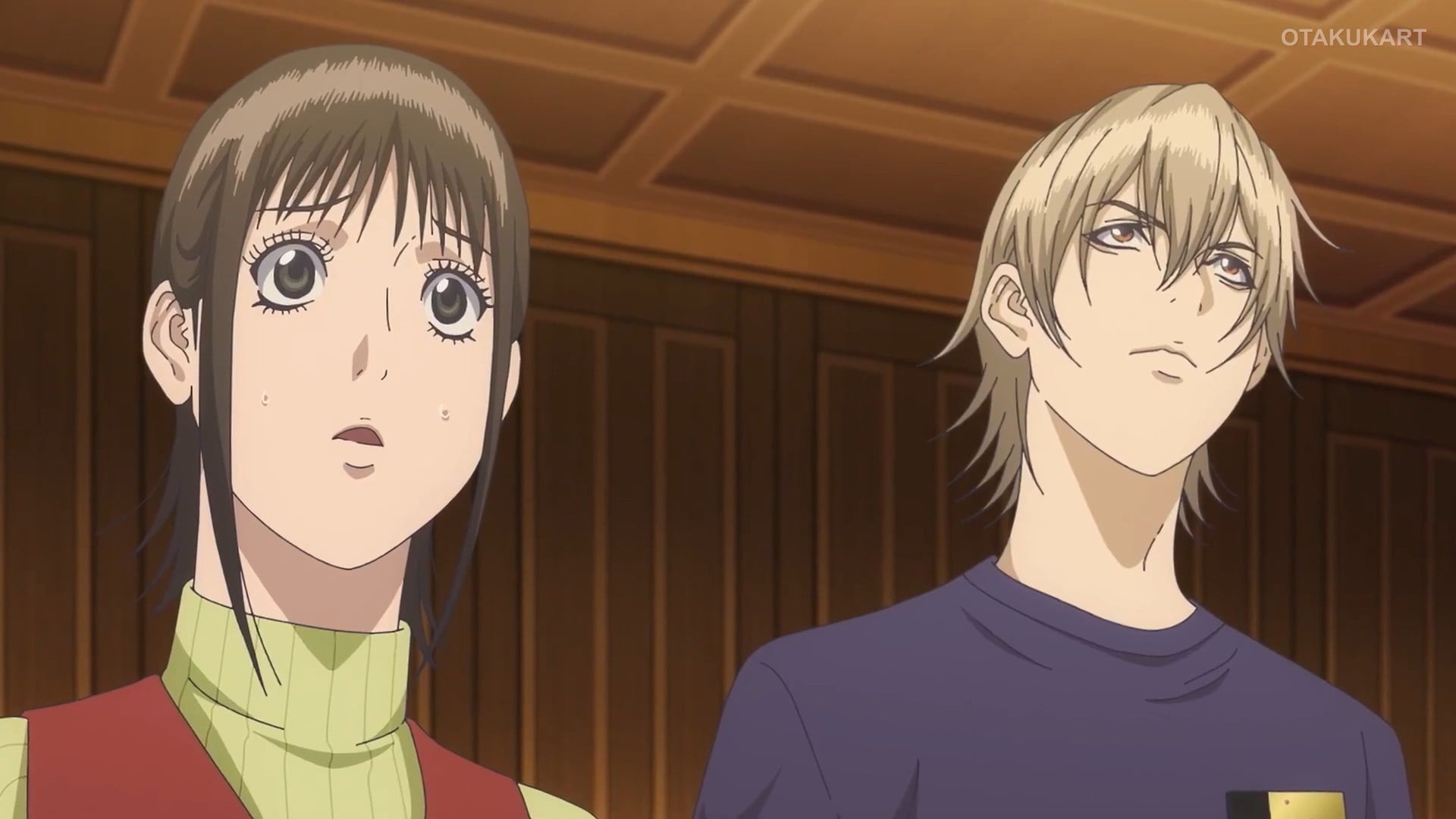
Akiyama’s intelligence provides the strategy that Nao lacks, while her honesty gives him a reason to approach the game differently. He studies the rules, predicts opponents’ decisions, and searches for weaknesses that can turn seemingly impossible situations in their favor. Nao, meanwhile, continues trying to cooperate with other players instead of treating everyone as an enemy. Their contrasting approaches create the series’ central partnership, with Akiyama handling complex strategies while Nao’s trust helps expose what other contestants are hiding.
The suspense comes from manipulation rather than physical combat, with every round creating new risks through deception and shifting alliances. A player can appear safe while secretly losing control of the game because another contestant has discovered a loophole or manipulated the available information. The rules therefore become weapons, and understanding how other players think can matter more than physical strength. This approach keeps the tension focused on decisions, trust, betrayal, and the consequences of making one wrong move.
The 2026 anime gives Shinobu Kaitani’s long-running manga a new adaptation under Madhouse, with Yuzo Sato serving as chief director, Asami Kawano directing, and Tatsuhiko Urahata handling series composition and scripts. The manga ran from 2005 to 2015 and concluded with 19 volumes, while the franchise previously received Japanese live-action dramas and films and a 2014 Korean drama. The anime began airing on April 6, 2026, with a consecutive two-cour run scheduled through September.
1. Daemons of the Shadow Realm Turns a Twin Mystery Into Supernatural Suspense (2026)
Yuru and Asa are twins whose unusual connection sits at the center of the story’s mystery. Yuru lives with their grandfather in a remote mountain village, where he works as a hunter and knows little about the outside world. Their quiet life changes when Asa disappears after a dragon-like roar shakes the village and strange events begin surrounding Yuru.
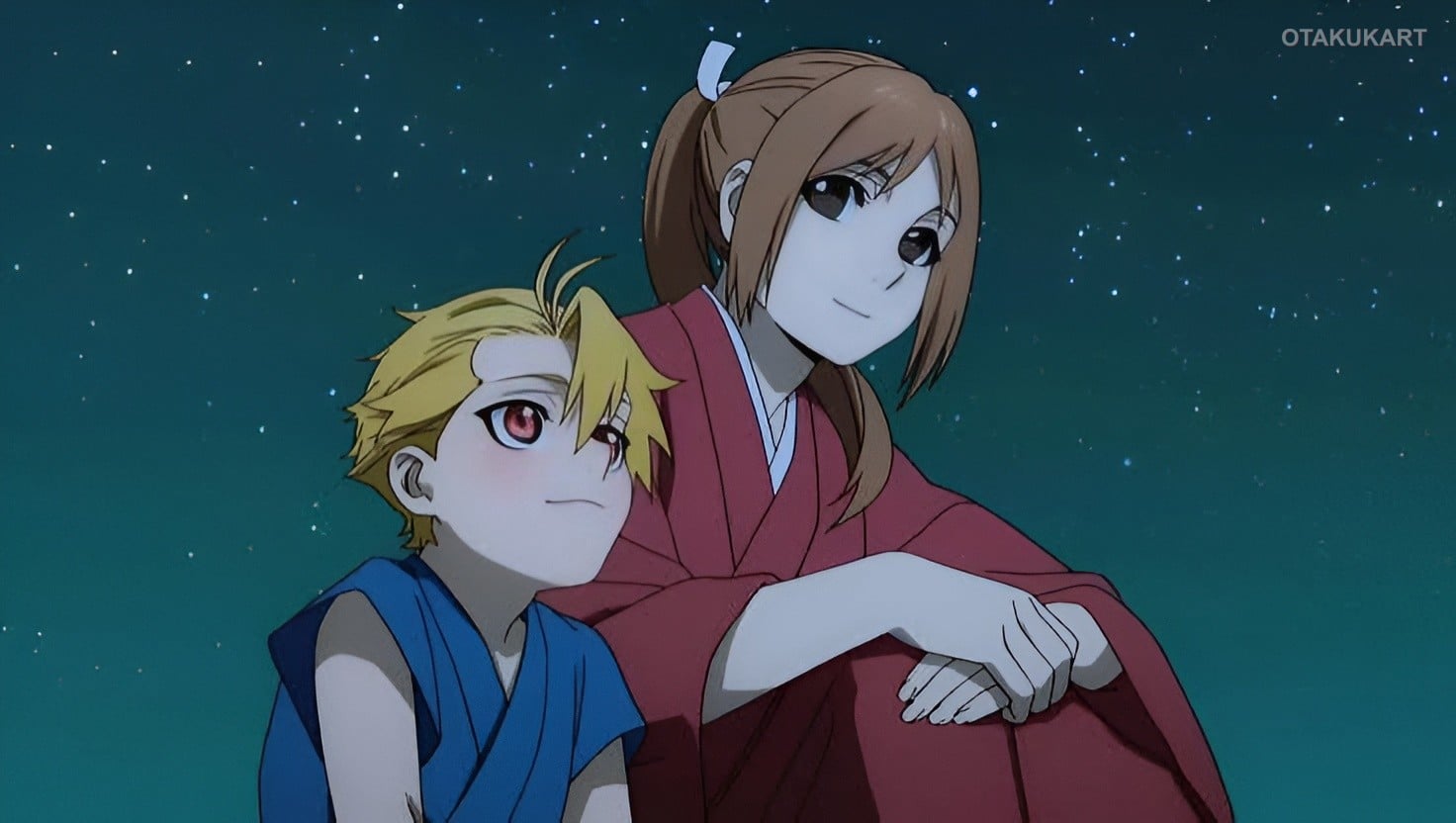
The search gradually introduces Yuru to the Daemons, supernatural beings with different abilities, appearances, and relationships with humans. He also becomes connected to the Kagemori clan, whose history is tied to the twins and the hidden events surrounding their family. Secrets about Yuru and Asa’s origins begin to connect the village, their family, and the Daemons into one larger conflict. Each new discovery expands the mystery instead of immediately providing a complete explanation.
Much of the suspense comes from Yuru having incomplete information while other characters understand far more about his origins and abilities. He must judge whom to trust while learning why different groups are interested in him, Asa, and the Daemons. Battles reveal new abilities and information, allowing important details to emerge through Yuru’s experiences rather than simple explanations.