
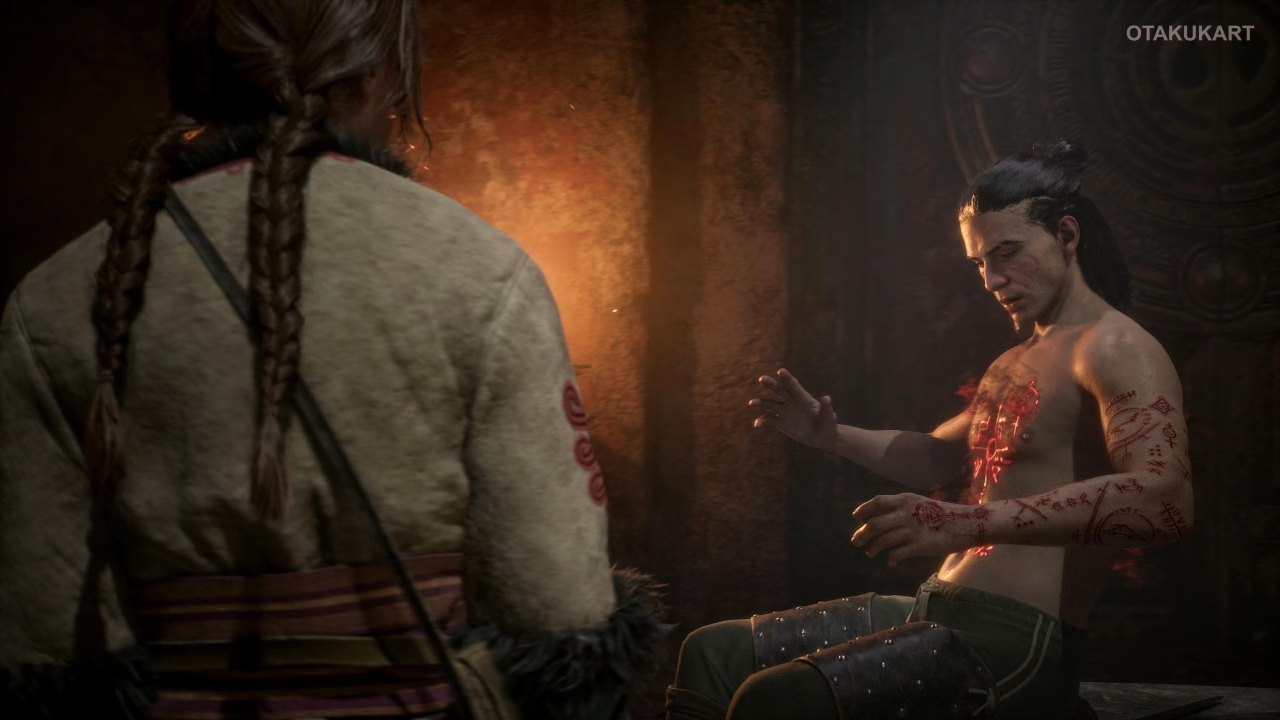
The Blood of Dawnwalker is built around a major gameplay contrast. During the day, Coen can operate as a human and use witchcraft, while nighttime transforms him into a considerably more powerful vampire. That imbalance is intentional, but developer Rebel Wolves still needed to make sure the human side of the protagonist remained compelling enough for players to actually use it.
In a recent interview with Eurogamer, game director Konrad Tomaszkiewicz explained that the development team faced a specific design problem while building the two sides of Coen. If human gameplay did not offer enough powerful abilities, players could simply choose to avoid it and wait until night.
That concern ultimately helped shape Coen’s witchcraft abilities. Rather than making his human and vampire forms equally powerful, Rebel Wolves gave each side distinct advantages while accepting that the vampire would remain stronger in direct combat.
Witchcraft Was Designed to Keep Human Coen Relevant
Tomaszkiewicz explained that the team wanted the day and night versions of The Blood of Dawnwalker to feel meaningfully different. However, making the human form substantially weaker created another problem because players still needed a compelling reason to spend time in it.
“We knew that [day and night] needed to be different, but we also knew that they needed to be interesting,”
Tomaszkiewicz said.
According to the director, the developers were concerned that players would otherwise “just skip to the night.” Since nighttime gives Coen access to his vampire abilities, making the human form too weak could have effectively turned the game’s day-night system into a choice players would routinely avoid.
Witchcraft became one of the solutions. Tomaszkiewicz said the special human abilities did not have to match the vampire’s strength, but they needed to be powerful enough to make playing during the day worthwhile.
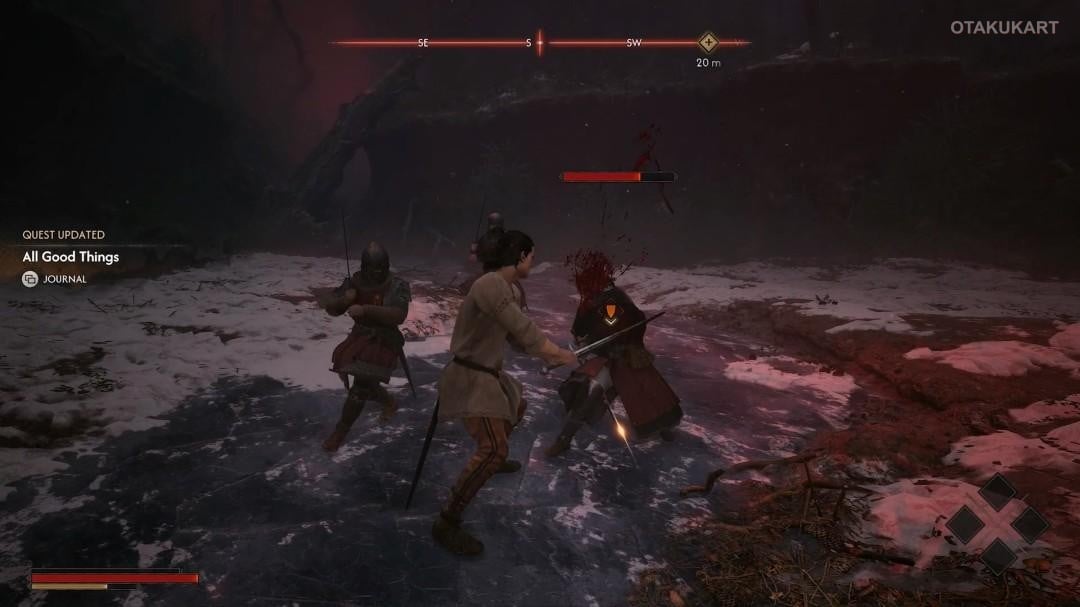
“Vampires should always be stronger, but as a human with witchcraft, you should also have strong skills for many reasons,”
he explained.
This distinction is important because The Blood of Dawnwalker does not appear to treat Coen’s two forms as simple cosmetic variations. The differences are part of the game’s core design, affecting how players approach combat, exploration and certain situations throughout the story.
Why Coen Is Stronger as a Vampire
The vampire form naturally has several advantages that make nighttime combat more forgiving. One of the biggest differences comes from Coen’s claws. Their damage increases alongside his level, meaning players do not have to constantly search for a better weapon to maintain their effectiveness.
Human Coen, by comparison, relies on conventional equipment. Players need to find, purchase or upgrade swords to improve his damage output.
Healing also works very differently between the two forms. As a human, Coen needs crafted potions to recover health during combat. His vampire form provides much more freedom, allowing him to heal by biting enemies while also using blood vials and other resources found throughout the world.
Vampire abilities can further increase his survivability, including upgrades that provide additional health. Tomaszkiewicz also noted that some vampire skills allow Coen to recover health through his attacks, giving the supernatural form another major advantage in prolonged fights.
The result is a deliberately uneven power curve. Players who attempt difficult encounters as a human can expect a tougher experience, while switching to vampire form can dramatically change the same confrontation.
The Game Still Needs to Be Finishable as a Human
Despite the vampire’s advantages, Rebel Wolves could not simply make human Coen incapable of completing major challenges. Tomaszkiewicz explained that once the studio decided to include a human form, it had to ensure players could meaningfully progress while remaining human.
That includes providing ways to complete the game without making vampirism mandatory. Some activities are restricted to specific times of day, while others can be approached through either form.
The decision also connects to the game’s emphasis on player freedom. Not every player will want to spend the majority of their time as a vampire, even in a game built around vampirism. Some may also pursue outcomes that encourage a different approach.
Tomaszkiewicz teased that there are multiple ways to finish The Blood of Dawnwalker while playing in human form, including routes involving Coen alone or with allies.
This makes witchcraft more than simply an additional combat system. It serves as a mechanical counterweight that keeps the human side of Coen viable without undermining the fantasy that vampires should be more powerful.
The Blood of Dawnwalker Makes Human Gameplay the Harder Route
The resulting design gives The Blood of Dawnwalker an unusual balance. The game does not attempt to make Coen equally effective in both forms. Instead, it gives players a clear power advantage at night while providing human Coen with specialized abilities that preserve his usefulness during the day.
That also means players choosing to remain human are deliberately taking on a greater challenge. The reward is a different way of experiencing Coen’s abilities and potentially accessing story outcomes that encourage players to resist the easier path.
For Rebel Wolves, the goal was not to eliminate the power difference between human and vampire Coen. It was to ensure that the weaker side remained interesting enough that players would not simply ignore half of the game’s central mechanic.
The Blood of Dawnwalker launched in September 2026 and has already surpassed one million copies sold within its first three days. The game’s day-night system remains one of its defining mechanics, and the developer’s explanation shows why maintaining that contrast was more important than creating conventional combat balance.

| Release Date | September 3, 2026 |
|---|---|
| Platforms | PC, PlayStation 5, Xbox Series X|S |
| Developer | Rebel Wolves |
| Director | Konrad Tomaszkiewicz |
| Writer / Narrative | Jakub Szamałek |