Nintendo has suffered another setback in its efforts to secure a touchscreen-based monster-catching patent in Japan after the Japan Patent Office (JPO) formally rejected the application.
The decision comes as Nintendo continues its ongoing legal dispute with Pocketpair, the developer of Palworld, and has sparked discussion about what the ruling could mean for the studio’s future projects.
While the rejected application is not part of the current lawsuit, it belongs to the same patent family as patents Nintendo is attempting to enforce against Pocketpair.
That connection has made the latest refusal particularly noteworthy, especially after Palworld Version 1.0 officially launched. Patent analyst Florian Mueller reported that the decision ends the standard examination process for the application unless Nintendo chooses to appeal or submit a revised filing.
JPO Rejects Nintendo’s Patent Application Again
The JPO issued what is known as a “decision of refusal,” meaning the patent examiner has completed the standard review and rejected the application. According to Mueller,
“This ‘decision of refusal’ terminates regular patent examination. The patent examiner is done with this.”
Nintendo now has three months to request an appeal before a panel of JPO administrative judges, submit a narrower divisional application, or abandon the application altogether.
One of the most significant aspects of the ruling was the JPO’s treatment of prior art. Nintendo argued that gameplay footage from the indie fan project Pokémon Generations should not qualify because it allegedly infringed Pokémon-related copyrights.
The examiner disagreed, concluding that copyright concerns do not affect whether publicly available material can be considered prior art when assessing novelty and inventive step under patent law.
Why the Decision Matters for Palworld and Pocketpair
The rejected patent covered touchscreen-based gameplay mechanics, including player movement, using capture items, summoning creatures, issuing commands, and capturing monsters both during and outside combat. Because of its touchscreen focus, industry observers, including Games Fray, suggested the application could have been relevant if Nintendo sought broader protection over future mobile monster-catching games, including a potential Palworld Mobile release.
Nintendo has never publicly stated that the application was intended to target Palworld Mobile. However, the patent belongs to the same family as those involved in Nintendo’s ongoing legal dispute with Pocketpair, making the latest refusal a closely watched development. Reports also note that Nintendo pursued the entire claim set, even though several individual claims were not specifically rejected, resulting in an all-or-nothing decision by the Japan Patent Office.
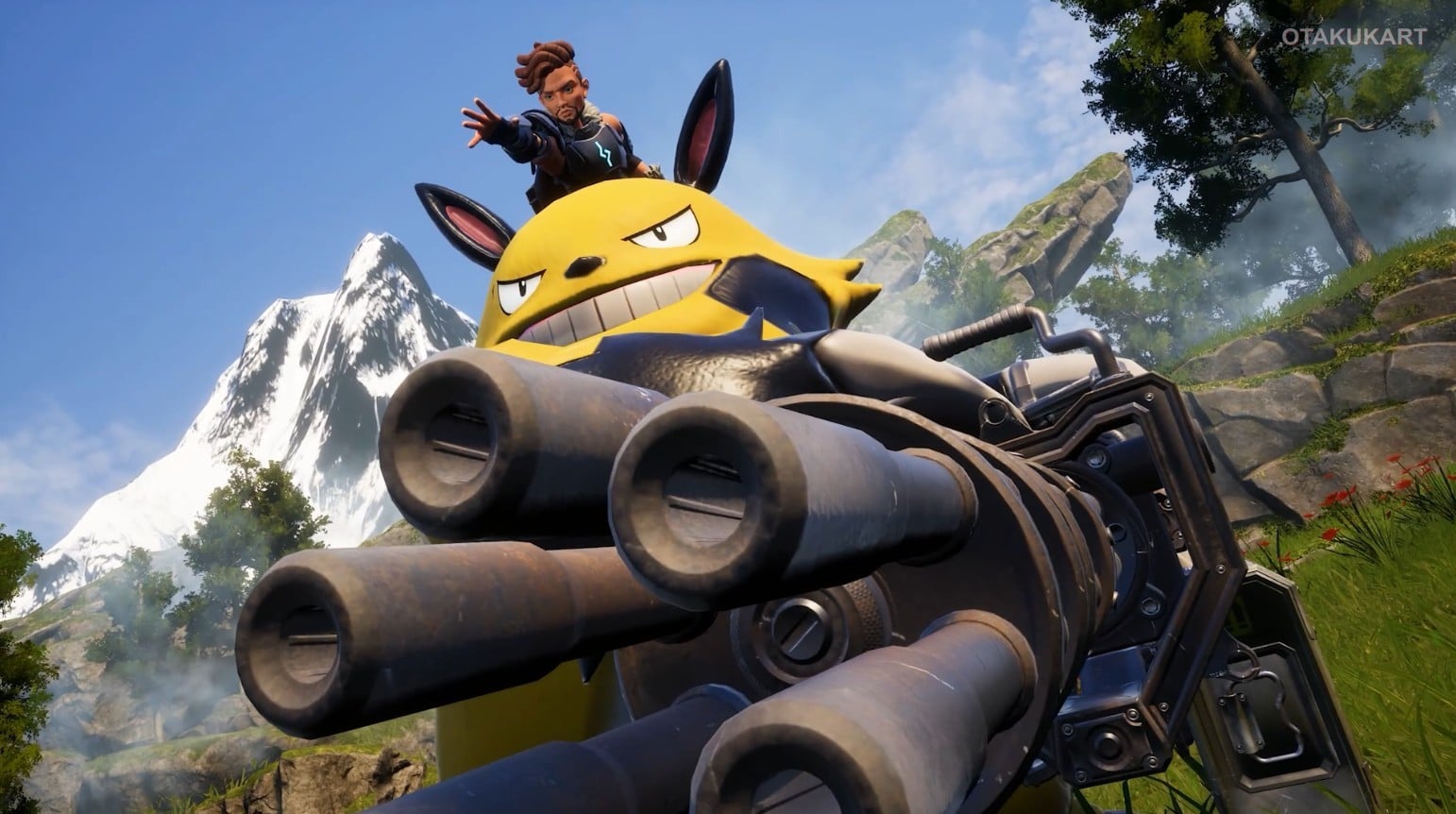
The timing is notable as Palworld Version 1.0 has officially launched, while Pocketpair is also expanding the franchise with Palworld Mobile, which is currently in development through a partnership between Pocketpair Publishing, Krafton, and PUBG Studios.
Although the JPO’s decision does not affect the lawsuit currently underway, it means this specific touchscreen patent cannot presently be added to Nintendo’s patent portfolio unless the company successfully appeals or files a revised divisional application.
Nintendo still has those options available, so the broader legal battle with Pocketpair remains ongoing. Even so, the latest refusal removes one potential patent that some observers believed could have become relevant to future touchscreen-based monster-catching games, making it another significant development in the dispute surrounding Palworld.
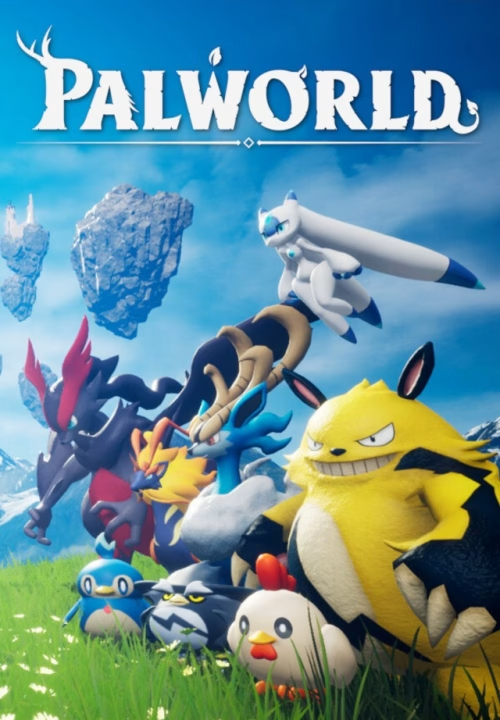
| Platforms | Microsoft Windows |
|---|---|
| Developer | Pocketpair |