
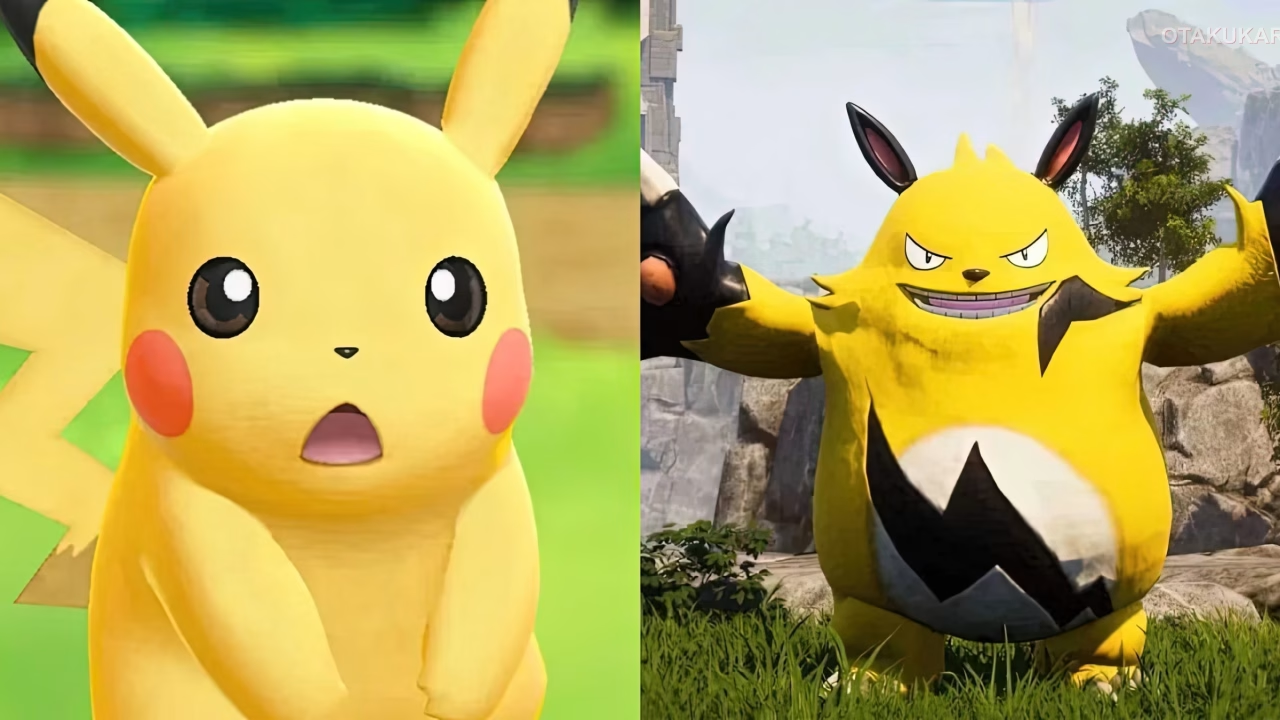
The ongoing legal battle between Nintendo and Palworld developer Pocketpair appears to be losing much of its initial impact as it heads toward a key court hearing later this year. What once looked like a major intellectual property dispute now seems increasingly limited in scope, with current versions of Palworld unlikely to face any meaningful consequences.
According to an analysis published by GamesFray, the case has effectively been reduced to older versions of the game, significantly weakening Nintendo’s position. The Tokyo District Court is scheduled to hear evidence on October 1, with a decision expected in November 2026.
Case Scope Narrowed to Older Versions
Initially, Nintendo and The Pokémon Company targeted all versions of Palworld, raising concerns about potential injunctions or forced changes to the game. However, that strategy has since shifted. The claims now apply only to earlier builds released before Pocketpair adjusted gameplay mechanics to avoid potential patent conflicts.
This change has major implications for the case’s outcome. As it stands, newer versions of Palworld, including its upcoming 1.0 release, are unlikely to be affected. The legal dispute is no longer centered on the game as it exists today, but rather on a limited window in 2024 when the contested features were still present.
That narrowing of scope removes much of the commercial risk that originally surrounded the lawsuit. Without the ability to target current versions, the possibility of an injunction becomes largely theoretical.
Limited Financial Stakes for Both Sides
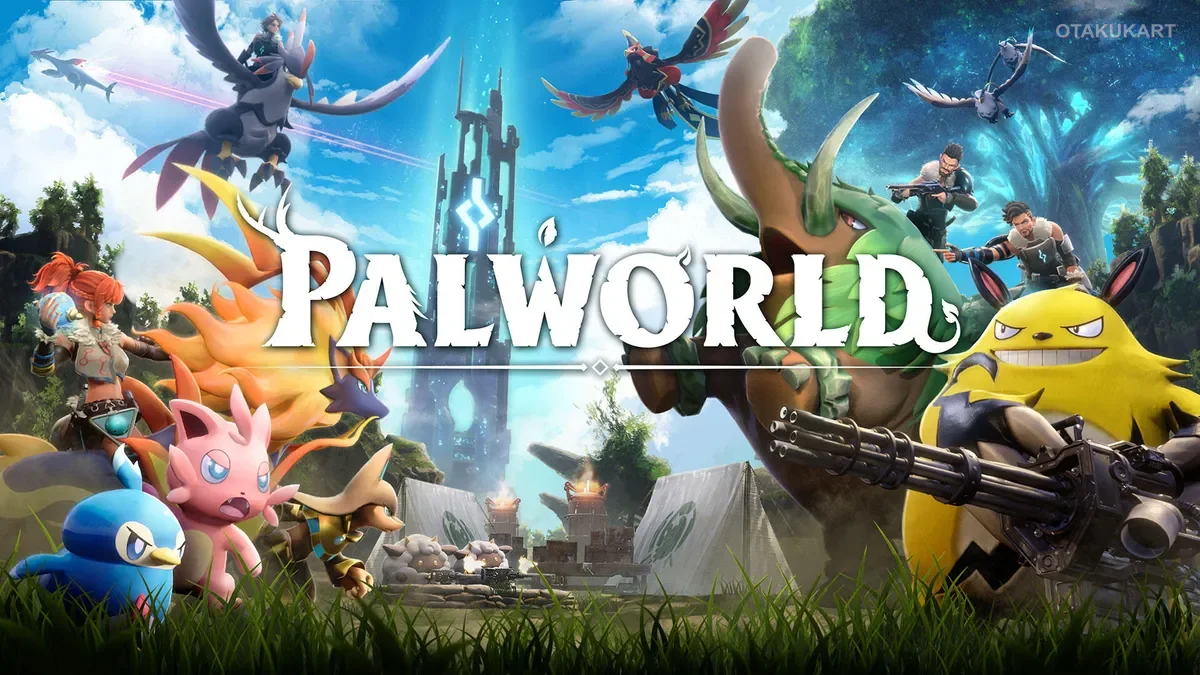
Even if Nintendo succeeds in court, the financial upside appears minimal. Estimates suggest that damages could be capped at around ¥5 million, or roughly $30,000. For a case involving major industry players, that figure is relatively insignificant, especially when compared to the cost of prolonged litigation.
The reason for this limitation lies in timing. The patents at the center of the case were granted after Palworld had already achieved massive commercial success following its January 2024 launch. As a result, only a short period of sales falls within the window where damages could be claimed.
Additionally, Japanese patent law restricts recovery to domestic sales, further reducing potential compensation. Combined with Pocketpair’s quick adjustments to the game, the financial scope of the case has been significantly constrained.
Patent Challenges and Defense Strategy
Pocketpair has not only modified the game but also mounted a legal defense challenging the validity of Nintendo’s patents. Reports indicate that the developer has submitted expert opinions, including those from former judges, to counter infringement claims.
At the same time, Nintendo has faced increasing scrutiny from patent offices in both Japan and the United States regarding its game-rule patent applications. This growing skepticism could influence not just this case, but future attempts to enforce similar patents in the gaming industry.
The combination of defensive adjustments and legal challenges has made it increasingly difficult for Nintendo to secure a decisive victory. Even a favorable ruling would likely have limited practical consequences.

| Platforms | Microsoft Windows |
|---|---|
| Developer | Pocketpair |