
NVIDIA’s DLSS 5 technology could deliver a notable performance improvement following an update to its underlying neural network model. Testing in the upcoming action RPG The Blood of Dawnwalker indicates that the revised algorithm can increase frame rates by more than 20% while reducing GPU power consumption in several gameplay scenarios.
The comparison highlights improvements across different environments, including open-world exploration, stationary scenes, and indoor dialogue sequences. The results suggest that optimizing the neural network’s computational workload can improve performance without requiring additional graphics card power.
However, these results come from specific benchmark scenarios and should not be treated as a guaranteed performance increase across every game or hardware configuration.
UPDATED DLSS 5 MODEL DELIVERS HIGHER FRAME RATES
The most significant improvements appear during gameplay in open environments. In one tested scene, the updated DLSS 5 model increased performance from 38 frames per second (FPS) to 50 FPS, while GPU power consumption fell from 169 watts to 162 watts.
Static scenes also benefited from the revised algorithm. Frame rates increased from 39 FPS to 48 FPS, while power consumption dropped from 165 watts to 147 watts.
These results indicate that the updated model can improve rendering efficiency in more than one type of scene, although actual gains will depend on the system and game settings used.
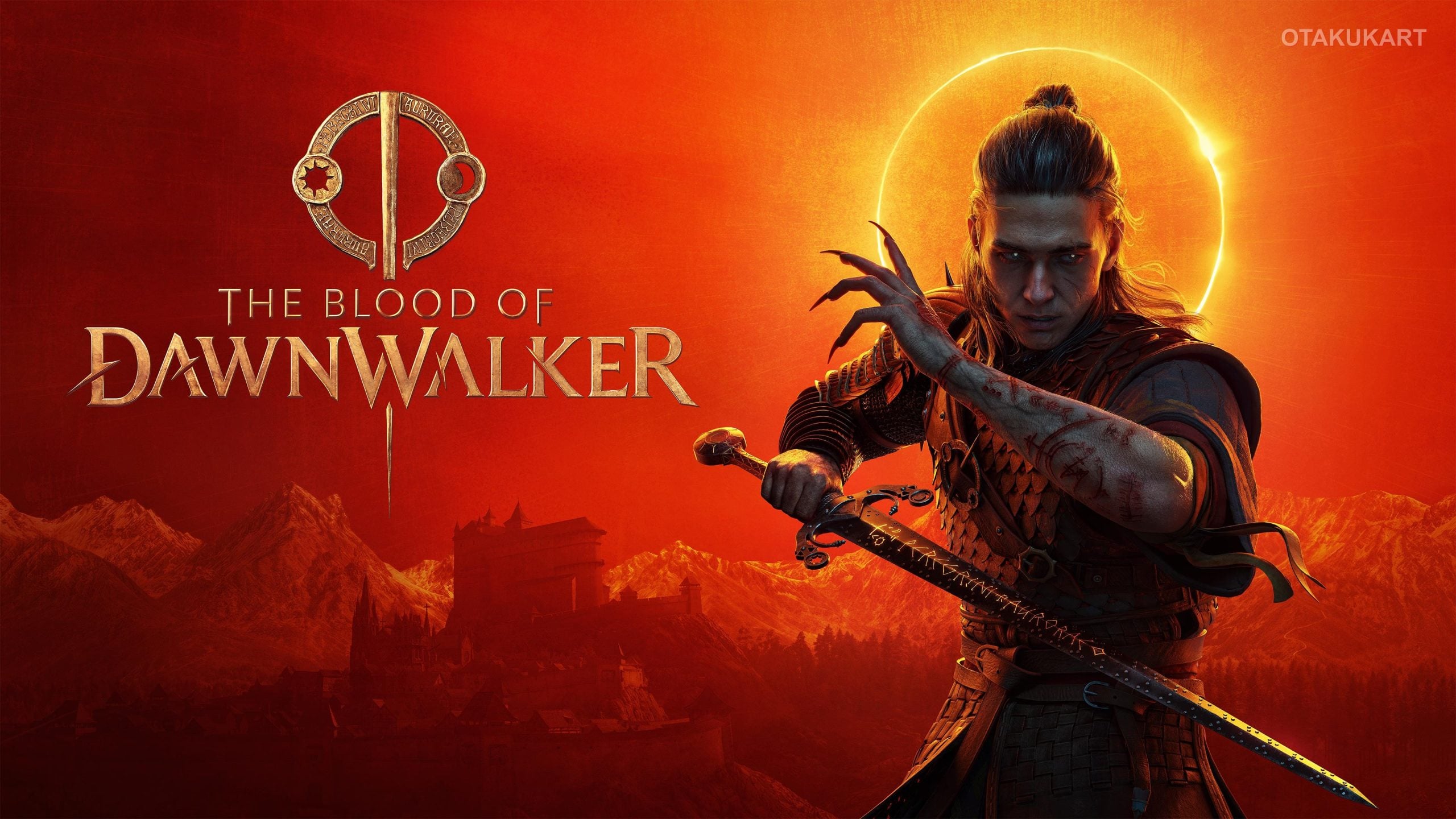
The updated algorithm also improved performance during indoor gameplay and dialogue sequences. Frame rates rose from 43 FPS to 50 FPS, while GPU power consumption dropped from 169 watts to 131 watts.
That represents a reduction of approximately 22% in power consumption in the tested scene. Lower power demand could help reduce heat output and fan noise, although the actual impact will depend on the graphics card and cooling system.
NVIDIA describes DLSS 5 as a neural-rendering technology designed to enhance lighting and material details in games. Its official documentation explains how AI models process game data to improve visual output in real time. NVIDIA DLSS 5 announcement.
The The Blood of Dawnwalker comparison suggests that further model optimization can improve efficiency alongside visual rendering. However, the available figures do not independently establish whether image quality remained identical between both versions. Broader testing across more games and graphics cards will be needed to determine how consistently these gains translate to everyday gameplay.

| Release Date | September 3, 2026 |
|---|---|
| Platforms | PC, PlayStation 5, Xbox Series X|S |
| Developer | Rebel Wolves |
| Director | Konrad Tomaszkiewicz |
| Writer / Narrative | Jakub Szamałek |