Nintendo just told investors something that should sound familiar to anyone who has watched Netflix earnings calls over the last five years. Hardware growth is slowing. Software and IP revenue are picking up the slack, and increasingly, they’re doing it outside Japan and the US.
It’s a quiet admission with loud implications. The console business isn’t dying. But the model that made Nintendo money for four decades- sell a box, sell a handful of cartridges- is being replaced by something closer to what streaming services and mobile game publishers have run for years: keep the audience subscribed, keep them spending, and go find that audience wherever they are on the planet.
That shift didn’t happen in a vacuum. It’s the same playbook Netflix, Disney+, and half the digital entertainment industry have been running since subscriber growth in mature markets started flattening out.
The Hardware Ceiling Every Platform Eventually Hits
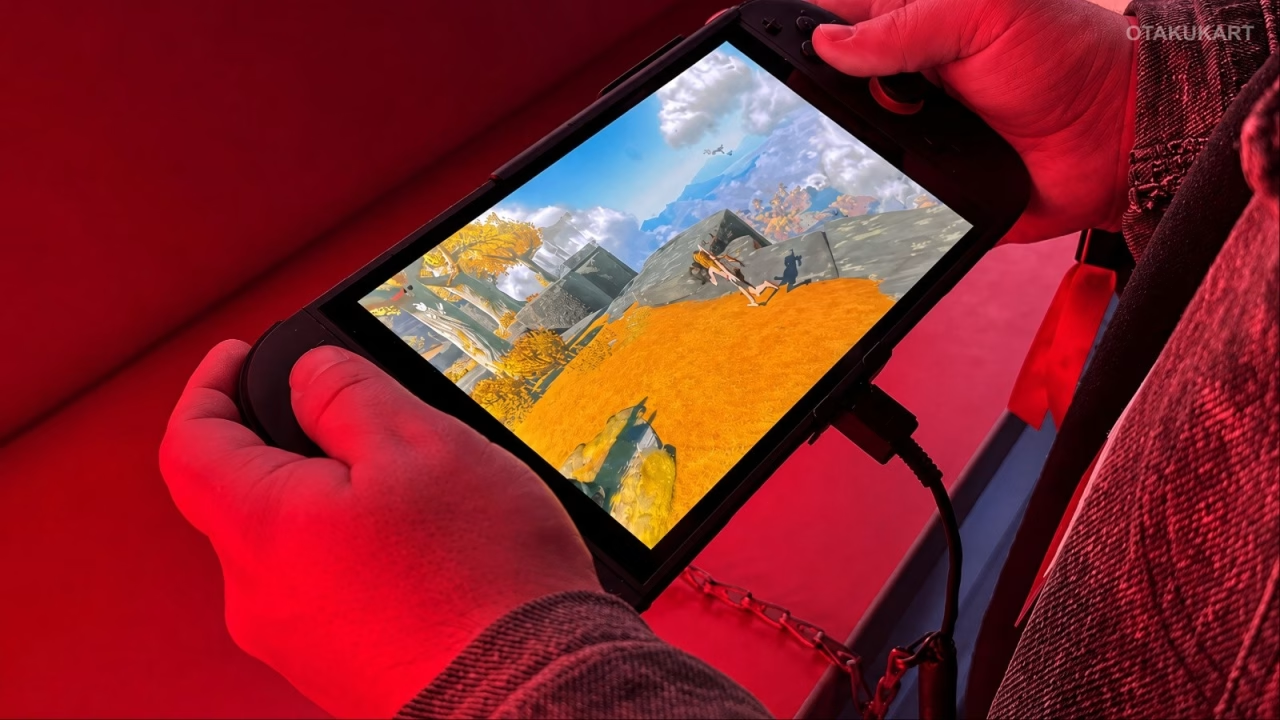
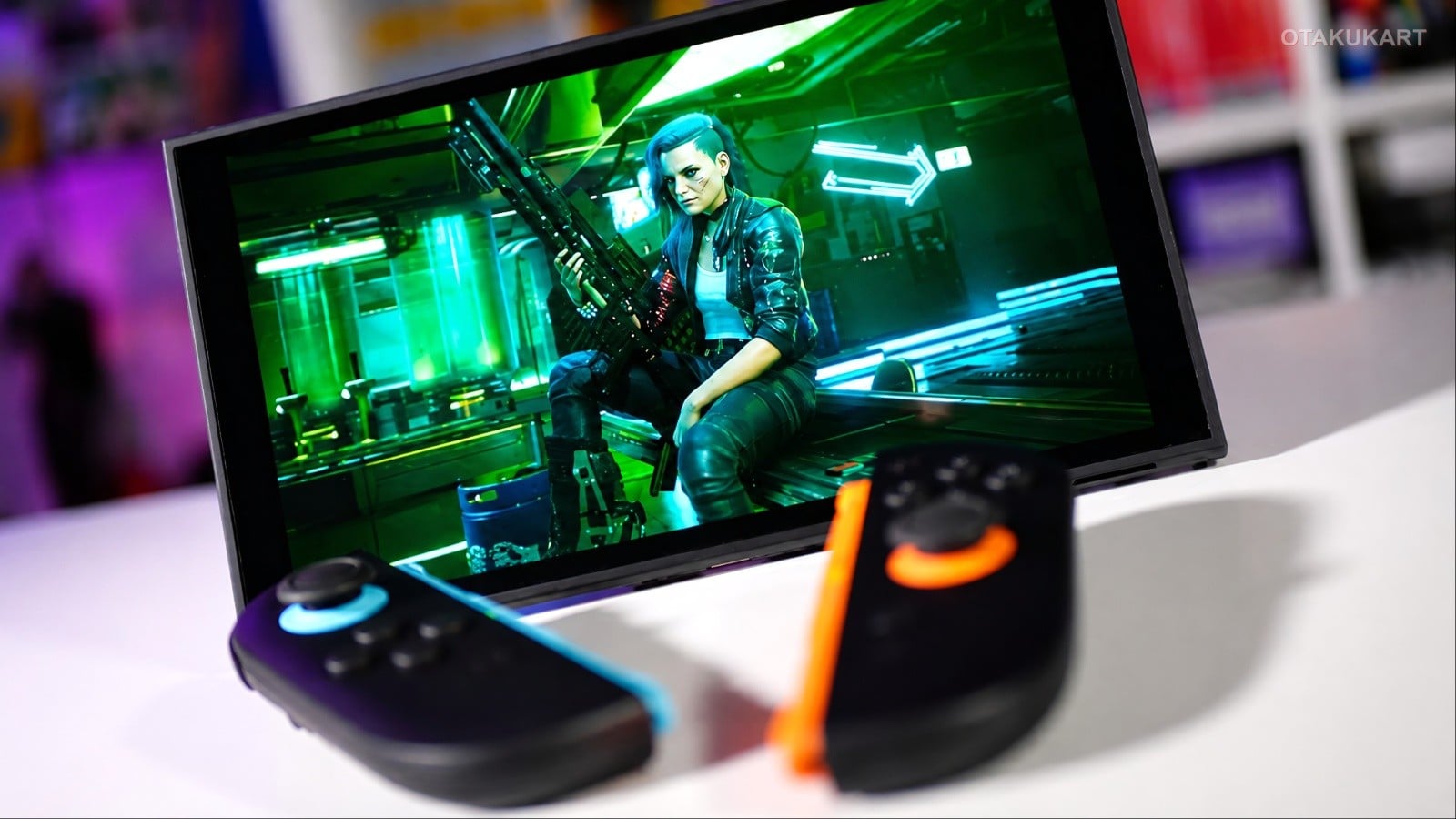
Switch 2 sold faster than almost anything in US console history. Variety reported more than 3.5 million units moved worldwide in its first four days alone, a pace that outstripped even the original Switch’s launch. TechRadar’s analysis went further, noting the console became the second fastest-selling hardware platform in US history while Xbox and PS5 unit sales struggled to keep pace.
Here’s the thing about a hardware boom, though. It always ends.
Every console eventually saturates its addressable market. Everyone who wants one has one. What happens next determines whether a platform keeps growing or plateaus. Nintendo’s own recent financial disclosures made this explicit: hardware momentum is cooling even as CNBC noted the company had raised its Switch 2 sales forecast to 19 million units earlier in the cycle. Two things can be true at once. Units are strong. Growth is slowing. The company knows it.
So the strategy pivots toward the thing that doesn’t run out: software, subscriptions, and recurring engagement from players who already own the box.
Chasing Recurring Revenue, Wherever the Players Are
This is where Nintendo’s story stops being a gaming story and starts being an entertainment industry story.
Streaming platforms hit this exact wall years ago. The Hollywood Reporter’s data shows global streaming subscription revenue roughly tripled over five years and is on pace to top $200 billion by 2030, but the growth engine isn’t domestic subscriber counts anymore. It’s international expansion. Netflix’s own subscriber additions increasingly come from markets outside North America, a pattern CBC covered in detail when the company posted a subscriber jump driven almost entirely by overseas growth.
Gaming is following the same map. Square Enix just posted an 88.6% jump in operating profit largely on the back of Final Fantasy VII Rebirth’s global performance, not a single hardware refresh. Pearl Abyss reported Crimson Desert driving 70% of its Q2 sales with revenue up 247.7%, almost entirely software-led. None of these companies are selling more consoles. They’re selling more access, in more places, to people who were previously hard to reach.
This is exactly the tension digital entertainment platforms run into once they expand past their home market: licensing rules, regional pricing, and access restrictions vary wildly from country to country, and companies have to decide how hard they’ll work to serve players who fall outside the standard distribution map. Streaming did this by staggering regional launches and building local content deals. Online gaming platforms hit the same wall with real-money entertainment products that are licensed market by market, and players outside those markets often turn to offshore casinos to access the same games without regional restrictions. It’s a niche corner of the broader access problem, but it’s the same underlying dynamic: demand exists globally, supply is fragmented by jurisdiction, and someone finds a workaround.
Gambling carries real financial risk regardless of where a platform is licensed, and anyone exploring that space should only ever wager what they can genuinely afford to lose.
What Nintendo’s Bet Actually Looks Like in Practice
Oblivion Remastered’s arrival on Switch 2 is a decent case study in how this software-first thinking plays out day to day. Bethesda’s Associate Art Director Dan Lee called it the first open-world Unreal Engine 5 title on the console, and pushed back hard on calling it a simple remaster, insisting in an interview that labeling it a full remake was “disingenuous” given how much of the original game’s systems survived intact.
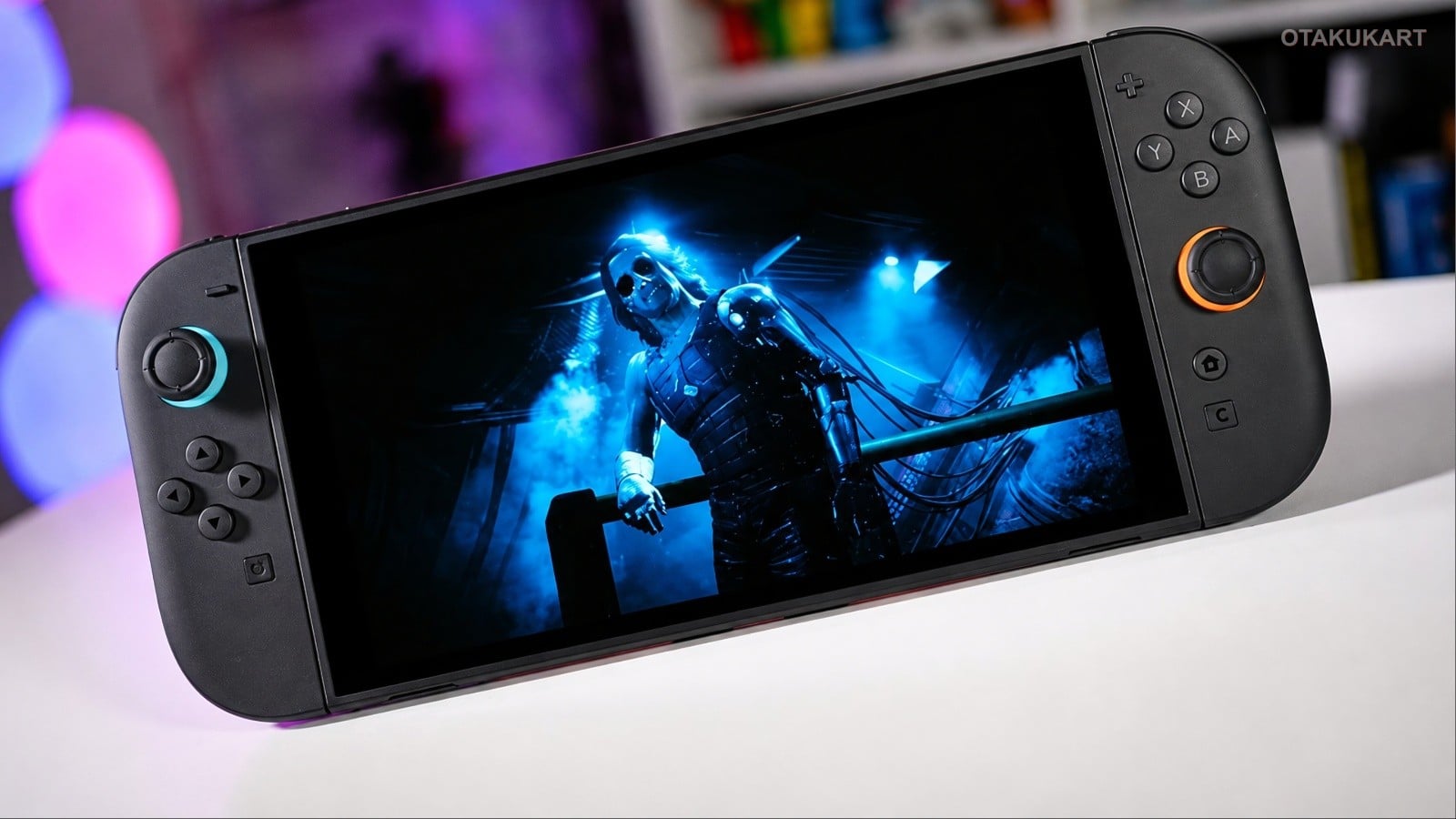
That distinction matters more than it sounds. A remaster that runs on new hardware is a low-cost way to generate fresh software revenue from an existing IP, exactly the kind of move Nintendo’s own earnings language is pointing toward. Graphics comparisons from ElAnalistaDeBits found the Switch 2 version targeting 1080p at 30 FPS, sharper than Series S but trailing PS5. Not a flashy new console generation. Just another software release keeping the install base engaged, which is precisely the point.
It Takes Two making its way to Switch 2 later this year, reportedly in October 2026 with enhanced performance, follows the identical logic. Old IP, new platform, no new hardware required to generate the sale.
The Streaming Playbook Nintendo Is Quietly Copying
Netflix isn’t just chasing subscribers anymore either. The company nearly doubled its 2026 US advertising commitments during its latest Upfront, a move OtakuKart covered in detail, signaling that even the biggest streaming platform in the world is diversifying revenue streams beyond the core subscription fee.
That’s the throughline connecting all of this. Hardware sales are a single, one-time transaction. Software, subscriptions, and advertising are recurring. Once a platform, whether it’s a console maker, a streaming service, or a digital entertainment product of any kind, gets a customer in the door, the entire business model shifts toward keeping them spending long after the initial purchase.
Nintendo isn’t abandoning hardware. Nobody expects a Switch 3 announcement to flop. But the emphasis has changed, and it changed fast. A company that spent forty years selling consoles is now talking to investors primarily about software attach rates and IP monetization. That’s not a subtle shift. That’s the entire industry’s business model rewriting itself in real time, and Nintendo just happened to say it out loud first.
Frequently Asked Questions
Why is Nintendo’s Switch 2 hardware growth slowing down? Most buyers who wanted a Switch 2 near launch have already bought one, so unit sales naturally taper after the early rush. Nintendo itself has said future growth will depend more on software and IP revenue than on hardware volume going forward.
Is the Switch 2 still selling well compared to other consoles? Yes. TechRadar’s analysis ranks it as the second fastest-selling console in US history, and CNBC reported Nintendo raised its own sales forecast to 19 million units. Slowing growth doesn’t mean weak performance, it means the initial surge is normalizing.
How does Nintendo’s strategy compare to streaming platforms like Netflix? Both are shifting from one-time transactions toward recurring revenue. Netflix leans on subscriptions and advertising; Nintendo leans on software sales and IP licensing. Both are also expanding aggressively into international markets to keep growth numbers climbing.
Is Oblivion Remastered a new game or just a graphics update? Bethesda’s own art director pushed back on calling it a full remake, arguing it’s built around the original game’s systems with a substantial visual overhaul layered on top. It sits closer to a remaster than a ground-up rebuild.
Will Nintendo eventually stop making new hardware generations? Unlikely. Hardware still drives the initial audience that later generations of software monetize. What’s changing is the balance, hardware launches will likely become less frequent while software and licensing revenue take on a larger share of overall income.
Nintendo’s admission this month is a small paragraph in an earnings report, but it’s a preview of where every entertainment platform, gaming or otherwise, is already headed. Hardware gets people in the door once. Everything after that is about keeping them spending, and reaching new audiences wherever the next growth market happens to be.