The Elder Scrolls IV: Oblivion Remastered is notable on Nintendo Switch 2 for more than simply bringing Bethesda’s classic RPG to another platform. According to Bethesda Associate Art Director Dan Lee, the Switch 2 version is the first open-world Unreal Engine 5 game on the system, creating a significant technical challenge for the developers and Virtuos. The team had no comparable Switch 2 project to use as a benchmark when adapting the remaster.
In an interview with Nintendo Life, Lee and Bethesda Studio Director Tom Mustaine discussed how the team approached the port, including its technical limitations, physical release and the decision to preserve the original game’s underlying systems.
Oblivion Remastered presented a unique Switch 2 challenge
Moving Oblivion Remastered to Switch 2 required Bethesda and Virtuos to account for the console’s different hardware strengths while maintaining the visual improvements introduced by the Unreal Engine 5 version. Lee explained that the developers could not simply look at another comparable Switch 2 game for guidance because Oblivion Remastered was attempting something relatively new on Nintendo’s hardware.
“I think that this is the first open-world Unreal Engine 5 game on Switch 2,”
Lee told Nintendo Life. That meant the development team had to determine how best to handle the game’s demanding world streaming and high-fidelity assets specifically for the new console.
The team optimized world streaming and adjusted various elements to make the experience work effectively on Switch 2. The developers also added platform-specific features, including motion controls, mouse support and touchscreen functionality, while ensuring the game’s interface remained readable in handheld mode.
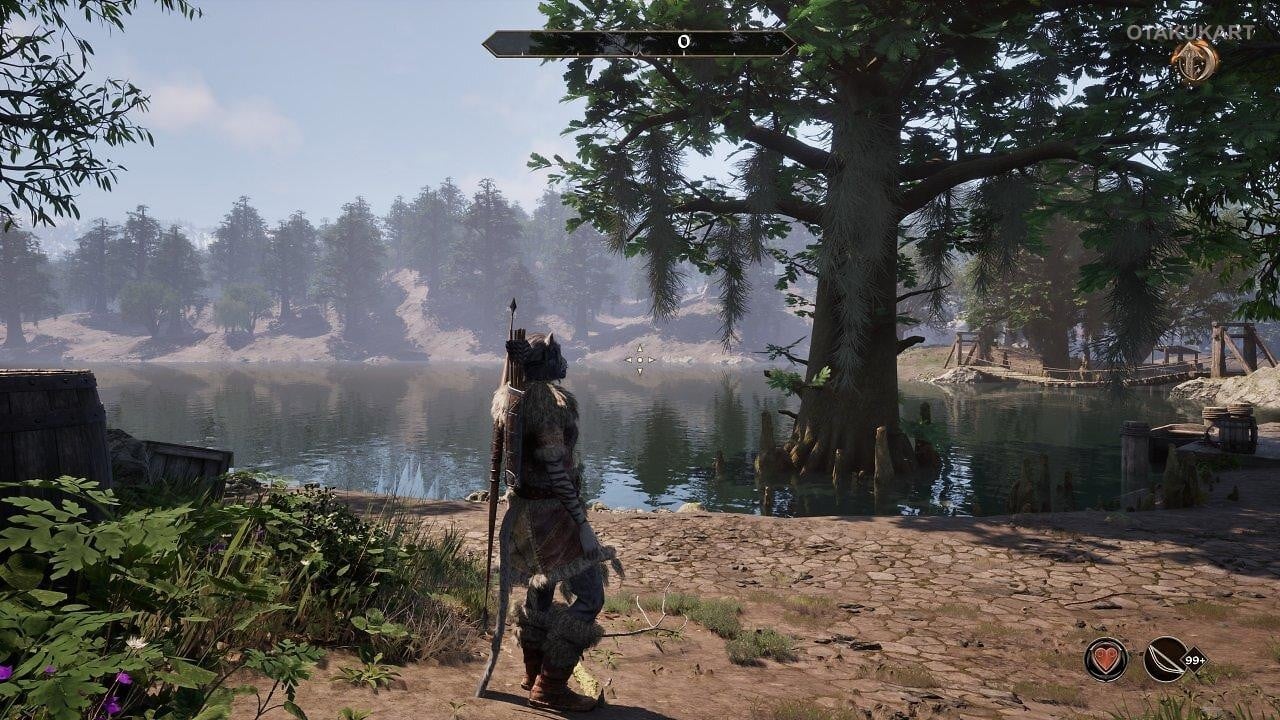
Lee explained that even smaller elements required attention. The team enlarged the compass for handheld play and adjusted menus to work better on the Switch 2’s screen. Players can also use the touchscreen and switch mouse controls between the left and right hands.
Bethesda kept the original game underneath the remake-like visuals
Despite the extensive visual overhaul, Bethesda does not consider Oblivion Remastered a full remake. Lee explained that the project retains much of the original game’s underlying structure, with the new visual presentation built on top of it.
“The core bones are still the original game,”
Lee said. He explained that the team rebuilt the art while retaining the original foundation, making the project fundamentally different from games such as Resident Evil 2 or Final Fantasy VII Remake, which reconstruct their predecessors more extensively.
The developers also fixed numerous bugs from the 2006 release while preserving the original gameplay logic. Mustaine compared the approach to keeping the original game’s
“brain in a jar”
while connecting new components to it.
The full remaster fits on a Switch 2 cartridge
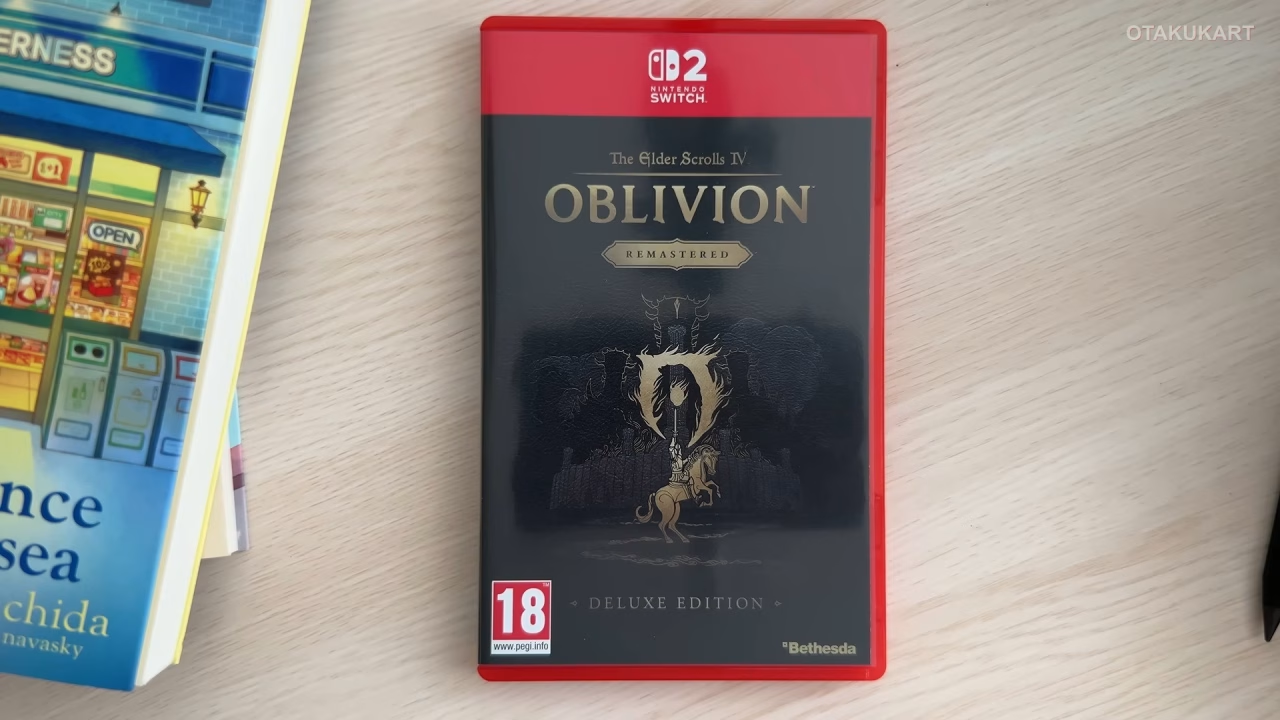
One of Bethesda’s other major accomplishments was getting the complete Oblivion Remastered experience onto a physical Switch 2 cartridge. The developers had considered physical media from the beginning, but the game’s size and additional enhancements made storage a significant concern.
“We always had physical in mind for this product,”
Mustaine explained to Nintendo Life. The team ultimately managed to fit the game onto the cartridge without requiring players to rely on a code-in-a-box release.
Bethesda also says the Switch 2 version is designed to be playable directly from the cartridge, with the developers targeting 30 FPS across platforms as closely as possible. A hotfix was already planned for minor issues, but Mustaine said there were no major outstanding problems at the time of the interview.
The Switch 2 version therefore represents an important technical experiment for Bethesda: a large-scale Unreal Engine 5 open-world RPG adapted specifically for Nintendo’s hardware while retaining the systems that made the original Oblivion distinctive.
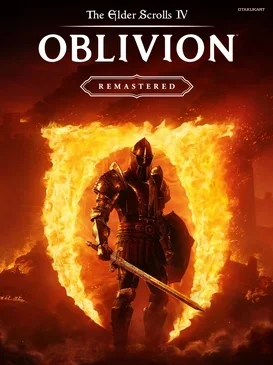
| Release Date | March 20, 2006 |
|---|---|
| Platforms | PC, Xbox 360 |
| Developer | Bethesda Game Studios |
| Director | Todd Howard |
| Writer / Narrative | Emil Pagliarulo Michael Kirkbride Kurt Kuhlmann |