
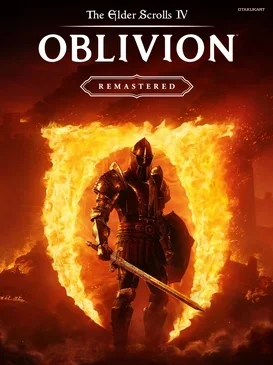
Bethesda has explained why it considers The Elder Scrolls IV: Oblivion Remastered a remaster rather than a full remake, despite the game receiving a substantial visual overhaul. In an interview with Nintendo Life, Bethesda Associate Art Director Dan Lee and Studio Director Tom Mustaine discussed the philosophy behind the project and the work required to bring it to Nintendo Switch 2.
For Lee, the distinction comes down to what remains underneath the extensive visual changes. While much of the game’s art was rebuilt, Bethesda retained the original game’s fundamental systems and logic instead of creating a new interpretation from the ground up.
Why Bethesda calls Oblivion Remastered a remaster
Lee explained that describing the project as a remake would be misleading because the original game’s foundation remains central to how the remaster works.
“The core bones are still the original game,”
he said, explaining that Bethesda took the existing foundation and built new visual elements and improvements around it.
That approach separates Oblivion Remastered from games such as Resident Evil 2 and Final Fantasy VII Remake, which substantially reconstruct their original games around new designs and interpretations. According to Lee, Oblivion Remastered instead preserves many of the elements that made the 2006 RPG function as it did.
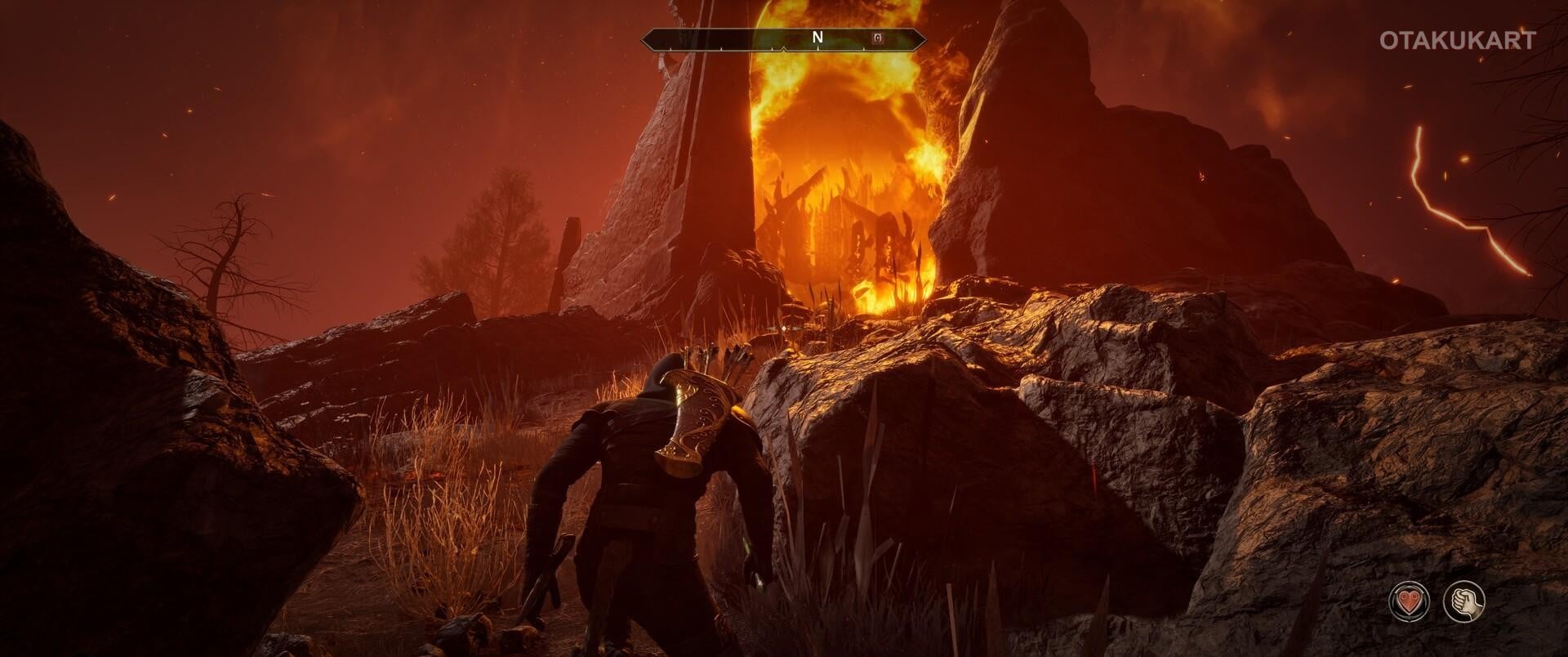
The team did make extensive improvements beyond graphics. Bethesda went through the original code and fixed numerous bugs that were present in the 2006 release, while also updating elements such as the map and interface. Mustaine described the original game as a
“brain in a jar,”
with that underlying logic continuing to control the remastered experience.
The result is therefore intended to look dramatically different without fundamentally replacing the game’s original identity. Bethesda has effectively rebuilt the presentation while keeping the underlying game systems responsible for quests, exploration and interactions.
Switch 2 required its own technical approach
Bringing Oblivion Remastered to Nintendo Switch 2 presented another challenge because the team could not simply treat the console like an existing platform. Lee noted that the system has its own strengths and limitations, requiring Bethesda and development partner Virtuos to optimize the game specifically for the hardware.
According to Lee, Oblivion Remastered is the first open-world Unreal Engine 5 game on Switch 2, meaning the team had little existing precedent for handling such a technically demanding project on Nintendo’s new hardware. Developers worked on world streaming and other systems to make the large open world function properly.
The Switch 2 version also includes features designed specifically around the console’s capabilities, including motion controls, mouse support and touchscreen functionality. The interface was adjusted for handheld play as well, with elements such as the compass enlarged to remain easier to use on the smaller display.
Bethesda wanted the complete game on cartridge
One of the team’s other major goals was ensuring the entire game could fit on a physical Switch 2 cartridge. Mustaine said physical media was considered from the beginning, with the team repeatedly evaluating whether the large remaster and its additional content could fit within the available storage.
Lee emphasized that physical preservation was personally important to him and described getting the complete game onto the cartridge as a significant achievement. The team ultimately managed to fit the game within the storage limit while retaining its upgraded visuals and additional improvements.
Bethesda also says the Switch 2 version was designed to be playable directly from the cartridge, with a hotfix planned for minor issues rather than requiring players to immediately download a substantial update. That approach reflects the broader philosophy behind the port: preserve the original Oblivion experience while making its technology and presentation suitable for modern hardware.
| Release Date | March 20, 2006 |
|---|---|
| Platforms | PC, Xbox 360 |
| Developer | Bethesda Game Studios |
| Director | Todd Howard |
| Writer / Narrative | Emil Pagliarulo Michael Kirkbride Kurt Kuhlmann |