
The Stop Killing Games (SKG) movement has intensified its criticism of PlayStation’s transition toward digital game distribution, arguing that the decline of physical discs could weaken consumer ownership rights. In a new public statement titled “A Story of Lies,” the organization outlined its position on Sony’s evolving strategy and renewed its campaign in support of physical game preservation.
Originally launched in 2024 following Ubisoft’s shutdown of The Crew, the Stop Killing Games initiative has grown into one of the gaming industry’s largest consumer-rights campaigns. Its European Citizens’ Initiative petition surpassed one million verified signatures, drawing attention from European lawmakers and sparking wider discussions about game ownership and digital preservation.
Stop Killing Games questions Sony’s digital-only direction
In a series of posts published on X, Stop Killing Games outlined several reasons it believes Sony is moving away from physical game discs. According to the organization, digital-only releases reduce game resales, provide publishers with greater control over how games are used, limit true ownership, and discourage modding communities that can extend a game’s lifespan through user-created content.
The movement ended its latest statement with a strong message, claiming,
“They want to take away our rights, scam us out of our money, and undo achievements that go back as far as the French Revolution.”
It also revealed that it is continuing to work with preservation-focused group DoesItPlay?, which has extensively researched the functionality and preservation of physical PlayStation releases.
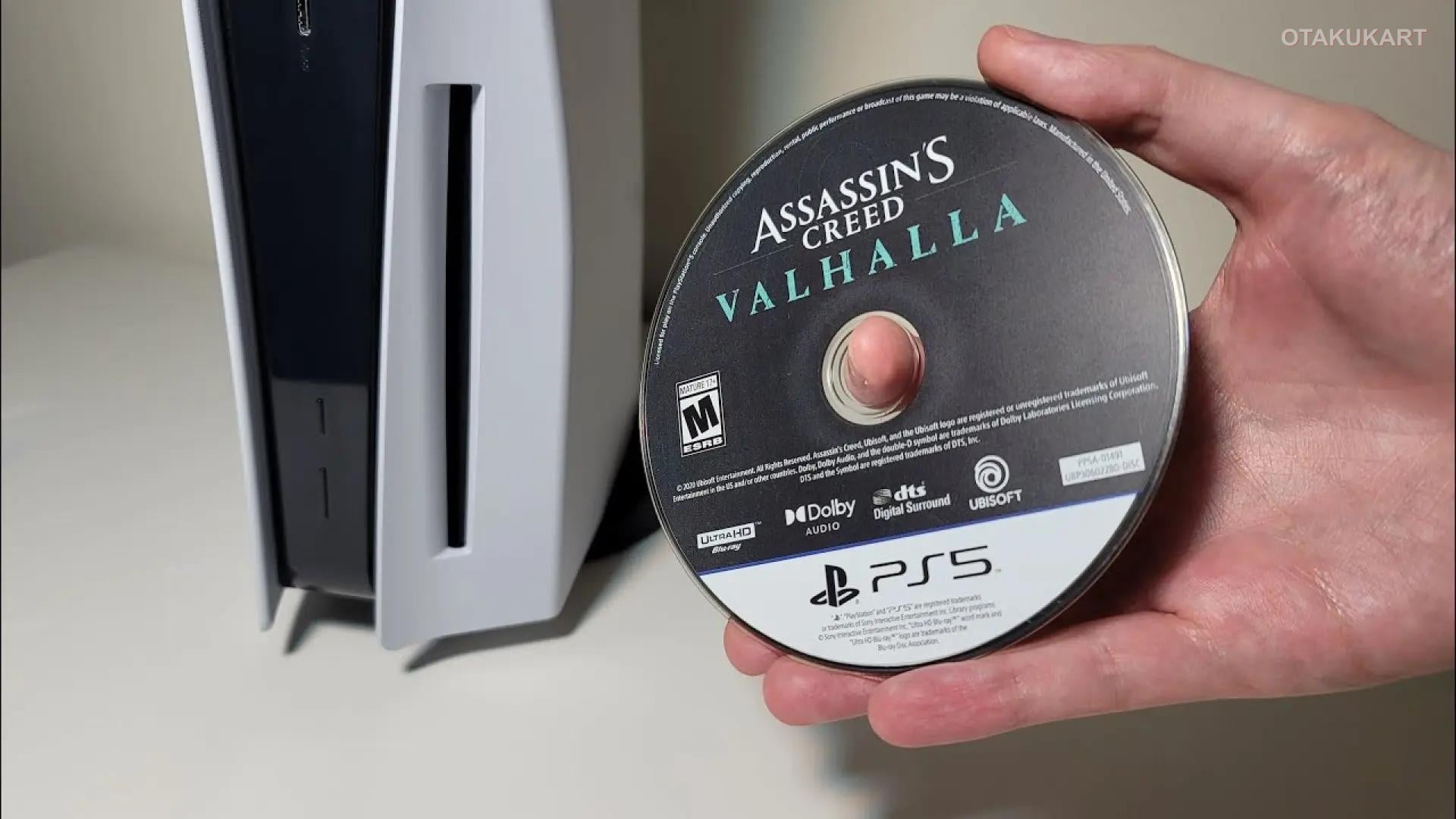
“No Disc, No Buy” campaign gains momentum
Alongside its latest statements, Stop Killing Games has increasingly adopted the “No Disc, No Buy” slogan, a growing online campaign encouraging players to avoid purchasing digital-only PlayStation titles. While the movement has not announced any formal boycott, the hashtag has become a rallying point for gamers advocating for physical media and long-term ownership rights.
The debate has also drawn comments from industry veterans. Speaking previously about physical media, Rockstar Games co-founder Dan Houser said,
“If people want [a physical disc], I think companies should provide it.”
His remarks reflect concerns shared by many players, even as the broader industry continues shifting toward digital distribution.
Sony has not publicly responded to Stop Killing Games’ latest claims or the broader criticism surrounding its digital strategy. As publishers increasingly embrace digital releases, the future of physical game ownership is likely to remain a major topic for consumers, developers, and regulators alike.