
Palworld publishing and communications lead John “Bucky” Buckley believes indie developers should not abandon Steam Next Fest despite concerns about AI-generated games flooding the platform. In a post on X published on October 20, 2026, Buckley argued that struggling to attract players is not a new problem for smaller studios, even as concerns about low-quality AI-generated releases continue to grow.
Buckley acknowledged that AI slop can make discovering worthwhile games more difficult. However, he argued that developers should not blame every disappointing result on generative AI or the growing number of demos competing for attention. For him, Steam Next Fest remains a worthwhile opportunity to introduce upcoming games to players, collect feedback, and build wishlists before launch.
BUCKLEY SAYS AI GAMES AREN’T THE ONLY REASON INDIE DEMOS GET OVERLOOKED
Buckley pointed out that Steam Next Fest has always had a visibility problem. Although Steam initially randomizes demo listings, attention often shifts toward a smaller group of popular games once discussions and recommendations begin spreading.
“The cream rises to the top,”
Buckley remarked, suggesting that some games naturally gain momentum while others struggle to find an audience. Marketing, community engagement, and early player interest can all influence which demos receive attention.
He also acknowledged that low-effort releases and asset flips existed on Steam long before generative AI became a major concern. In his view, blaming AI-generated games alone overlooks the broader challenges indie developers face when competing in a crowded marketplace.
WHY STEAM NEXT FEST HAS CHANGED FOR INDIE STUDIOS
Buckley recalled that Steam Next Fest was a more niche event five or six years ago. Its audience included players who actively tested demos, reported bugs, provided feedback, and searched for lesser-known projects.
The festival has since attracted a wider audience, with social media discussions and influencer coverage helping more games reach potential players. However, this growth has also changed how people approach the event, with many gravitating toward demos that already have substantial visibility or appear especially polished.
This can disadvantage smaller studios without established communities or large marketing budgets. Buckley also cautioned against judging the festival solely through viral successes or particularly disappointing launches, arguing that thousands of games fall between those extremes.
PALWORLD LEAD URGES DEVELOPERS TO KEEP TAKING THE RISK
Despite these challenges, Buckley believes Steam Next Fest remains worth entering. He suggested that developers should examine historical performance data rather than assume increased competition has made the festival ineffective. He also pointed toward research from GameDiscoverCo and How To Market A Game as useful resources for understanding the event’s performance over time.
Buckley ended his message with encouragement for developers discouraged by poor results.
“I know it seems discouraging, and I know it might feel like you should give up, but don’t,”
he wrote.
He added,
“Next Fest has always been a gamble, and it’s a gamble I think is still worth taking.”
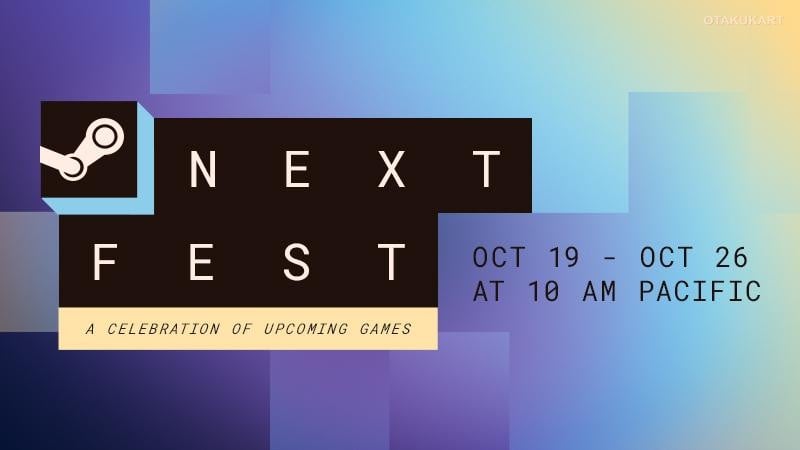
The October 2026 edition of Steam Next Fest runs from October 19 to October 26, giving developers an opportunity to showcase playable demos, gather feedback, and attract potential buyers ahead of release.
| Platforms | Microsoft Windows |
|---|---|
| Developer | Pocketpair |