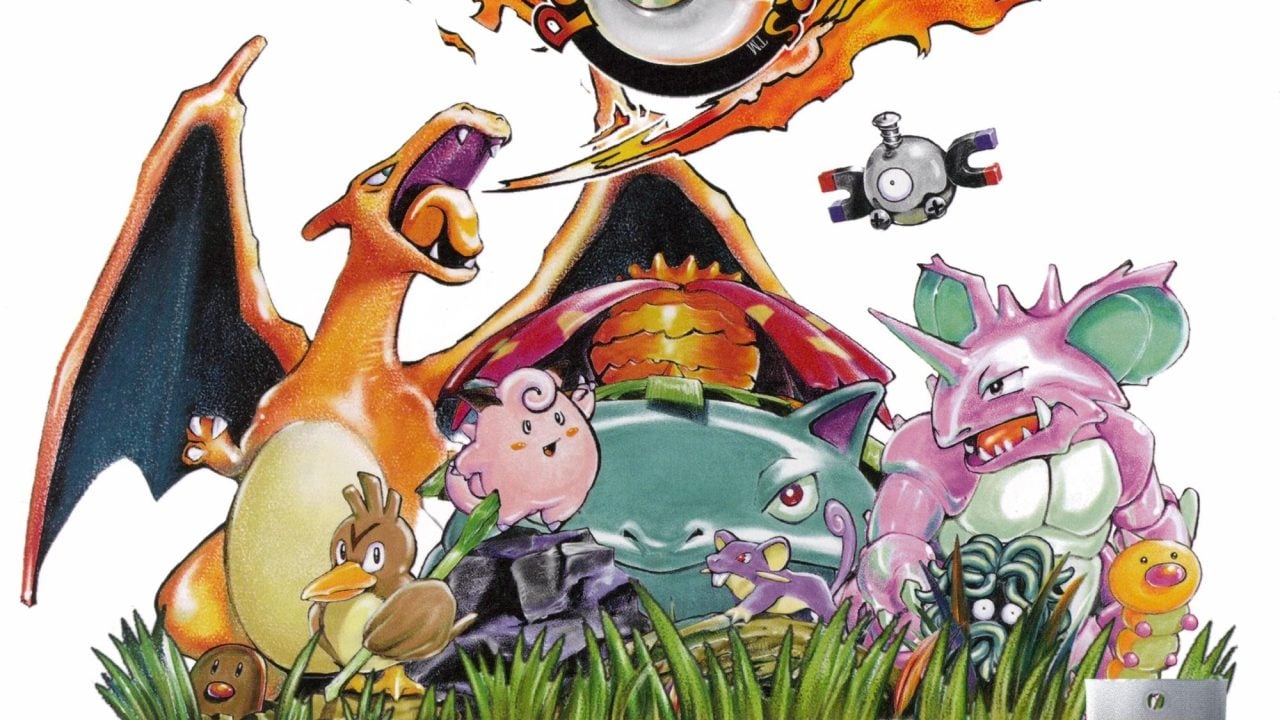
A piece of Nintendo history has resurfaced thanks to the Video Game History Foundation, offering fans a rare look at the moment Pokémon was officially introduced to North American audiences. The archived footage from Nintendo’s E3 1998 presentation highlights how the company presented Pokémon as far more than a Game Boy title, showcasing its rapid growth across games, anime, trading cards, and merchandise before its Western launch.
The presentation, now publicly available through the Video Game History Foundation, demonstrates that Nintendo had already recognized Pokémon’s potential to become a worldwide entertainment brand. Looking back more than 25 years later, many of the statistics shared during the event help explain why the franchise has since grown into one of the highest-grossing media properties in history.
Nintendo showcased Pokémon’s unprecedented rise in Japan
The Pokémon segment, which appears roughly between minutes 23 and 29 of the presentation, introduced American audiences to a phenomenon that had already taken Japan by storm.
To emphasize the franchise’s momentum, Nintendo highlighted several remarkable achievements from Pokémon’s first two years. According to the presentation, the original Pokémon Red and Green games had sold more than 8 million copies on the Game Boy. The company also revealed that over 300 million Pokémon Trading Card Game cards had already been sold, while Pokémon CDs surpassed 1 million sales, manga attracted more than 2 million readers, and the anime had become Japan’s number one television cartoon.
Nintendo also pointed to Pikachu’s growing popularity, noting that the Electric-type mascot had become the country’s best-selling plush toy. Together, these milestones demonstrated that Pokémon’s appeal extended well beyond video games and had already evolved into a multimedia franchise.
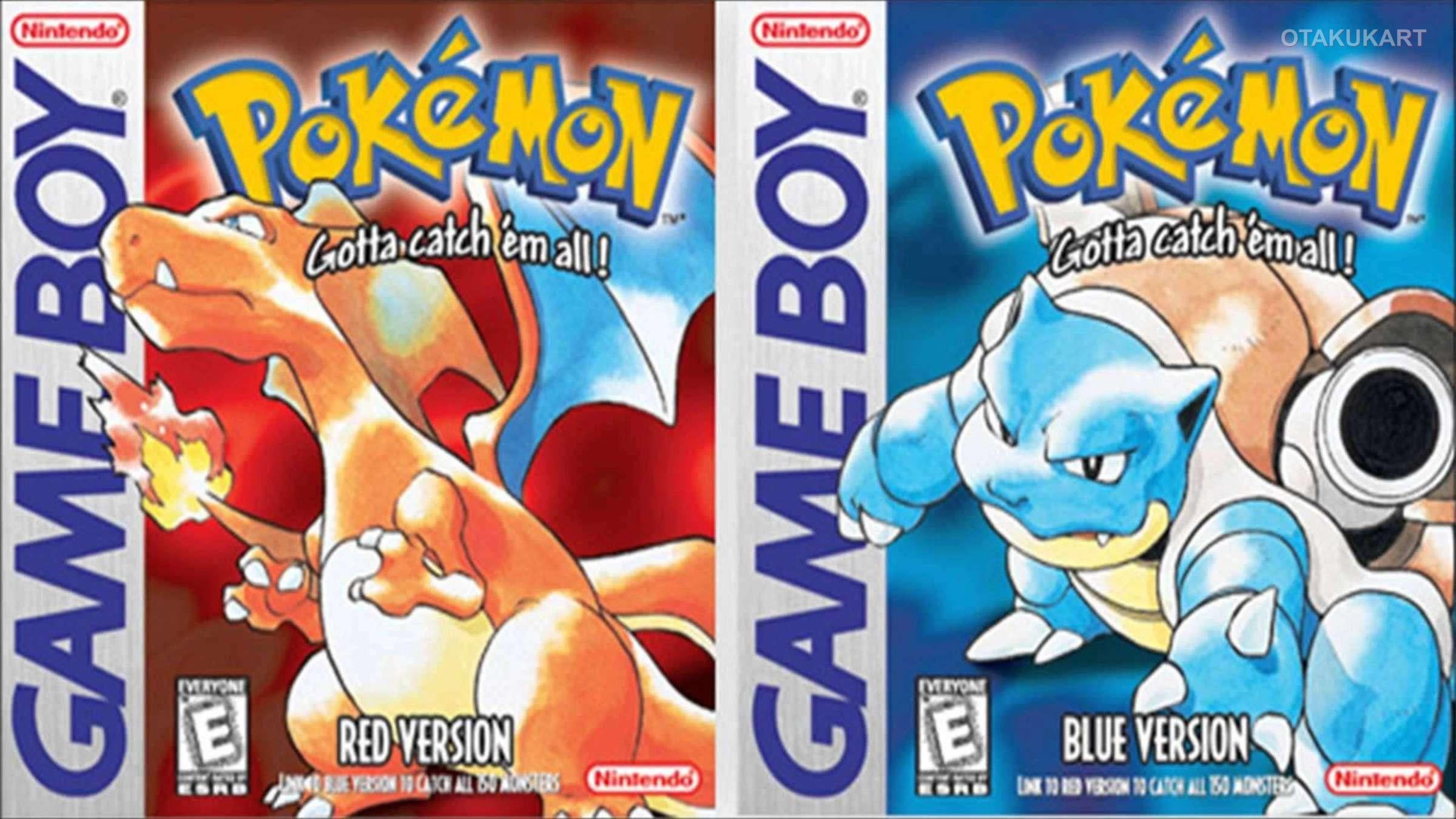
Those numbers were particularly impressive given that Pokémon had debuted in Japan only in 1996. By the time of E3 1998, Nintendo was preparing to bring the games, anime, and trading card game to North America simultaneously, laying the foundation for what would become a global cultural phenomenon.
The presentation reflected Nintendo’s broader strategy
Beyond introducing Pokémon, the historic E3 presentation captured one of Nintendo’s most important showcases of the late 1990s. The company revealed the Game Boy Color, announcing a launch price of $79.95 while highlighting its ability to display up to 56 colors, a major upgrade over the original Game Boy.
The event also featured legendary game designer Shigeru Miyamoto, who appeared on stage to discuss The Legend of Zelda: Ocarina of Time. Attendees at E3 1998 were among the first people outside Nintendo to experience the highly anticipated Nintendo 64 title, making it one of the convention’s biggest attractions.
For Pokémon fans today, however, the rediscovered presentation serves as an important reminder of how carefully Nintendo positioned the franchise before its international debut. Rather than marketing Pokémon solely as another handheld RPG, the company showcased its anime, trading cards, manga, music, and merchandise together, illustrating a long-term vision that ultimately helped transform Pokémon into a worldwide entertainment powerhouse.
More than two decades later, Pokémon continues to thrive across video games, television, films, mobile titles, and the Pokémon Trading Card Game. The preserved E3 footage offers a fascinating snapshot of the moment Nintendo introduced the franchise to American audiences—and the remarkable statistics that hinted at its extraordinary future.