Nintendo has published its financial results for the first half of fiscal year 2026-27, revealing updated sales figures for the Nintendo Switch 2 and original Nintendo Switch. According to the November 5, 2026, report, the Switch 2 has reached 26.35 million hardware sales worldwide, while its predecessor has climbed to 157.20 million units.
The results cover the six-month period between April and September 2026. Although Nintendo recorded lower revenue compared to the same period last year, its operating profit increased considerably, supported by software sales, digital purchases, and revenue from its entertainment properties.
The latest figures also highlight the continued commercial success of Nintendo’s existing software library as the company expands its current-generation console lineup.
Nintendo Switch 2 Reaches 26.35 Million Sales Worldwide
Nintendo Switch 2 hardware sales reached 26.35 million units as of September 30, 2026. The company sold 6.49 million consoles during the first half of the fiscal year, bringing its cumulative software sales to 73.21 million units.
Nintendo also highlighted the performance of several major releases during this period. Star Fox, released in June, sold 1.17 million copies, while Splatoon Raiders reached 2.42 million units following its July launch. Meanwhile, Fire Emblem: Fortune’s Weave, released in September, recorded 1.34 million sales.
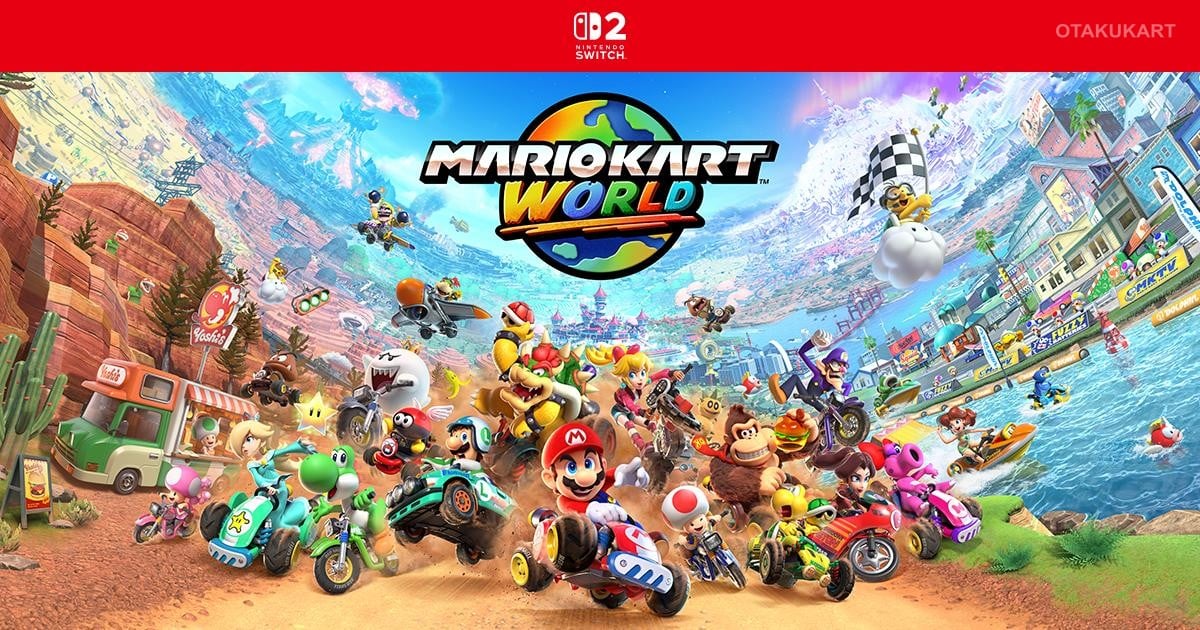
Previously released titles also continued attracting buyers. Mario Kart World and Pokémon Pokopia contributed to the console’s software performance, demonstrating the importance of maintaining a strong first-party lineup beyond new releases.
The original Nintendo Switch also maintained a considerable presence in the market. Its lifetime hardware sales reached 157.20 million units, with 1.27 million consoles sold during the reporting period. Its software sales reached 1,593.87 million units, further highlighting the platform’s extensive player base.
Nintendo’s Financial Performance Shows Stronger Profit Growth
Nintendo reported net sales of 966 billion yen for the six months ending September 30, representing a 12.1% decline compared to the previous year. However, operating profit increased by 49.1% to 216.5 billion yen.
The company also recorded 300.6 billion yen in ordinary profit, marking a 27.4% increase. Net profit attributable to shareholders reached 220.9 billion yen, up 11% year-over-year.
Digital sales provided another major boost, reaching 249.6 billion yen, an increase of 60.5%. Nintendo attributed this growth primarily to stronger sales of downloadable versions of packaged games.
Its intellectual property business also experienced significant growth. Revenue from mobile games, licensing, and other IP-related activities reached 62.7 billion yen, up 87.9% compared to the previous year. Nintendo credited the strong audience engagement surrounding The Super Mario Galaxy Movie for helping drive this increase.
Despite the decline in net sales, stronger software contributions helped improve profitability. Nintendo also benefited from a refund of previously recorded US IEEPA tariffs during the first quarter.
Nintendo Outlines Its Upcoming Switch 2 Software Plans
Nintendo intends to expand the Switch 2’s user base through additional hardware offerings and upcoming software releases. In October, the company introduced the Nintendo Switch 2 – The Legend of Zelda – 40th Anniversary Edition, featuring a special design celebrating the franchise’s milestone.
The software lineup includes Nintendo Switch Sports Resort, which launched in October, and The Legend of Zelda: Ocarina of Time, released in November. Nintendo has also scheduled Metroid Ravenous for January 2027.
The company plans to maintain interest in its new console by supporting existing releases while introducing additional games from both Nintendo and third-party publishers. It will also continue supporting the original Switch, allowing its established audience to contribute to software sales.
Nintendo has retained its previously announced full-year financial outlook for the fiscal year ending March 2027. Its strategy remains focused on expanding Switch 2 hardware adoption while generating continued software revenue from both console generations.