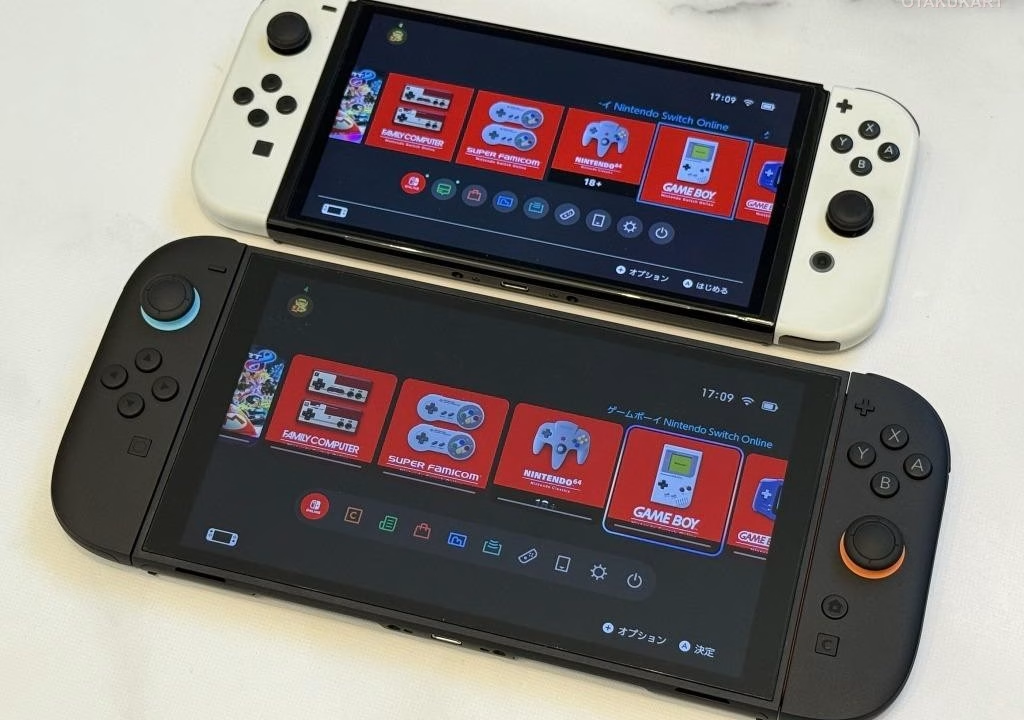
Nintendo fellow Shigeru Miyamoto believes the company’s long-term strategy could lead to more households owning multiple Nintendo consoles at the same time. Rather than encouraging players to abandon older hardware whenever a new system launches, Miyamoto says Nintendo hopes future generations of consoles will coexist, creating benefits for both players and developers.
Speaking in an interview with Famitsu, Miyamoto explained that Nintendo’s shared hardware approach between the Nintendo Switch and Nintendo Switch 2 is designed to reduce development challenges while allowing studios to support a broader audience.
Miyamoto envisions a future where Nintendo consoles coexist
During the interview, Miyamoto said Nintendo wants to make game development more efficient by minimizing unnecessary workload for developers.
“We all want to put minimal effort into making a living; live the easy life… I’m half joking,”
Miyamoto said with a laugh.
“I think it’s really important to reduce workload and streamline development, and in this regard, I think we created the perfect environment.”
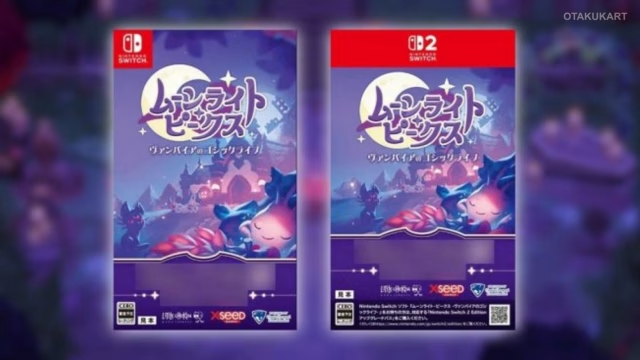
According to Miyamoto, that “perfect environment” comes from the similarities between the Switch and Switch 2 hardware. Developers can choose to build games exclusively for the more powerful Switch 2 or release titles across both platforms, allowing them to reach a larger player base without completely leaving older hardware behind.
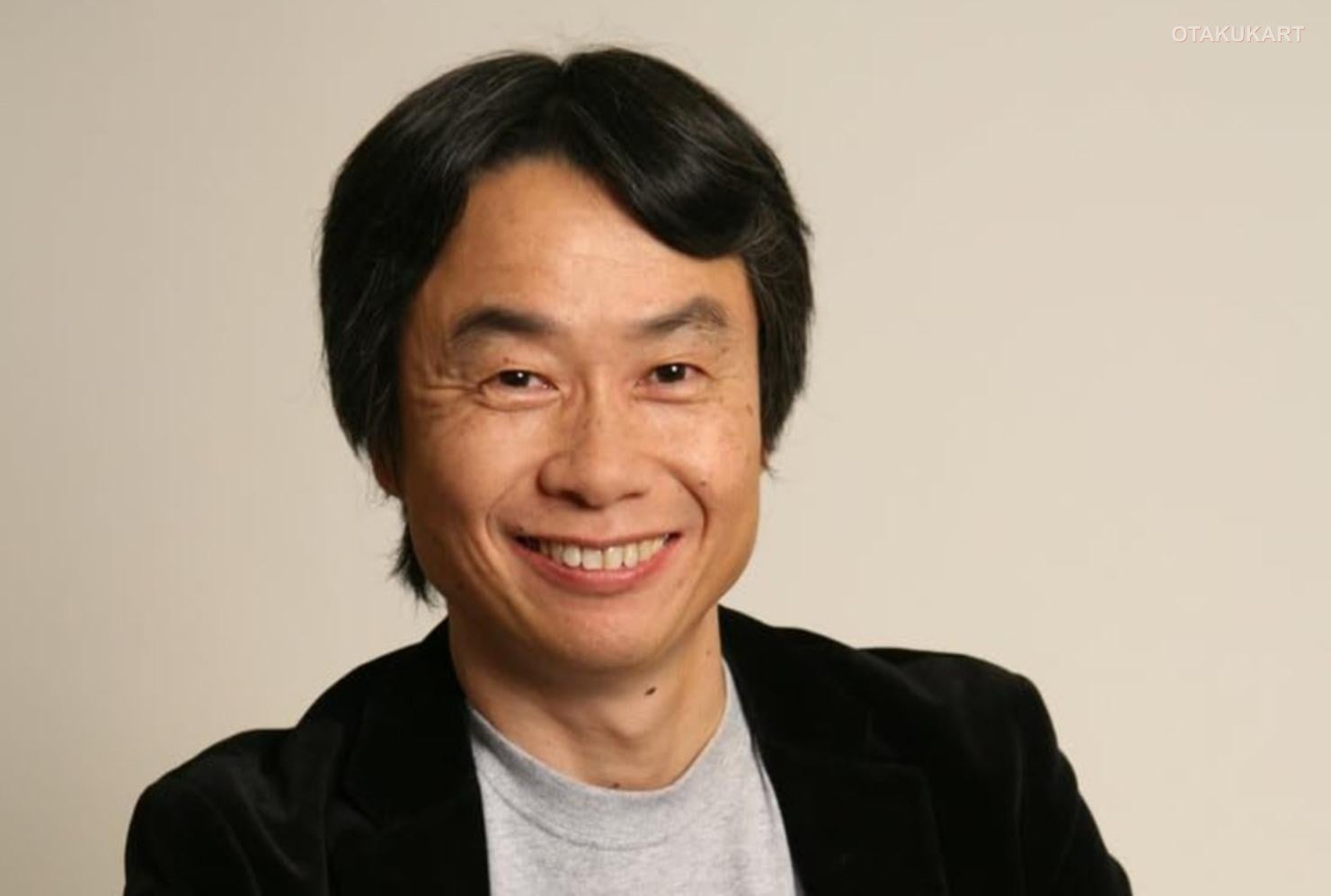
He noted that many Nintendo fans already own more than one Nintendo system, and he expects that trend to continue.
“There are people who have multiple Nintendo consoles at home,”
Miyamoto said.
“In a few years, there will come a time when this is the norm… I think that would be the best scenario.”
Rather than forcing every game to target identical hardware capabilities, Nintendo’s approach gives developers flexibility in deciding how they use the Switch 2’s increased performance. Studios can build visually enhanced experiences for newer hardware while continuing to support the original Switch when appropriate.
Miyamoto explained that this strategy could also reduce concerns about newer consoles hurting sales of games on older platforms. Instead, Nintendo hopes multiple generations can exist side by side, giving consumers more choice while creating a smoother transition between console generations.
The comments provide further insight into Nintendo’s long-term hardware strategy following the launch of the Nintendo Switch 2, suggesting the company sees future platforms as complementary rather than immediate replacements.