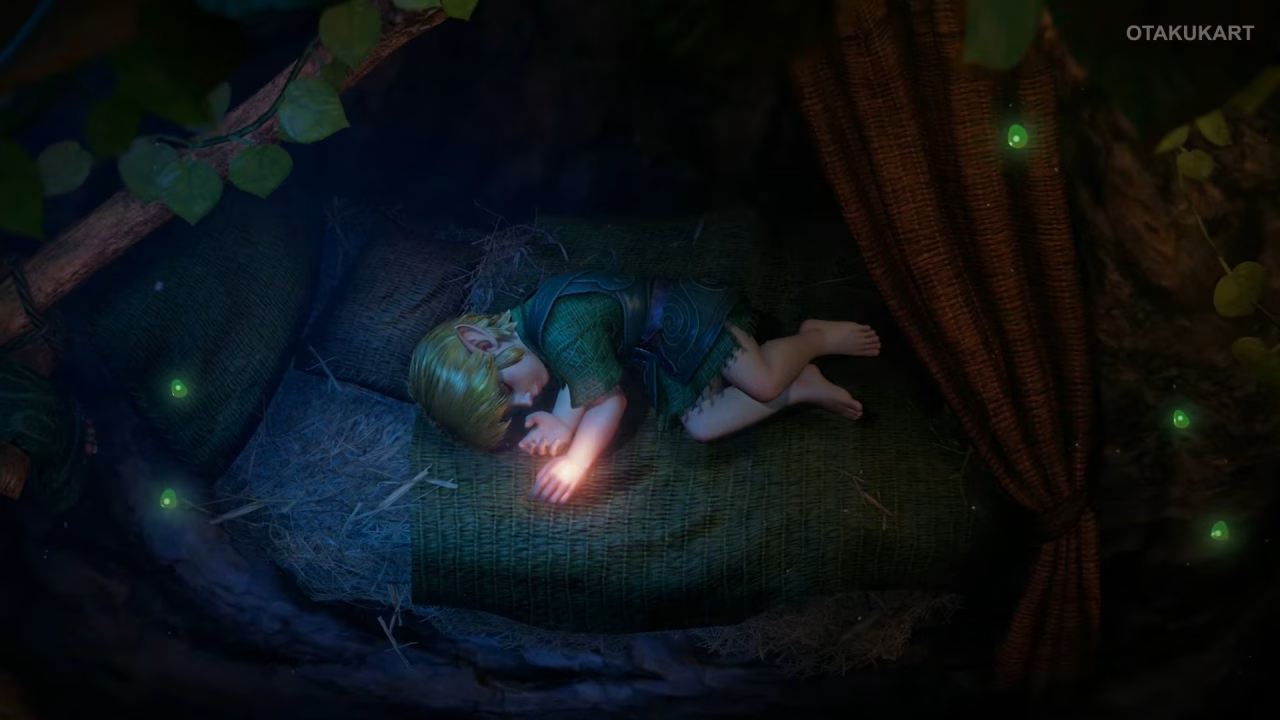
Nintendo has updated the official Japanese website for The Legend of Zelda: Ocarina of Time, revealing a potentially important change to the franchise’s complicated timeline. The update comes alongside the full reveal of the Ocarina of Time remake and has reignited debate over where Breath of the Wild and Tears of the Kingdom fit within Zelda’s established chronology.
The change appears relatively small on the surface, but it could have major implications for the history of Hyrule. The updated timeline now places a second “founding of the Kingdom of Hyrule” immediately before the Imprisoning War, in addition to the founding already shown after Skyward Sword.
Zelda Timeline Update Could Explain Tears of the Kingdom’s Hyrule
The change appears to support a long-running fan theory surrounding King Rauru and the Hyrule depicted in Tears of the Kingdom. Rather than being the original Hyrule founded after Skyward Sword, Rauru’s kingdom may represent a later refounding of Hyrule that occurred much further into the series’ history.
This distinction has been debated by Zelda fans since Tears of the Kingdom introduced Rauru and Sonia as the founders of its version of Hyrule. The updated information provides new evidence for the idea that the kingdom seen in the Wild-era games is separate from the Hyrule established earlier in the timeline.
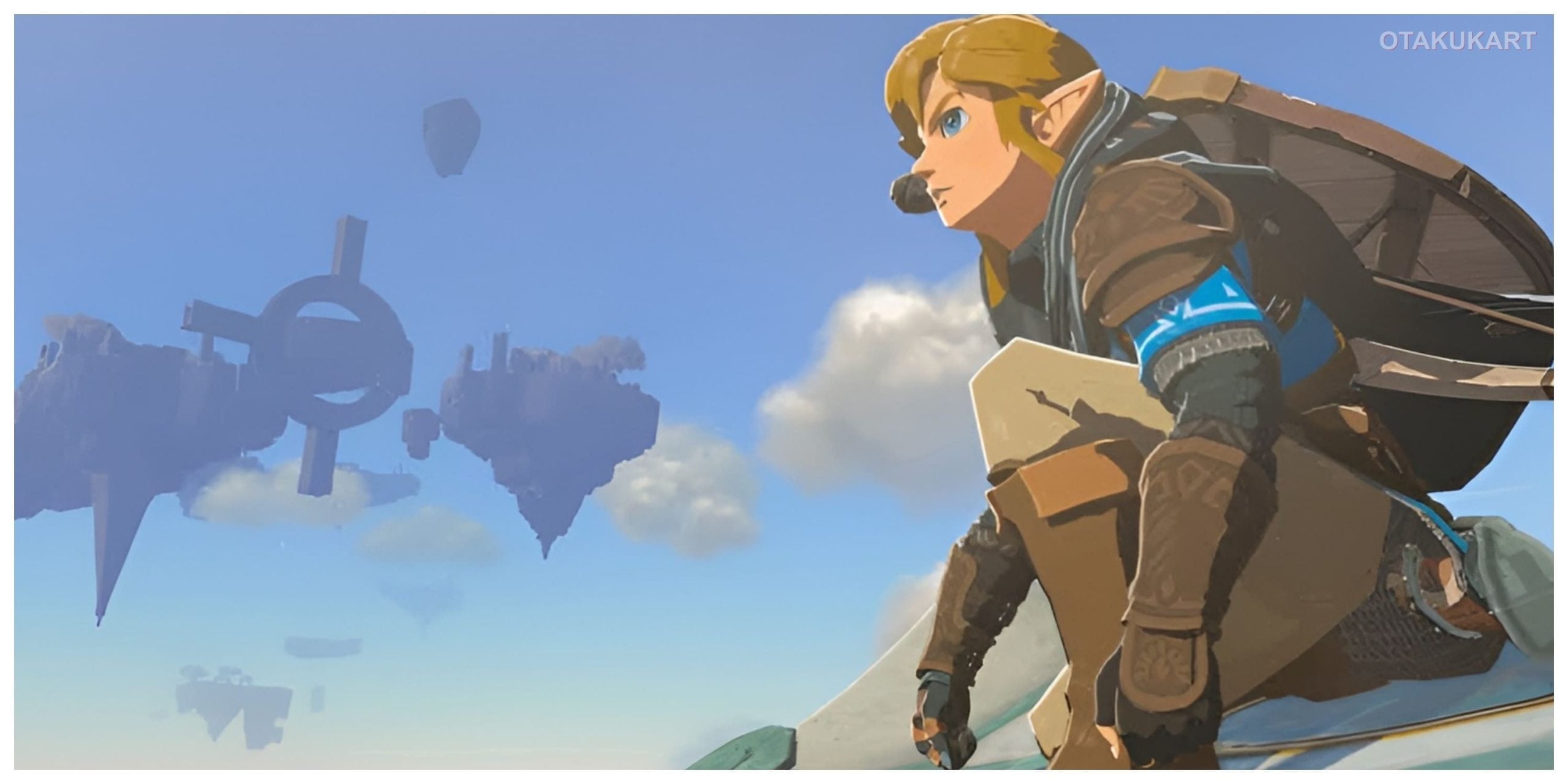
There is another potentially significant discovery in the website’s source code. According to Zelda content creator Zeltik, Breath of the Wild and Tears of the Kingdom are referred to as a “shared epilogue,” potentially suggesting that the two games represent an ending point shared by the series’ different timeline branches rather than belonging exclusively to one branch.
The Ocarina of Time remake itself also appears to contain visual details connecting it with the modern Zelda games. The Sheikah Eye effect features a swirling pattern resembling the designs associated with Breath of the Wild, while characters such as Mido have white arm markings that resemble the tattoos seen on Queen Sonia in Tears of the Kingdom.
Zeltik has suggested these visual similarities could represent early versions of patterns that later appear in the series’ chronology, although Nintendo has not officially confirmed that interpretation.
The Legend of Zelda: Ocarina of Time remake launches exclusively on Nintendo Switch 2 on November 5, 2026.
| Release Date | November 21, 1998 |
|---|---|
| Platforms | Nintendo 64, Nintendo GameCube, iQue Player, Nintendo 3DS +1 more |
| Developer | Nintendo EAD |
| Director | Eiji Aonuma Yoshiaki Koizumi |
| Writer / Narrative | Nintendo EAD Toru Osawa |