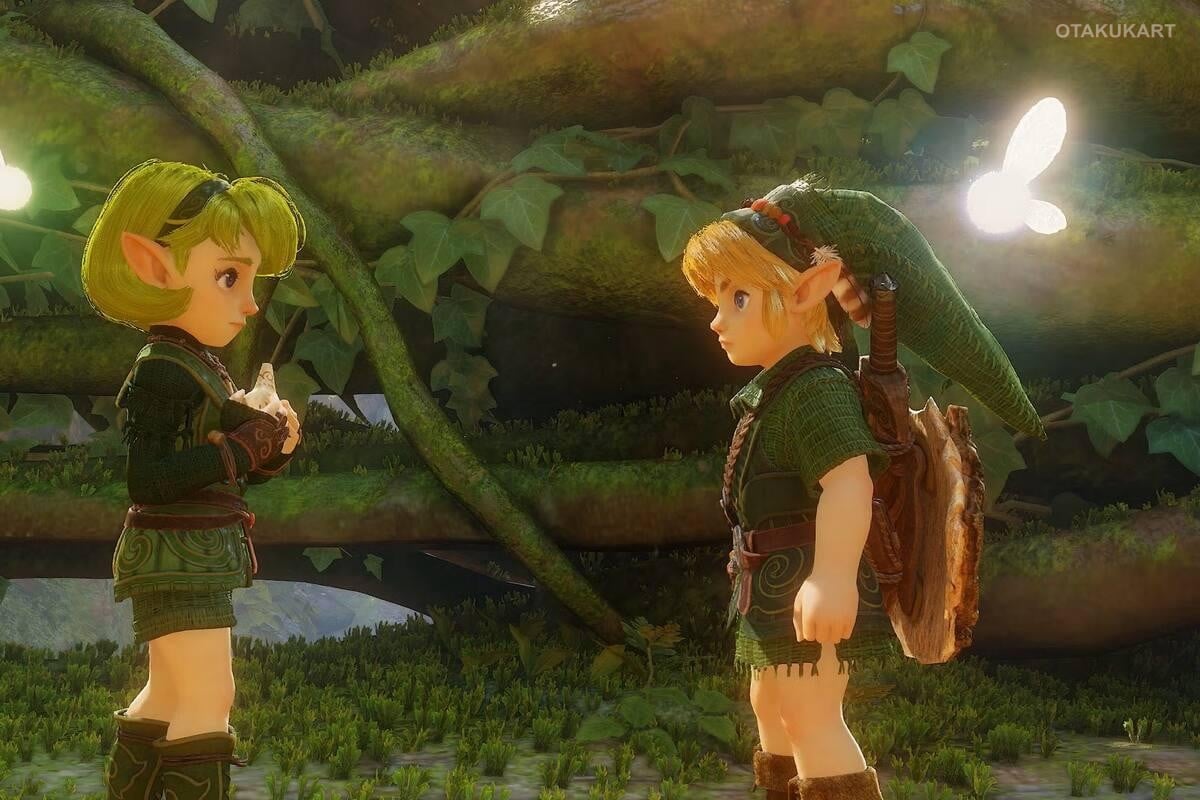
The The Legend of Zelda: Ocarina of Time remake revisits one of the most important moments in the classic Nintendo adventure, with producer Hidemaro Fujibayashi explaining how modern technology helped the team better communicate the ending’s intended emotions. The original Nintendo 64 version had technical limitations that may have prevented the developers from conveying everything they wanted during the final cutscene.
In an interview with Game Informer, Fujibayashi discussed the development team’s approach to the remake and said he was pleased that the new ending was having a strong emotional impact on players.
Nintendo Wanted the Finale to Evoke Its Original Intended Emotions
Speaking to Game Informer, Fujibayashi revealed that the final cutscene received considerable attention during development. The team believed the original hardware and the game’s pacing might have stopped them from fully expressing the scene’s story and emotional weight.
“That cutscene specifically is something that we, as a dev team, heavily discussed,”
Fujibayashi explained. He added that the remake gave the developers an opportunity to capture the moment as they had originally wanted it to be presented, allowing the intended emotions to reach players more effectively.
The producer also expressed relief after hearing that the ending had moved players. When the interviewer described becoming emotional during the finale, Fujibayashi said he was “very, very happy” with that reaction, adding that it was exactly what the team had hoped to achieve.
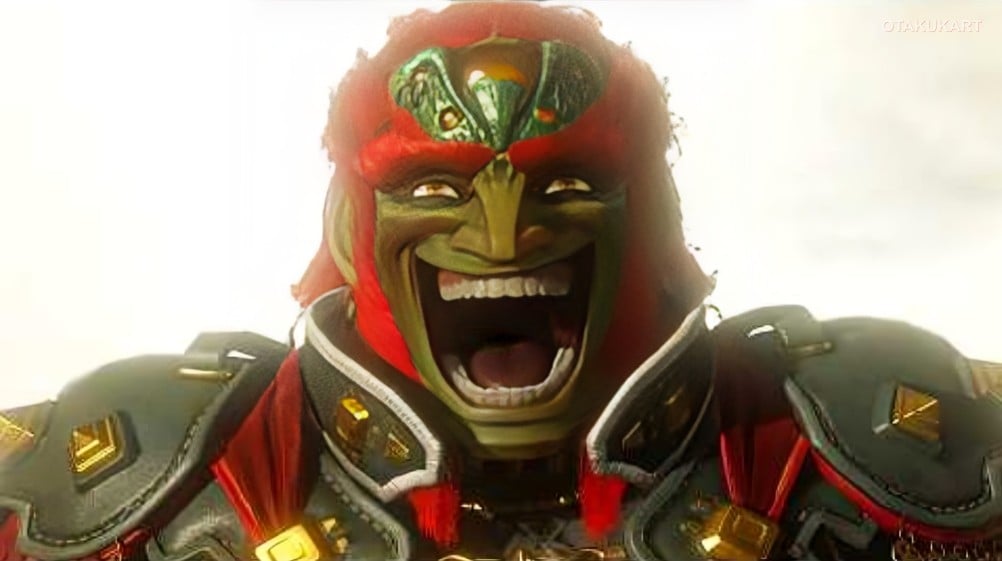
The ending was not the only sequence the developers reconsidered. In the same interview, producer Eiji Aonuma discussed changes to the scene where Link transitions from childhood to adulthood. He explained that the original version could not fully communicate Ganondorf’s reaction and the reasoning behind his presence in the sequence.
The remake expands that moment to make the story easier to understand and strengthen the player’s motivation to confront Ganondorf.
These comments show how the development team approached the remake beyond visual improvements. Rather than simply reproducing the Nintendo 64 adventure, the developers used modern technology to communicate story moments that were difficult to express with the original hardware.
| Release Date | November 21, 1998 |
|---|---|
| Platforms | Nintendo 64, Nintendo GameCube, iQue Player, Nintendo 3DS +1 more |
| Developer | Nintendo EAD |
| Director | Eiji Aonuma Yoshiaki Koizumi |
| Writer / Narrative | Nintendo EAD Toru Osawa |