The reveal of Monster Hunter Wilds: Ascendance during Summer Game Fest 2026 delivered one of the event’s biggest surprises, but not every announcement landed the same way with fans. While the expansion itself generated strong excitement, the return of Kushala Daora has quickly become a talking point across the community.
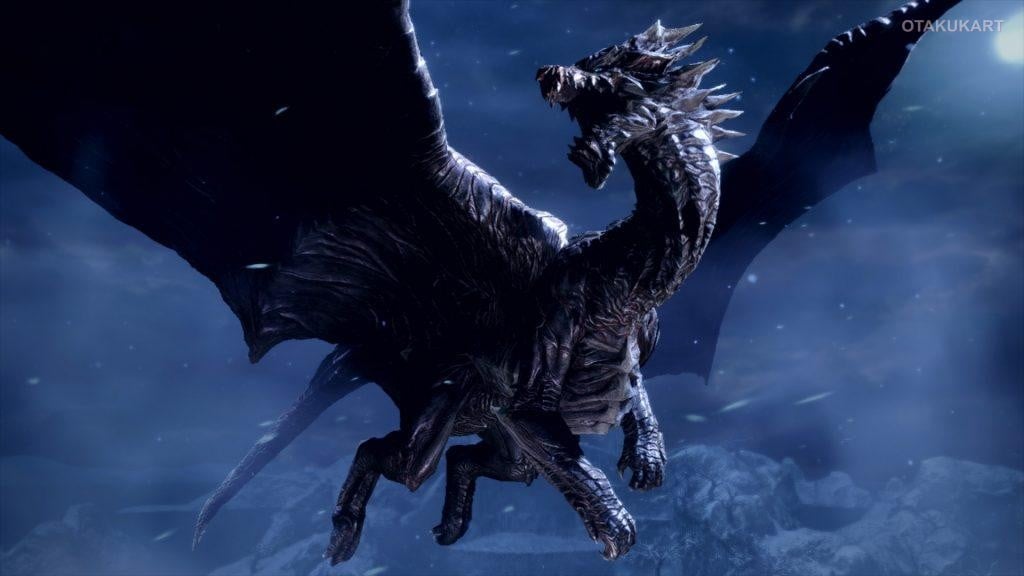
Known as the wind-controlling Elder Dragon, Kushala Daora is one of the most recognizable monsters in the franchise. However, its legacy is complicated, especially among long-time players who remember its frustrating mechanics in earlier titles. That history is now shaping how fans are reacting to its inclusion in Ascendance.
Why Kushala Daora is dividing the player base
On paper, Kushala Daora fits perfectly into Monster Hunter Wilds. Its ability to manipulate wind adds a unique layer to combat, and its presence could finally give purpose to skills like Windproof, which have seen limited use so far. The monster’s imposing design and lore significance also make it a natural addition to a major expansion.
The issue lies in how Kushala has been handled in past games, particularly in Monster Hunter World and its Iceborne expansion. In those versions, the Elder Dragon’s wind aura frequently made it difficult for players to even approach, turning hunts into drawn-out encounters. Many players felt forced to dedicate specific skills just to counter these mechanics, limiting build flexibility.
The frustration was not just about difficulty, but about pacing. Kushala’s tendency to stay airborne for long periods, combined with constant wind pressure, often slowed fights to a crawl. For some players, this crossed the line from challenging to tedious, which explains why its return has sparked mixed reactions rather than pure excitement.
Despite the concerns, not all players see Kushala Daora as a major problem. Compared to some of the more punishing encounters already seen in Monster Hunter Wilds, such as Omega Planetes (Savage), Kushala may not be the most controversial addition.
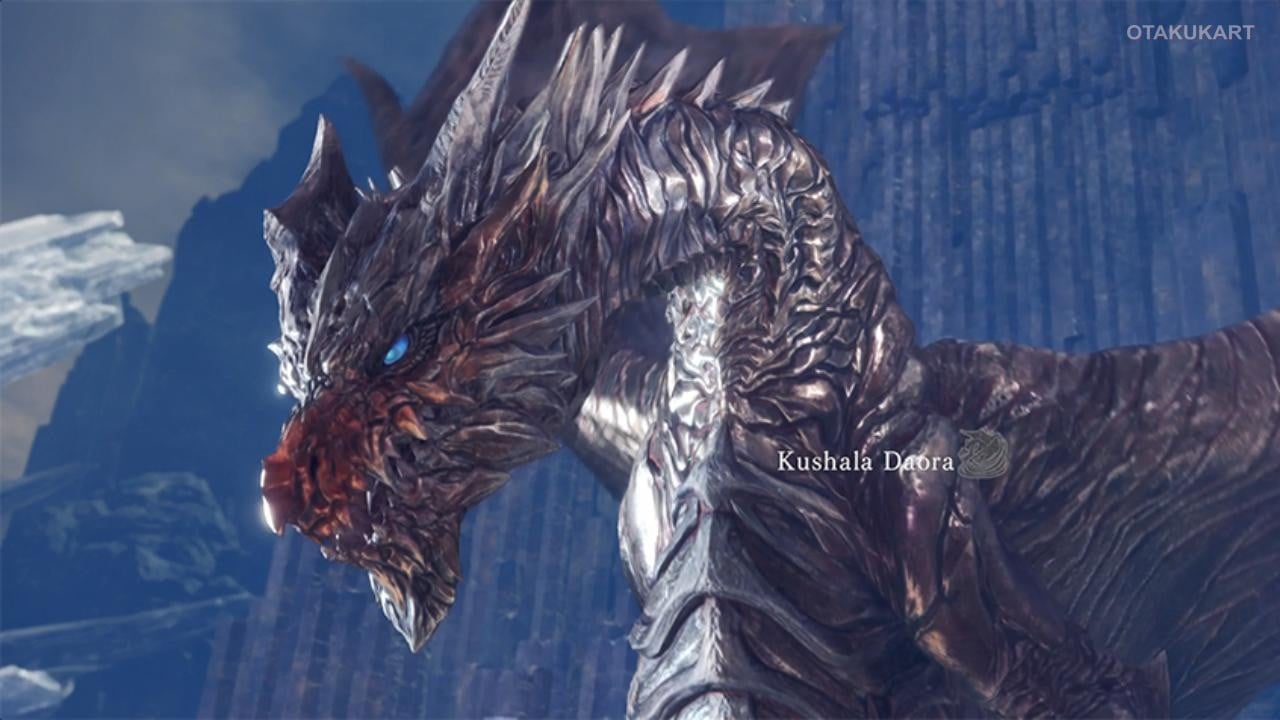
Unlike Omega-level threats, Kushala still offers clear counterplay options. Hunters can interrupt its flight using tools like Flash Pods, and targeting specific body parts such as the wings or head can stagger the monster and reduce its effectiveness. These mechanics give players ways to control the fight, even if the wind-based attacks remain disruptive.
This balance between challenge and counterplay is why some fans are cautiously optimistic. If handled correctly, Kushala could provide a strategic encounter rather than a frustrating one.
Lessons from past games could fix the problem
The biggest source of hope comes from how Kushala Daora was redesigned in Monster Hunter Rise and its Sunbreak expansion. In those versions, Capcom significantly adjusted the monster’s wind mechanics, making the fight more engaging without removing its identity.
Instead of constantly surrounding itself with an impenetrable wind barrier, Kushala created localized tornadoes that players could navigate around. This approach kept the battlefield dynamic while still allowing consistent openings for attacks. Additionally, its increased reliance on physical attacks, including claw swipes infused with elemental damage, made the fight feel more interactive and skill-based.
If Ascendance adopts a similar design philosophy, Kushala’s return could shift from being a concern to a highlight. Capcom has already shown that it can refine older monsters to meet modern gameplay expectations, and fans are hoping that same approach is applied here.
| Platforms | PC, PlayStation 5, Xbox Series X/S |
|---|---|
| Developer | Capcom |
| Director | Yuya Tokuda |