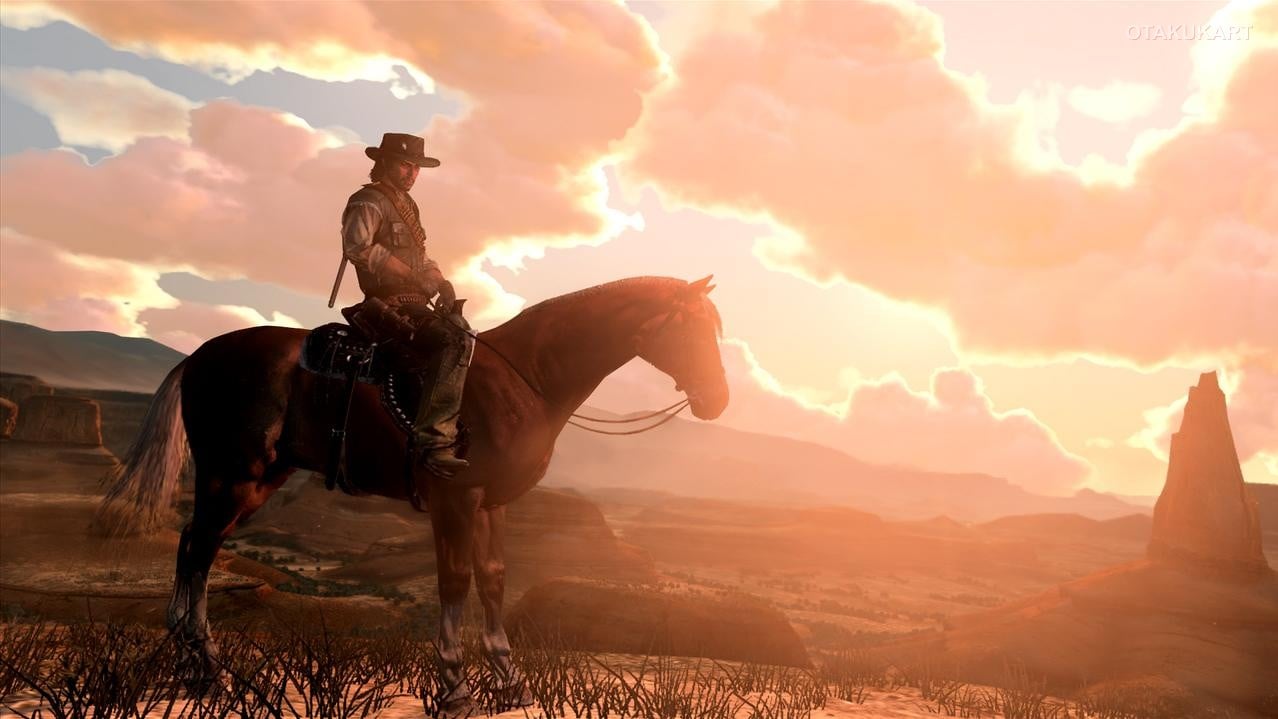
Former Rockstar Games developer Kris Roberts has offered a candid account of the intense working conditions surrounding the final stages of Red Dead Redemption, claiming that some periods of crunch were less about solving development problems and more about demonstrating a constant presence to visiting executives.
Roberts discussed his experience in an interview with Kiwi Talkz. He worked at Rockstar on the Midnight Club series before becoming the multiplayer design lead for the original Red Dead Redemption, released in 2010.
According to Roberts, the project’s final six months represented the most severe crunch he had experienced during his career in game development. What began as a normal schedule gradually expanded into increasingly long weekends and eventually seven-day workweeks.
Red Dead Redemption Crunch Escalated During Development
Roberts explained that Rockstar initially established “core hours,” with employees expected to arrive around 9:30 a.m. and remain until approximately 6 p.m. Overtime became increasingly normalized, however, eventually expanding from Saturday half-days to full Saturdays and then encouraged Sunday work.
By the end of Red Dead Redemption’s development, Roberts said employees were effectively working every day.
He described the final six months as a “blur,” suggesting that the prolonged lack of sleep affected his ability to clearly remember the period. His account provides another perspective on the crunch culture that has repeatedly surrounded Rockstar’s biggest productions.
The developer’s experience also differed from the crunch he had voluntarily undertaken earlier in his career. Roberts said he had previously pushed himself harder while working on Midnight Club because he personally wanted to be deeply involved in the project.
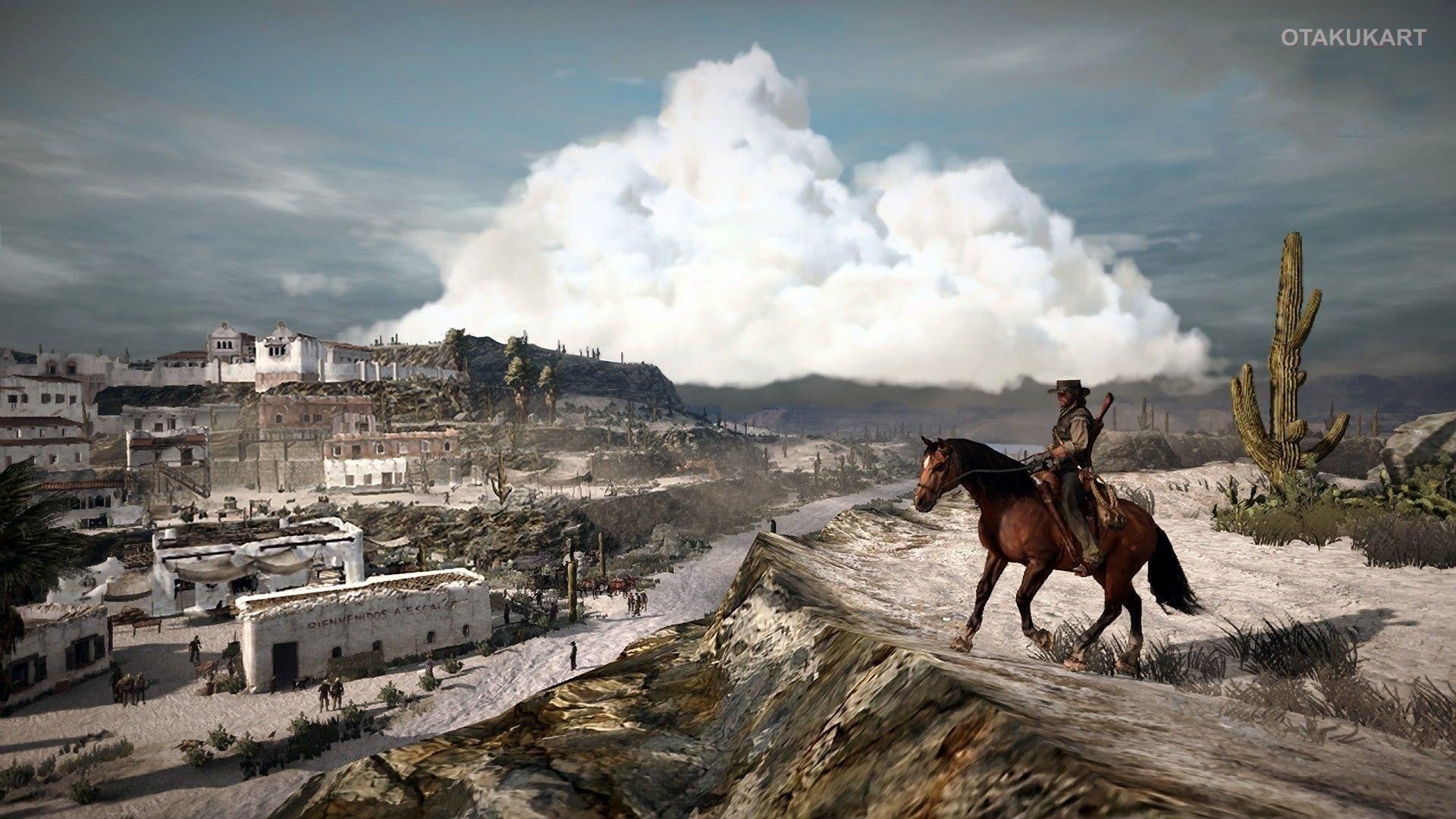
His concerns about Red Dead Redemption, however, centered on situations where overtime appeared to be imposed regardless of whether additional work was actually necessary.
Executive Visits Allegedly Triggered Weekend Work
Roberts recalled occasions when management would send emails late on Friday informing employees that they were expected to work through the weekend. According to him, these demands could arrive even when developers had already made personal plans.
He was particularly critical of situations surrounding visits from senior Rockstar executives, including Sam Houser and Leslie Benzies.
Roberts said the additional hours were not always tied to a specific list of urgent bugs or critical development issues. Instead, he characterized some of these periods as an attempt to demonstrate that the studio was working constantly.
“We need to put on the show of appearance that everybody’s here all the time, because we have an executive visiting or something.”
Roberts described that approach as unacceptable, particularly because he was responsible for communicating the expectations to his own multiplayer team. Having to tell designers and other developers that they needed to sacrifice their weekends ultimately became one of the factors that contributed to his decision to leave Rockstar.
Rockstar’s History With Crunch Remains Controversial
Crunch at Rockstar has remained a recurring topic in discussions about the company’s development culture. Reports surrounding Red Dead Redemption 2 previously drew attention to claims of excessive working hours, while Rockstar employees later publicly offered differing accounts of their experiences. The company has also faced renewed scrutiny over working conditions during GTA 6 development.
Roberts’ account does not establish that every Rockstar employee experienced the same conditions. Instead, it provides his personal recollection of working on Red Dead Redemption and explains why the final phase of that project left such a lasting impression on him.
His comments also underline a broader industry debate about whether extreme overtime genuinely improves games or simply creates an unhealthy working environment. Red Dead Redemption ultimately became one of Rockstar’s most acclaimed releases, but Roberts’ experience suggests that the path to completing it came with significant personal and professional costs.
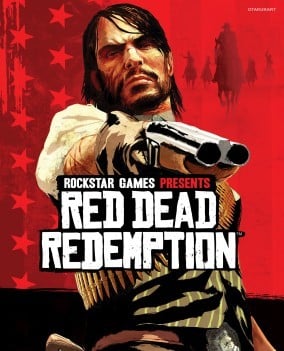
| Release Date | May 18, 2010 |
|---|---|
| Platforms | PlayStation 3, Xbox 360, Nintendo Switch, PlayStation 4, Xbox Series X|S, PC |
| Developer | Rockstar San Diego |
| Director | Josh Bass, Steve Martin |
| Writer / Narrative | Dan Houser, Michael Unsworth, Christian Cantamessa |