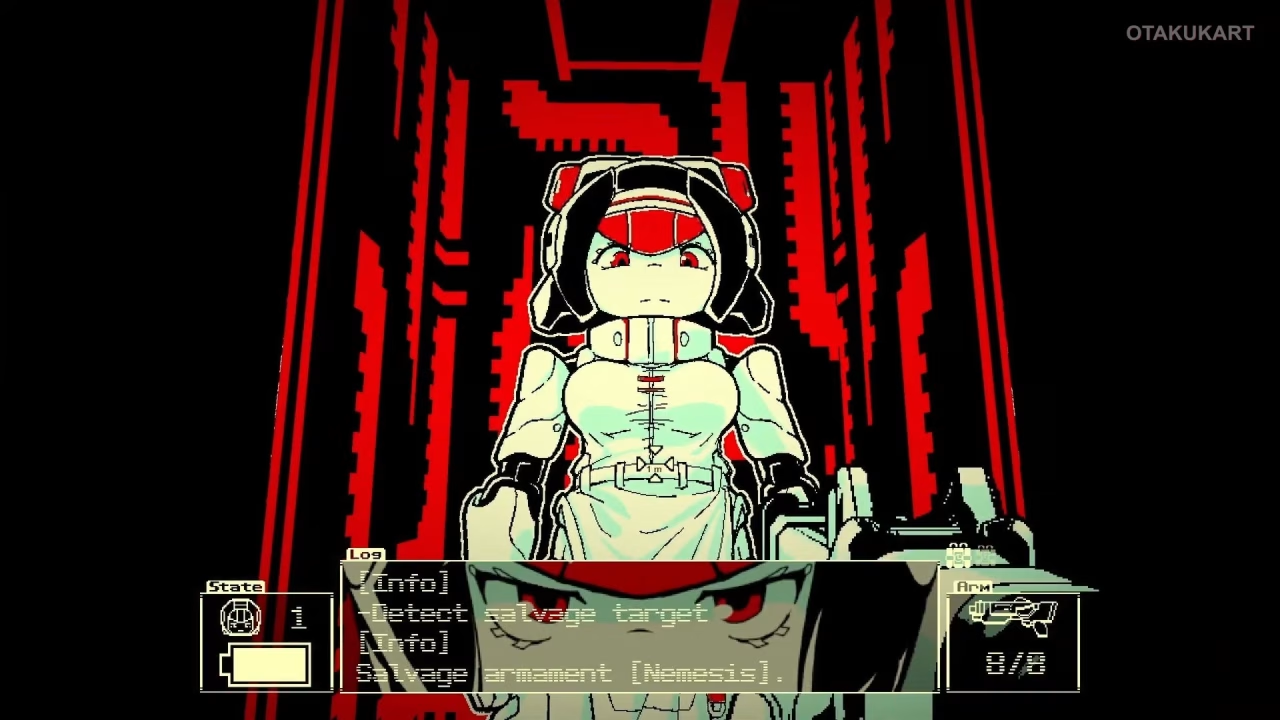
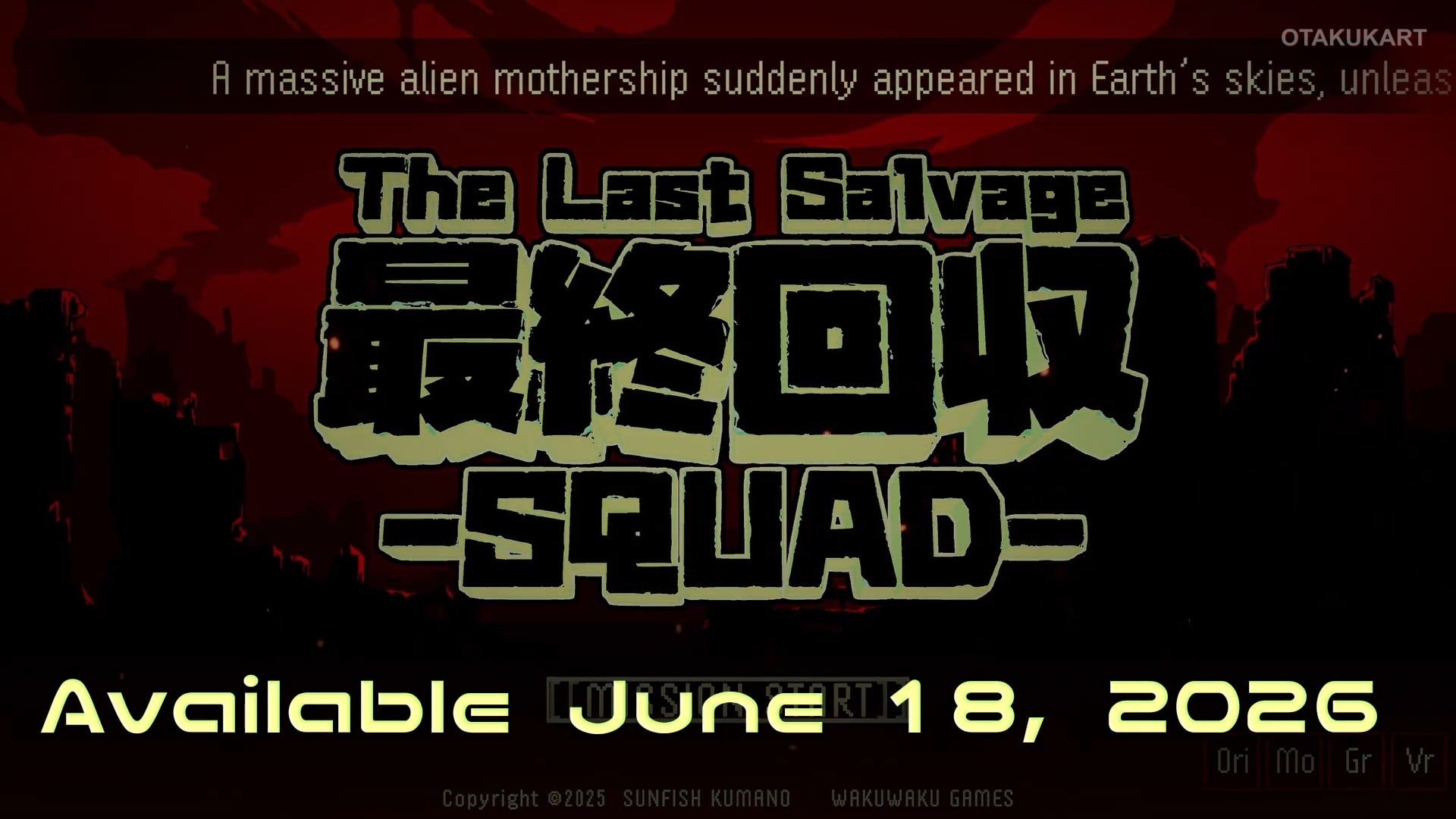
Nintendo Switch 2 is about to get a technically ambitious shooter, as The Last Salvage Squad prepares for its launch on June 18, 2026. The upcoming title is positioning itself as more than just another indie release, thanks to its combination of retro-inspired design and modern performance features that aim to push the platform’s capabilities.
While the game will also be available on the original Switch, it is the Switch 2 version that stands out, offering enhanced resolution, smoother frame rates, and even optional mouse controls. These additions signal a clear focus on precision gameplay and accessibility, particularly for players who prefer a PC-like control experience on a console.
A High-Performance Shooter Built for Switch 2
The biggest talking point around The Last Salvage Squad is its performance on Nintendo’s newer hardware. According to official details, the game will support 1080p resolution and can reach up to 120 frames per second on Switch 2, a significant leap compared to most titles currently available on Nintendo platforms.
In addition to visual and performance upgrades, the game also includes optional mouse controls and support for 32 simultaneous sound channels. These features suggest that the developers are targeting a more immersive and responsive gameplay experience, particularly for a first-person shooter where precision is critical.
This level of performance is still relatively rare on Nintendo consoles, making The Last Salvage Squad one of the early titles attempting to fully utilize the rumored power of the Switch 2.
Beyond its technical appeal, the game introduces a narrative rooted in classic sci-fi themes. The story begins with a catastrophic alien invasion that wipes out human civilization almost instantly, leaving Earth in ruins.
In the aftermath, humanity’s last hope lies with autonomous humanoid units known as “CogrinaUnits.” These towering machines, standing at around 12 meters tall, continue to fight against alien forces using the limited weapons left behind. The central idea revolves around fulfilling a mission entrusted by humanity, even long after its collapse.
This premise blends dystopian storytelling with a sense of lingering hope, as the remnants of humanity continue their fight through artificial proxies rather than human survivors.
Gameplay Focuses on Strategy and Resource Management
Unlike traditional fast-paced shooters, The Last Salvage Squad introduces a layer of strategy to its combat design. Players can approach encounters in different ways, choosing whether to use environmental advantages or engage enemies at close range.
The game also features a unique progression loop. When a unit is defeated, another one is immediately deployed, keeping the mission alive but forcing players to adapt continuously. Resources are limited, meaning players must recover equipment from fallen units to sustain their fight.
This mechanic reinforces the game’s core theme of persistence, where survival depends not just on skill but on efficient resource management and tactical decision-making.
While combat remains central, the game also includes lighter narrative segments between missions. These intermissions feature conversations between units, offering a more relaxed tone compared to the intensity of battle.
Interestingly, the game even includes a Shiba Inu companion, adding a touch of charm to an otherwise bleak setting. This contrast between destruction and lighthearted interactions gives the experience more emotional variety and helps humanize the world despite its robotic protagonists.