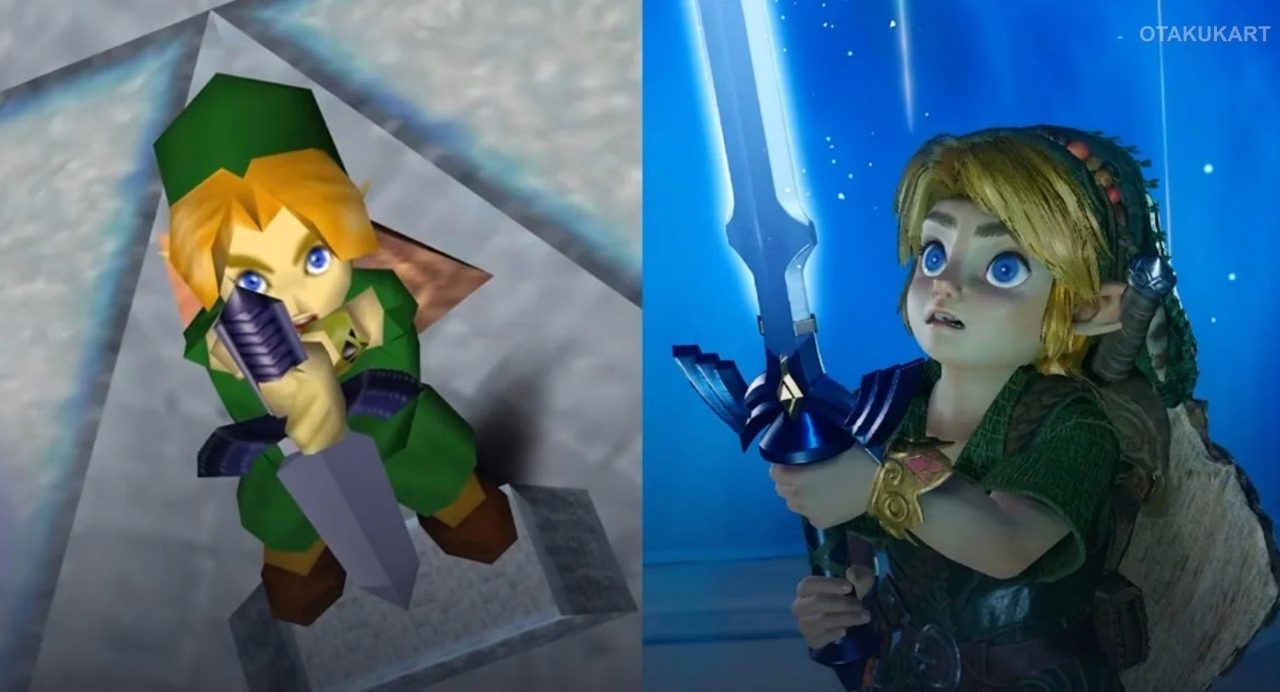
Nintendo’s remake of The Legend of Zelda: Ocarina of Time has given players a modernized version of one of the franchise’s most celebrated adventures. However, early gameplay statistics suggest that the updated experience is considerably more forgiving than the original Nintendo 64 release.
According to statistics shared through Nintendo’s Zelda Notes app, most players experience between one and 10 Game Overs during a complete playthrough. The data also reveals an average completion time of 20 to 30 hours, suggesting that players are progressing through the adventure more quickly than they did in the original game.
These figures add weight to ongoing discussions about the remake’s reduced difficulty, particularly among longtime fans familiar with the original’s more demanding gameplay.
Zelda Notes Reveals Ocarina of Time Remake’s First-Week Player Statistics
The Zelda Notes companion feature has provided a closer look at how players are approaching the remake. Its global play data tracks several activities, including defeated enemies, Game Overs, item usage, and completion times.
Here are some of the most interesting findings from the first-week statistics:
| Category | Most common result |
|---|---|
| Game Overs | 1–10 per playthrough |
| Average completion time | 20–30 hours |
| Most defeated enemy | Skulltulas |
| Leading cause of Game Overs | ReDeads and Gibdos |
| Most common damage source | Traps |
| Most-used consumable | Deku Seeds |
| Most-used special item | Hookshot |
| Most-used magic | Lens of Truth |
| Hall of Fallen Foes battles | 1–10 times |
Approximately 18% of recorded Game Overs are attributed to ReDeads. These enemies, alongside Gibdos, appear to be particularly troublesome for players.
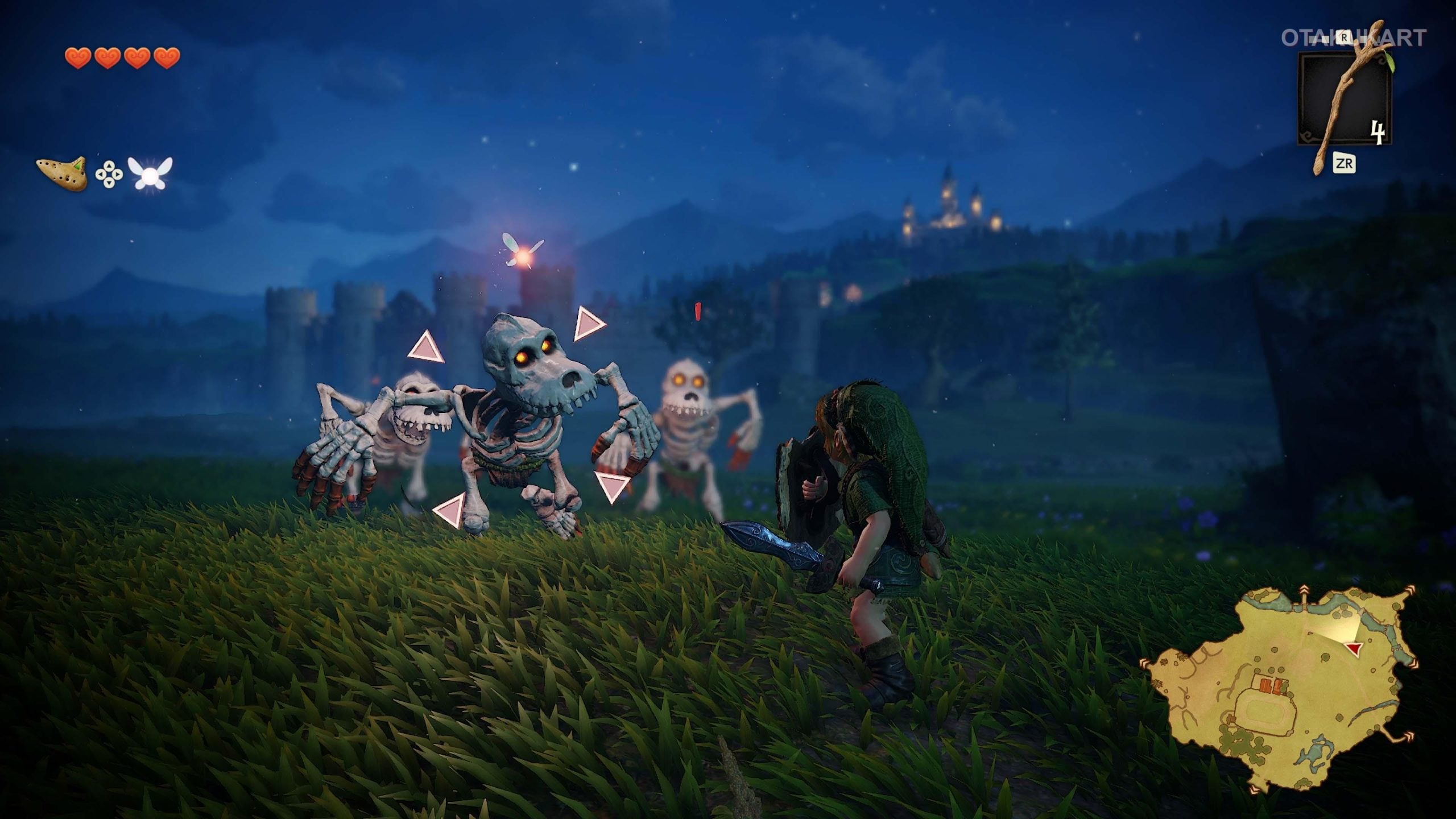
Interestingly, Skulltulas lead the enemy defeat statistics, while traps account for the largest share of damage taken. The numbers also reveal that players have been using the Hookshot more frequently than other special items.
Most players have also cut more than 1,000 pieces of grass, showing that the classic Zelda habit of searching every corner of Hyrule remains alive.
Why the Ocarina of Time Remake Appears Easier Than the Original
The relatively low number of Game Overs has reignited discussions about the remake’s difficulty. Modernized controls and quality-of-life improvements have removed several inconveniences that made the Nintendo 64 version more challenging.
For example, players can assign the Iron Boots to a dedicated button instead of repeatedly navigating the equipment menu in the Water Temple. Certain timed puzzles have also been made more forgiving, while improved controls make combat encounters easier to manage.
However, the statistics do not provide a controlled comparison between the two versions. The 1–10 Game Over figure is an early snapshot of remake players, rather than definitive proof of how much easier the game has become.
The remake has also received strong critical reception, with its Metacritic score reported at 95 following its launch. This suggests that the accessibility changes have not prevented the updated adventure from earning widespread praise.
Hall of Fallen Foes Remains a Less-Visited Feature
Another interesting finding concerns the Hall of Fallen Foes, the remake’s dedicated boss battle challenge. Most players have reportedly participated in these encounters between one and 10 times.
The feature allows players to revisit boss fights, but completing its challenges does not provide major rewards for the main adventure. Instead, players primarily earn decorative additions for the Hall itself. This could explain why many players have not spent much time exploring the feature.
The statistics will likely change as more players complete the remake and contribute their gameplay data through Zelda Notes. For now, they offer an interesting snapshot of how Nintendo has modernized one of gaming’s most celebrated adventures without completely removing its familiar challenges.
| Release Date | November 21, 1998 |
|---|---|
| Platforms | Nintendo 64, Nintendo GameCube, iQue Player, Nintendo 3DS +1 more |
| Developer | Nintendo EAD |
| Director | Eiji Aonuma Yoshiaki Koizumi |
| Writer / Narrative | Nintendo EAD Toru Osawa |