Shigeru Miyamoto, the legendary Nintendo game designer behind Super Mario and The Legend of Zelda, has revealed why players can defeat Bowser without engaging in a traditional boss fight in the original Super Mario Bros. Released in 1985, the iconic platformer takes a different approach to its final encounters, allowing players to bypass Bowser and collapse the bridge beneath him instead of defeating him through conventional combat.
Speaking at a press conference following the announcement of his selection for Japan’s prestigious Order of Culture award, Miyamoto discussed the creative challenges behind developing Super Mario Bros. and identified this unusual boss encounter as one of the game’s most interesting innovations. According to the designer, the idea emerged when the development team struggled to create a satisfying battle and reconsidered the game’s central focus on running and jumping.
MIYAMOTO EXPLAINS WHY MARIO CAN DEFEAT BOWSER WITHOUT FIGHTING
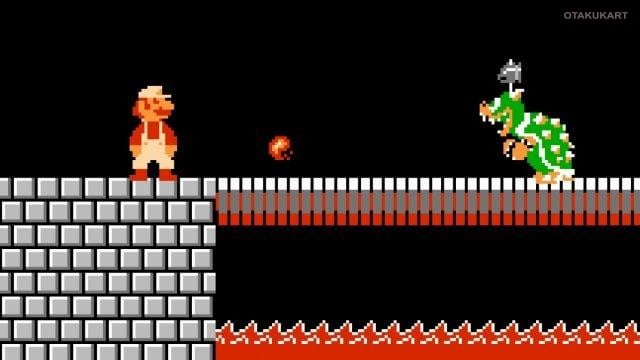
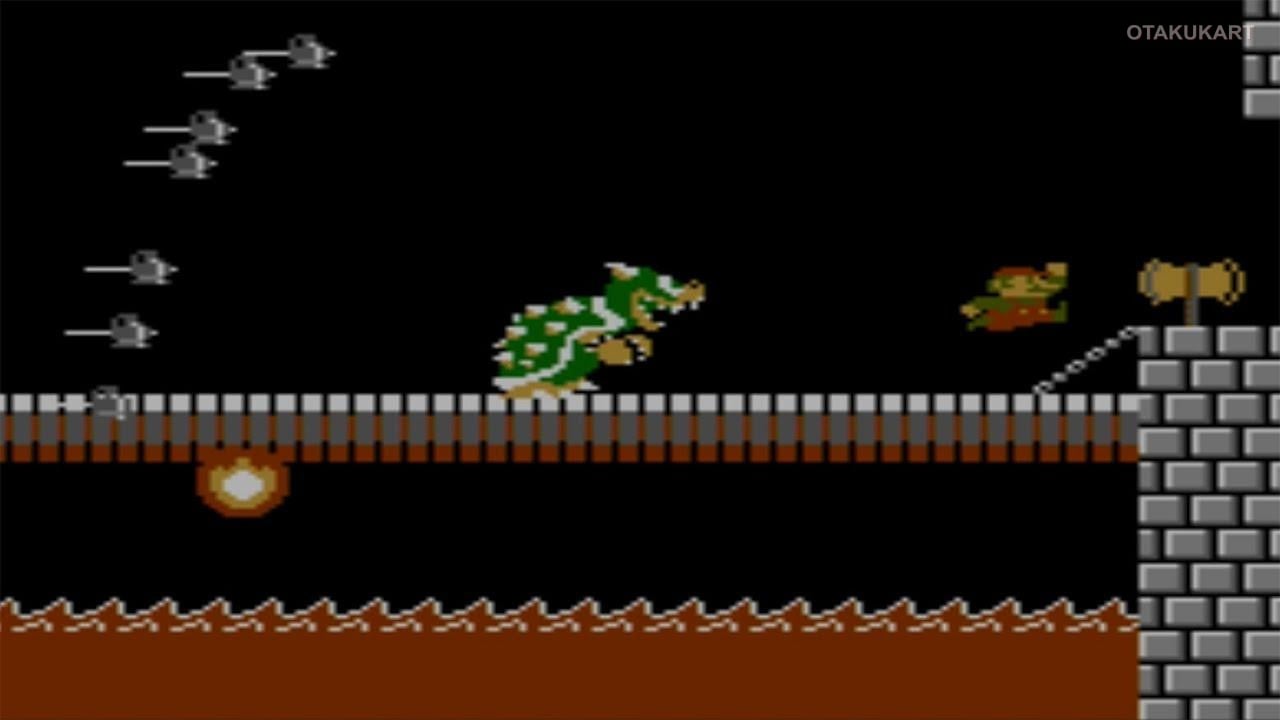
In the original Super Mario Bros., players typically encounter Bowser at the end of castle stages. Rather than requiring them to deplete a health bar or defeat the villain through repeated attacks, the game encourages players to reach the axe positioned at the opposite end of the bridge.
Touching the axe destroys the bridge’s supports, sending Bowser plunging into the lava below. Players using Fire Mario can also defeat Bowser by hitting him with fireballs.
Miyamoto explained that the development team initially struggled to design a conventional boss battle. Instead of forcing a traditional combat system into the game, he considered how the encounter could complement its existing mechanics.
Miyamoto described the thinking behind the decision:
“Why not just jump over the opponent instead of fighting?”
He explained that the game’s emphasis on moving toward the right side of the screen inspired the solution. Players already needed to run, jump over obstacles, and navigate dangerous environments, so using those same abilities to overcome Bowser felt like a natural extension of the gameplay.
Miyamoto recalled that the idea proved surprisingly enjoyable when the team tested it. What began as a solution to a development problem ultimately became a defining feature of the original game’s castle encounters.
LIMITED HARDWARE HELPED SHAPE SUPER MARIO BROS.’ DESIGN
The decision also highlights how Nintendo approached game design during the early days of home consoles. The Nintendo Entertainment System (NES) had significant technical limitations compared with modern gaming hardware, making developers carefully consider how they implemented gameplay mechanics.
However, Miyamoto’s explanation suggests that the decision was not simply about working around hardware restrictions. The team also wanted to ensure that the game’s central mechanics remained consistent throughout the experience.
During the same discussion, Miyamoto reflected on the ideas that shaped Super Mario Bros., including the freedom to run, jump, swim, and move through different environments. He described this approach as “land, sea, and air,” explaining how the game allowed players to experience actions they might naturally imagine doing in the real world.
This philosophy helped establish the original game’s identity. Instead of relying exclusively on combat, Super Mario Bros. encouraged players to interact with its environments and solve challenges through movement.
LATER MARIO GAMES INTRODUCED MORE DIRECT BOSS BATTLES
Although the original Super Mario Bros. relied heavily on environmental solutions to defeat Bowser, subsequent entries gradually introduced more elaborate confrontations.
In later games, players faced different challenges involving Bowser’s attacks, positioning, and the environment. Super Mario World expanded the encounters with additional mechanics, while Super Mario 64 introduced a memorable battle in which Mario grabs Bowser by the tail and throws him toward explosive mines.
These changes allowed Nintendo to build on the original formula while giving players more direct confrontations with the series’ main antagonist.
Miyamoto’s comments offer a look into how one of gaming’s most recognizable mechanics emerged from a straightforward design challenge. Rather than treating a boss encounter as an obligatory fight, Nintendo found a way to make the final obstacle work within the movement-focused gameplay that defined Super Mario Bros.
The result remains a memorable example of how rethinking a familiar game design convention can create an experience that stands apart from its contemporaries.