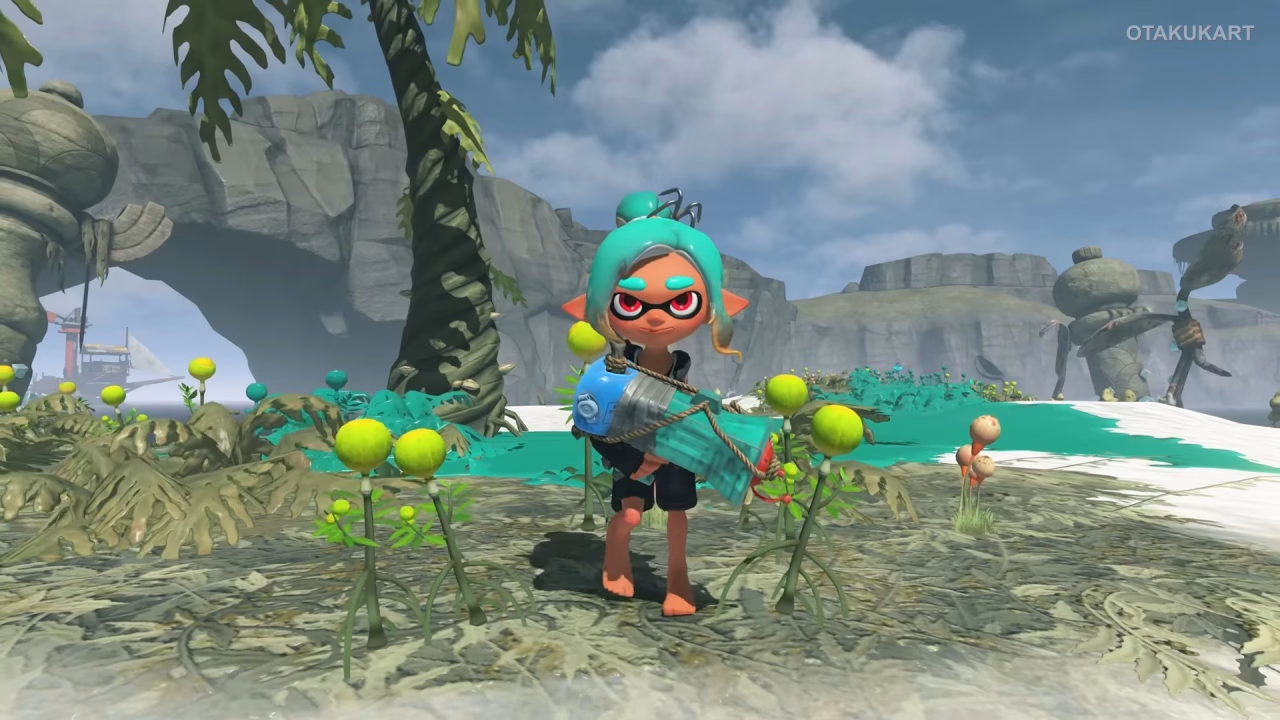
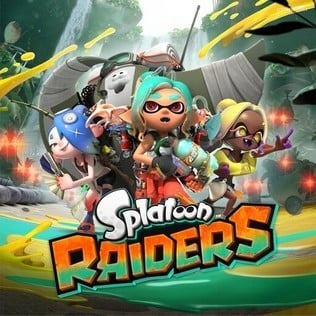
Nintendo has revealed that Splatoon Raiders went through a major gameplay overhaul during development after the team concluded that its original trap-based design no longer captured the identity of the Splatoon series.
The revelation comes from Ask the Developer Vol. 22: Splatoon Raiders – Part 1, where producer Seita Inoue and director Yoshihiko Ito discussed the game’s earliest prototypes and how they eventually shaped the Nintendo Switch 2 exclusive launching on July 23, 2026.
Instead of moving directly to a hypothetical Splatoon 4, Nintendo chose to create a single-player spin-off that builds upon ideas introduced in Salmon Run while introducing entirely new gameplay systems.
The interview offers one of the clearest looks yet at why the development team abandoned its original concept in favor of the fast-paced action now seen in Splatoon Raiders.
Nintendo abandoned Splatoon Raiders’ original trap-based gameplay
According to director Yoshihiko Ito, the team initially explored adapting Salmon Run into a solo experience. Since Salmon Run was designed for four-player co-op, the developers experimented with mechanics that would allow one player to survive large waves of Salmonids by strategically placing traps across the battlefield.
Early prototypes functioned much like a base defense game, with players building defensive positions and allowing traps to eliminate incoming enemies automatically. However, the concept quickly revealed a major problem.
“We created a prototype where you place lots of traps and deal with waves of incoming Salmonids. However, the more we explored, the more it felt like you were just building a fortress with lots of traps and then watching it play out. It didn’t really feel like a Splatoon game to us,”
Ito explained.
Producer Seita Inoue echoed that sentiment, saying the defining characteristic of Splatoon has always been the direct connection between players, movement, ink mechanics, and fast-paced action.
“But with traps, we couldn’t recreate that feeling,”
Inoue said, explaining that regardless of whether players are enjoying competitive or single-player content, the franchise always needs to preserve its signature sense of action and control. That realization became the turning point that changed the project’s direction.
Gadgets replaced traps to preserve Splatoon’s identity
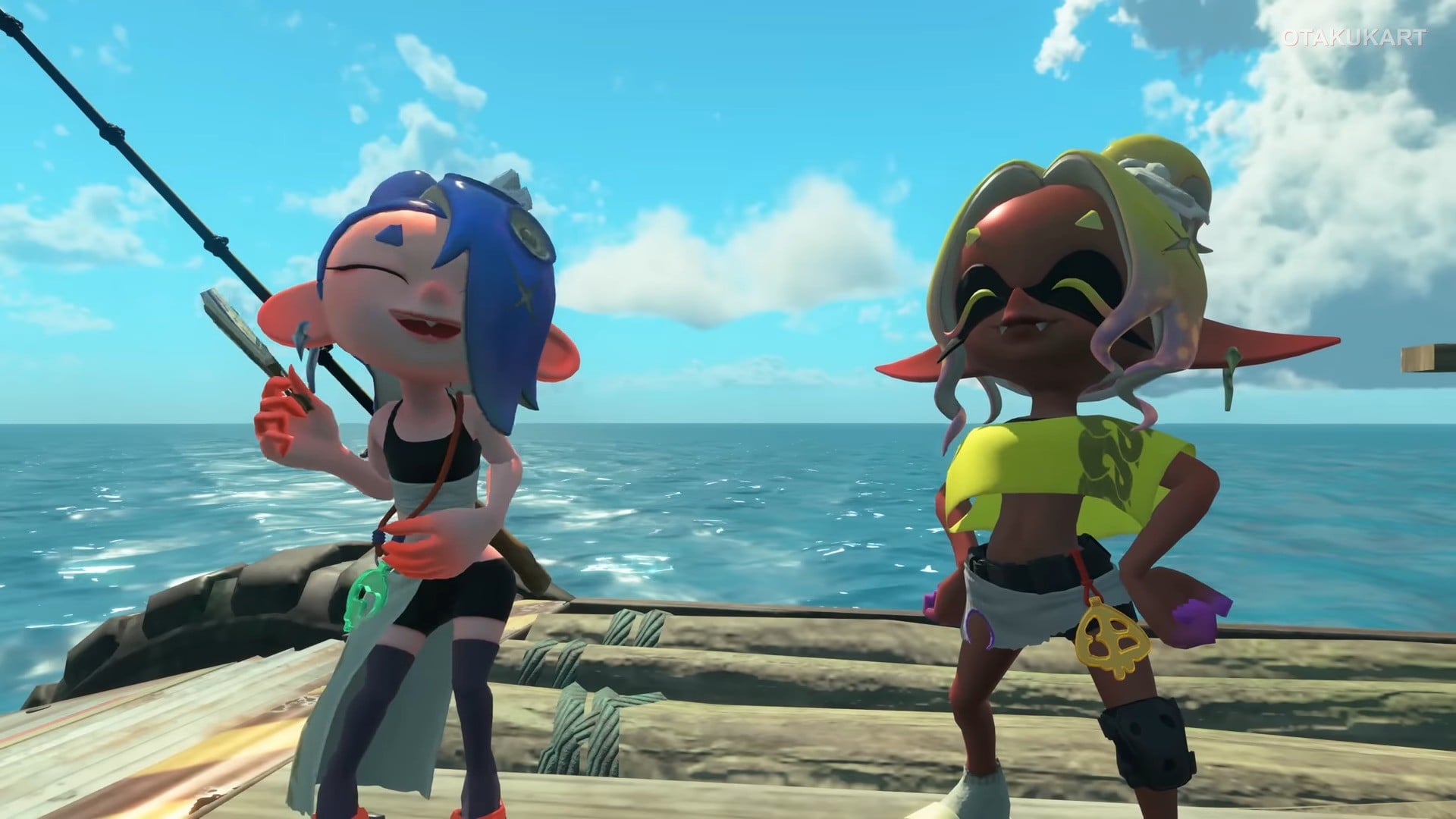
After scrapping the original gameplay loop, Nintendo rebuilt Splatoon Raiders around a new gadget system designed to keep players constantly moving instead of waiting for defenses to do the work.
Ito explained that the team wanted players to actively engage with enemies rather than relying on automated mechanics. This led to gadgets capable of launching players into the air, charging through enemies, creating temporary platforms, and expanding combat options in different ways.
The developers also removed another early Salmon Run-inspired mechanic. Originally, players were expected to collect Golden Eggs and transport them back to a container. That objective was later dropped because it slowed the game’s momentum. Players still collect Golden Eggs, but no longer need to carry them back, allowing combat to remain the primary focus.
Nintendo also introduced extensive gadget upgrades, letting players collect materials from defeated Salmonids to unlock stronger abilities and customize their preferred playstyle throughout the adventure.
Splatoon Raiders aims to create “pleasant busyness”
The team described the game’s core philosophy as creating the feeling of becoming an
“ultimate multitasker.”
Players constantly alternate between their main weapon and two equipped gadgets while reacting to large numbers of Salmonids attacking simultaneously.
Ito explained that this constant decision-making creates what he calls
“pleasant busyness,”
where players instinctively react without overthinking each action.
The game’s fast pace also created challenges for the development team. Art director Koji Sonoyama admitted the early prototype was so demanding that he was
“shaking in my boots,”
prompting the team to improve the UI and make chaotic battles easier to understand. Meanwhile, sound director Shu Tamura said the team refined audio cues so players could better identify attacks, damage, and battlefield events during the most hectic encounters.
With Splatoon Raiders launching exclusively on Nintendo Switch 2, Nintendo’s latest developer interview shows that the game almost became something very different. Instead of leaning into defensive gameplay inspired by Salmon Run, the team ultimately returned to the fast-moving action that has defined the series since its debut.
| Release Date | July 23, 2026 |
|---|---|
| Platforms | Nintendo Switch 2 |
| Developer | Nintendo Entertainment Planning & Development |
| Director | Yoshihiko Ito |