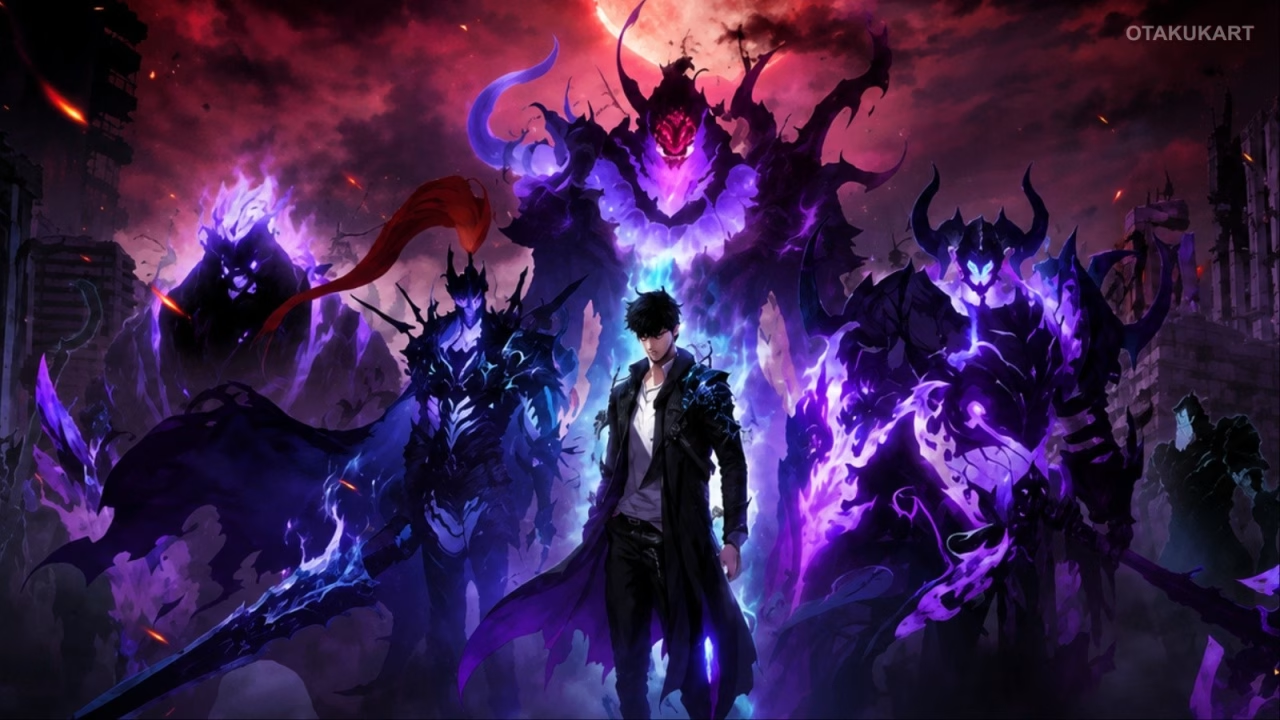
Jinwoo doesn’t grind for stat points. He grinds for a 0.7% pull rate on a five-star hunter, and so does everyone else playing Solo Leveling: Arise right now. Netmarble’s mobile adaptation of Chugong’s manhwa has turned Arise Overdrive into one of the more scrutinized gacha economies in the genre this year, especially after the studio quietly stripped some of its original microtransaction structure following backlash documented by PCGamesN. The Solo Leveling: Arise Championship 2026 has also pulled competitive attention toward the game’s meta, which means more players than ever are staring at banner screens trying to figure out if the odds posted actually mean what they think they mean.
They don’t, not exactly. Not in the way most players assume.
This piece breaks down what Arise’s pity system and rate-up mechanics actually guarantee, where the math gets murky, and why the industry’s approach to disclosure varies so wildly depending on which country’s regulator is asking.
How Arise’s Pity Counter Actually Works
Every gacha pull in Solo Leveling: Arise moves you one step closer to a guaranteed high-rarity hunter or weapon. That’s the pity system in a sentence. But the mechanics underneath are more layered than the in-game tooltip suggests.4
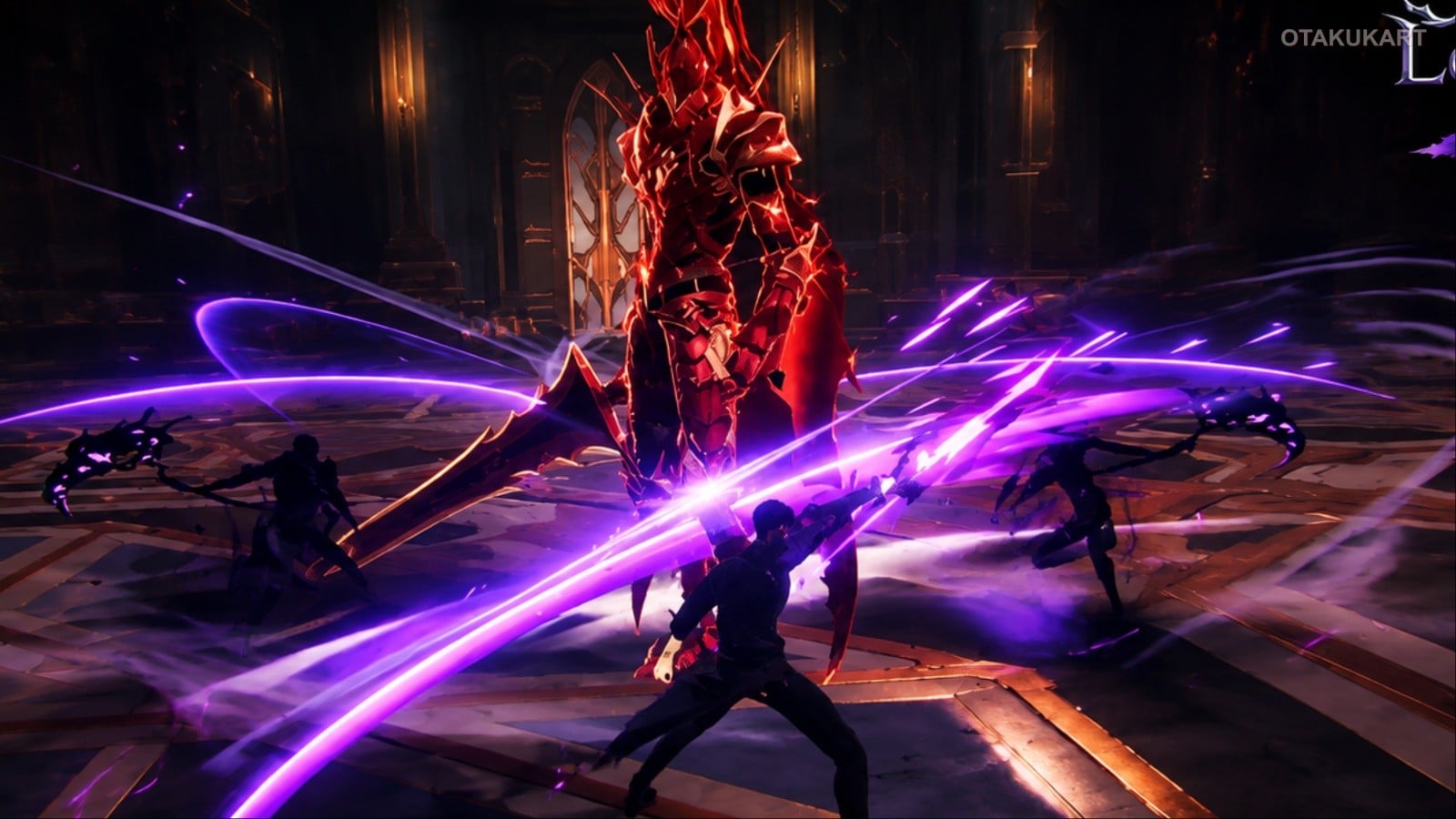
Hard pity in Arise typically caps around 70 to 90 pulls depending on the banner type, at which point the system guarantees your next pull hits SSR rarity. Soft pity kicks in earlier, gradually raising your odds per pull as you approach that ceiling rather than leaving you at a flat base rate the entire way. Base SSR rates hover in the 0.6% to 1.5% range on most banners, and rate-up banners funnel roughly half of those SSR pulls toward the featured character. Miss the 50/50, and you’re guaranteed the featured unit on your next SSR pull. That’s the theory, anyway.
Here’s where it gets interesting. Published rates describe the odds of a single pull in isolation. They say almost nothing about the compounding cost of chasing multiple limited units across overlapping banners, which is exactly the scenario most competitive Arise players find themselves in ahead of a tournament meta shift. A 0.7% base rate sounds small until you run the math across 200 pulls and realize the “guarantee” only protects you against total whiffs, not against spending far more than the average player to catch every meta-relevant unit.
Regulated jurisdictions have started forcing better disclosure here. A peer-reviewed study in PLOS One found that even where loot box probability disclosure is technically required, actual compliance across mobile titles is inconsistent at best, meaning the number you see in-game isn’t always the full picture of what you’re actually risking.
For players outside the mobile gacha space, this transparency gap looks completely different when you compare it to something like North Carolina online casinos, where regulated real-money games are legally required to publish fixed RTP (return to player) percentages rather than the shifting, banner-dependent probabilities gacha titles use. A slot machine’s RTP is a single disclosed number that applies across the entire lifetime of the game, not a soft-pity curve buried three menus deep. That’s a fundamentally different disclosure standard, and it’s worth understanding the difference before you assume any published percentage means the same thing twice.
Gambling involves real financial risk in a way gacha pulls, legally, do not. Please treat that distinction seriously and only wager money you can afford to lose.
Why South Korea’s Disclosure Law Changed the Conversation
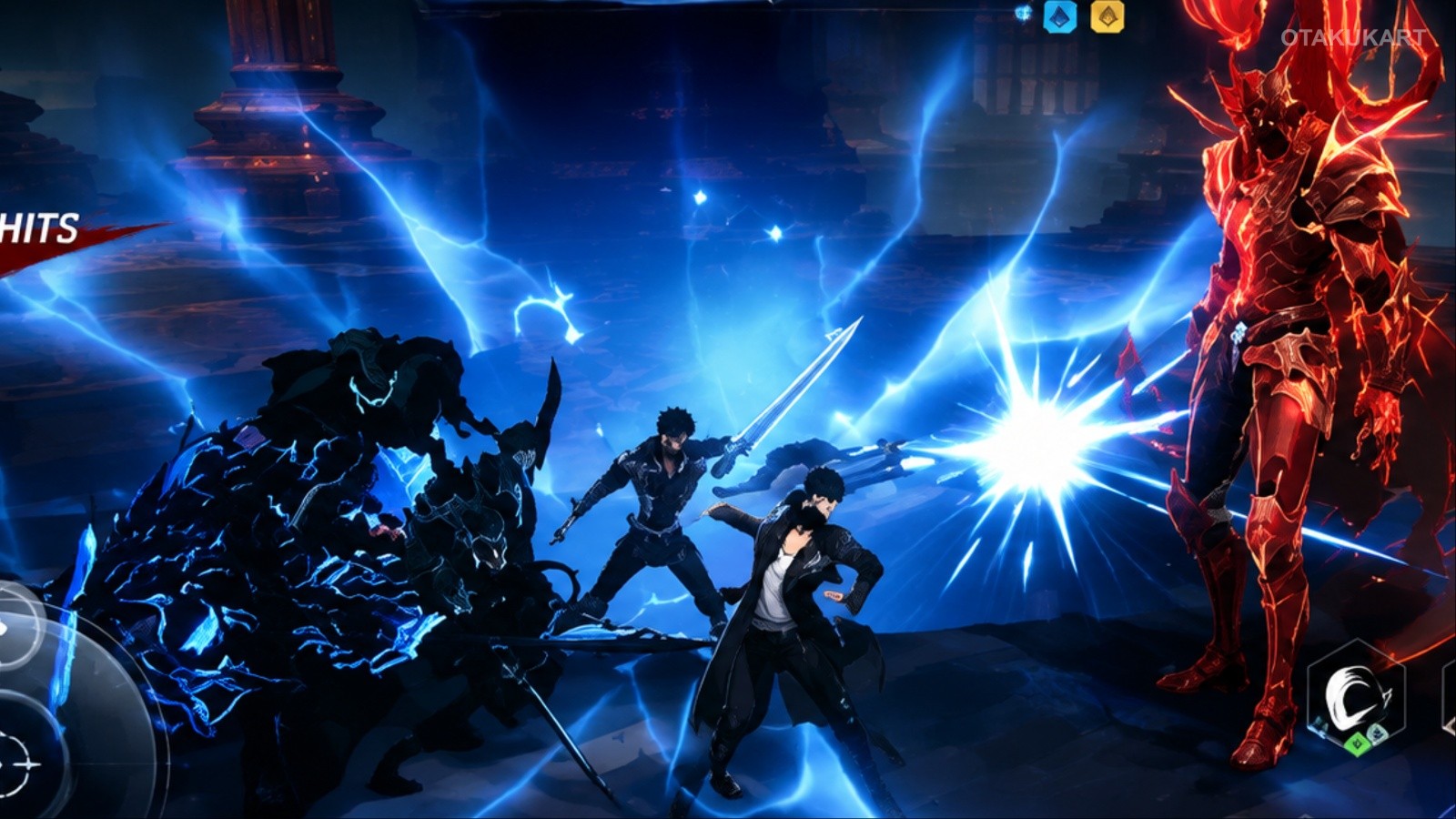
Netmarble is a Korean company, and that matters more than most Western players realize. South Korea passed some of the strictest loot box probability disclosure requirements in gaming after years of public pressure, and enforcement has genuinely changed how publishers report odds domestically. Research hosted by the National Institutes of Health found Korean compliance rates with the newly enforced disclosure law significantly outperform the voluntary self-regulation models used in most other markets.
Compare that to China, where a study published in Cambridge’s Behavioural Public Policy found operators technically posting probability numbers while still finding workarounds that obscure the real player cost. Same rule on paper. Wildly different outcomes in practice.
Why does this matter for an Arise player in North America who’s never heard of either regulation? Because it explains why the numbers on your banner screen exist at all. Global publishers increasingly standardize disclosure across regions once they’ve built the systems for their strictest market, which is part of why odds transparency in gacha games has improved industry-wide over the past few years even in places with zero legal requirement to disclose anything.
What Screen Rant’s Hands-On Review Got Right About the Grind
A hands-on review from Screen Rant called out exactly what veteran gacha players already suspected: the summoning ticket economy in Arise is engineered to make small wins feel bigger than they are. Landing a four-star early in a pull session triggers the same dopamine response as an SSR, even though the actual value gap between the two rarities is enormous once you factor in what it takes to build a competitive team.
That’s not a criticism unique to Arise. It’s baked into the genre. But it’s worth sitting with, especially if you’re the type of player tracking a pull budget ahead of the next Championship season and telling yourself “just one more banner” more often than you’d like to admit.
Blue Archive players will recognize this pattern instantly, and so will anyone who spent real money chasing a specific unit in Chaos Zero Nightmare’s Season 4 rollout. The economy differs slightly game to game. The psychology behind it doesn’t.

Reading a Banner Before You Pull
A few habits separate players who track their spend from players who don’t:
- Check the banner’s listed base rate AND its soft pity start point, not just the headline percentage.
- Confirm whether the 50/50 guarantee carries over between banners or resets, since Netmarble has changed this mechanic before.
- Track total pulls against total spend across a season, not per banner, since limited units often stack.
- Compare hard pity caps across banner types. Weapon banners and character banners in Arise don’t always share the same ceiling.
- Watch patch notes closely. Rate adjustments have shipped quietly in past updates without much fanfare.
None of this makes the system less of a gamble. It just makes you a more informed one.
The Real Lesson From Arise’s Odds Debate
Solo Leveling: Arise isn’t uniquely predatory, and it isn’t uniquely fair either. It sits roughly where most modern gacha titles sit: legally compliant, reasonably transparent by 2026 standards, and still built around a core loop where the house edge is baked into the rarity table rather than posted as a single clean number.
Understanding pity counters, soft pity curves, and 50/50 mechanics won’t make hard pulls cheaper. It just means you’re spending with your eyes open, which is the whole point of asking what the odds actually mean in the first place.
Frequently Asked Questions
What is hard pity in Solo Leveling: Arise? Hard pity is the guaranteed pull threshold, typically 70 to 90 pulls depending on banner type, where the system forces an SSR result regardless of prior luck. It’s a ceiling, not a discount, so you’ll likely still spend heavily before reaching it.
Does losing the 50/50 in Arise carry over between banners? Generally no. Losing a 50/50 usually guarantees the featured unit on your very next SSR pull within that same banner, but Netmarble has adjusted carryover rules before, so always check current patch notes rather than assuming last season’s rules still apply.
Why did Arise Overdrive remove some microtransactions? Netmarble relaunched Overdrive after community backlash over its original monetization pacing, stripping elements players felt made progression feel gated behind spend rather than skill, a shift covered in detail by gaming press following the relaunch.
Are gacha odds legally required to be accurate? It depends entirely on jurisdiction. South Korea enforces strict, audited disclosure. Other markets rely on developer self-reporting with far less oversight, which is why published rates can mean very different things depending on where the publisher is based.
How is a gacha rate different from a casino RTP percentage? A gacha rate describes single-pull odds within a specific banner window. An RTP percentage describes long-run average payback across a game’s entire lifetime under regulatory audit, a much more standardized and enforceable disclosure model.