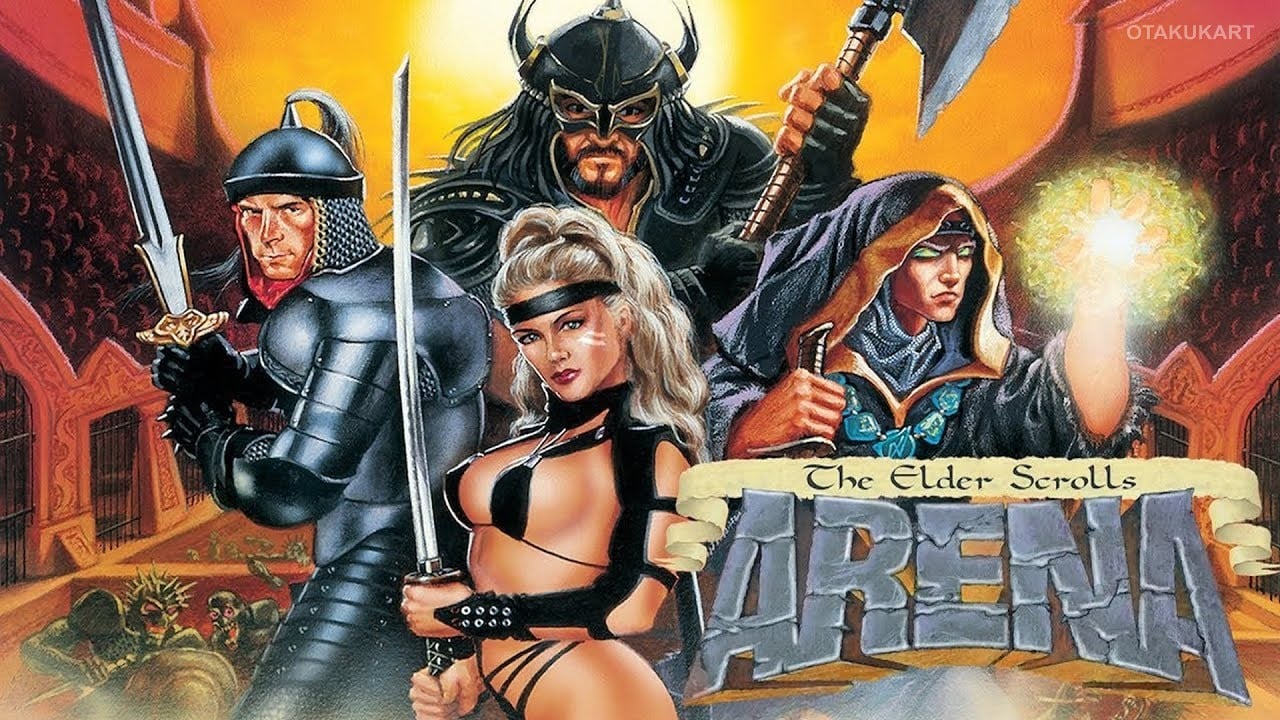
It is difficult to imagine Bethesda without The Elder Scrolls today. The franchise has become one of the biggest names in Western RPGs, but its beginnings were far less certain. According to Ted Peterson, a designer who worked on both The Elder Scrolls: Arena and Daggerfall, Bethesda’s first entry struggled badly when it launched in 1994.
In a retrospective on the development of Daggerfall published by Time Extension, Peterson explained that Arena suffered from shipping delays that caused retailers to cancel their orders. The game had already been an unusual gamble for Bethesda, which was better known at the time for sports games and titles such as Terminator 2029.
ARENA NEARLY LOOKED LIKE A FAILED EXPERIMENT
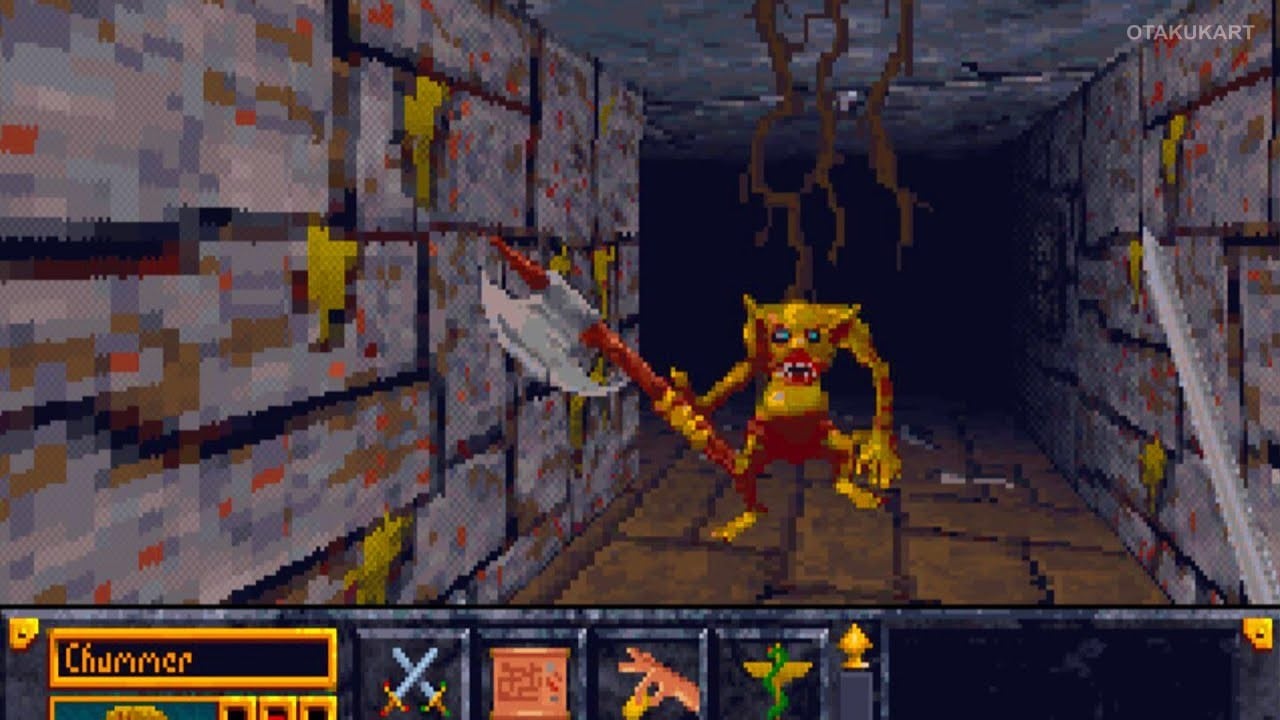
The Elder Scrolls: Arena was released for MS-DOS in March 1994 after missing its originally planned 1993 release window. Its development had also changed dramatically, transforming from a gladiator-themed multiplayer concept into a massive single-player RPG.
That complicated development history contributed to a difficult launch. Peterson recalled that retailers began cancelling orders after Bethesda failed to ship the game on schedule.
“Game stores ordered a certain number of copies,”
Peterson told Time Extension. He added that his earlier Terminator 2029 retail pack had shipped more copies than Arena did during its initial period.
The situation was serious enough that Bethesda’s future was uncertain. Peterson summarized the experience bluntly, saying,
“It was a disaster in a lot of ways and somehow built a billion-dollar franchise.”
WORD OF MOUTH CHANGED THE ELDER SCROLLS’ FUTURE
Despite its troubled beginning, Arena gradually found an audience. Positive reviews and word of mouth encouraged more players to discover Bethesda’s RPG, allowing sales to grow after its initial struggles. Historical sales figures indicate that Arena eventually sold around 120,000 copies across its first three years.
Bethesda president Christopher Weaver described the challenge in a 1995 interview with PC Gamer, explaining that the company was attempting to enter a role-playing market where it was not yet considered an established name.
At the time, Bethesda was associated more closely with sports games such as Wayne Gretzky Hockey and Gridiron! than with sprawling fantasy RPGs. Weaver recalled skepticism from retailers who questioned whether a company known for sports titles could successfully enter the RPG genre.
ARENA ESTABLISHED BETHESDA AS AN RPG DEVELOPER
The eventual success of Arena gave Bethesda the opportunity to continue the series with The Elder Scrolls II: Daggerfall, which launched in 1996. The sequel expanded the series’ enormous procedural world while introducing major changes to its storytelling and character systems.
Peterson’s comments highlight how different Bethesda’s position was before The Elder Scrolls became synonymous with open-world RPGs. What began as a risky project with disappointing early sales ultimately laid the foundation for a franchise that would later produce Morrowind, Oblivion, Skyrim, and Online.
For a series now known for enormous commercial success, Arena’s uncertain launch remains a reminder that even some of gaming’s biggest franchises can begin with very little certainty.