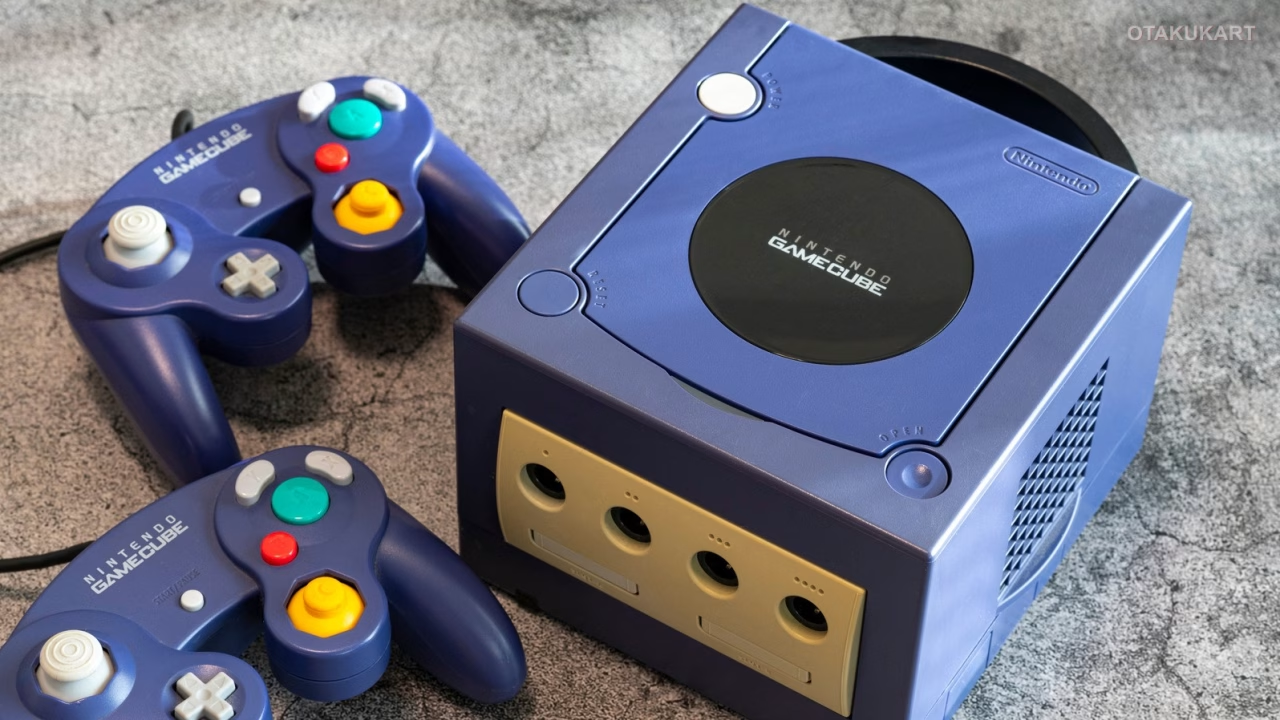
Nintendo icon Shigeru Miyamoto has revealed that the company’s struggles with the Nintendo GameCube played a major role in changing how it approached future consoles. According to Miyamoto, the GameCube failed to reach a broader audience because it was viewed as a device made only for dedicated players rather than something everyone could enjoy.
In an interview with Japanese publication Famitsu, Miyamoto discussed how the GameCube’s performance influenced Nintendo’s decision to rethink its strategy for the next generation, eventually leading to the creation of the hugely successful Nintendo DS and Nintendo Wii.
GameCube’s Limited Appeal Changed Nintendo’s Direction
Miyamoto explained that Nintendo executives, including former president Satoru Iwata, believed the GameCube’s biggest challenge was that gaming was still considered a niche hobby by many people.
The console sold approximately 21.7 million units worldwide, falling behind the Nintendo 64’s nearly 33 million sales and far below Sony’s PlayStation 2, which exceeded 160 million units globally.
Miyamoto described the issue by saying the GameCube was:
“Only purchased by gamers.”
According to the Nintendo veteran, the system struggled because it did not offer enough reasons for non-gamers to buy it. While the PlayStation 2 appealed to mainstream audiences with its built-in DVD player, the GameCube focused almost entirely on gaming through Nintendo’s proprietary mini-disc format.
After analyzing the GameCube’s shortcomings, Nintendo decided that future hardware needed to attract people who had never considered themselves gamers.
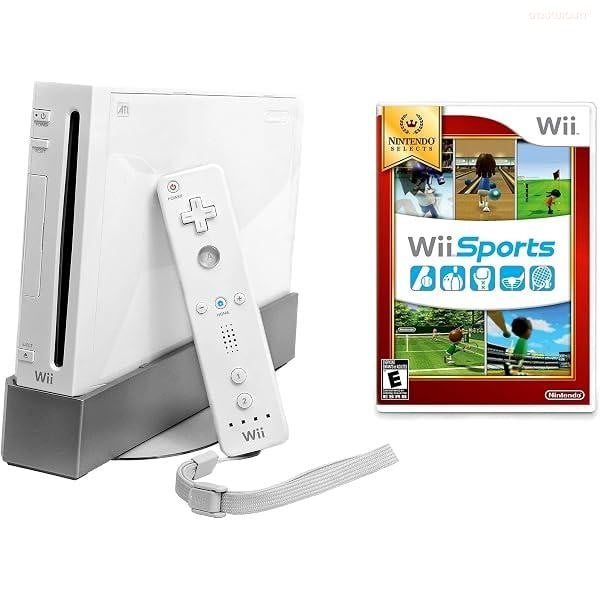
This philosophy shaped the development of the Nintendo DS, which introduced touchscreen controls and simpler experiences, and the Nintendo Wii, which used motion controls to make gaming more accessible.
The strategy proved successful. The Nintendo DS became one of the best-selling handheld consoles ever, with more than 154 million units sold, while the Wii reached over 101 million sales worldwide.
Unlike previous systems that mainly targeted existing players, Nintendo marketed the Wii toward families, older adults, and casual audiences. Games such as Wii Sports helped turn gaming into a social activity that could be enjoyed by people of all ages.
Miyamoto’s comments highlight how Nintendo’s biggest commercial successes came from learning what the GameCube lacked. Instead of competing directly with Sony and Microsoft for traditional gamers, the company expanded the definition of who could play video games.
The lessons from the GameCube era ultimately influenced Nintendo’s approach for years, creating a strategy centered around accessibility, innovation, and reaching audiences beyond longtime gaming fans.