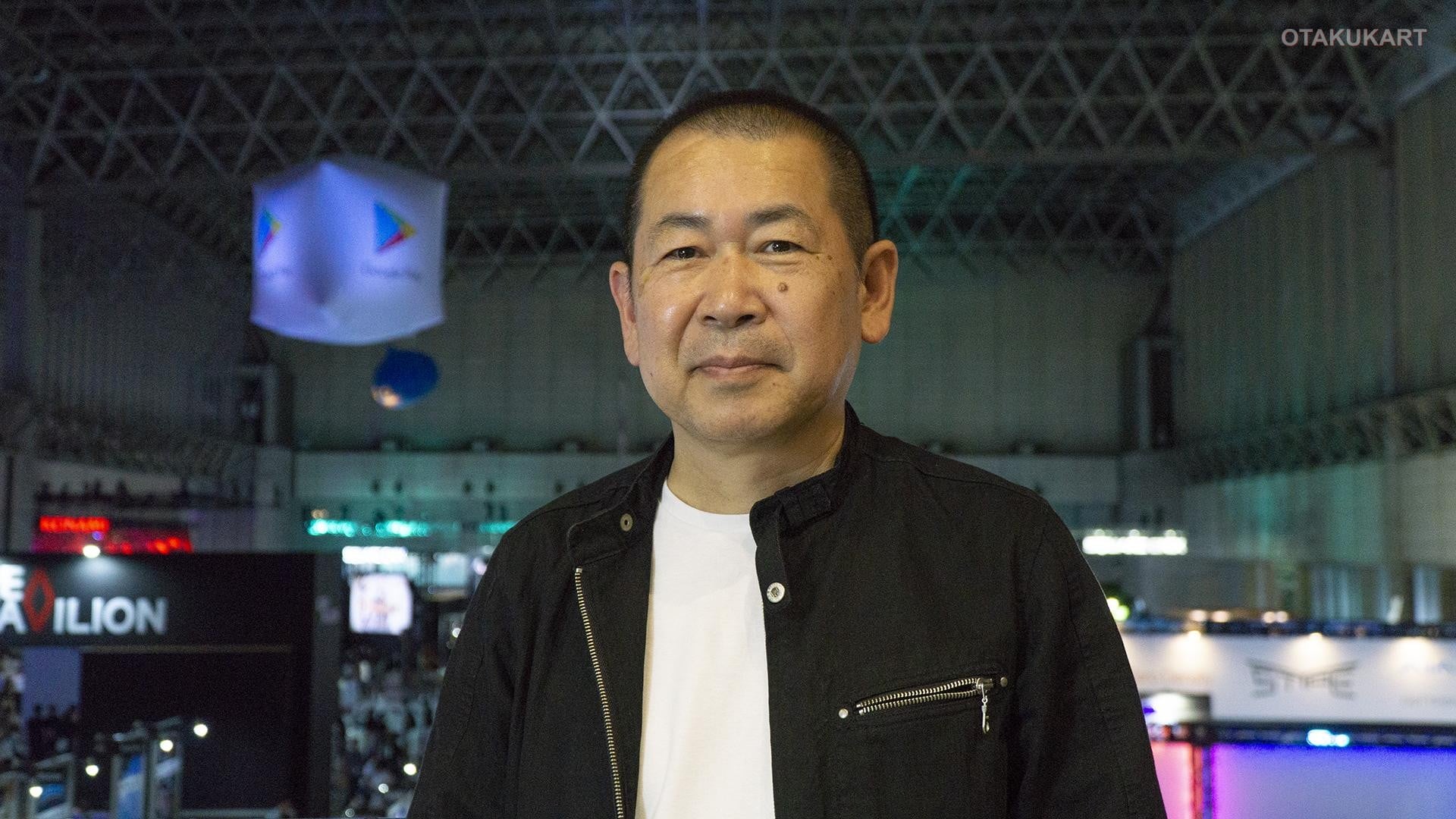
The upcoming release of Shenmue III Enhanced on Nintendo’s next-generation hardware has brought renewed attention to the long-running series, but it’s a recent comment from its creator that has sparked wider discussion. In a Nintendo Life interview, Shenmue creator Yu Suzuki pointed to an unexpected comparison, saying that Animal Crossing reflects the same “FREE” design philosophy that defined his groundbreaking series.
The statement stands out not because the two games are similar on the surface, but because it highlights a deeper connection in how players experience virtual worlds. With Shenmue III Enhanced aiming to refine the original 2019 release, Suzuki’s comments offer insight into what the series has always tried to achieve.
What “FREE” Means in Shenmue
Suzuki originally coined the term “FREE,” short for “Full Reactive Eyes Entertainment,” during the development of the first Shenmue. The idea was to move beyond traditional game structures and create a world where players could exist naturally rather than follow a rigid sequence of objectives.
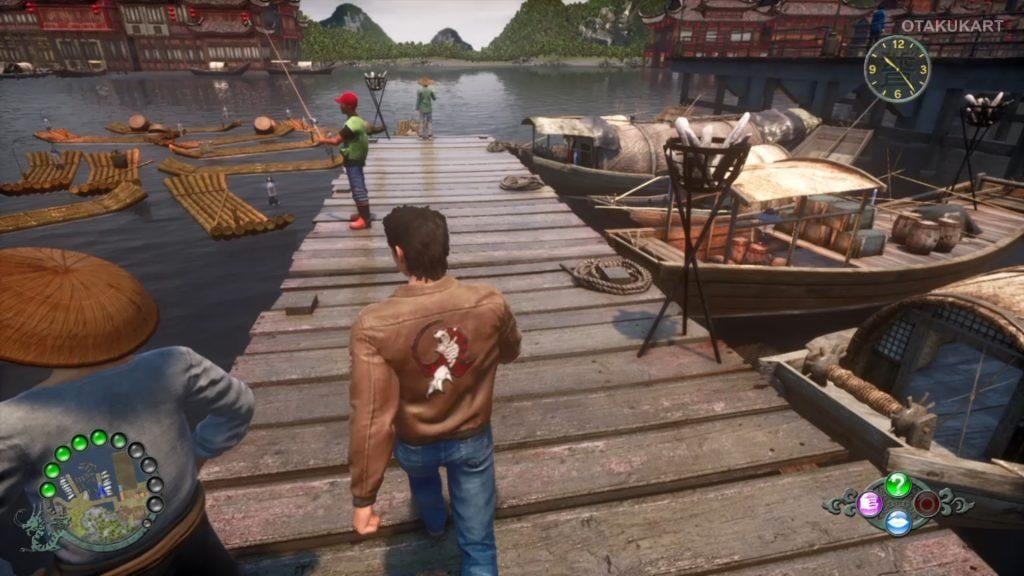
In Shenmue, this philosophy is reflected through its detailed environments, dynamic NPC routines, and emphasis on everyday activities. Players can spend time exploring towns, talking to residents, or simply observing the passage of time, creating a sense of immersion that was rare at the time of its release.
Reflecting on modern games, Suzuki explained that when he saw Animal Crossing, he felt it embodied this same sense of freedom. While he did not claim direct influence, he described it as a “wonderful game” that allows players a high degree of agency within its world.
Why Animal Crossing Fits That Vision
Although Shenmue and Animal Crossing belong to very different genres, the comparison becomes clearer when looking at how both games treat player interaction. Animal Crossing focuses on slow-paced, open-ended gameplay where players are free to shape their daily experience without pressure.
This aligns closely with the original intent behind Shenmue’s design. Instead of pushing players toward constant progression, both games allow space for routine, exploration, and personal pacing. The connection lies in how they prioritize the feeling of “living” in a world rather than simply completing tasks.
Suzuki’s comment avoids overstating the relationship, but it underscores how ideas introduced decades ago continue to resonate in modern game design.
Shenmue III Enhanced Brings the Series to Nintendo Players
The discussion comes as Shenmue III Enhanced prepares to launch on Switch 2, marking the series’ debut on a Nintendo platform. The updated version is not a full remake, but it introduces several improvements aimed at making the experience more accessible.
According to the developers, the enhanced edition includes quality-of-life updates such as improved camera controls, adjusted QTE timing, and options to skip cutscenes. These changes are largely based on player feedback from the original release, with the goal of smoothing out some of its more dated mechanics.
On the technical side, the game is currently targeting 1080p resolution with a stable 60 frames per second, reflecting a focus on consistent performance rather than pushing higher frame rates.
A Philosophy That Still Defines the Series
Even after more than two decades, Shenmue remains closely tied to the “FREE” concept that defined its earliest entries. Suzuki emphasized that maintaining the core identity of the series was a priority while working on Shenmue III and its enhanced version.
Rather than modernizing every aspect, the team chose to preserve the atmosphere and pacing that long-time fans associate with the franchise. At the same time, the new adjustments are intended to make the game easier for first-time players to approach.
Suzuki also hinted at the possibility of revisiting earlier entries, noting that bringing the first two Shenmue games to new platforms would be meaningful if the opportunity arises.