Rockstar Games is taking a significantly different approach to weather in Grand Theft Auto 6, with the studio completely reworking the technology responsible for storms, clouds and rainfall.
Speaking to Game Informer, Rockstar Vice President of Art for Lighting and Rendering Owen Shepherd explained that the team wanted Leonida to feel more expansive and dynamic. Rather than having weather behave uniformly across the map, different areas can experience their own conditions.
“We have re-engineered our weather system to make everything much more localized and persistent,”
Shepherd said.
He added that Rockstar wanted to “achieve a sense of scale we haven’t felt before,” with weather capable of changing independently across the game’s large open world.
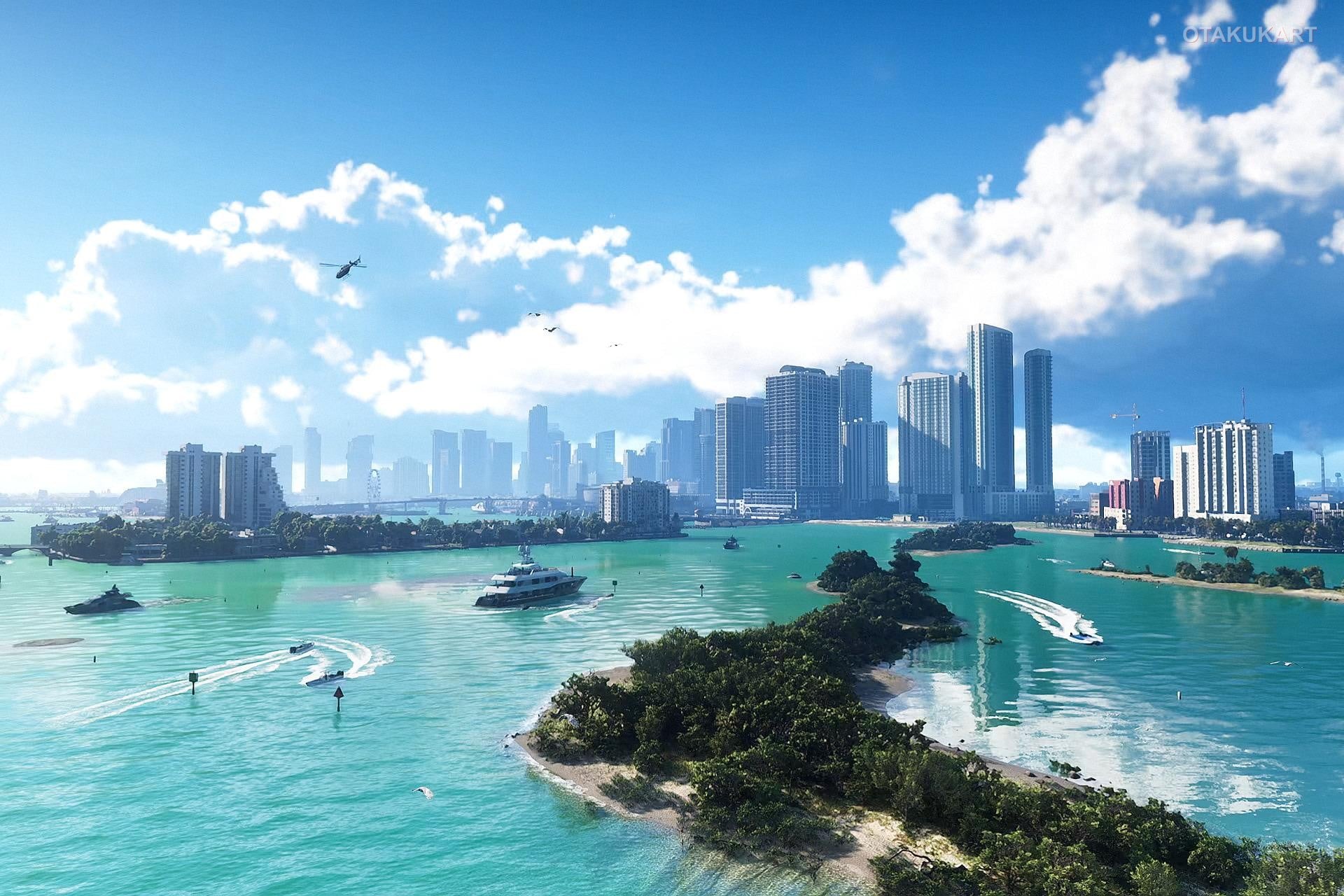
This means players could potentially encounter clear skies in one part of Leonida while watching a storm develop somewhere else. Rockstar is also emphasizing the aftermath of these weather events, with wet roads, puddles and rainbows remaining after rainfall has passed.
Dynamic Clouds Will Make Leonida Feel More Alive
The revamped system is supported by fully dynamic cloudscapes that move across the map. Shepherd described a range of Florida-inspired conditions, from clear winter skies to towering storm clouds with lightning during the warmer months.
The technology could make weather feel less like a scripted visual effect and more like something naturally occurring throughout the world.
Rockstar is also introducing more extreme weather conditions. Hurricanes and heavy thunderstorms are specifically part of the game’s weather simulation, although the studio has not yet explained whether these events will have significant gameplay consequences.
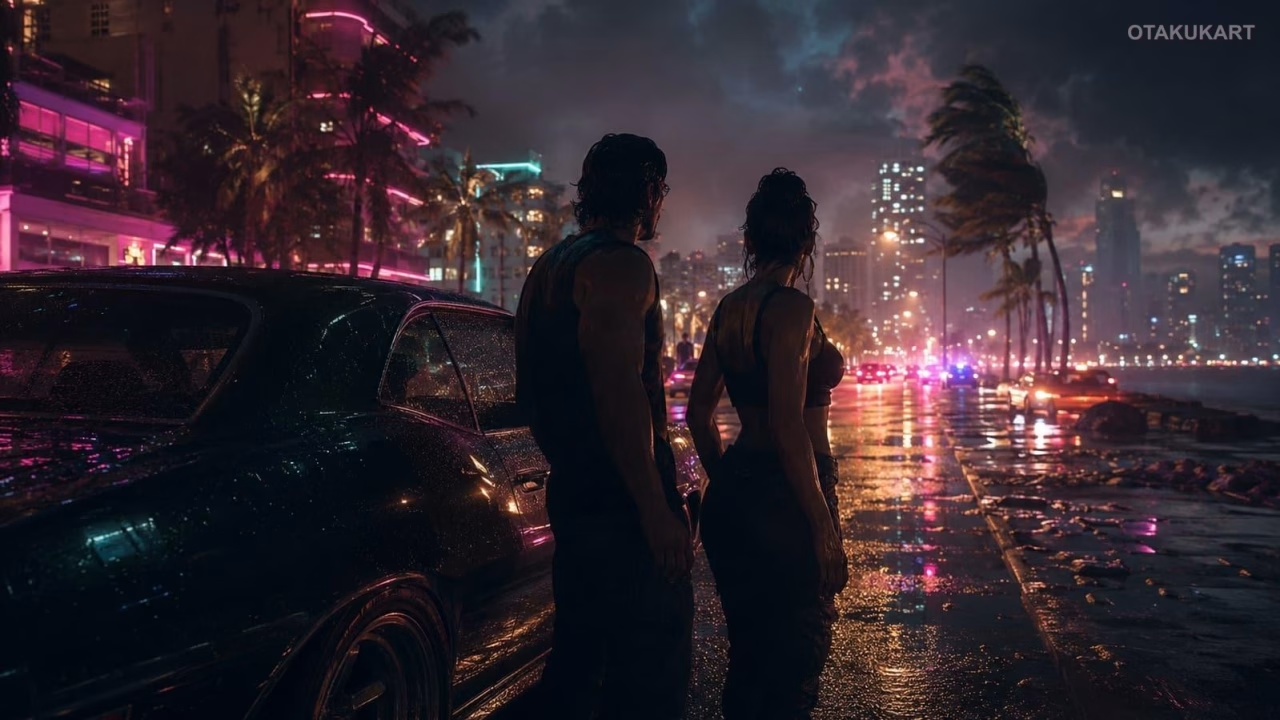
For particularly intense storms, Shepherd described
“heavy clouds, strong winds, dense atmospherics, and a lot of rain,”
alongside water flowing from rooftops and lampposts while thunder and lightning transform the environment.
The biggest unanswered question is how far Rockstar is taking this system beyond presentation.
The localized and persistent approach suggests that weather could influence how players experience different parts of Leonida. Rockstar has not confirmed whether heavy rain will affect vehicle handling, whether hurricanes can disrupt aircraft or whether severe weather will create unique gameplay opportunities.
That uncertainty makes the revamped system particularly interesting. Red Dead Redemption 2 already demonstrated Rockstar’s ability to make environmental effects feel interconnected, and GTA 6 appears poised to push that technology further.
The same Game Informer feature also revealed that Leonida will contain more than 170 animal species, including over 60 bird species and more than 30 land mammals. Scuba diving will return as well, with marine life such as manatees, jellyfish and whales inhabiting the waters.
Grand Theft Auto 6 is scheduled to launch on November 19, 2026, for PlayStation 5 and Xbox Series X|S.

| Release Date | November 19, 2026 |
|---|---|
| Platforms | PlayStation 5, Xbox Series X|S |
| Developer | Rockstar Games |