Sony Interactive Entertainment has reaffirmed its commitment to live service games despite the mixed results the company has experienced in the genre over the past few years. While titles like Helldivers 2 became major successes and Concord failed to meet expectations, PlayStation CEO Hideaki Nishino says Sony still believes live service games play an important role in the company’s long-term strategy.
Speaking in a recent interview with Famitsu, Nishino discussed Sony’s plans for live service titles, the company’s approach to PC releases, and how PlayStation intends to balance multiplayer experiences with its critically acclaimed single-player games.
Rather than viewing recent setbacks as a reason to scale back investment, Nishino suggested Sony remains focused on improving and expanding its live service portfolio while continuing to support its traditional strengths.
Sony says live service games remain a global priority
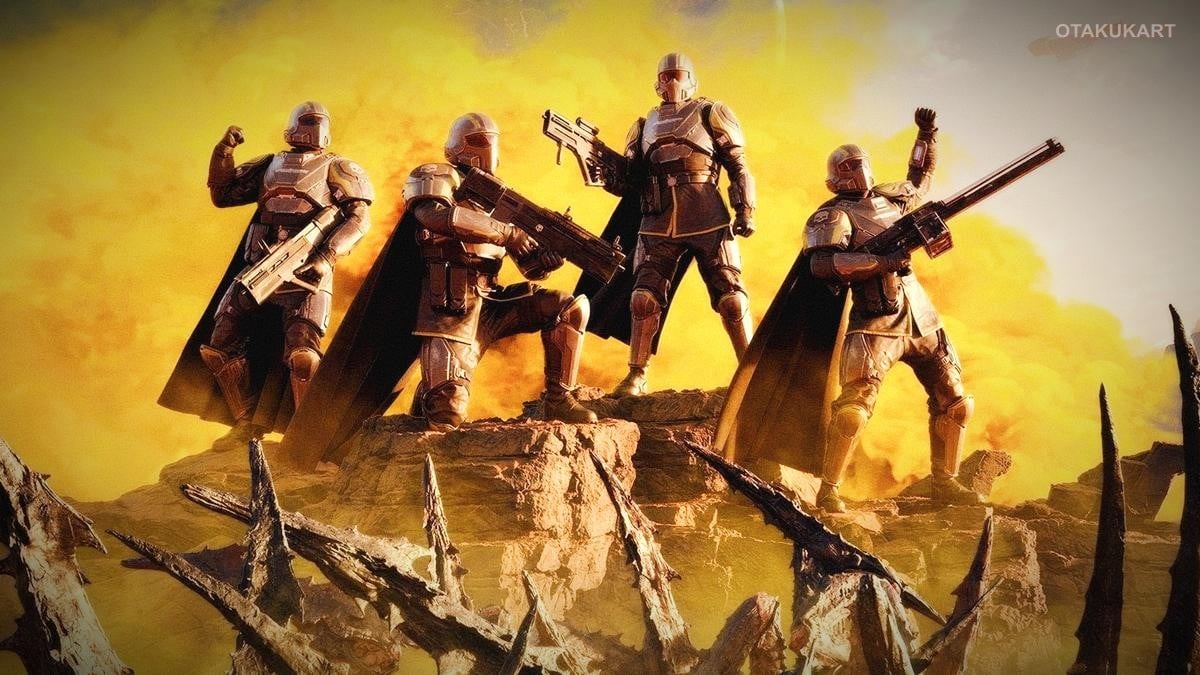
Asked about PlayStation’s experience with live service games following the success of Helldivers 2, the disappointing launch of Concord, and the positive reception to Marathon, Nishino explained that Sony continues to see significant opportunities in the genre.
He said:
“We believe that live service games are content that attracts users on a global level, so we want to continue to stimulate the market through first-party and third-party content.”
According to Nishino, Sony’s strategy extends beyond simply launching new multiplayer games. The company is also exploring ways to keep existing live service titles active over the long term through continued support and promotional initiatives.
As one example, he pointed to a campaign involving Harakami, where new PS5 owners received a 10% discount on in-game currency. Nishino said these types of initiatives help extend the lifespan of live service games while continuing to engage players after launch.
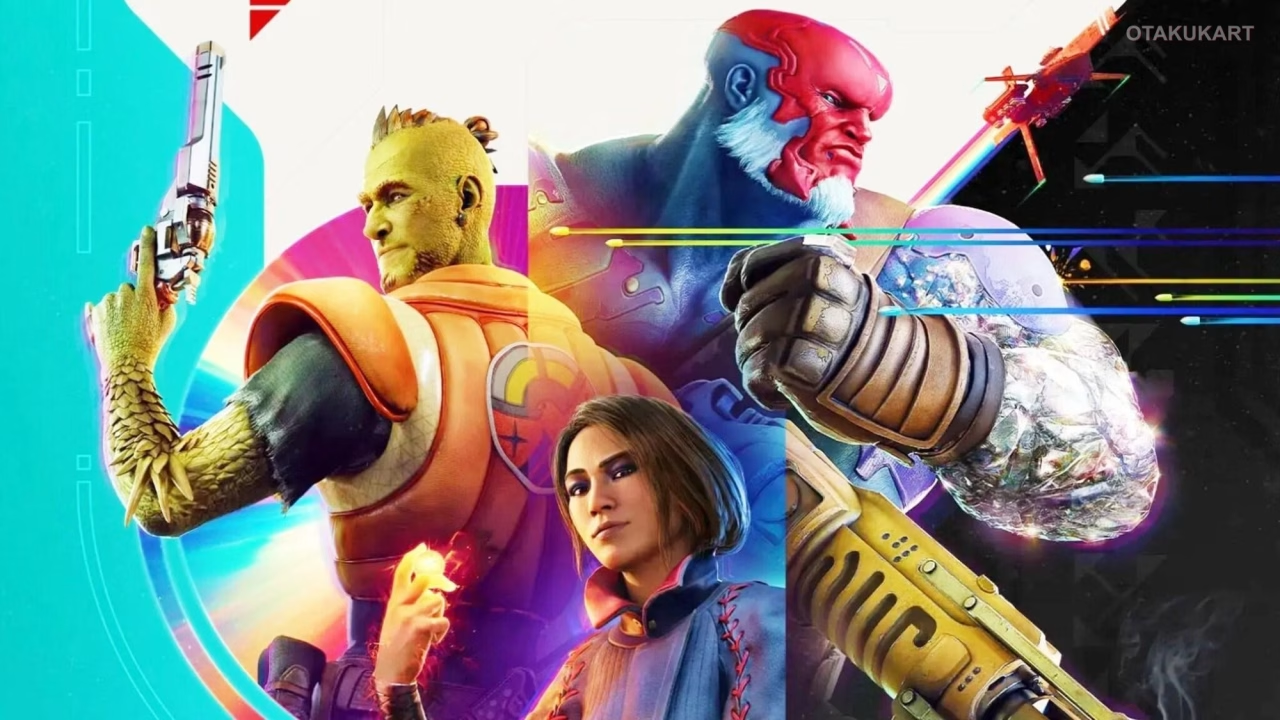
Sony is also preparing another internally published live service title, MARVEL Tōkon: Fighting Souls, which Nishino said the company hopes players will embrace following its release later this year.
Continuous support remains key to Sony’s strategy
Nishino emphasized that maintaining a successful live service game requires long-term commitment rather than a single successful launch.
When asked whether Sony planned to continue pursuing live service games despite the challenges involved, he responded:
“For live service games, it’s crucial to continuously provide something. The genre itself is relatively new, and I think many people have tried various things, so we would like to continue to take on challenges within that context.”
The comments suggest Sony views live service development as an evolving process rather than one defined by individual successes or failures. Instead of abandoning the genre after Concord’s disappointing performance, the company appears focused on learning from previous projects while continuing to invest in future releases.
Sony continues balancing live service and single-player games
While reaffirming support for live service games, Nishino also clarified that Sony is not moving away from the single-player experiences that have become synonymous with PlayStation Studios.
Discussing the company’s PC strategy, he explained that platform decisions are made based on the individual characteristics of each title. Sony’s priority remains delivering the best possible experience for first-party single-player games on PlayStation hardware, while multiplayer live service titles are considered for broader launches across both PS5 and PC to reach larger online communities.
This approach allows Sony to continue supporting blockbuster narrative-driven exclusives while expanding the audience for games that benefit from larger player bases.
Elsewhere in the interview, Nishino discussed Sony’s broader strategy for the PlayStation ecosystem. He reaffirmed the company’s commitment to dedicated game consoles while acknowledging that future hardware could evolve to accommodate changing player lifestyles.
He also highlighted the growing role of PlayStation Portal, cloud streaming through PlayStation Plus Premium, and other initiatives aimed at giving players greater flexibility in how they access PlayStation experiences.
Taken together, Nishino’s comments paint a picture of a company pursuing multiple directions simultaneously. Rather than replacing single-player games with live service titles, Sony appears intent on growing both areas of its business while adapting to changing player habits and expanding the PlayStation ecosystem.