
Phantom Blade Zero aims to deliver the spectacle and intensity of a dark fantasy action RPG without forcing every player to overcome punishing difficulty. The upcoming wuxia-inspired title from S-Game offers multiple difficulty settings, giving players the freedom to enjoy its combat at their preferred level of challenge.
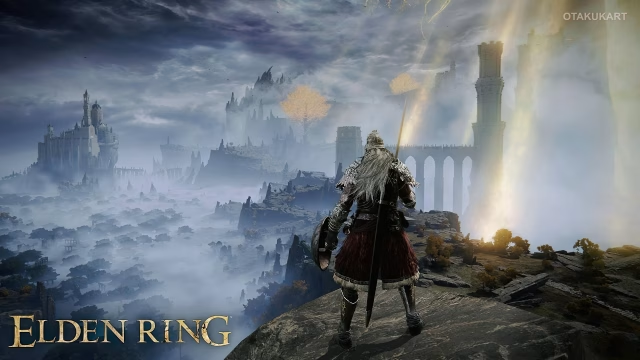
The approach sets the game apart from action RPGs known for demanding boss fights and steep learning curves. Players can experience elaborate combat encounters and face grotesque enemies without necessarily committing to the relentless difficulty associated with games such as Elden Ring or Sekiro: Shadows Die Twice.
In a statement shared on X, game director and S-Game CEO Liang Qiwei, also known as Soulframe, explained that the studio wants to make the experience enjoyable for a broad audience. His comments highlight the team’s intention to preserve challenging action while making the game more welcoming to newcomers.
“We want as many people as possible to have fun, unwind, and enjoy the experience, while offering an extra rush of adrenaline to those who seek a challenge,”
Liang said.
Three Difficulty Modes Let Players Choose Their Challenge
Phantom Blade Zero offers three difficulty settings during the first playthrough: Wayfarer, Pathbreaker, and Hellwalker. Each option caters to a different type of player, from those who want a more relaxed journey to experienced action game fans looking for demanding fights.
Wayfarer is the easier option, while Pathbreaker provides a more balanced challenge. Hellwalker is designed for players who want tougher combat and more aggressive enemies. A separate challenge mode called 66 Days becomes available after completing the game, adding another test for players who want to push their skills further.
This flexibility could make the game more appealing to players who enjoy stylish combat but do not want to spend hours repeatedly fighting the same boss. Rather than making high difficulty a requirement, S-Game gives players a choice in how demanding the experience should be.
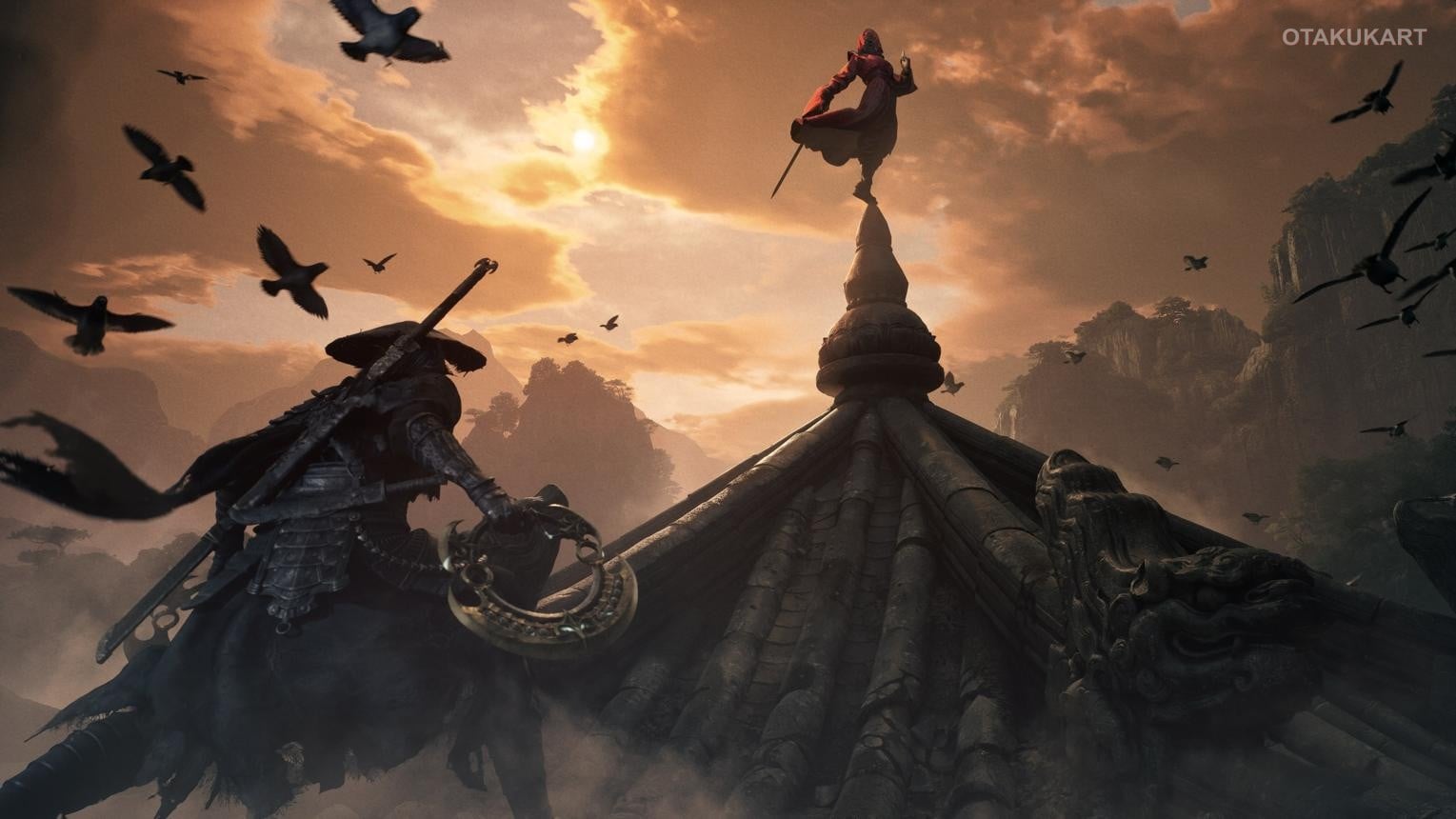
Difficulty settings are not the only way Phantom Blade Zero aims to make progression more forgiving. As reported by GamesRadar+, defeated enemies do not routinely respawn, and boss encounters feature checkpoints between certain phases. These systems help players maintain their progress instead of repeatedly clearing the same areas after every setback.
The game still features cinematic boss battles, intricate enemy designs, and fast-paced martial arts combat inspired by wuxia. Its approach focuses on preserving those elements while giving players more control over how much resistance they face.
S-Game’s philosophy reflects a broader design choice: an action RPG can challenge experienced players without excluding those who prefer a more accessible adventure. With Phantom Blade Zero, Liang wants players to enjoy the game’s combat and world at their own pace, while leaving room for those who want a tougher test.
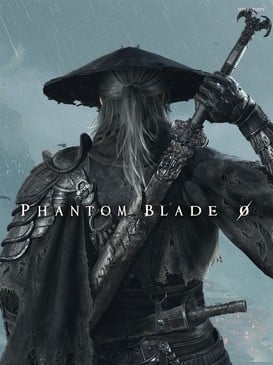
| Release Date | October 29, 2026 |
|---|---|
| Platforms | PlayStation 5, PC (Steam) |
| Developer | S-GAME Studio |