Adapting Sekiro: Shadows Die Twice into an anime film was always going to be a difficult challenge. FromSoftware’s acclaimed action game earned its reputation through demanding combat, where every duel depends on perfect timing, relentless aggression, and precise parries. Those mechanics are impossible to recreate directly in a passive medium, so Sekiro: No Defeat wisely shifts its focus. Rather than attempting to replicate the player’s experience, it translates the spirit of the game through cinematic storytelling, stylized action, and a stronger emphasis on the emotional consequences of violence.
The result is an adaptation that remains faithful to the source material while confidently establishing its own identity. Although the movie compresses a large portion of the game’s narrative, its artistic vision and thematic direction make it feel more like a reinterpretation than a straightforward retelling.
Dynamic action sequences successfully recreate the game’s intensity
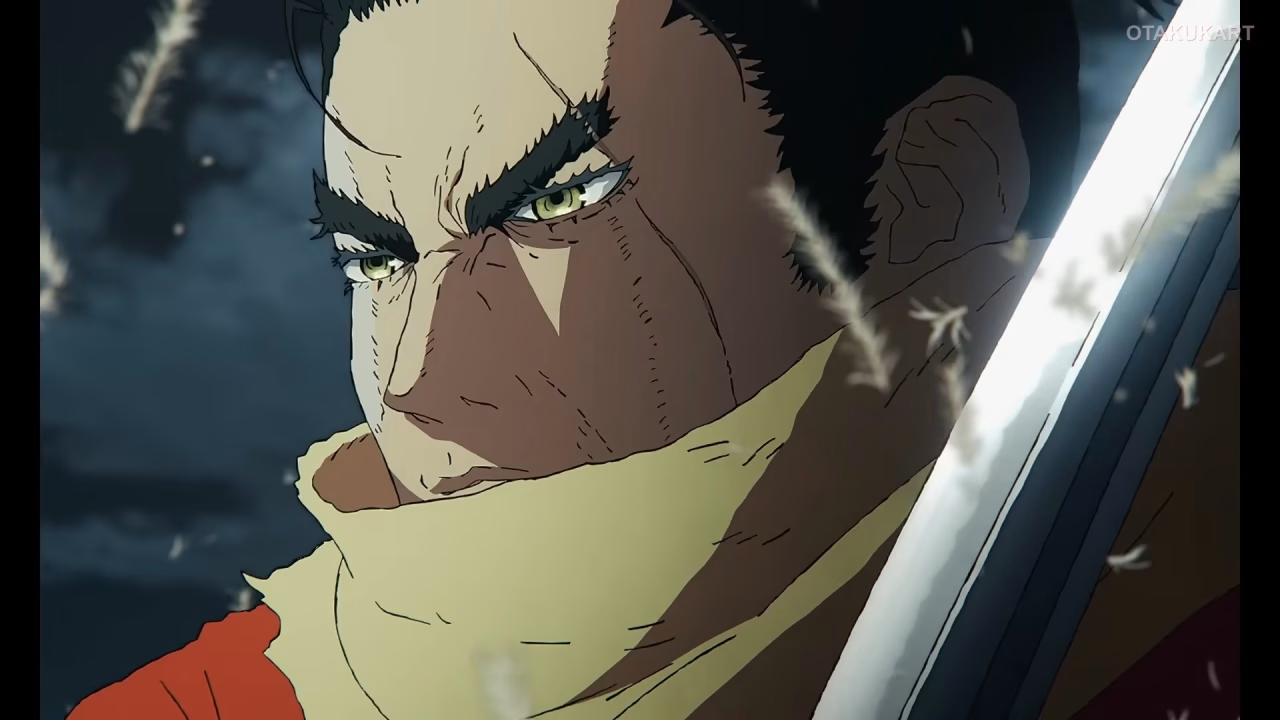
The film immediately demonstrates that it understands what made the original game memorable. The opening confrontation between Sekiro and Genichiro Ashina stands out as one of the strongest sequences, using rapid editing, rhythmic cuts, and carefully timed sound design to recreate the tension players felt during boss encounters.
Instead of relying solely on flashy animation, the movie builds momentum through pacing. Every sword clash carries weight, while strategic pauses between attacks heighten anticipation before another explosive exchange. Even viewers unfamiliar with the game can appreciate how these duels communicate skill, determination, and desperation without excessive dialogue.
Director Kenichi Kutsuna also finds creative ways to use the language of animation. Certain fights become almost abstract, visually representing Sekiro’s mental focus rather than simply showing swordplay. These moments prevent the action from becoming repetitive and help distinguish the adaptation from typical samurai anime.
Strong visual identity elevates Ashina’s tragic world
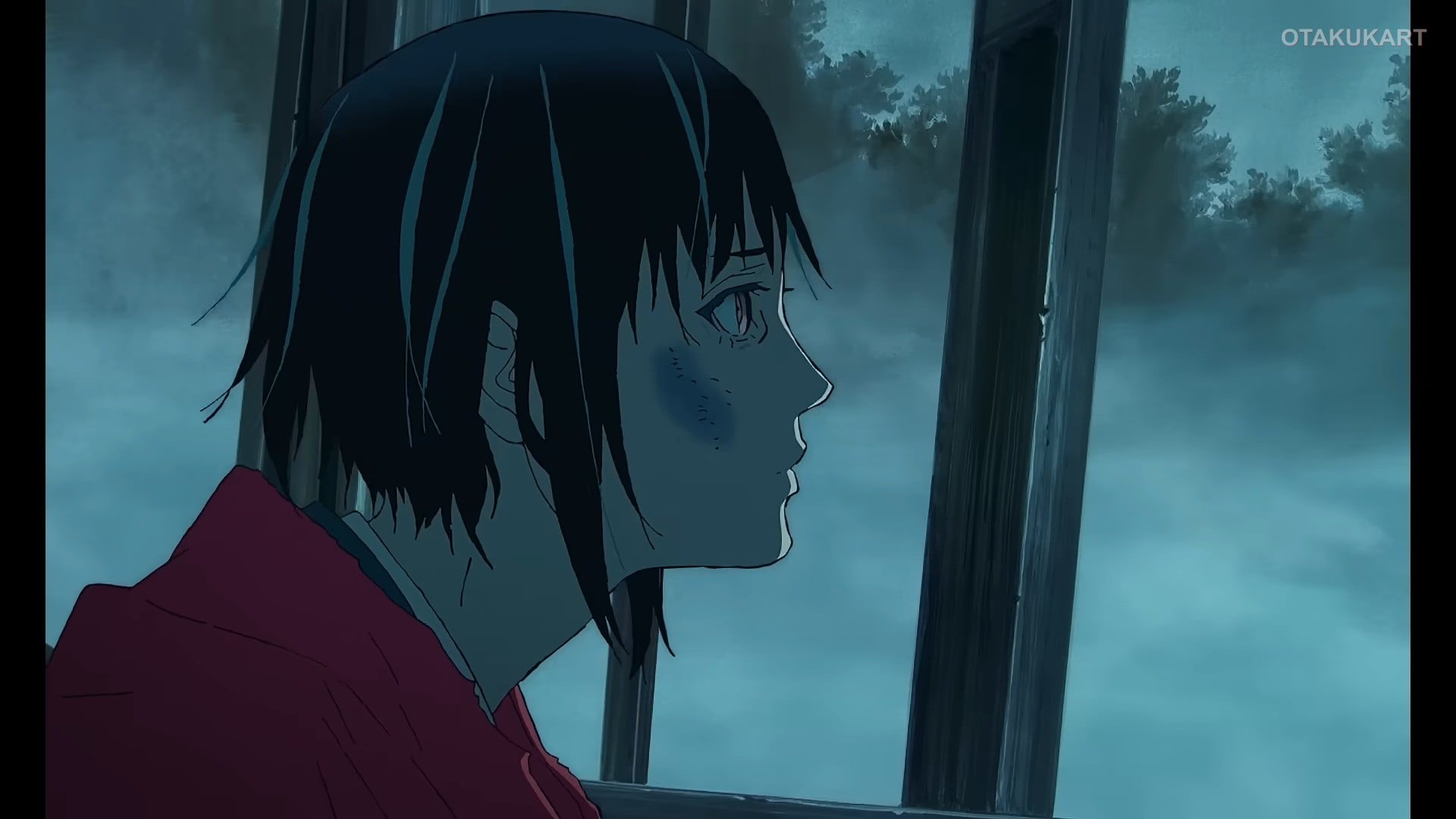
Perhaps the film’s greatest achievement is its distinctive visual presentation. Rather than pursuing clean digital realism, the animation embraces rough brushstroke-inspired artwork, textured environments, and muted colors that reflect Ashina’s decline.
The backgrounds often resemble traditional paintings brought to life, while character close-ups feature dense, expressive linework that emphasizes emotion during quieter scenes. Lighting also plays an important role, shifting between smoky reds, cold blues, and sickly yellow tones to reinforce the world’s constant state of conflict.
This artistic direction gives the movie a personality separate from the game. Even familiar locations feel refreshed because the film presents them through a more painterly and symbolic lens instead of strict visual recreation.
A thoughtful exploration of immortality despite rushed pacing
Where Sekiro: No Defeat differs most from its source material is its treatment of the story’s emotional themes. While the game naturally focuses on player progression and repeated combat encounters, the film has room to examine the psychological burden carried by its characters.
The relationship between Sekiro and Kuro becomes more emotionally resonant, particularly through the expanded treatment of Dragonrot. Rather than functioning as a gameplay mechanic, the disease becomes a visible reminder that every resurrection carries consequences for innocent people. Kuro’s growing trauma adds genuine emotional weight to Sekiro’s seemingly endless cycle of violence.
The film also explores broader questions surrounding immortality and warfare. It asks whether endless life has any meaning when it only prolongs suffering and conflict, giving the narrative a more philosophical foundation than many action-focused adaptations.
However, the movie’s biggest weakness is its pacing. Large sections of the game’s story are condensed into a relatively short runtime, causing important character developments to arrive sooner than they should. Objectives are completed almost immediately after they’re introduced, leaving little opportunity for emotional reflection before the narrative races toward its next major battle.
Fans familiar with the original game will likely notice the absence of several memorable encounters and side stories. While the streamlined approach keeps the momentum high, it occasionally undermines dramatic scenes that deserved more breathing room.
Despite its compressed storytelling, Sekiro: No Defeat succeeds because it understands the heart of the original game instead of simply recreating its events. Its breathtaking art direction, inventive action choreography, and deeper exploration of mortality transform the familiar narrative into something that feels fresh. Rather than focusing solely on the thrill of combat, the film emphasizes the emotional cost of survival, making its interpretation of Sekiro’s journey surprisingly meaningful.
The adaptation may move too quickly for some viewers, but its confident visual style and thoughtful thematic additions ensure it stands as one of the more distinctive video game anime adaptations in recent years.
The Good
- Outstanding art direction with a distinctive painterly visual style.
- Sword fights capture the rhythm and intensity of the original game.
- Expands the emotional impact of Dragonrot and immortality.
- Strong thematic focus on war, sacrifice, and psychological trauma.
- Creative cinematic techniques make familiar scenes feel fresh.
The Bad
- Story progression feels heavily compressed.
- Several memorable game sequences are omitted.
- Emotional moments often lack enough buildup.
- Newcomers may struggle with the fast-paced narrative.