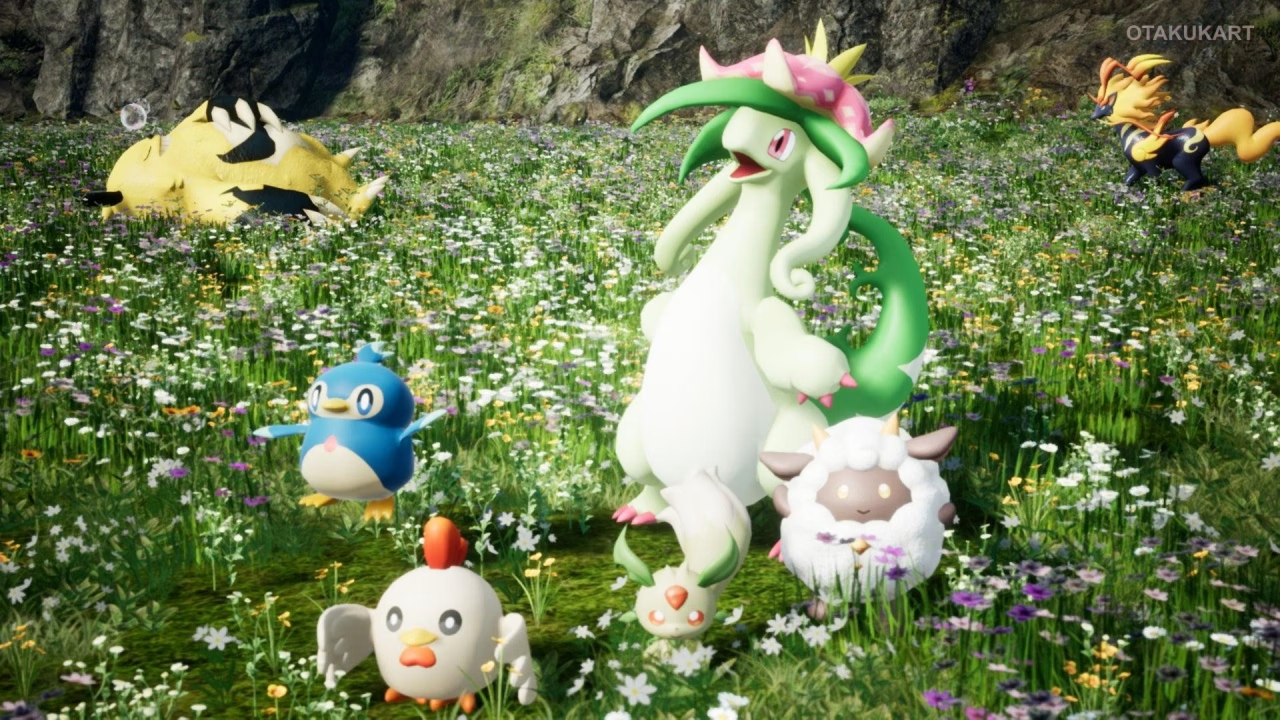
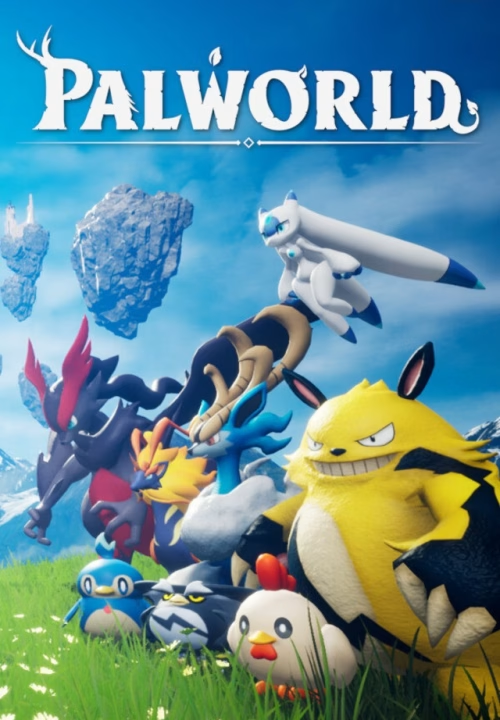
Palworld may combine monster collecting with survival crafting, base building, automation, and combat, but its Pals immediately communicate information through their appearance. Their silhouettes, colors, expressions, elemental themes, and animal-inspired features help players understand what kind of creature they are looking at before learning their statistics or abilities.
That approach is familiar to fans of Japanese creature-collection franchises such as Pokémon and Digimon. However, Palworld adds another layer because its creatures are not designed exclusively around battles. Pals can fight alongside players, perform tasks at bases, assist with exploration, and provide specialized abilities.
This makes visual identity particularly important. A creature’s appearance establishes its personality and elemental identity, while its gameplay role gives that design additional meaning.
PALS HAVE MORE THAN ONE IDENTITY
Pocketpair CEO Takuro Mizobe previously explained to AUTOMATON WEST that the studio wanted Pals to combine autonomous behavior with emotion. He described the game’s philosophy as “automation with emotion,” explaining that Pals could react positively to care but might also become unhappy or refuse to work if mistreated.
That philosophy helps explain why expressions and personality are so important to the roster. Pals are not simply combat statistics attached to colorful creatures. Their animations, facial expressions, abilities, and work specialties contribute to how players perceive them.
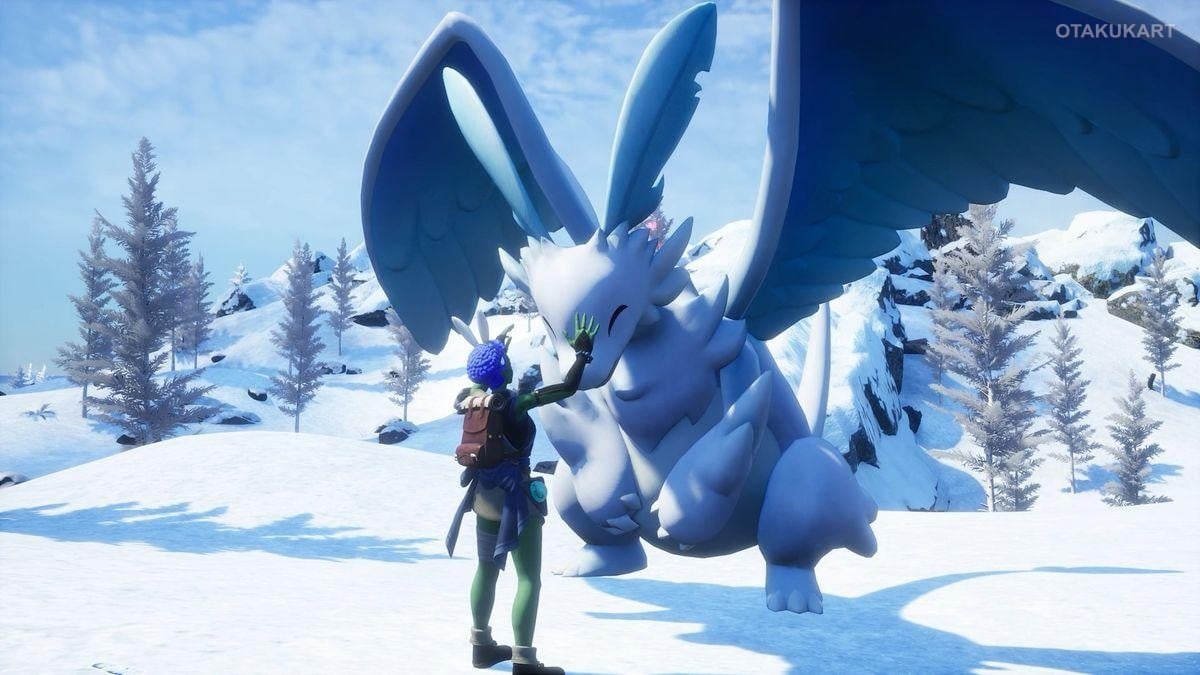
Mizobe also explained that individual Pals can have different passive skills, with some becoming more hardworking while others may be more inclined to slack off. Their work suitability can also differ, meaning two visually similar creatures can have very different value depending on how a player uses them.
DESIGNING HUNDREDS OF DISTINCT PALS IS A MAJOR CHALLENGE
Pocketpair’s development history also shows how much work goes into making the creatures feel distinct. The studio has previously explained that Pals have unique shapes and skeletons, meaning their animations cannot simply be reused across the entire roster.
More recently, Pocketpair head of publishing and communications John “Bucky” Buckley revealed that the studio has an internal collection of hundreds of unused Pal concepts.
According to reports from his 2026 Gamescom interview, concept artists create 2D designs before the team evaluates them internally. Designs that survive the voting process can then move into 3D production, where some are rejected if they fail to translate effectively.
This helps explain why Palworld has such a recognizable visual vocabulary. The final roster is the result of extensive selection rather than every concept making it into the game.
WHY THE DESIGNS FEEL INSTANTLY RECOGNIZABLE
The familiarity of Palworld’s creatures ultimately comes from combining several established design principles. Strong silhouettes make creatures recognizable at a glance, elemental motifs communicate their abilities, and exaggerated facial expressions give them personality.
The game’s survival systems then build on that visual language by giving the same creatures practical roles outside combat. A Pal can look like a conventional fantasy monster while functioning as a worker, mount, fighter, or base assistant.
That combination is what makes Palworld’s creature roster stand out. Its surface-level design language feels familiar to anime and monster-collecting fans, but the systems underneath give those familiar conventions a different purpose.
| Platforms | Microsoft Windows |
|---|---|
| Developer | Pocketpair |