Nintendo’s amiibo figures may look simple on store shelves, but creating them requires an extraordinary level of precision. A new behind-the-scenes feature from Nintendo has offered a closer look at how the company transforms its two-dimensional characters into physical figures, including the surprisingly difficult process of getting their faces right.
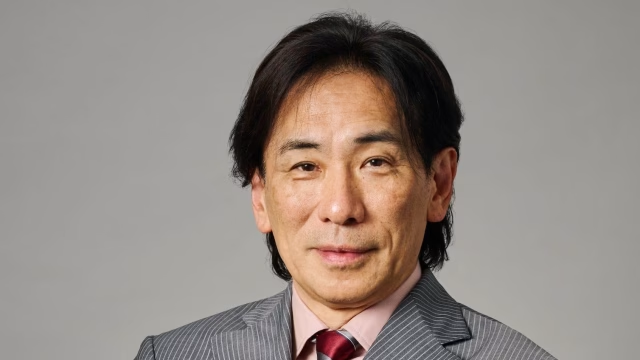
Yo Ohnishi, a Nintendo 3D modeler who works on amiibo and larger statues displayed at locations such as the Nintendo Museum and Super Nintendo World, explained that translating an illustrated character into three dimensions requires adjustments that go far beyond simply recreating an existing model.
Why Nintendo Cannot Simply Copy a Character’s 2D Design
According to Ohnishi, Nintendo begins by creating pose data from a character’s 3D CG model while referencing the official artwork. However, a drawing is designed to look correct from a particular viewpoint, whereas a physical figure must maintain its proportions from multiple angles.
Expressions and body proportions that work perfectly in a two-dimensional illustration can therefore look unnatural when recreated as a physical object. Nintendo’s designers repeatedly check the model from different viewpoints and adjust the pose, limbs, and body proportions until the character maintains a convincing appearance.
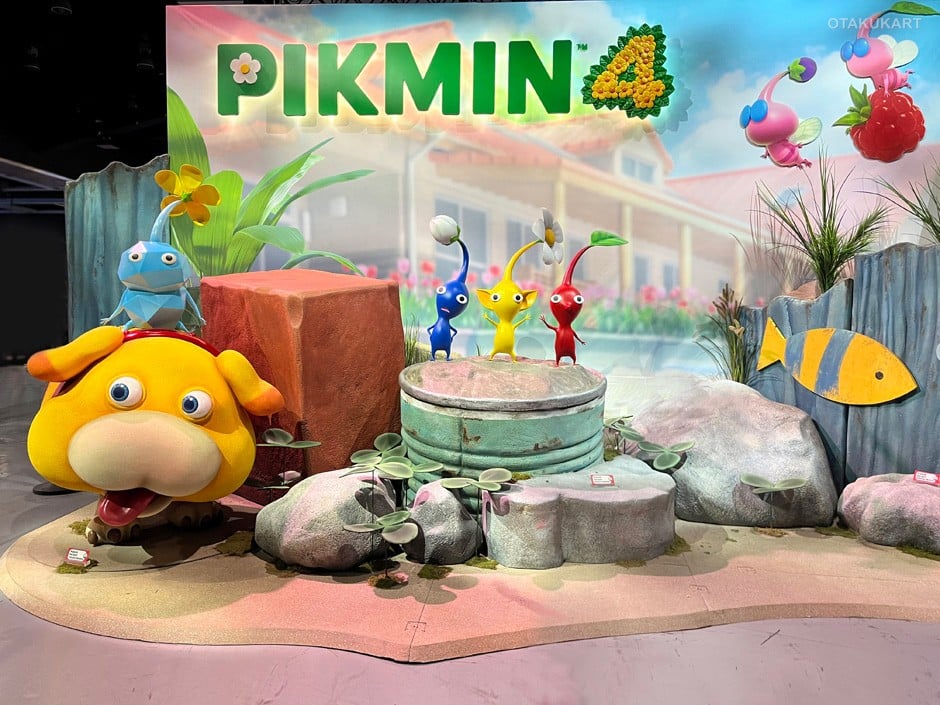
The most delicate work comes during the painting and printing stage. Ohnishi explained that because amiibo are relatively small, even a tiny error in the positioning of the eyes can dramatically alter how the entire character looks.
“Even a slight misalignment of the eyes can make the figure look like a completely different person,”
Ohnishi said in Nintendo’s feature. The company can prepare correction images and adjust the placement of painted eyes in increments of less than 1 millimeter to preserve the character’s intended expression.
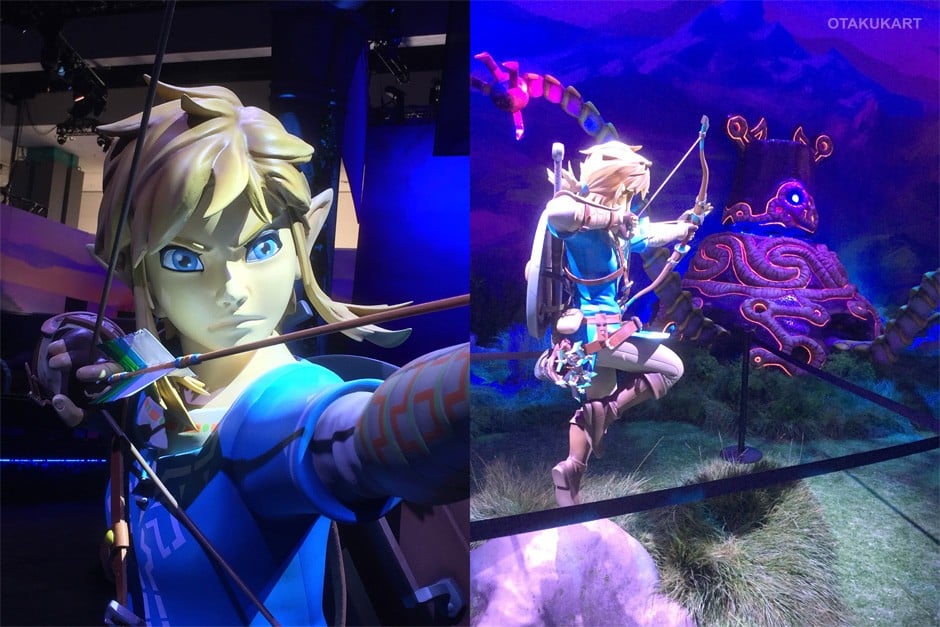
The challenge becomes different when Nintendo works on much larger statues. Their size can make it difficult for artists to judge facial proportions and overall balance while painting. Ohnishi revealed that he has occasionally drawn the outline of the eyes directly onto a statue with a pencil to establish the correct placement.
Ohnishi’s responsibilities demonstrate how much work goes into Nintendo’s physical character displays. His team handles projects ranging from amiibo to large-scale sculptures designed for events, attractions and permanent locations.
The attention to detail is especially important because Nintendo characters are instantly recognizable to millions of fans. Ohnishi said that seeing customers react to completed sculptures, take photographs with them and even discover Nintendo characters through these physical creations makes the work particularly rewarding.
Nintendo continues to release new amiibo figures based on its major franchises. Its current lineup includes characters from series such as The Legend of Zelda, Super Mario, Kirby, Metroid and Splatoon.