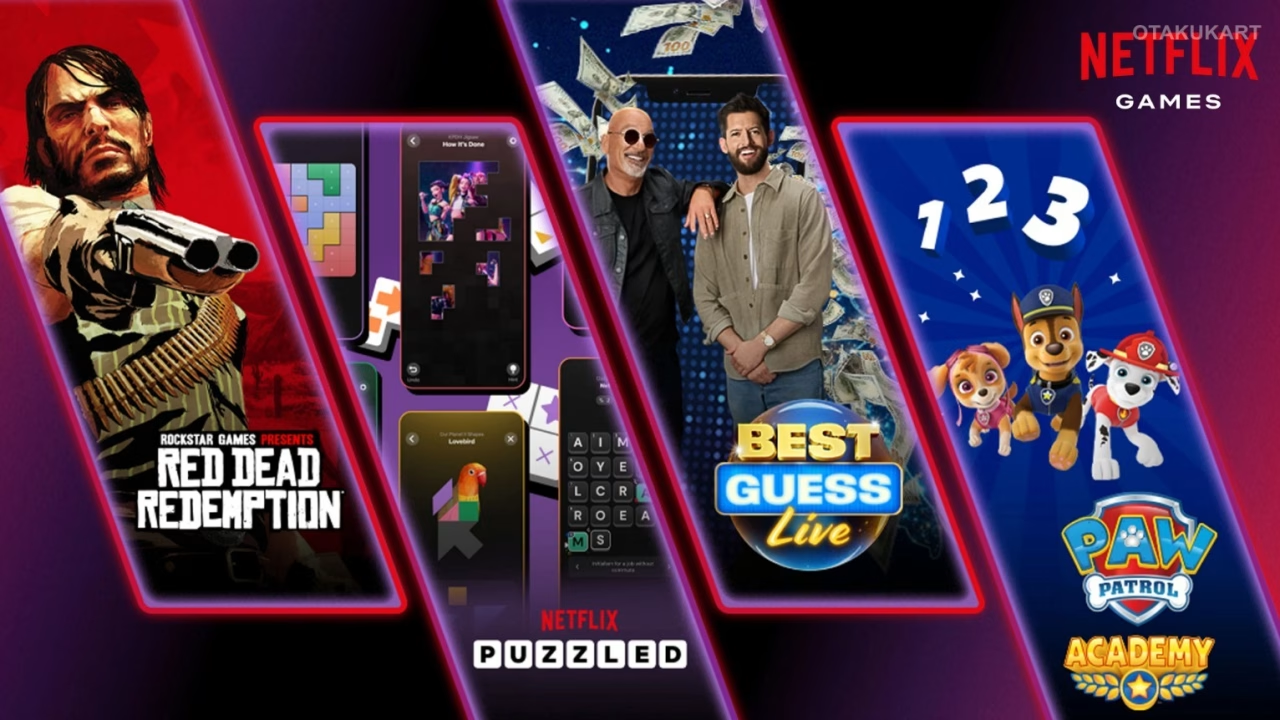
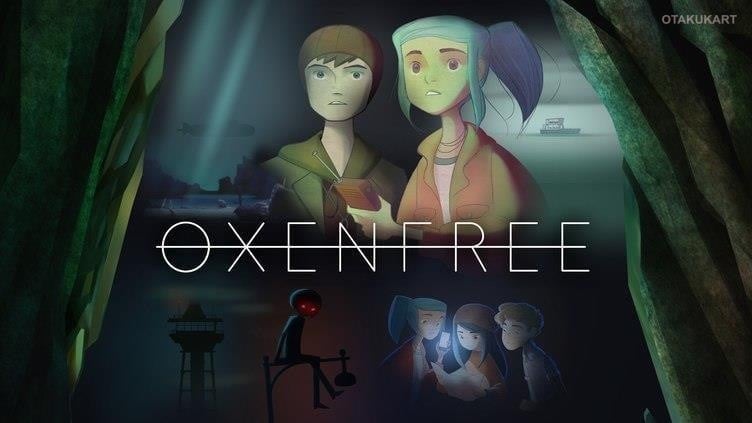
Netflix is changing its video game strategy once again, and this time the shift appears to be away from the prestige indie games that helped define its early gaming ambitions. The company has closed Night School Studio, the developer behind Oxenfree, as well as Moonloot Games, while restructuring its games division around a smaller number of priorities. Netflix says those priorities include kids’ games, party and puzzle titles, narrative experiences, and mainstream games.
The move represents a significant change for Netflix Games. When the service entered the market in 2021, it initially targeted casual players with small titles and games based on its popular shows. It then moved toward critically acclaimed indie releases, bringing games such as Into the Breach, Immortality, Hades, Death’s Door, and Monument Valley to subscribers.
Why Netflix Is Moving Away From Prestige Indies
Netflix’s early investment in indie games gave the service credibility among dedicated gaming audiences, but the company struggled to make those titles a visible part of the Netflix experience. Games were frequently buried inside the streaming service, meaning subscribers could easily spend hours watching Netflix without realizing that a substantial gaming library was included with their membership.
The company has increasingly focused on games that can reach a broader audience and work naturally with Netflix’s existing entertainment ecosystem. Its expansion into television-based gaming and party experiences is particularly important, allowing subscribers to use their phones as controllers while playing together on a television. Netflix describes its TV party games as an experience designed to make game night accessible without complicated hardware or setup.
Netflix is also seeing promising results from its focus on children. Netflix Playground, its dedicated kids’ gaming experience, had tripled its daily players since launching, while engagement with Netflix’s kids’ mobile games increased 600% year over year.
The strategy is now being reflected directly in Netflix’s corporate messaging. During a 2026 earnings discussion, co-CEO Greg Peters identified four gaming priorities: kids, narrative games, party and puzzle games, and mainstream titles. He explained that Netflix wants children’s favorite worlds to become interactive experiences rather than simply remain television properties.
Netflix Still Wants Big Games
The shift does not mean Netflix is abandoning ambitious games altogether. Instead, the company appears increasingly interested in projects with an obvious mainstream appeal, particularly those connected to recognizable entertainment brands.
That approach explains the growing importance of games such as FIFA World Cup: Launch Edition, TV-based party games, and other titles designed to appeal beyond traditional console and PC audiences. Netflix has also continued expanding its cloud gaming ambitions, giving subscribers another reason to interact with the service beyond watching movies and shows.
The closure of Night School is therefore significant because the studio represented Netflix’s earlier prestige strategy. Netflix acquired the Oxenfree developer in 2021, and Night School’s latest game, Unhinged, was recently highlighted by Netflix as one of its most successful cloud game launches.
Netflix’s latest pivot may ultimately be less about giving up on gaming and more about finding a market where it can realistically compete. Rather than trying to convince hardcore players to replace their consoles, Netflix increasingly appears to be building games for the people who already subscribe to its service — families, casual players, fans of its shows, and viewers looking for something simple to play together.