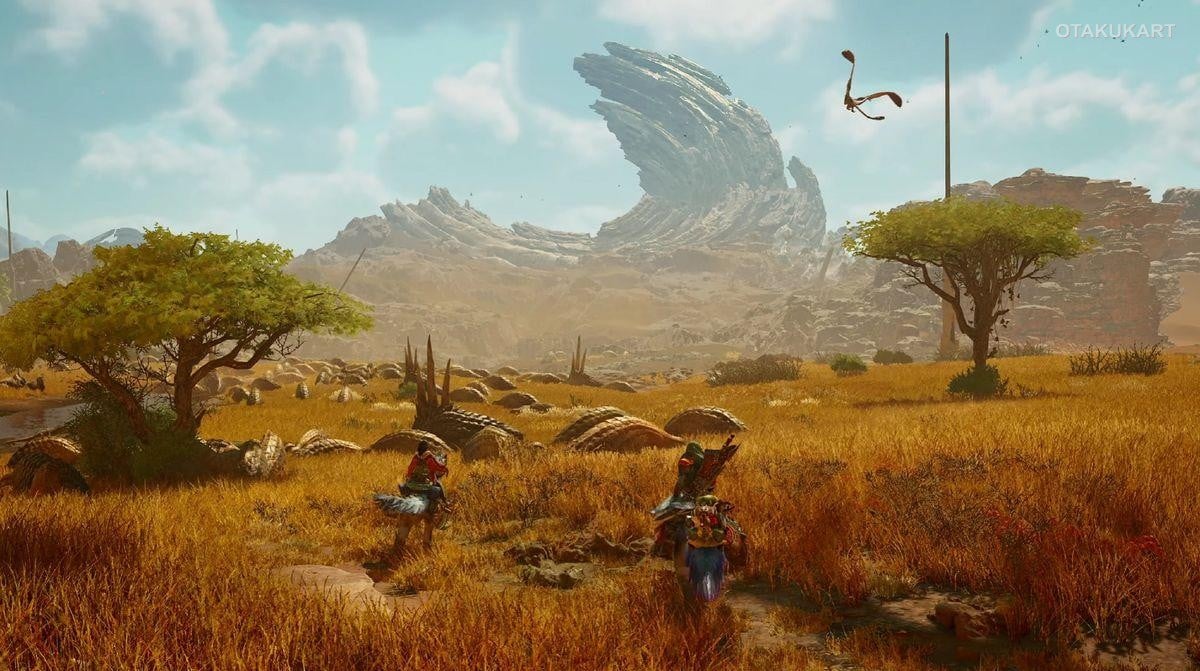
A new discussion from Digital Foundry suggests that Monster Hunter Wilds on Nintendo Switch 2 could become one of the most important technical tests for Nintendo’s next-generation hardware.
Following a developer message confirming the game is in development for the platform, analysts believe the port could highlight both the strengths and limitations of the console.
Monster Hunter Wilds Could Push Switch 2 to Its Limits
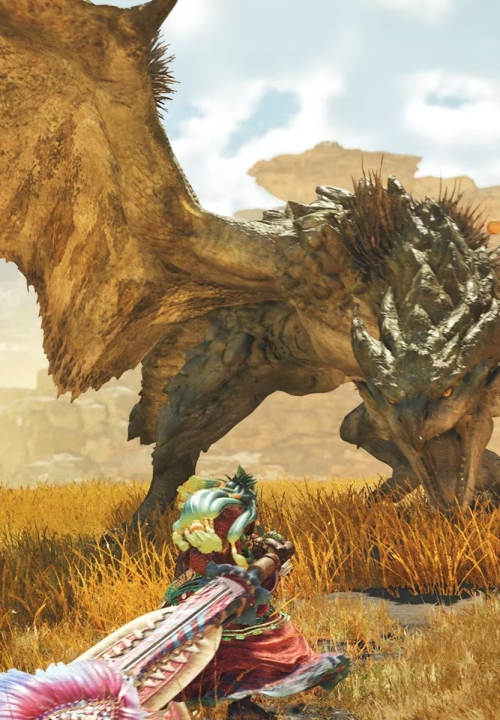
The biggest takeaway from the podcast is simple: this isn’t an easy port. According to Digital Foundry, Capcom initially struggled to get Monster Hunter Wilds running on Switch 2 due to the game’s demanding performance requirements.
As noted during the discussion, early versions of the game were “very unoptimized” and didn’t run well even on existing consoles . That made the idea of bringing it to a hybrid system even more challenging. However, continued updates and engine improvements appear to have changed the situation.
Analyst John Linneman explained that the team has
“been working hard to sort of take what they have and make something better,”
suggesting that optimization efforts are now making a Switch 2 version possible.
Unlike many cross-platform releases, Monster Hunter Wilds represents a worst-case scenario for Switch 2 hardware. The game features large environments, dynamic systems, and complex AI behavior—all of which place heavy demands on CPU and GPU performance.
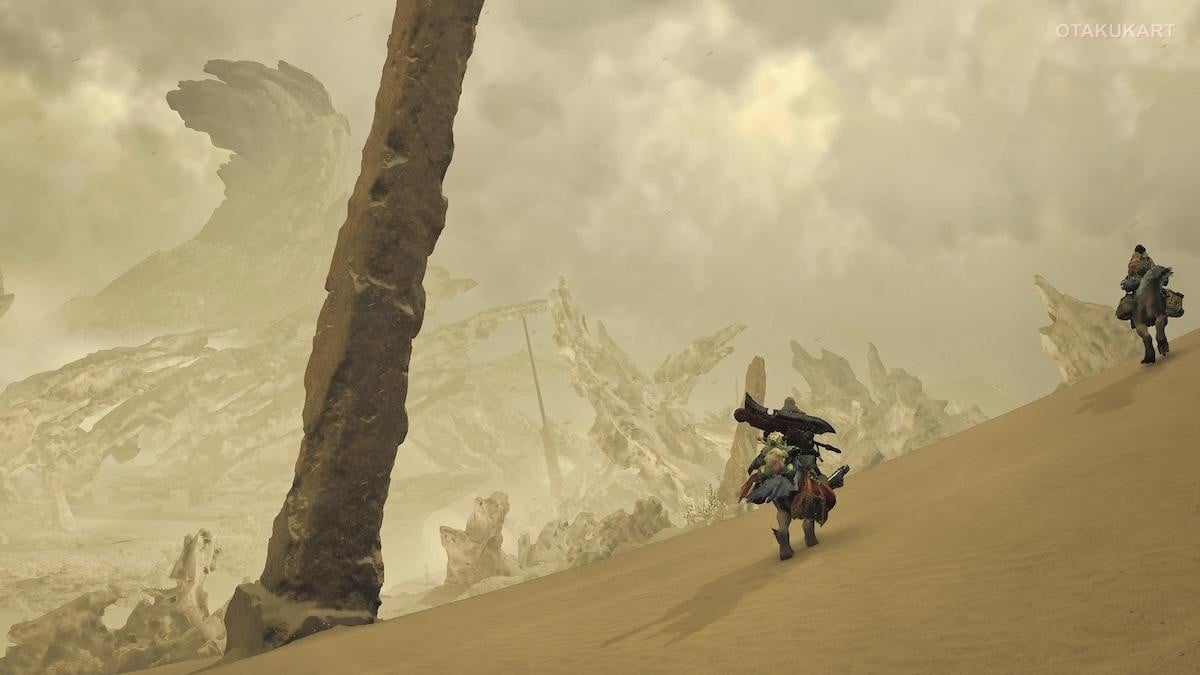
This is why its success—or failure—could define expectations for future ports. If Capcom can deliver a stable and visually solid version, it would signal that Switch 2 is capable of handling modern AAA titles with relatively few compromises.
On the other hand, if the port struggles, it may reinforce the idea that Nintendo’s hardware still requires significant scaling compared to PlayStation and Xbox systems.
The Role of Optimization and Experience
One reason this port is even possible comes down to broader industry trends. Developers today are far more experienced in scaling games across different hardware tiers, thanks in part to platforms like Xbox Series S.
During the same podcast, Digital Foundry highlighted how optimization techniques used for lower-powered consoles are now being applied to Switch 2. These include reduced graphical settings, adjusted resolution targets, and smarter resource management.
“There are very similar trade-offs being made,”
the team explained, noting that developers often use Series S versions as a baseline when estimating Switch 2 performance.
This shared development approach means studios can reuse existing work rather than building entirely new versions from scratch.
DLSS Could Be a Game-Changer
Another factor working in Switch 2’s favor is NVIDIA’s DLSS technology, which allows games to upscale lower-resolution images into sharper visuals. This can significantly reduce the hardware burden while maintaining image quality.
In other titles discussed by Digital Foundry, Switch 2 has even shown better image quality than Series S in some cases, thanks to DLSS—though often with a performance trade-off.
For a demanding game like Monster Hunter Wilds, this technology could play a crucial role in achieving a playable experience without sacrificing visual fidelity.
The timing of this port is also important. Capcom has been actively improving Monster Hunter Wilds since its initial release, addressing performance issues and refining gameplay systems.
Bringing the game to Switch 2 could serve as both a technical milestone and a chance to reintroduce the title to a broader audience. As noted in the discussion, the move could help “win back fans” who were disappointed with its early performance.
At the same time, it strengthens Nintendo’s position as a viable platform for major third-party releases.
| Platforms | PC, PlayStation 5, Xbox Series X/S |
|---|---|
| Developer | Capcom |
| Director | Yuya Tokuda |