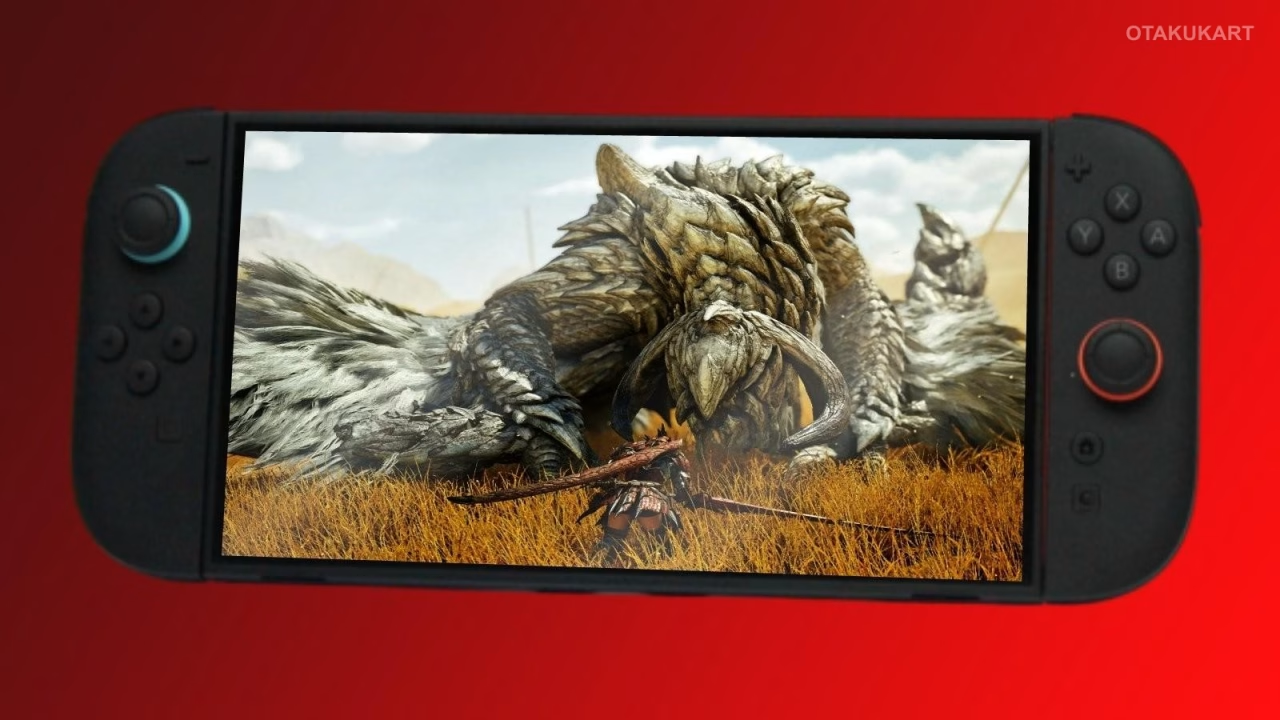
Capcom has revealed how much work went into bringing Monster Hunter Wilds to Nintendo Switch 2, explaining that the project was far more complicated than simply transferring the existing game to new hardware. The Switch 2 version required extensive testing and optimization across the game, with development eventually continuing for more than a year.
The details come from a new interview with Famitsu, featuring series producer Ryozo Tsujimoto, producer Genki Sunano, and executive director Kaname Fujioka. According to the developers, the team wanted the Switch 2 release to preserve the core hunting experience rather than feel like a heavily compromised version.
Monster Hunter Wilds Switch 2 Development Began in 2025
Sunano revealed that development on the Switch 2 version began around June 2025, although the project did not immediately enter full-scale production. Capcom initially lacked enough developers to dedicate to the port while the original version of Wilds was still being finalized.
Once development on the existing versions had settled down and additional staff became available, Capcom assembled a dedicated team and committed to the Switch 2 project. Tsujimoto explained that the process ultimately lasted more than a year, with full-scale development beginning toward the end of 2025.
The developers also emphasized that the Switch 2 version could not simply be created by transferring data from other platforms. The team had to investigate how the game would function on Nintendo’s hardware and determine which areas required optimization.
Capcom Had to Get Wilds Running Before Restoring Its Quality
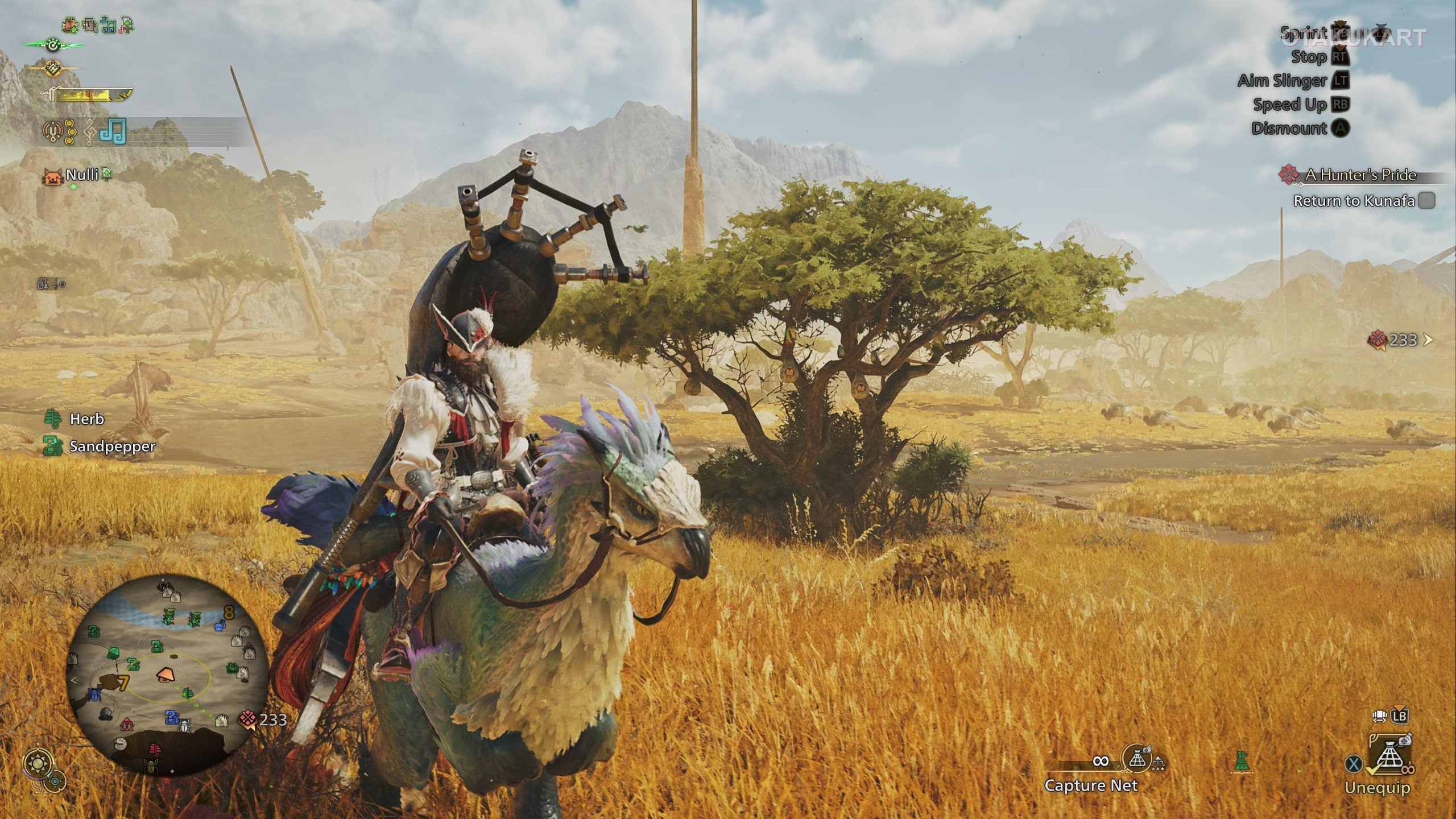
The initial technical testing presented a major challenge. Sunano described the early situation bluntly, explaining that when the team first attempted to run the game on Switch 2,
“It’s not running at all.”
From there, developers repeatedly tested different approaches to determine how performance could be improved and which elements could be reduced or adjusted. Rather than focusing on a single component, the team gradually optimized different parts of the game.
Fujioka explained that the first objective was simply getting the game into a playable state. The early build did not meet Capcom’s desired quality standards, but getting it running gave the developers a clearer path toward rebuilding the experience.
That became an important turning point for the team. After confirming that the game could work on Switch 2, Capcom began restoring visual and technical quality through detailed optimization.
Developers Did Not Want Switch 2 to Feel Like a Downgrade
One of the biggest goals was ensuring that the Switch 2 release would not be perceived as an inferior version of Monster Hunter Wilds. Fujioka said the team was
“determined not to let it be dismissed as merely an inferior version of Wilds.”
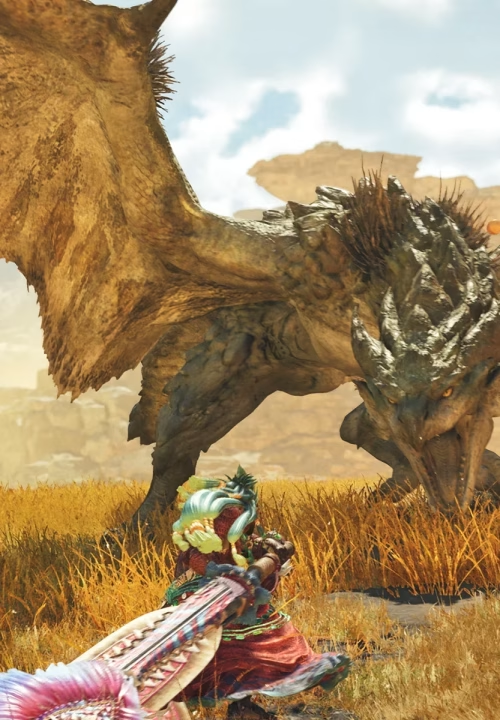
The developers therefore approached optimization almost like solving a puzzle, examining individual elements and making adjustments wherever necessary. While there are visual differences compared with the PS5 Pro version and differences in frame rate, Capcom believes the core hunting experience remains intact.
Sunano explained that the team’s goal was to let players “naturally enjoy Wilds on the Switch 2” rather than simply provide a downgraded port. He added that the final version maintains the core hunting gameplay and aims to deliver an experience that remains just as enjoyable.
The Switch 2 development process could also benefit Capcom’s other versions of Monster Hunter Wilds. Tsujimoto noted that although some techniques were specific to Nintendo’s hardware, the knowledge gained from the optimization process could prove useful for future improvements elsewhere.
| Platforms | PC, PlayStation 5, Xbox Series X/S |
|---|---|
| Developer | Capcom |
| Director | Yuya Tokuda |