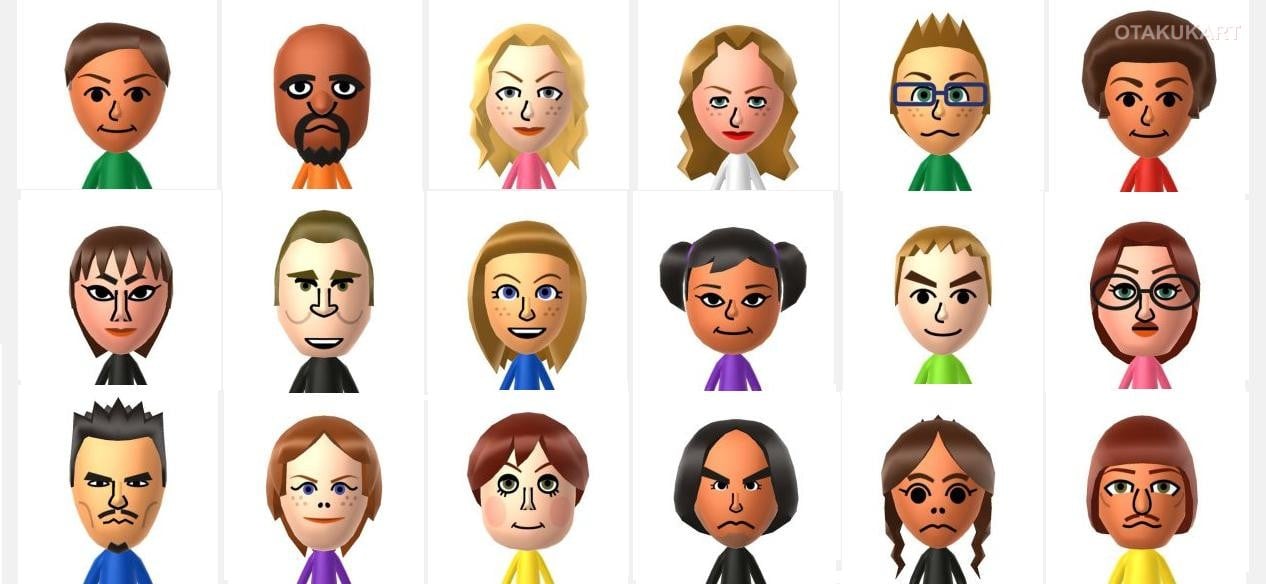
Nintendo legend Shigeru Miyamoto has revealed one of his most ambitious ideas for the future of Miis, suggesting the iconic avatars could eventually become part of people’s everyday digital identities.
Speaking in a recent interview with Famitsu, Miyamoto reflected on Nintendo’s future, his own career, and how Miis could evolve far beyond their origins on the Wii.
Although Miis have appeared across multiple Nintendo platforms and games for nearly two decades, Miyamoto believes their potential has yet to be fully realized. Rather than remaining limited to Nintendo consoles or titles like Pikmin Bloom, he imagines a future where millions of users carry their personalized avatars across different services—and perhaps even attach them to official personal IDs.
Miyamoto believes Miis could become a universal digital identity
Discussing Nintendo’s avatar system, Miyamoto praised the way players around the world have embraced creating Miis, particularly outside Japan.
He explained that Miis are remarkably efficient from a technical standpoint because they require only a few hundred bytes of storage, unlike many modern avatars that can occupy several megabytes. According to Miyamoto, that compact design makes it possible to store enormous numbers of Miis without consuming significant memory.
Speaking to Famitsu, he said:
“Wouldn’t it be interesting if, in the future, Mii characters were attached to personal IDs all over the world? I can’t help but wonder if that’ll ever happen.”
Miyamoto added that he would like to see Miis connected to Nintendo Accounts instead of existing only within individual games. He noted that collecting
“hundreds of millions of Miis”
would be technically feasible thanks to the avatar system’s lightweight architecture.
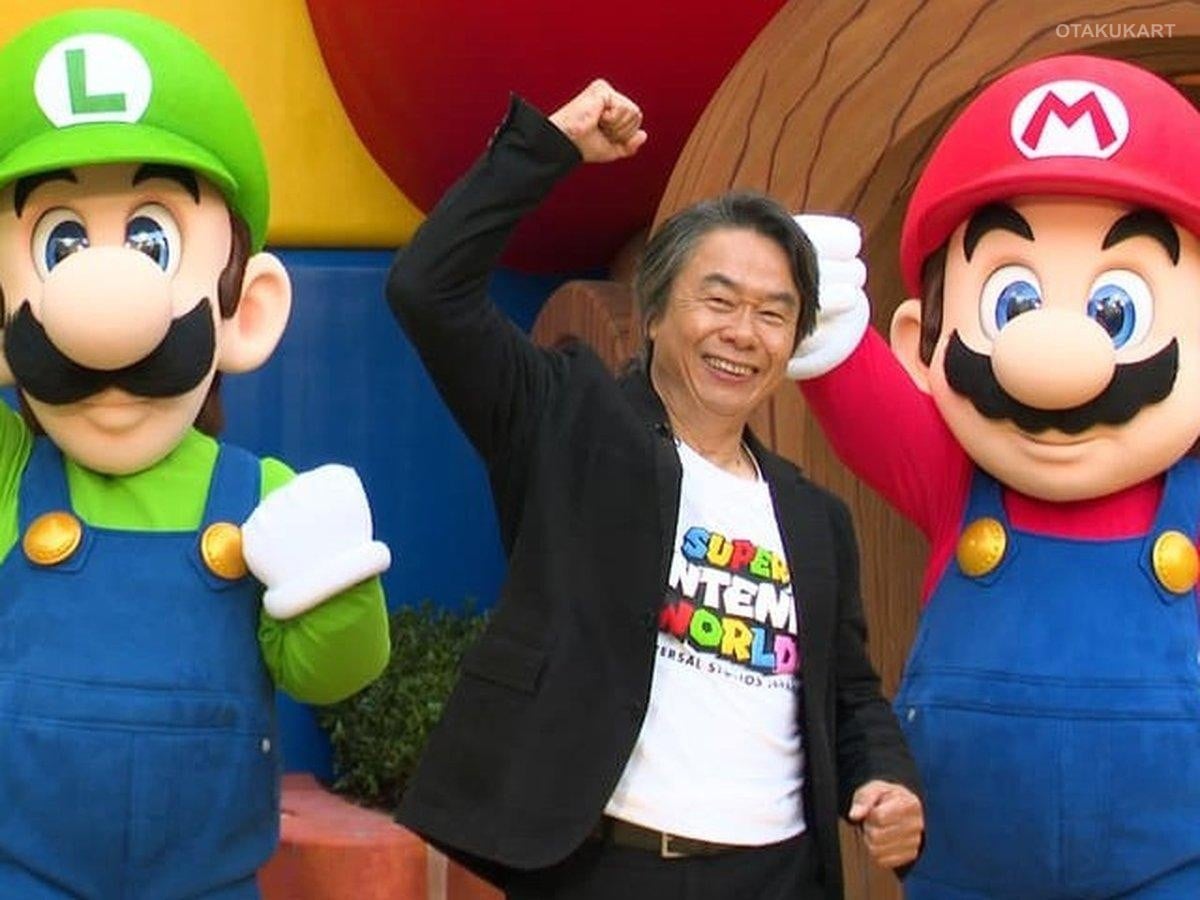
Nintendo veteran also reflects on his future
The interview also touched on Miyamoto’s own future at Nintendo. While he has largely shifted his attention toward projects such as Nintendo’s film initiatives and Super Nintendo World, he hasn’t completely ruled out returning to game development.
Miyamoto explained that he is not actively planning to direct another game, but acknowledged that the right concept could change his mind.
“Depending on the theme, if I can do something interesting with it, there might come a time when I want to do it. I have the know-how,”
he told Famitsu.
At 74 years old, Miyamoto also reflected on continuing his work, saying he simply hopes
“we can keep going without any problems.”
While he admitted his family occasionally asks whether it’s time to retire, he remains motivated by exploring new ideas and imagining what Nintendo’s future could look like.
Although Miyamoto’s vision of Miis appearing on personal identification systems remains purely speculative, it demonstrates how he continues thinking beyond traditional game development. His comments suggest he still sees Nintendo’s creations not just as entertainment, but as technologies that could eventually find a place in everyday life.