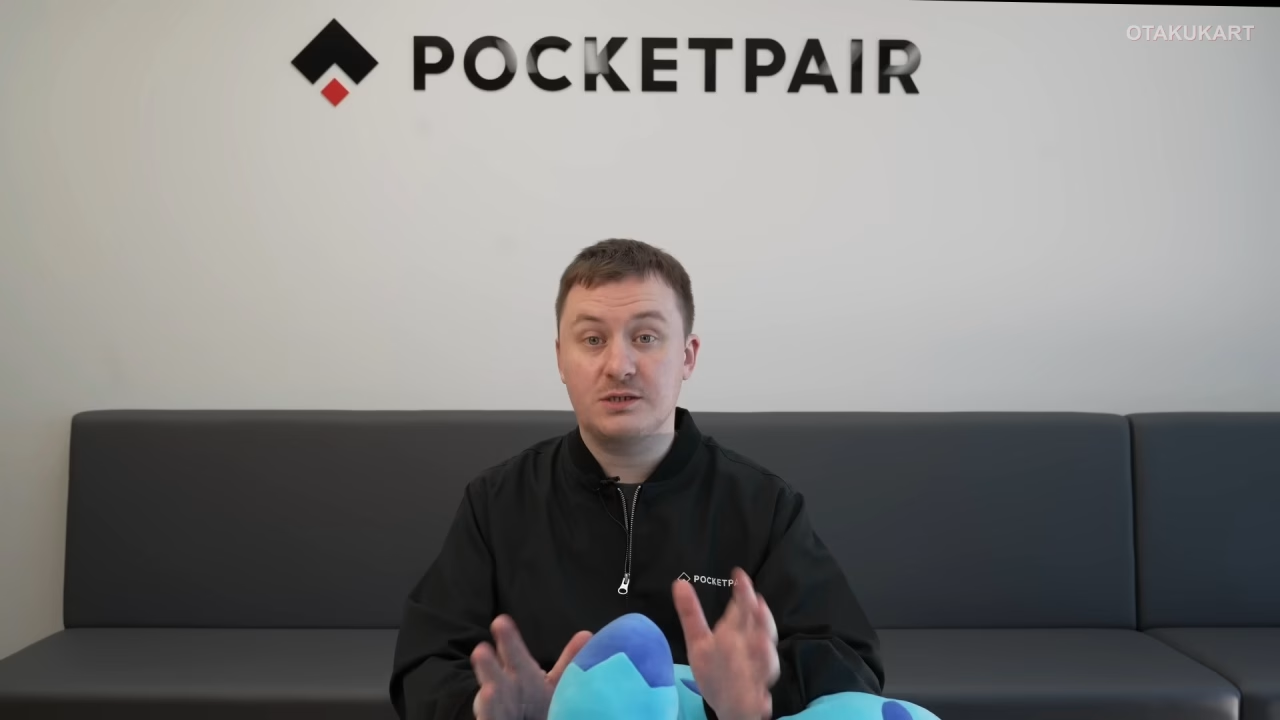
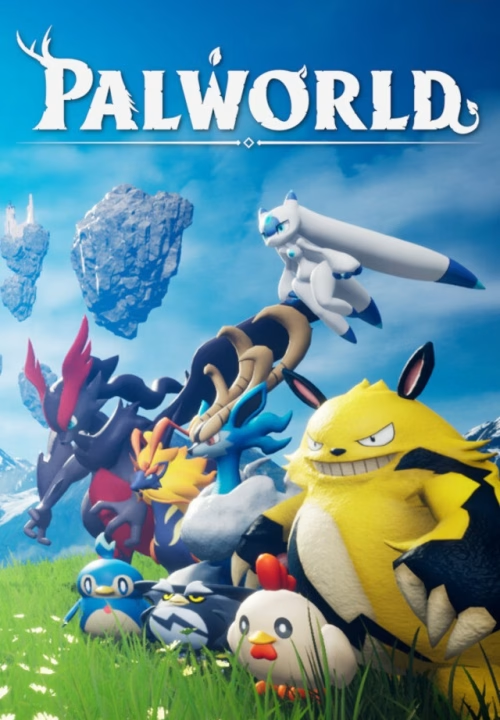
John ‘Bucky’ Buckley, head of publishing and communications at Pocketpair, the studio behind Palworld, has questioned the industry’s increasingly complicated definition of independent game development. In a post on X dated October 29, Buckley argued that receiving financial or publishing assistance does not automatically make a developer less independent.
Pocketpair considers itself an indie studio because it is entirely self-funded and has no outside investors. However, Buckley acknowledged that the company’s commercial success and growing size have led some players to question whether it still qualifies for the label.
He believes creative independence should be the deciding factor rather than employee numbers, production budgets, or publisher involvement.
“For me, creative independence is probably the most important factor. If a studio has genuine creative freedom, then I think it’s fair to consider them independent,”
Buckley explained.
He also clarified that external funding does not necessarily compromise a developer’s independence. According to him, the distinction becomes questionable when another company starts influencing creative decisions or controlling the direction of a project.
Buckley Questions Whether Marketing Support Makes Expedition 33 Less Indie
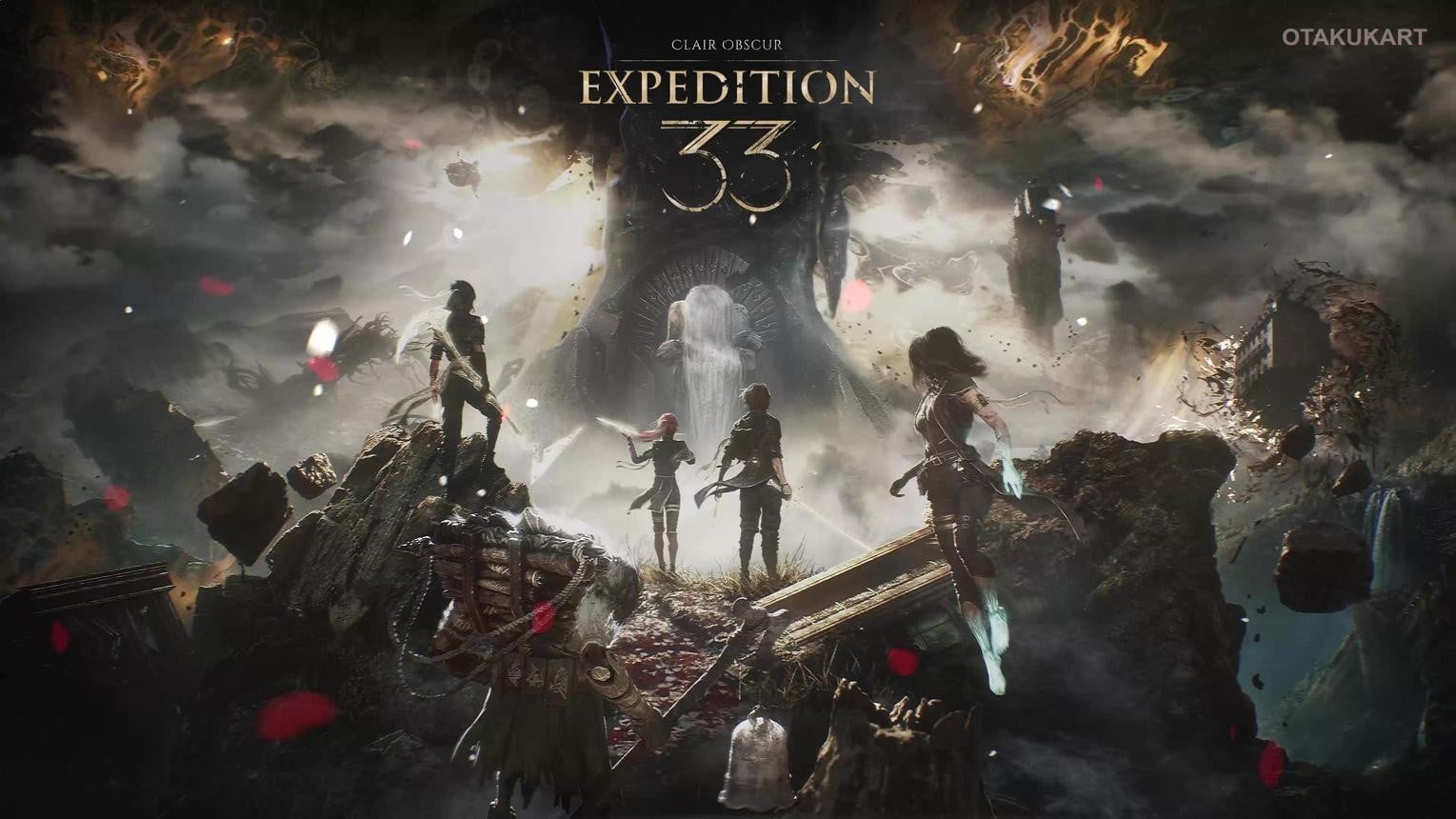
The discussion also brought Clair Obscur: Expedition 33 into the conversation. The RPG attracted debate after receiving a Best Indie Game nomination at The Game Awards despite having external publishing support.
Buckley questioned whether receiving marketing assistance alone should disqualify a game from being considered independent.
“Is it really fair to say E33 isn’t indie just because someone helped with marketing?”
he asked.
He also brought up Stardew Valley as another example, noting that Chucklefish provided marketing assistance for the game years ago. That support did not necessarily change the independent nature of ConcernedApe’s development work.
“Can we really say ‘Stardew [Valley] isn’t indie because Chucklefish helped out with some marketing years ago?'”
Buckley questioned.
The examples highlight his argument that publishing partnerships and creative ownership should not automatically be treated as the same thing.
Buckley Says Pocketpair’s Success Does Not Change Its Independent Status
Buckley also addressed criticism that Pocketpair’s growing commercial success makes the indie label less appropriate. He acknowledged that some players might prefer to classify the company as a triple-I or AA developer because of its size and the popularity of Palworld.
However, he maintained that Pocketpair remains self-owned, without outside investors influencing its decisions. The company believes its ability to develop games without answering to external financial backers is central to its independent identity.
Buckley concluded that the terminology matters less than the freedom developers have to create the games they want. His position also highlights why defining independent development through budgets, employee counts, or publishing arrangements alone can be misleading.
| Platforms | Microsoft Windows |
|---|---|
| Developer | Pocketpair |