
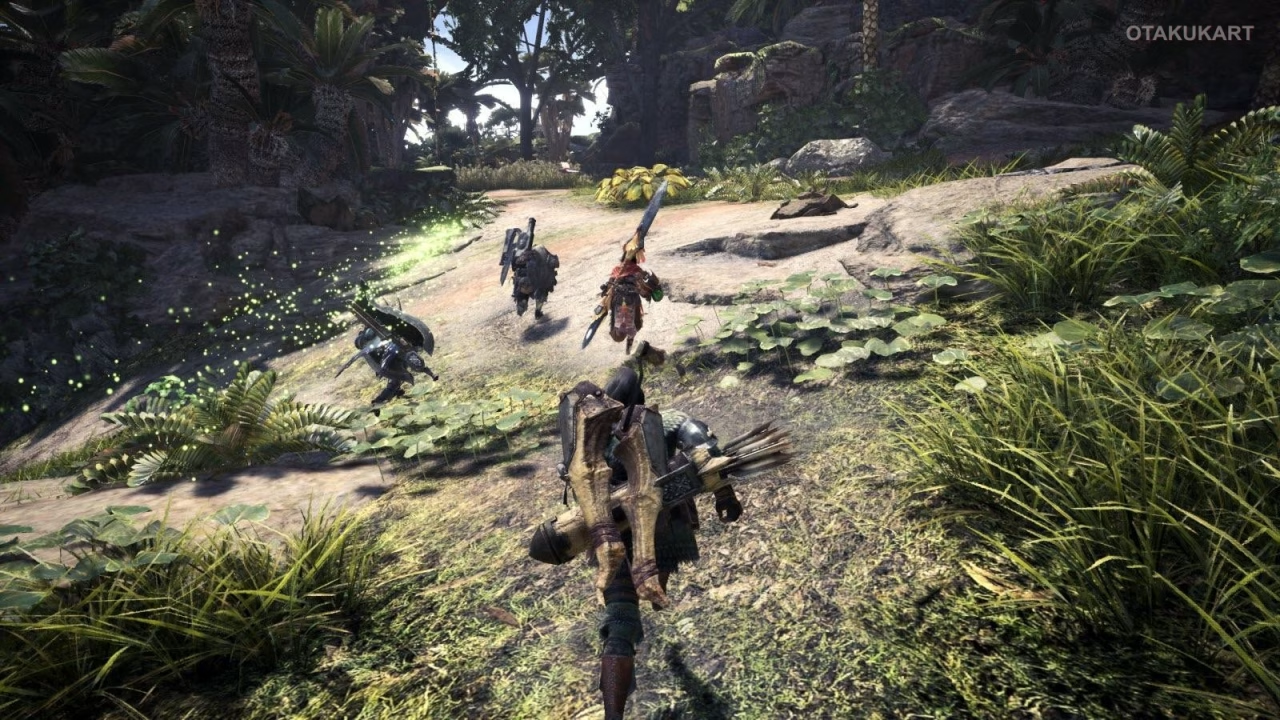
In a move that has caught the attention of players across the industry, Capcom is removing paid DLC items from Dragon’s Dogma 2 and shifting toward a system where key content is earned through gameplay. While the update directly impacts one title, it has quickly sparked a larger discussion: could the same approach eventually extend to franchises like Monster Hunter?
The changes will take effect on June 25, 2026, alongside major gameplay updates and the upcoming Dark Arisen expansion.
Capcom Shifts Away From Paid Gameplay Items
The update removes several microtransaction-based items from Dragon’s Dogma 2, including fast-travel tools, consumables, and customization features. Items like Portcrystals and Rift Crystals, which were previously purchasable, will now be more accessible through normal gameplay systems.
Players who already bought these items will retain access, but new purchases will no longer be available. At the same time, Capcom is reducing the base game’s price and delisting certain premium editions, signaling a broader shift in its monetization strategy.
This decision appears to respond to earlier criticism from players, who argued that selling gameplay-affecting items—even if optional—undermined immersion. By making these features earnable, Capcom is aligning the experience more closely with traditional RPG progression.
One of the most notable additions is the introduction of systems that remove friction from gameplay, including improved fast travel options. Previously, mechanics like Portcrystals were limited, which led to debates about whether the game encouraged players to spend money for convenience.
Now, those concerns are being addressed directly. The shift suggests that Capcom is prioritizing long-term player satisfaction over short-term monetization, a move that stands out in an industry still heavily reliant on microtransactions.
While the company has not issued a direct statement framing the change as a philosophy shift, the scale of the update indicates a clear intention to rebalance the game around accessibility and fairness.
What This Could Mean for Monster Hunter
The bigger question now is how this change might influence Capcom’s other major franchises—especially Monster Hunter, which has long featured optional paid DLC.
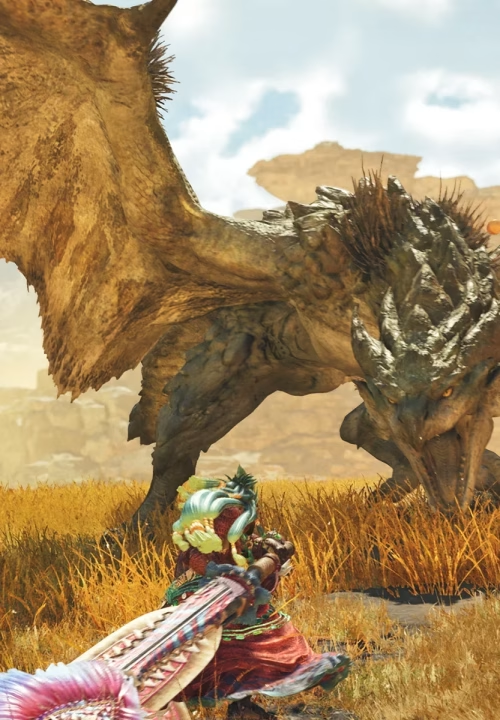
In recent entries, Monster Hunter titles have included cosmetic add-ons such as layered armor, emotes, and weapon skins. While these items do not affect gameplay, they have occasionally drawn criticism for being locked behind paywalls rather than earned through hunting and crafting.
Capcom’s decision in Dragon’s Dogma 2 raises the possibility—at least conceptually—of a different approach. If gameplay-related content is being moved into the base experience, some players are wondering whether cosmetic content could follow a similar path in the future.
However, it is important to note that Capcom has not announced any changes for Monster Hunter. The current shift applies specifically to Dragon’s Dogma 2, and cosmetic DLC remains a standard part of the company’s broader business model.
A Test Case for Future Monetization
Seen in a wider context, Dragon’s Dogma 2 may be serving as a testing ground for a more player-friendly monetization strategy. By removing paid convenience items and integrating them into gameplay, Capcom is effectively experimenting with a model that prioritizes engagement over microtransactions.
Whether this approach expands to other titles will likely depend on how successful the changes prove to be—both in terms of player reception and long-term revenue.
With the Dark Arisen expansion set to launch later this year, Capcom has an opportunity to reinforce this new direction and demonstrate that premium games can thrive without relying heavily on paid add-ons.
| Platforms | PC, PlayStation 5, Xbox Series X/S |
|---|---|
| Developer | Capcom |
| Director | Yuya Tokuda |