A great ending can turn a good anime into one that fans remember for years. While many series start with exciting stories and unforgettable characters, only a handful deliver a finale that truly lives up to the journey. The best anime endings answer important questions, give the characters satisfying closure, and leave viewers with emotions that stay even afterv after the final episode ends.
Some have been fan favorites for decades, while others quickly became modern classics thanks to their powerful final stage. Whether they end with heartbreaking sacrifices, inspiring victories, or emotional goodbyes, each of these finales proves why a strong ending matters just as much as a great beginning.
From legendary classics to newer hits, every anime here offers a finale that rewards the time viewers invested in the story.
1. Your Lie in April Delivers One of Anime’s Most Emotional Finales
Few anime endings leave as lasting an emotional impact as Your Lie in April. Throughout the series, Kousei Arima slowly rediscovers his love for music after meeting the energetic violinist Kaori Miyazono. She encourages him to overcome the trauma that kept him away from the piano for years, inspiring him to perform again even when he doubts himself. Their growing friendship becomes the heart of the story, making every performance feel deeply personal rather than simply another competition.
The final episode takes a heartbreaking turn when Kousei learns that Kaori has passed away before they can share the future they both hoped for. Instead of giving up, he channels his grief into one final piano performance that reflects everything she taught him. The music becomes his way of saying goodbye while also honoring the person who changed his life forever. Rather than relying on dramatic twists, the finale allows emotions to unfold naturally through its performances and character growth.
Kaori’s farewell letter reveals that she had loved Kousei from the beginning and only hid her feelings so she could stay close to him. That revelation changes how viewers see many earlier moments, giving the entire series even greater emotional depth. Years after its release, fans still describe this ending as one of the most heartbreaking in anime because it balances sadness with hope.
2. Assassination Classroom Earns Its Emotional Ending
Assassination Classroom begins with an unusual premise. Class 3-E is given one year to assassinate their powerful teacher, Koro-sensei, before he destroys the Earth. While the setup sounds like an action comedy, the series gradually becomes a heartfelt story about growth, friendship, and education. Koro-sensei does far more than teach academic lessons. He helps every student discover their strengths, overcome personal struggles, and believe in themselves for the first time.
The finale stays true to everything the story has been building toward. Instead of introducing a last-minute miracle to save everyone, the series accepts that Koro-sensei’s journey must come to an end. His students are forced to carry out the mission they spent the entire year preparing for, creating one of the most emotional scenes in modern anime. The moment is painful because it feels earned through the relationships built over two seasons.
The ending also gives every major character meaningful closure. Nagisa Shiota’s decision to become a teacher shows how deeply Koro-sensei influenced his life. Rather than copying his mentor, Nagisa carries those lessons forward by helping a new generation of students.
3. Mob Psycho 100 Chooses Personal Growth Over a Final Victory
Unlike many action anime, Mob Psycho 100 does not end with its hero defeating an unbeatable enemy through overwhelming power. Instead, the final episodes focus on Shigeo Kageyama’s emotional journey as he finally confronts the feelings he has spent years suppressing. Although Mob is one of the strongest psychics in the series, the story makes it clear that his greatest challenge has never been physical. It has always been about learning to accept every part of himself.
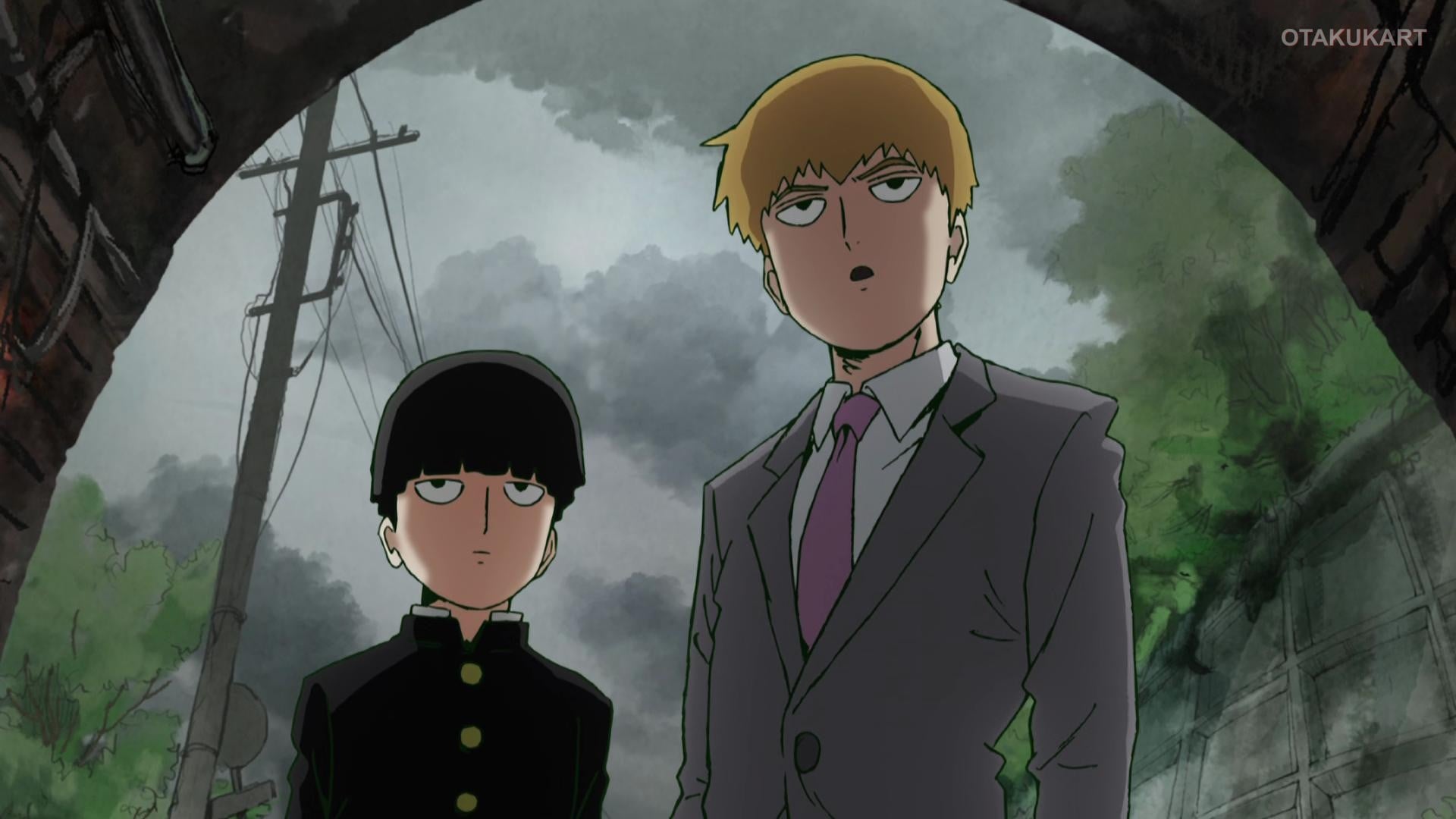
As Mob loses control of his powers, the people whose lives he has changed throughout the series step forward to help him. Friends, classmates, and even former enemies refuse to give up on him, showing how much he has grown through his kindness rather than his psychic abilities. This emotional support becomes far more important than any battle, proving that true strength comes from human connections instead of raw power.
The finale also avoids the predictable romantic ending many viewers expected. Tsubomi politely rejects Mob’s confession, but instead of treating it as a failure, the series presents it as another step toward emotional maturity. Mob accepts the outcome with honesty and continues moving forward with his life. The final scene, where he smiles naturally alongside his friends and coworkers, perfectly captures the message.
4. Attack on Titan Ends With a Finale That Fans Still Debate
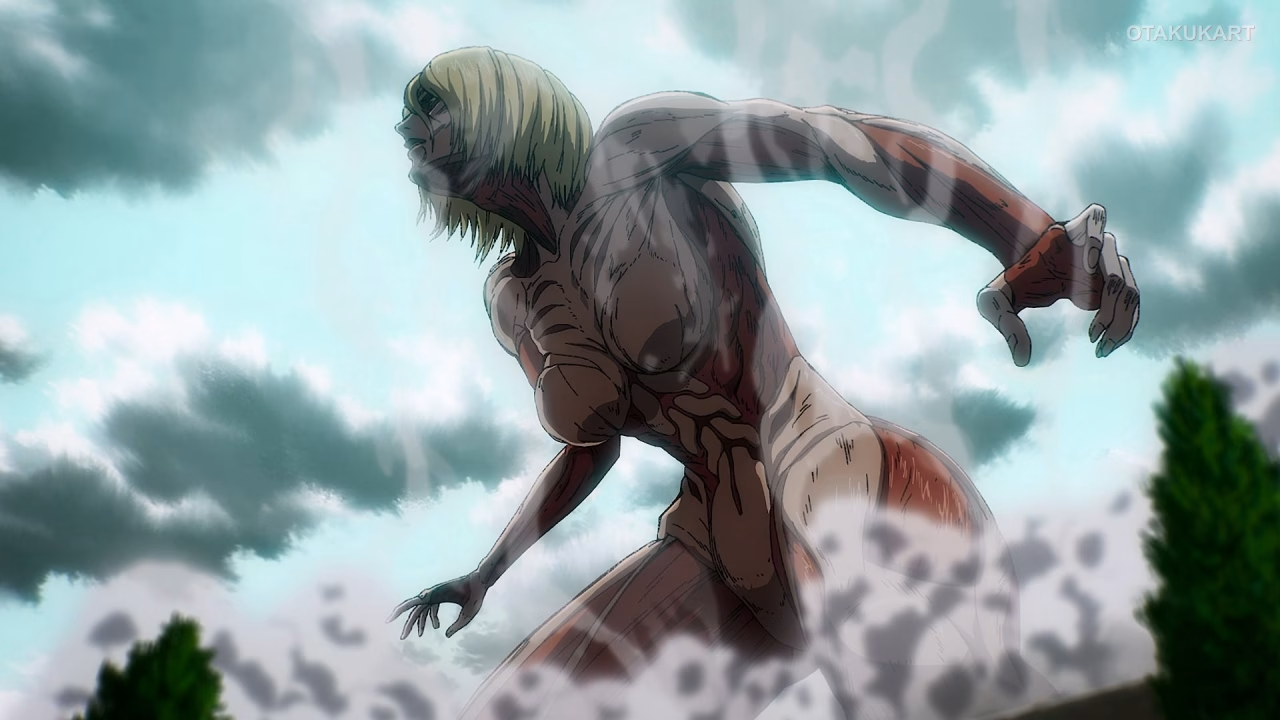
Few anime finales have generated as much discussion as Attack on Titan. After years of shocking twists and escalating conflict, the story reaches its climax when Eren Yeager unleashes the Rumbling, causing unimaginable destruction across the world. His plan forces his closest friends to make an impossible choice between protecting the person they love and saving humanity. The emotional weight of that decision becomes the driving force behind the series’ final episodes.
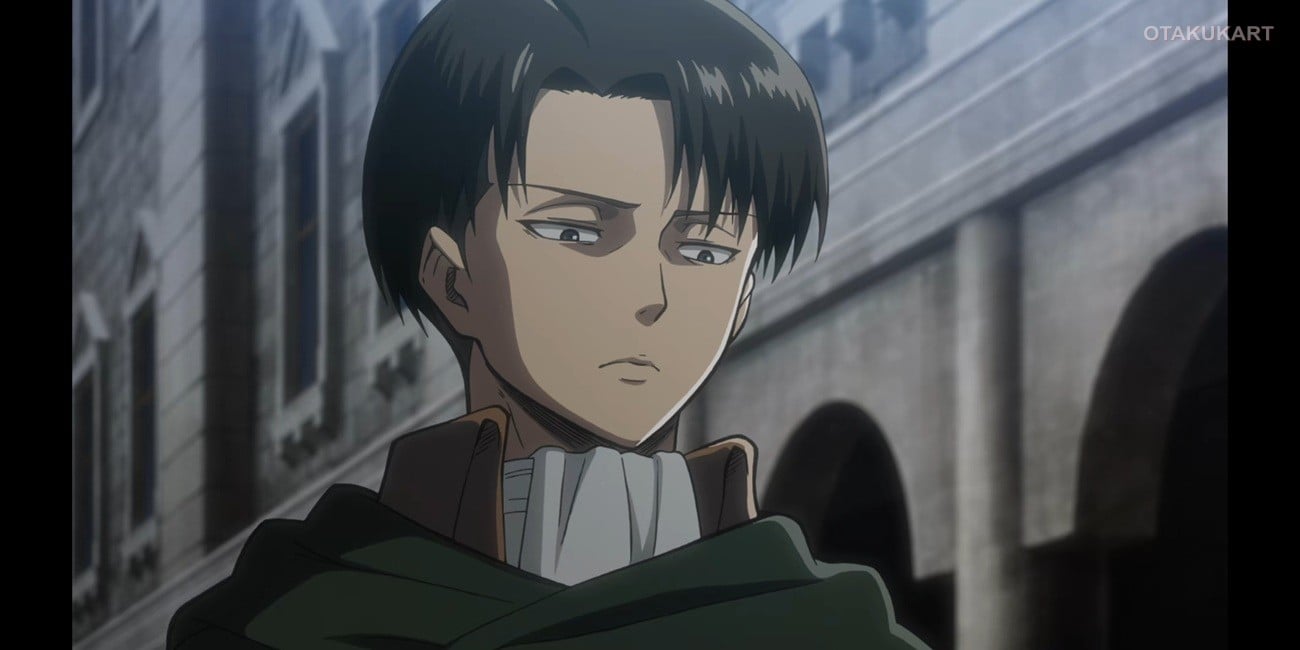
Mikasa’s decision to stop Eren brings the conflict to an emotional close rather than a triumphant victory. With Eren gone, Ymir finally breaks free from the cycle that had controlled her for centuries, bringing an end to the Titan powers that shaped the world’s history. The finale answers many long-running mysteries while reinforcing one of the series’ central themes that hatred and violence cannot simply disappear overnight.
The ending remains one of the most debated in anime history. Some fans believe it stayed true to the story’s realistic and tragic themes, while others felt certain character arcs deserved more development before the finale. Despite those different opinions, most viewers agree that the finale sparked meaningful conversations about freedom, sacrifice, war, and human nature.
6. Death Note Delivers One of Anime’s Most Satisfying Final Showdowns
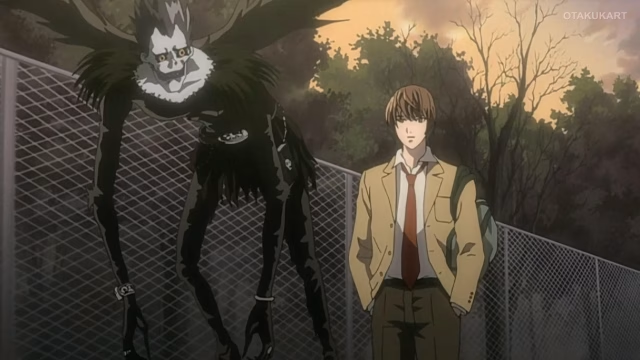
The final episode of Death Note brings years of mind games to a dramatic end. From the very beginning, the series builds its reputation around the psychological battle between Light Yagami and those trying to expose him as Kira. After L’s death, many fans questioned whether the story could maintain the same level of tension. The ending answers that question by placing Light against Near in one final battle where every move has already been carefully planned.
The confrontation at the Yellow Box Warehouse is filled with suspense because Light believes victory is guaranteed. Instead, Near reveals that the notebook Light trusted had already been replaced, destroying his carefully prepared plan. With nowhere left to hide, Light finally admits he is Kira, exposing the arrogance that had slowly consumed him throughout the series. His breakdown is one of the most unforgettable moments in anime because it completely contrasts with the calm and confident genius viewers had followed for so long.
The anime also changes Light’s final moments compared to the manga. Rather than ending the story inside the warehouse, Light desperately runs away before collapsing alone. As he dies, he reflects on the ordinary student he once was before discovering the Death Note. The quiet scene highlights how absolute power completely changed his life.
The ending comes full circle when Ryuk writes Light’s name in his own Death Note, honoring the promise he made in the very first episode. Light believed he could become the god of a new world, but in the end, he was always just another human whose fate rested in Ryuk’s hands. That powerful finale is one reason Death Note continues to be praised as one of the greatest psychological anime ever made.
7. Code Geass Ends With a Plan That Changes the World Forever
Code Geass is remembered for its shocking twists, but its finale stands above them all because it transforms Lelouch vi Britannia’s journey into a complete character arc. Instead of defeating every enemy through force, Lelouch chooses a solution that requires the ultimate personal sacrifice. His famous Zero Requiem plan remains one of the most discussed endings in anime because it delivers an emotional payoff while staying true to everything the story had been building toward.
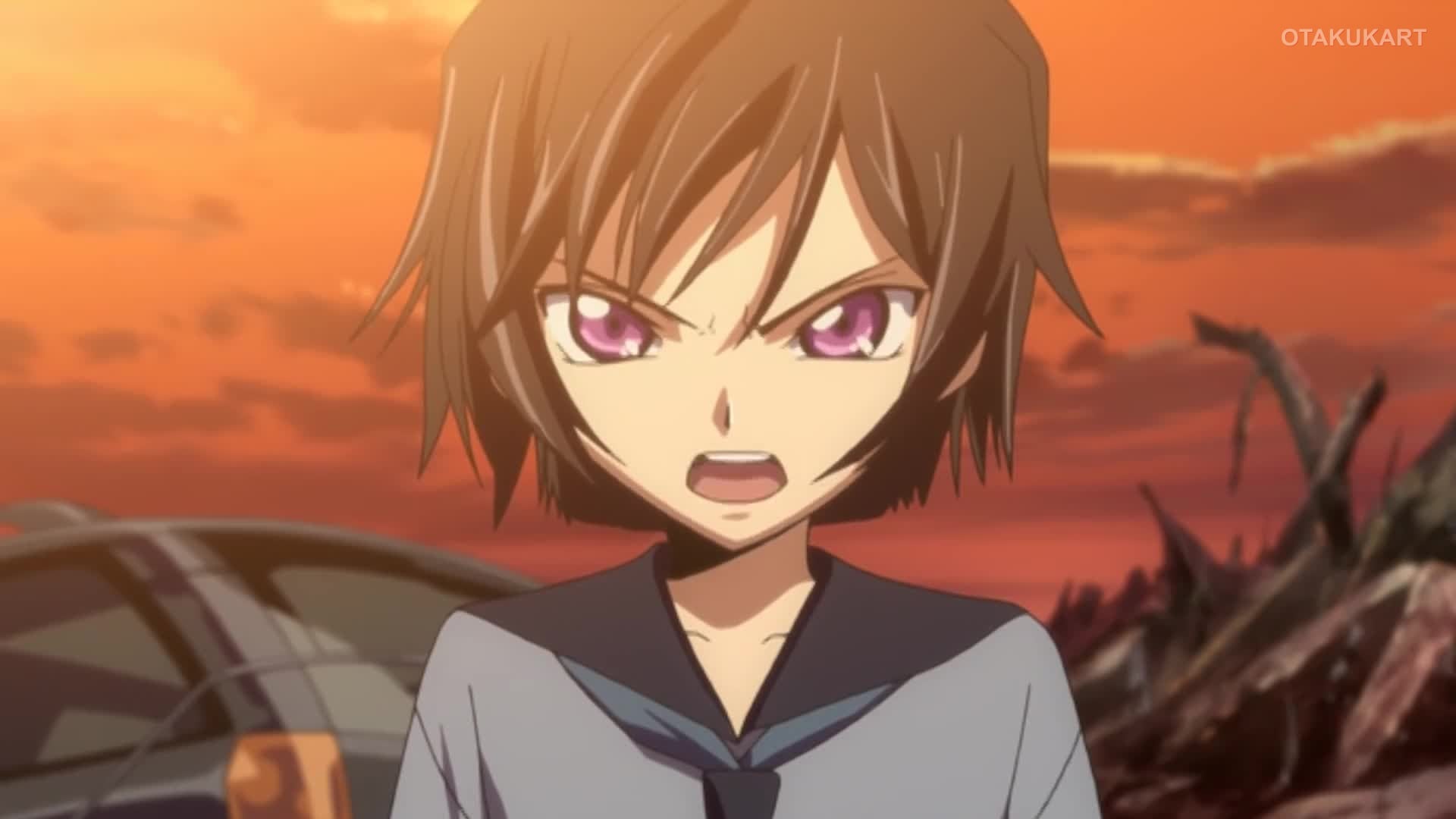
After becoming the world’s greatest tyrant, Lelouch intentionally gathers the hatred of every nation. His goal is not to rule forever but to unite humanity by giving everyone a common enemy. During a public ceremony, Suzaku appears as the masked hero Zero and kills Lelouch. The shocking moment marks the end of Lelouch’s reign while allowing Zero to become a lasting symbol of justice and hope.
The brilliance of the ending comes from the emotional connection between Lelouch and Suzaku. They begin the series as close friends before becoming bitter enemies with completely different beliefs. The Zero Requiem forces them to work together one final time, proving that both characters were willing to sacrifice their own happiness for the future they believed was right.
The finale also provides meaningful closure for characters like Nunnally, who finally learns the truth about her brother’s actions. Rather than portraying Lelouch as a traditional hero or villain, the story leaves viewers to decide whether his actions were justified. Code Geass proves that a memorable finale is not always about defeating the strongest opponent. Sometimes the greatest victory comes from giving up everything for a better future.
8. Puella Magi Madoka Magica Ends With Hope Born From Sacrifice
Puella Magi Madoka Magica constantly challenges the expectations of the magical girl genre, and its ending completes that transformation in a deeply emotional way. Throughout the series, Madoka witnessed countless tragedies unfold as magical girls fall into despair and became witches. Instead of accepting that cruel cycle, she makes a decision that changes the fate of every magical girl across time itself.
Madoka uses her wish to erase witches before they can ever exist, creating an entirely new universe with different rules. The cost of this miracle is enormous because she sacrifices her own existence in the process. Almost everyone forgets that she ever lived, leaving only Homura with memories of the girl who saved countless lives. Rather than celebrating victory, the ending focuses on the emotional weight of losing someone whose kindness changed the entire world.
Studio Shaft supports this emotional climax with beautiful visuals and symbolic imagery, but the true strength of the finale comes from its characters. Madoka’s decision is not driven by fame or glory. She simply refuses to let others continue suffering. Homura’s heartbreak after losing the person she wanted to protect adds another emotional layer that gives the ending lasting impact.
Although Madoka disappears, her friends and her sacrifice create a kinder world where magical girls are no longer trapped by the same tragic fate.
Years after its release, the finale remains one of anime’s most celebrated finales because it delivers emotional depth without abandoning the themes established from the beginning. It transforms a dark fantasy into a story about choosing hope despite overwhelming despair, making it one of the medium’s most unforgettable endings.
9. Neon Genesis Evangelion Leaves Its Biggest Answers to the Viewer
The ending of Neon Genesis Evangelion remains one of the most debated finales in anime because it refuses to offer a straightforward conclusion. While many viewers expected an explosive final battle, creator Hideaki Anno instead centered the story on Shinji Ikari’s emotional struggles and personal growth. The final episodes move away from conventional storytelling to explore Shinji’s thoughts, fears, and insecurities, creating a conclusion that emphasizes psychological introspection over action.
Rather than explaining every mystery surrounding the Human Instrumentality Project, the series asks viewers to interpret its symbolism for themselves. Shinji’s journey becomes the emotional center of the finale as he confronts his fear of rejection and begins to understand that his life has value. The famous congratulatory scene has inspired countless interpretations because its meaning depends heavily on the viewer’s own perspective.
The film The End of Evangelion presented an alternate finale featuring the events occurring outside Shinji’s mind, while Evangelion 3.0+1.0: Thrice Upon a Time offered a more hopeful farewell that reflected both the characters’ growth and Hideaki Anno’s changing outlook over the years. Each version approaches the story differently while expanding the themes of identity, loneliness, and acceptance.
What makes Evangelion’s finale so influential is its willingness to challenge audience expectations instead of simply delivering easy answers. That lasting impact is a major reason Neon Genesis Evangelion is still considered one of the most important anime ever created. Its finale demonstrates that powerful storytelling does not always require complete certainty. Sometimes the most memorable endings are the ones that continue living in the audience’s imagination long after the credits roll.
10. Steins;Gate Rewards Every Twist With an Emotional Ending
Steins;Gate is often praised as one of the greatest time travel anime because it builds its complex story around believable consequences instead of easy solutions. Every decision made by Rintarou Okabe changes the timeline in some way, forcing him to face painful losses and impossible choices. By the time the series reaches its finale, viewers understand that there is no shortcut to saving everyone. Okabe must rely on everything he has learned throughout his journey to finally reach the Steins Gate world line.
The ending succeeds because it respects the rules established from the very beginning. Instead of introducing a last-minute miracle, the story carefully connects earlier events and reveals how every experiment, failure, and sacrifice helped shape the final outcome. Okabe’s growth is just as important as the scientific mystery. He begins the series acting like an eccentric scientist, but repeated tragedies transform him into someone willing to risk everything to protect the people he loves.
Kurisu Makise also plays a major role in making the finale so memorable. Her relationship with Okabe develops naturally over the course of the series, making their emotional reunion feel genuinely rewarding. The ending proves that their bond is built on trust, shared experiences, and countless sacrifices rather than simple romance.
The final scenes bring a sense of relief after so much emotional tension. Watching Okabe laugh alongside his friends feels satisfying because viewers understand everything he endured to reach that moment. The series never forgets the emotional cost of changing the past, making the happy ending feel fully deserved.
Years after its release, Steins;Gate continues to be recommended as one of anime’s finest science fiction stories. Its finale demonstrates that complicated time travel plots can still remain easy to follow when the focus stays on strong characters, meaningful relationships, and carefully planned storytelling. That balance between emotional depth and logical consistency is what makes the ending so unforgettable.
11. Cowboy Bebop Stays True to Its Characters Until the Very End
Cowboy Bebop delivers an ending that perfectly reflects the themes that define the series. Rather than chasing a traditional happy ending, the finale accepts that some people can never fully escape their past. Spike Spiegel spends the entire story trying to move forward while carrying memories that continue to haunt him. His final confrontation with Vicious is not simply about defeating an enemy. It is about facing the life he left behind and accepting the consequences of the choices he made years earlier.
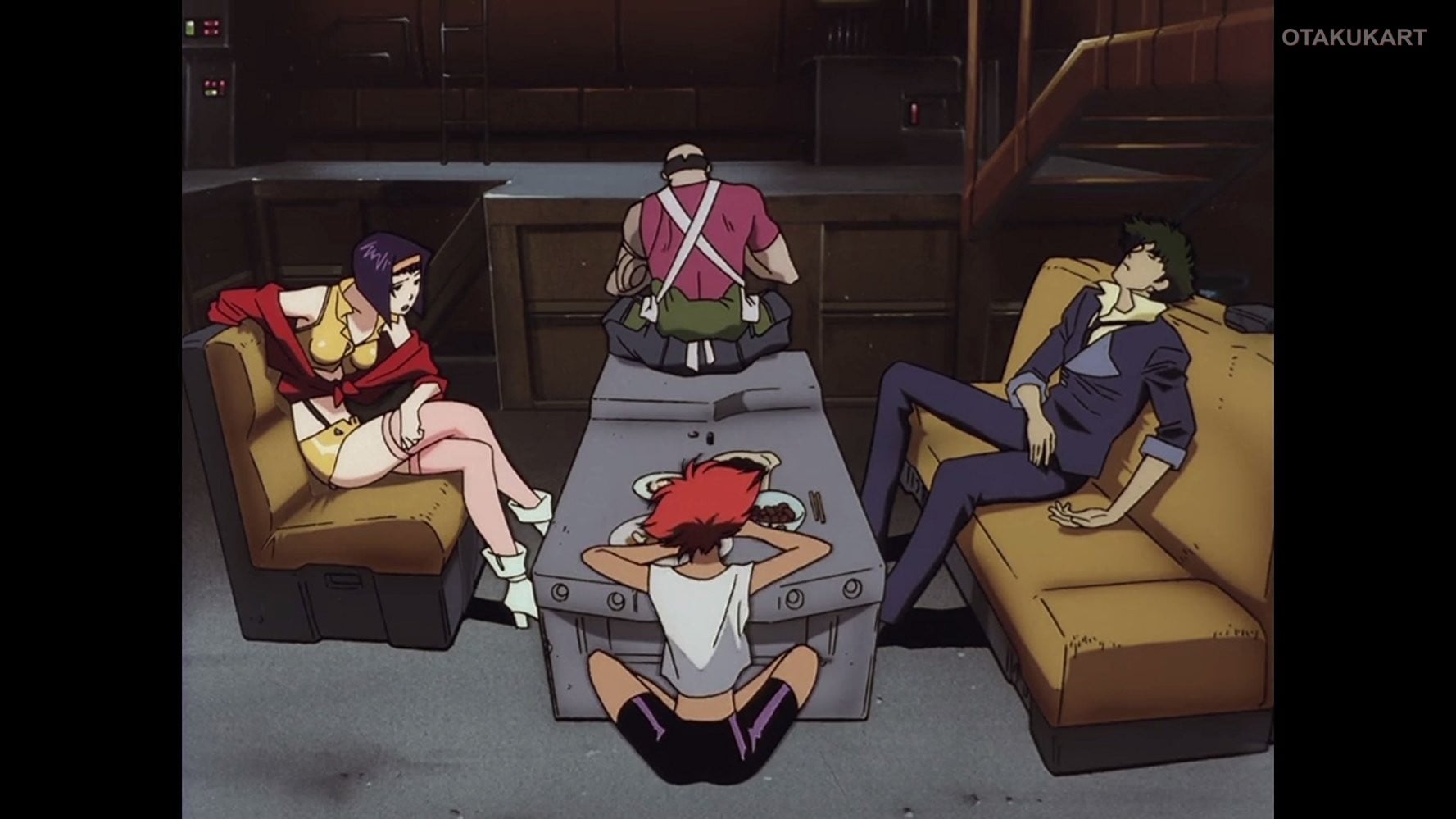
The emotional impact of the ending comes from the show’s quiet storytelling. Cowboy Bebop rarely relies on dramatic speeches or exaggerated emotions. Instead, it allows its characters to express themselves through small conversations, meaningful silence, and unforgettable visual moments. By the time Spike walks toward his final battle, viewers already understand that he has accepted whatever outcome awaits him.
The series also gives meaningful closure to the rest of the Bebop crew. Jet, Faye, Edward, and Ein each leave a lasting impression, showing that family is not always defined by blood but by the people who share life’s journey. Even though their paths eventually separate, the memories they created remain one of the series’ strongest emotional foundations.
Spike’s famous final words have become one of the most recognizable moments in anime history because they capture the series’ bittersweet tone without unnecessary drama. The ending does not answer every question directly, allowing viewers to interpret Spike’s fate in their own way.
Cowboy Bebop continues to influence anime decades after its release because its finale remains honest to its characters and themes.
12. Monster Ends With a Moral Question That Stays With Viewers
Monster is widely regarded as one of anime’s greatest psychological thrillers because it focuses on morality instead of action. Throughout the series, Dr. Kenzo Tenma struggles with the consequences of saving Johan Liebert, a child who grows up to become a dangerous serial killer. The finale brings their long conflict to its emotional peak, but instead of offering simple answers, it asks viewers to consider what it truly means to value human life.
As the story reaches its climax, Johan pushes Tenma toward making an impossible decision. After witnessing years of unimaginable violence, Tenma has every reason to seek revenge. However, choosing to kill Johan would destroy the very principles that have guided him since the beginning. His refusal to abandon his beliefs becomes the defining moment of the entire series.
The ending deliberately leaves several questions unanswered, encouraging viewers to think about the story long after it ends. Rather than confirming exactly what happens to Johan, the series allows different interpretations to exist. This approach has made Monster one of the most discussed anime endings among fans who continue debating its meaning years later.
The finale also reinforces the central message that every human life has equal value, regardless of a person’s past or the crimes they have committed. It is an uncomfortable idea because the story never presents an easy solution. Instead, it challenges viewers to examine their own beliefs about justice, forgiveness, and responsibility.
Monster’s finale remains powerful because it refuses to sacrifice its themes for a dramatic ending. Instead of relying on shocking twists or spectacular action, it stays focused on its characters and moral questions.
13. Devilman Crybaby Delivers One of Anime’s Most Devastating Finales
Devilman Crybaby builds toward an ending that is both heartbreaking and unforgettable. From its opening episodes, the series explores fear, violence, prejudice, and humanity’s ability to destroy itself. As the conflict between humans and demons grows larger, the story moves toward an apocalyptic finale where almost every major character faces a tragic fate.
At the center of the story is the relationship between Akira Fudo and Ryo Asuka. Their friendship shapes every major event in the series, making the emotional impact of the ending much stronger than its shocking violence alone. As the world falls into chaos, Akira continues fighting to protect humanity despite knowing that victory may be impossible.
The final confrontation between Akira and Ryo is filled with emotional weight because it represents more than a battle between two powerful characters. It reflects years of friendship, betrayal, and misunderstanding. By the time the conflict ends, nearly everyone has been lost, leaving Ryo alone to face the consequences of his actions. His realization comes too late to change anything, turning the ending into a powerful reflection on regret and loneliness.
Although Devilman Crybaby features intense action and disturbing imagery, its finale is ultimately remembered for its emotional message rather than its violence. The story questions whether hatred and fear can ever create a better world while highlighting the importance of empathy and compassion.
Even decades after Go Nagai’s original manga inspired the story, this modern adaptation continues to receive praise for preserving the emotional power of its ending. Devilman Crybaby proves that classic stories can remain relevant when they stay focused on timeless human emotions.
14. 86 Eighty-Six Balances Tragedy With a Hopeful Future
86 Eighty-Six stands out among modern war anime because it never loses sight of the people caught in the conflict. The series follows the members of the Spearhead Squadron, soldiers forced to fight battles while being treated as less than human by the nation they protect. Throughout the story, viewers witness constant loss, making the emotional payoff in the finale feel especially meaningful.
The ending succeeds because it does not ignore the suffering experienced by its characters. Shin Nouzen and the remaining members of Spearhead survive countless battles, but they carry emotional scars that cannot simply disappear overnight. Rather than pretending everything has been fixed, the finale acknowledges the pain they endured while offering the possibility of a better future.
One of the most celebrated moments is the long-awaited meeting between Shin and Vladilena Milizé. Their relationship develops through trust, respect, and shared determination despite spending much of the series separated by war. When they finally meet face to face, the emotional payoff feels completely earned because the story patiently built toward that moment across multiple episodes.
The finale also reinforces the series’ criticism of discrimination, political corruption, and the cost of endless war. Even though hope finally appears, the story reminds viewers that lasting peace requires understanding, sacrifice, and the willingness to recognize the humanity of others.
Its finale proves that hopeful endings do not need to erase past suffering to feel satisfying. By remaining honest about its themes while rewarding its characters with a brighter future, the series delivers a memorable finale that continues to resonate with viewers long after the final episode ends.
15. Dandadan Season 2 Ends With Bigger Battles and Exciting New Mysteries
Dandadan Season 2 delivers a thrilling finale that perfectly captures everything fans love about the series. Throughout the season, the anime balances supernatural horror, fast-paced action, heartfelt character moments, and unpredictable comedy. The final episode brings those elements together in an explosive final stage that raises the stakes while setting up even bigger adventures for the future.
The biggest highlight is the spectacular battle featuring a giant kaiju and an enormous robot. The fight showcases the series’ creativity, combining over-the-top action with the energetic animation style that has become one of Dandadan’s greatest strengths. Every sequence feels fast, fluid, and visually impressive, making the climax one of the most memorable action scenes of the season.
Beyond the action, the finale introduces several mysteries that immediately caught fans’ attention. One of the biggest talking points is the unexpected first kiss stolen by a mysterious alien girl. Rather than simply serving as a shocking moment, the scene hints at future character developments and new supernatural threats that could shape upcoming story arcs. These unanswered questions give viewers plenty to discuss while avoiding the feeling of an incomplete ending.
Another reason the finale stands out is the continued growth of Momo and Okarun’s relationship. Their teamwork, trust, and chemistry have steadily developed throughout the series, making their interactions just as engaging as the action itself. The supporting cast also receives meaningful moments, showing how every character contributes to the story’s unique blend of humor and emotion.
Following the finale, many anime fans praised the episode for its outstanding animation, creative fight choreography, and emotional storytelling. By delivering an exciting finale without sacrificing future possibilities, Dandadan Season 2 proves that the series continues to evolve while staying true to the chaotic charm that made it a fan favorite from the very beginning.