
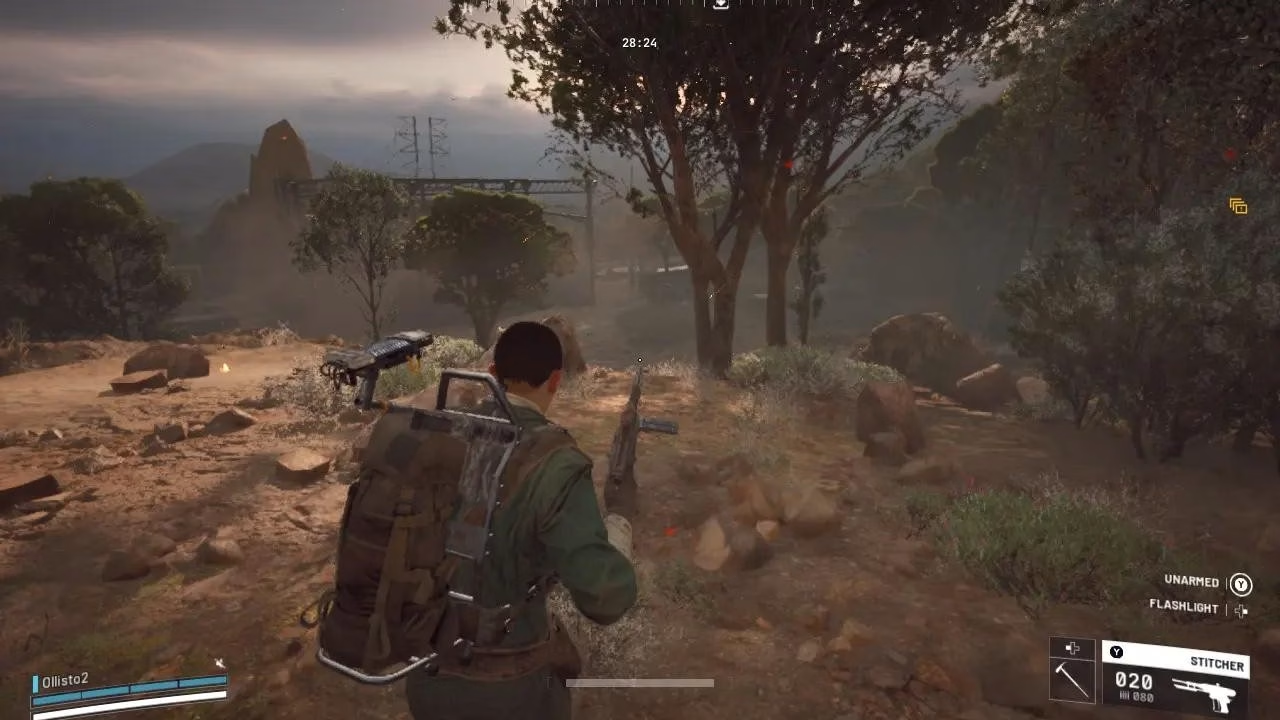
After days of frustration for Linux players, ARC Raiders is finally playable again on SteamOS and other Linux-based systems. Valve has pushed a targeted Proton Hotfix update that resolves the compatibility issues caused by recent anti-cheat changes, effectively bringing the game back online for affected users.
The fix arrives after a problematic transition to Denuvo Anti-Cheat left many players unable to launch the game. For users on platforms like the Steam Deck, where Proton is essential for running Windows-based titles, the issue quickly became a major roadblock.
From Working Fine to Completely Broken
Before the update, ARC Raiders had been running reliably on Linux through Proton. That changed when Embark Studios began expanding its use of Denuvo Anti-Cheat, gradually replacing Easy Anti-Cheat for more players.
The shift introduced unexpected compatibility problems. Unlike its predecessor, Denuvo relies more heavily on system-level interactions, which can conflict with the translation layer Proton uses to run Windows software on Linux.
As a result, many players suddenly found themselves locked out of the game, even though nothing had changed on their end. For a multiplayer title, that kind of disruption can quickly impact the overall player experience.
Rather than waiting for a long-term solution, Valve responded with a quicker workaround through its Proton Hotfix branch. This version of Proton is specifically designed to address urgent issues affecting individual games without requiring a full update cycle.
Initially, the fix was only available through Proton Experimental, meaning players had to manually switch compatibility settings to regain access. While effective, that solution wasn’t ideal for the broader player base.
The latest update simplifies things significantly. Proton Hotfix has now been set as the default compatibility layer for ARC Raiders, eliminating the need for manual adjustments. Players can simply launch the game as usual, provided their system is up to date.
For Steam Deck owners, Proton is not optional—it’s the backbone of the entire experience. Any disruption to compatibility can render a game completely unusable, even if it runs perfectly on Windows.
That’s why Valve’s rapid response stands out. By pushing a dedicated fix and making it the default, the company ensured that affected players could return without needing technical knowledge or workarounds.
It also highlights how dependent Linux gaming remains on ongoing support from both platform holders and developers.
While the immediate issue has been resolved, the situation reflects a larger challenge that continues to affect Linux gaming. Anti-cheat systems, particularly those designed for competitive online titles, often struggle to function correctly outside native Windows environments.
Even small backend updates can introduce unexpected conflicts, especially when compatibility layers like Proton are involved. This creates a fragile ecosystem where stability can change overnight.
For now, ARC Raiders players can return to the game without additional steps. But the incident serves as another example of how quickly support for alternative platforms can be disrupted—and how crucial rapid fixes are in keeping those platforms viable.

| Release Date | February 14, 2023 |
|---|---|
| Platforms | Oculus Quest, HTC Vive, Valve Index |
| Developer | Vertigo Games |