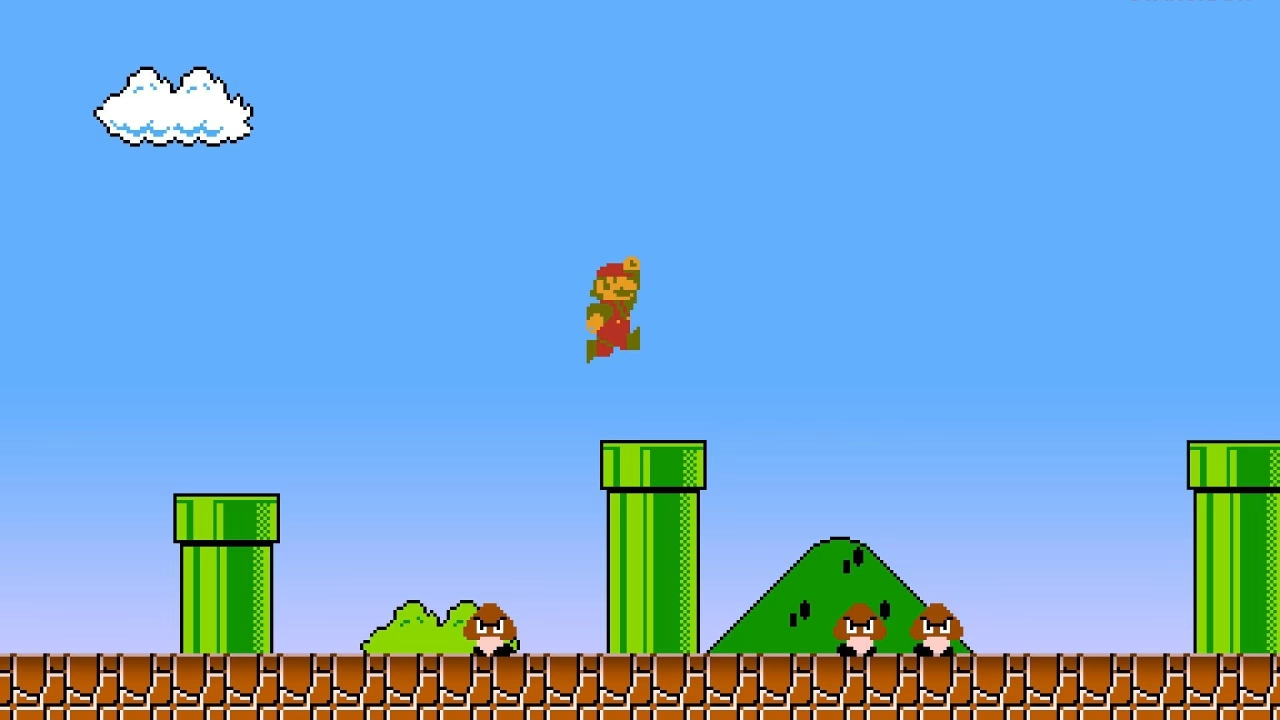
One of the defining mechanics in Super Mario Bros. almost never made it into the final game. According to Nintendo creator Shigeru Miyamoto, Mario’s famous B-Dash ability—the move that lets players sprint across small gaps by holding the B button—originated from a programming bug that the development team initially intended to fix.
The revelation came during an interview with Casa BRUTUS, where Miyamoto reflected on the creative process behind the original 1985 NES classic. His comments offer a rare look into how unexpected technical issues helped shape one of gaming’s most influential platformers.
An unexpected glitch became one of Mario’s defining features
During the interview, Miyamoto explained that the dash mechanic was never part of the original design. Instead, it appeared because of flawed collision detection while Mario was running.
“You know Mario’s B-Dash, right? If you hold the B button while running, he can cross small gaps without failing—that small cheat,”
Miyamoto said.
He continued by revealing the surprising origin of the mechanic.
“Truth be told, that was actually a bug caused by flawed collision detection with the ground. When the programmer noticed it, he said, ‘Huh? He didn’t fall!’ and tried to fix it. But I said, ‘No, no! It’s fun if he can dash across—let’s leave it as is!’ So we kept it.”
That decision ultimately transformed an accidental bug into one of the series’ signature gameplay mechanics, appearing in numerous Mario titles over the decades.
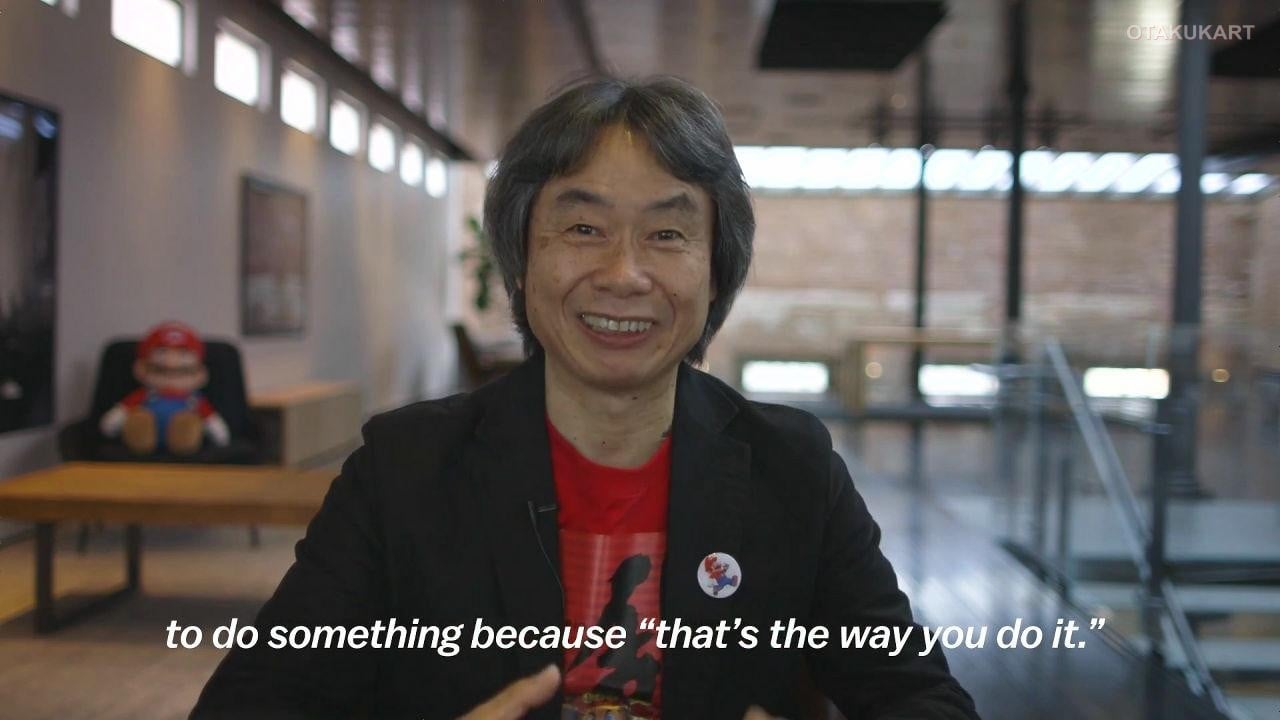
Miyamoto also shared that the B-Dash was far from the only memorable feature born during development. He revealed that the Hidden Block, another iconic Mario mechanic, also originated from an unexpected bug that caused coins to appear in empty spaces.
The Nintendo veteran further credited longtime collaborator Takashi Tezuka with inspiring the creation of Cheep Cheep. According to Miyamoto, Tezuka envisioned a fish that could leap through the air, but the concept initially conflicted with the game’s level design.
Rather than abandoning the idea, Miyamoto and the team redesigned the environment by placing Mario on elevated wooden piers, allowing players to see the flying enemies before they reached them. This eventually became the foundation for World 2-3, one of the original game’s most recognizable stages.
Reflecting on the development process, Miyamoto emphasized that Super Mario Bros. was the product of collaboration rather than individual ideas.
“None of these things could have been done by one person alone. I believe it’s because we created it together, by discussion and argument as a team, that the game came about.”
He added that he even banned headphones in the office to encourage constant communication among developers, a philosophy that helped shape Nintendo’s creative culture. Miyamoto noted that he continues to work with longtime collaborators such as Takashi Tezuka, programmer Toshihiko Nakago, and composer Koji Kondo decades after the original game’s release.