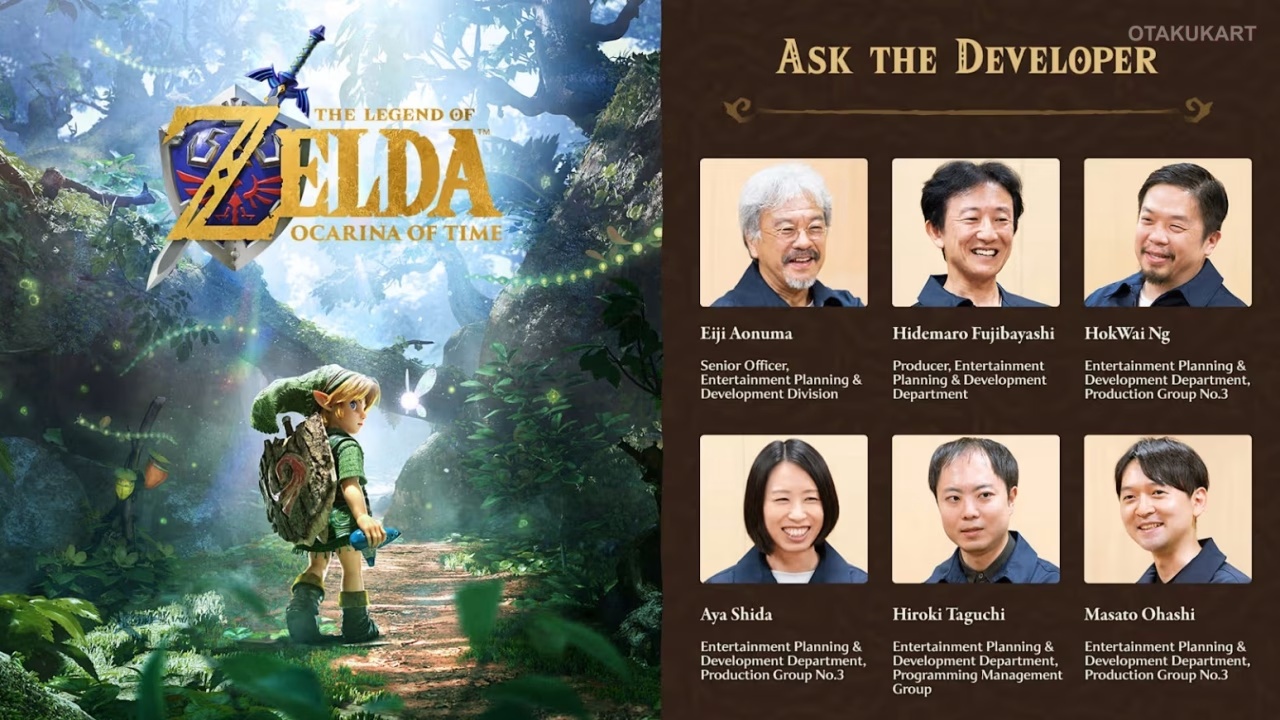
Eiji Aonuma has revealed that Nintendo’s decision to remake The Legend of Zelda: Ocarina of Time for Nintendo Switch 2 goes beyond celebrating the franchise’s 40th anniversary. The producer believes revisiting the Nintendo 64 classic could help the current development team better understand the foundations of the series and influence how future Zelda games are designed.
In a new interview published on November 2, 2026, Nintendo discussed the creative thinking behind the upcoming remake. Aonuma explained that the development team has gradually changed over the years, with many current members having experience primarily with the franchise’s more recent releases. Revisiting one of its most influential entries could therefore offer valuable lessons for the people responsible for its future.
Eiji Aonuma Wants Today’s Zelda Developers to Understand Ocarina of Time’s Legacy
Speaking in Nintendo’s official Ask the Developer Vol. 24: The Legend of Zelda: Ocarina of Time interview , Aonuma explained that many developers working on the franchise today have primarily experienced its newer entries.
He questioned whether those team members fully understood the importance of Ocarina of Time to the series and how its original design decisions could inform their approach to future projects.
Aonuma said:
“Many of the team members who work alongside me on Legend of Zelda games today have only experienced developing the more recent titles. That led me to wonder, ‘Do they truly understand just how significant The Legend of Zelda: Ocarina of Time was to the series as a whole?'”
Rather than simply asking newer developers to study the original game, Nintendo decided to involve them in rebuilding it as a full remake. According to Aonuma, examining its underlying structure and development approach could reveal ideas that might otherwise be overlooked when working exclusively with modern Zelda titles.
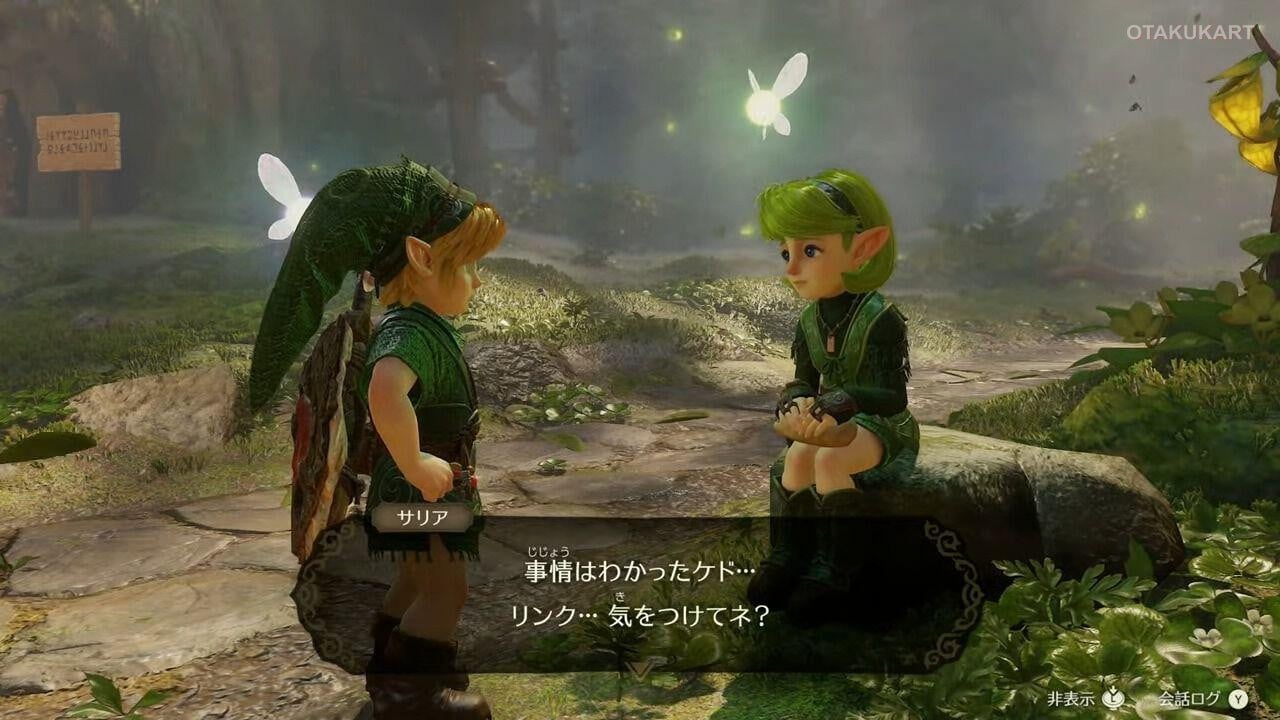
He believes the process could
“trigger new insights that they can carry forward into future development.”
This makes the remake an opportunity for Nintendo’s current developers to reconnect with the franchise’s history while gaining a better understanding of the creative decisions that shaped its identity.
Nintendo Also Wants Breath of the Wild Fans to Experience Traditional Zelda Gameplay
Aonuma also identified another important reason behind the Ocarina of Time remake. Nintendo wants players who entered the franchise through The Legend of Zelda: Breath of the Wild and Tears of the Kingdom to experience the more structured adventures that defined earlier entries.
Unlike the recent open-world games, where players can largely decide their own direction from the beginning, Ocarina of Time follows a carefully paced progression.
Aonuma explained that its appeal comes from gradually developing the player’s abilities and understanding of the story as the adventure unfolds. Nintendo wants modern audiences to experience this different approach to exploration and storytelling.
The distinction is particularly relevant as the franchise continues to evolve. Rather than abandoning its traditional design philosophy, Nintendo appears interested in showing how its earlier approach can remain meaningful alongside its newer open-world direction.
| Release Date | November 21, 1998 |
|---|---|
| Platforms | Nintendo 64, Nintendo GameCube, iQue Player, Nintendo 3DS +1 more |
| Developer | Nintendo EAD |
| Director | Eiji Aonuma Yoshiaki Koizumi |
| Writer / Narrative | Nintendo EAD Toru Osawa |