
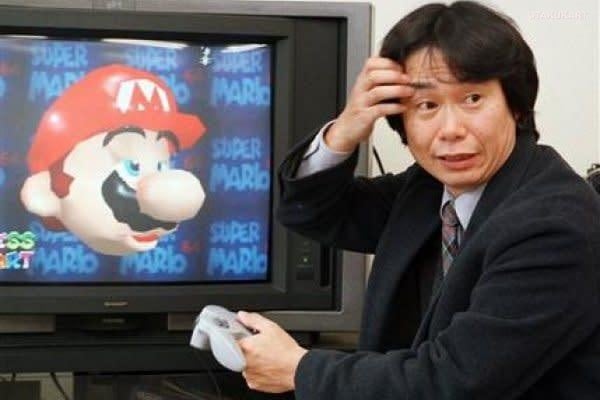
Shigeru Miyamoto may be one of the most influential game developers in history, but he once revealed that he did not view other developers as his biggest competition. Instead, the Nintendo creator named the Rubik’s Cube as his “eternal rival,” explaining that his background in industrial design shaped his approach to creating games that could surprise people beyond the existing gaming audience.
The comment came during a 1996 conversation between Miyamoto and late Japanese game developer Kenji Eno. The interview was recently translated by Shmuplations, offering a new look at Miyamoto’s creative thinking during the early Nintendo 64 era.
Miyamoto Wanted Games to Surprise Non-Gamers
Miyamoto explained his unusual choice of rival by saying,
“Since my background is originally in industrial design, I view the Rubik’s Cube as my eternal rival.”
Rather than focusing only on competing with experienced game creators or refining established genres, he was interested in products that could make people unexpectedly discover what games were capable of.
He described the kind of experience he valued as something that made people think, “Wow, computer games can do that…?!” The comment helps explain Nintendo’s long-standing emphasis on creating accessible and unconventional experiences, from the early 3D freedom of Super Mario 64 to experimental projects and hardware aimed at attracting audiences beyond traditional gamers.
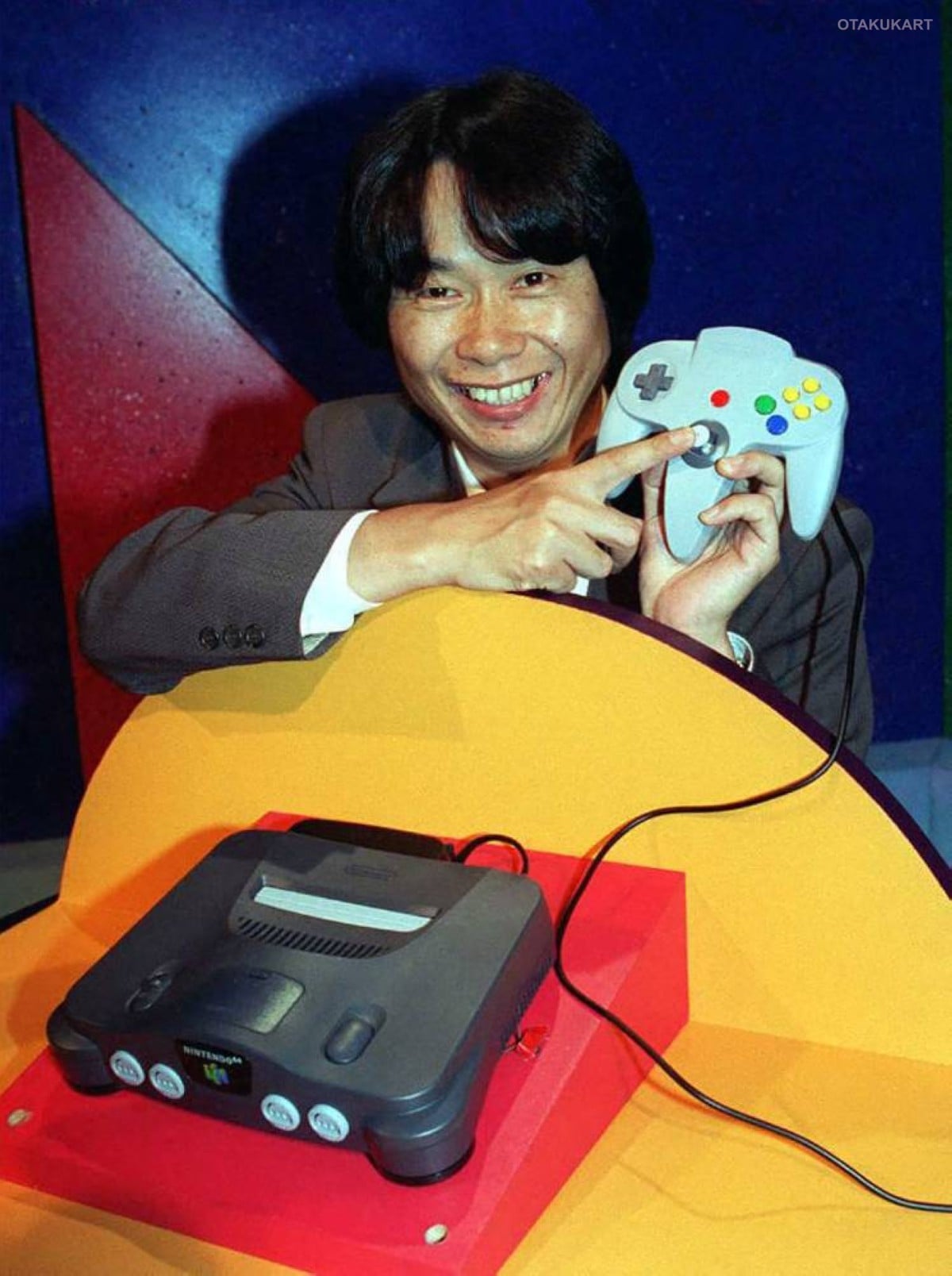
Miyamoto made these comments at a time when the Nintendo 64 was competing directly with Sony’s PlayStation and Sega’s Saturn. Despite the increasingly competitive console market, his focus remained on bringing new players into gaming.
“Making products that surprise non-gamers, that is our big challenge,”
Miyamoto said. He also admitted that critics were correct when they accused Nintendo of relying heavily on sequels, joking that he wanted younger staff members to eventually handle franchise titles while older developers could experiment more freely.
Miyamoto further stressed that Nintendo did not want to focus solely on hardcore players.
“We don’t want to just cater to hardcore gamers; we want to capture new customers every single time,”
he explained.
The philosophy remains closely associated with Nintendo’s identity today. Rather than simply trying to outperform competitors on the same terms, Miyamoto’s comments suggest that he saw the greater challenge as creating experiences that could attract people who might not consider themselves gamers at all.