Roblox has revealed Build, a new generative AI tool designed to let users create playable games using simple text prompts directly from the Roblox mobile app. The feature marks another major step in the company’s AI strategy, making game creation more accessible to younger audiences while raising fresh questions about content quality and originality.
The announcement follows Roblox’s growing investment in AI-powered development tools, including Studio Assistant for scripting and asset generation and Reality, which helps developers create photorealistic environments. Unlike those tools, Build aims to simplify nearly the entire game creation process through natural language prompts.
Roblox Build lets users create games from text prompts
According to the official Roblox Developer Blog and the company’s announcement, Build is an AI agent trained on 3D models and game-development data that can generate functional Roblox experiences from user prompts.
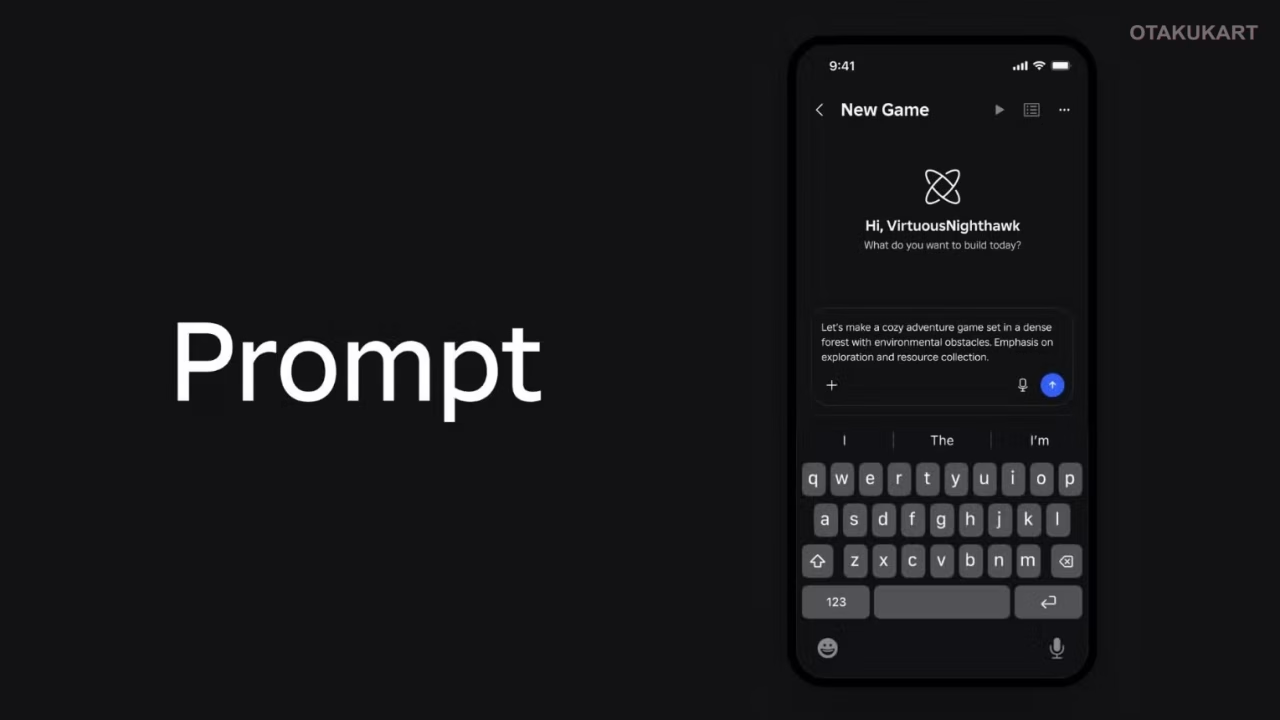
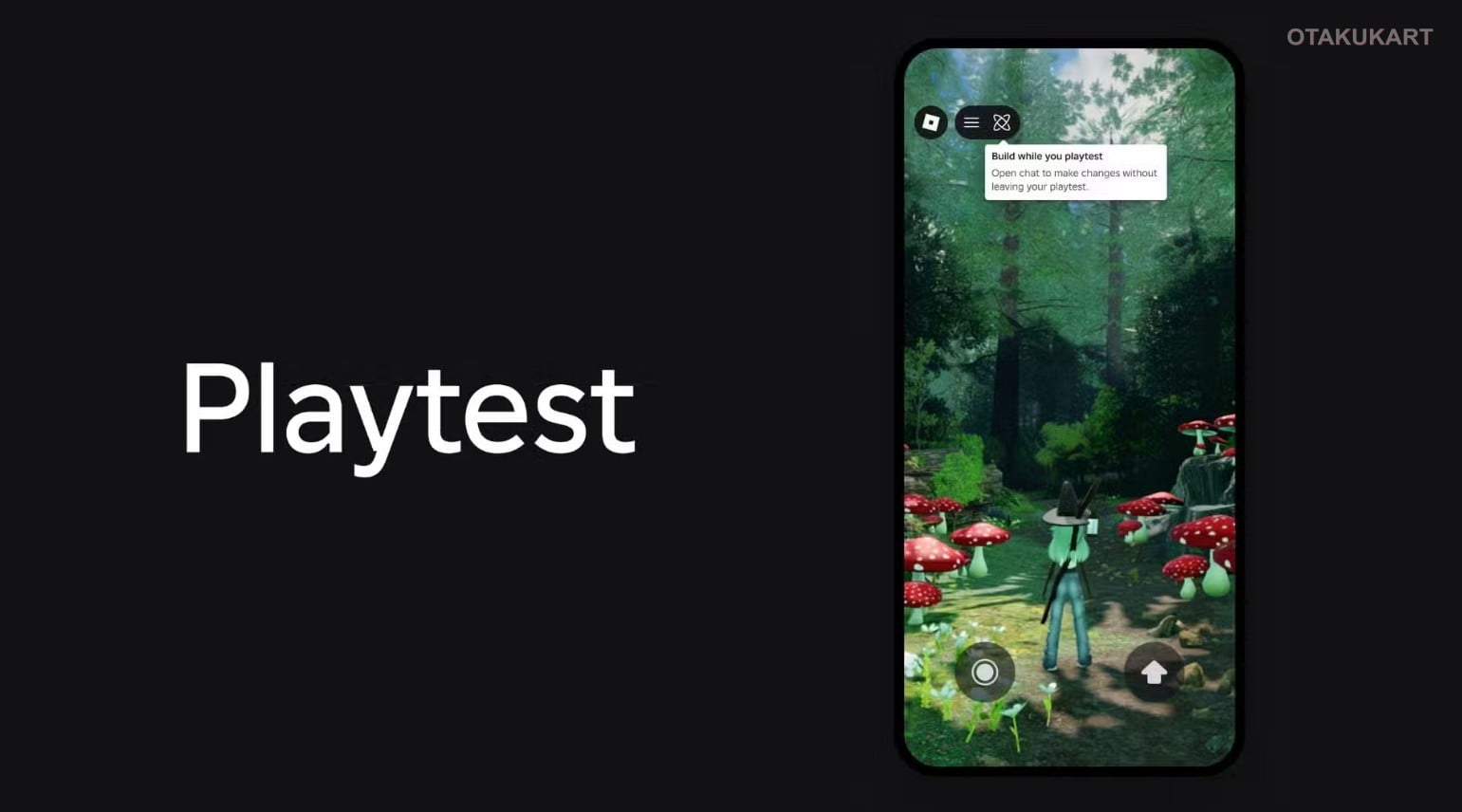
The company says players aged nine and older will be able to describe the game they want to create, refine the generated experience, playtest it, and then share it with others. Roblox summarizes the workflow as
“Prompt, refine, playtest, and share.”
The first public test will begin in New Zealand on July 28, allowing selected users to publish AI-generated games. Roblox confirmed that an alpha rollout for additional regions will follow at a later date.
Roblox says AI-generated “slop” won’t be promoted
The announcement has sparked debate about whether AI-generated games could flood the platform with repetitive or low-quality experiences. Roblox addressed those concerns directly, stating:
“Our discovery systems are designed to highlight games with long-term retention, which doesn’t include AI slop.”
The statement suggests Roblox intends to rely on its recommendation algorithms and moderation systems to prioritize engaging experiences rather than automatically promoting AI-generated content.
Still, the company’s vision has generated discussion within the gaming community. Critics argue that while generative AI can accelerate technical tasks such as scripting or prototyping, creating memorable games still requires human creativity and thoughtful design. Others have also questioned how AI-generated projects will address issues such as originality and potential copyright concerns.
Roblox, however, appears committed to expanding AI throughout its ecosystem. The company also revealed plans for additional agentic tools, including an AI-powered playtesting assistant capable of identifying bugs before games are released to players.
With more than 130 million daily active users, Roblox is positioning AI as a core part of its creator platform. Whether Build becomes a powerful creative assistant or fuels concerns about AI-generated content will likely become clearer once the feature reaches a broader audience.