
The arrival of Rise of the Tomb Raider on Nintendo Switch 2 has not only expanded the console’s growing library of AAA ports but also sparked renewed interest in one of its most requested features: gyro aiming.
In a recent developer discussion, the team behind the port confirmed they are actively considering adding gyro controls following strong fan feedback, though no guarantees have been made yet.
Gyro Controls Under Consideration After Fan Requests
One of the most notable takeaways from the interview is the possibility of motion-based aiming support. When asked about adding gyro controls, the developers acknowledged community demand but stopped short of confirming implementation.
“We’ve seen this feedback and will be discussing the feature. No promises, but we’re looking into it,”
said product representatives from Aspyr, as part of an interview originally conducted by Nintendo Everything.
The response suggests that while gyro aiming is not currently part of the Switch 2 version, it remains on the table for future updates depending on technical feasibility and player interest.
Beyond feature requests, the developers also explained why the game was never released on the original Nintendo Switch. According to the team, the older hardware simply could not handle the game without significant compromises.
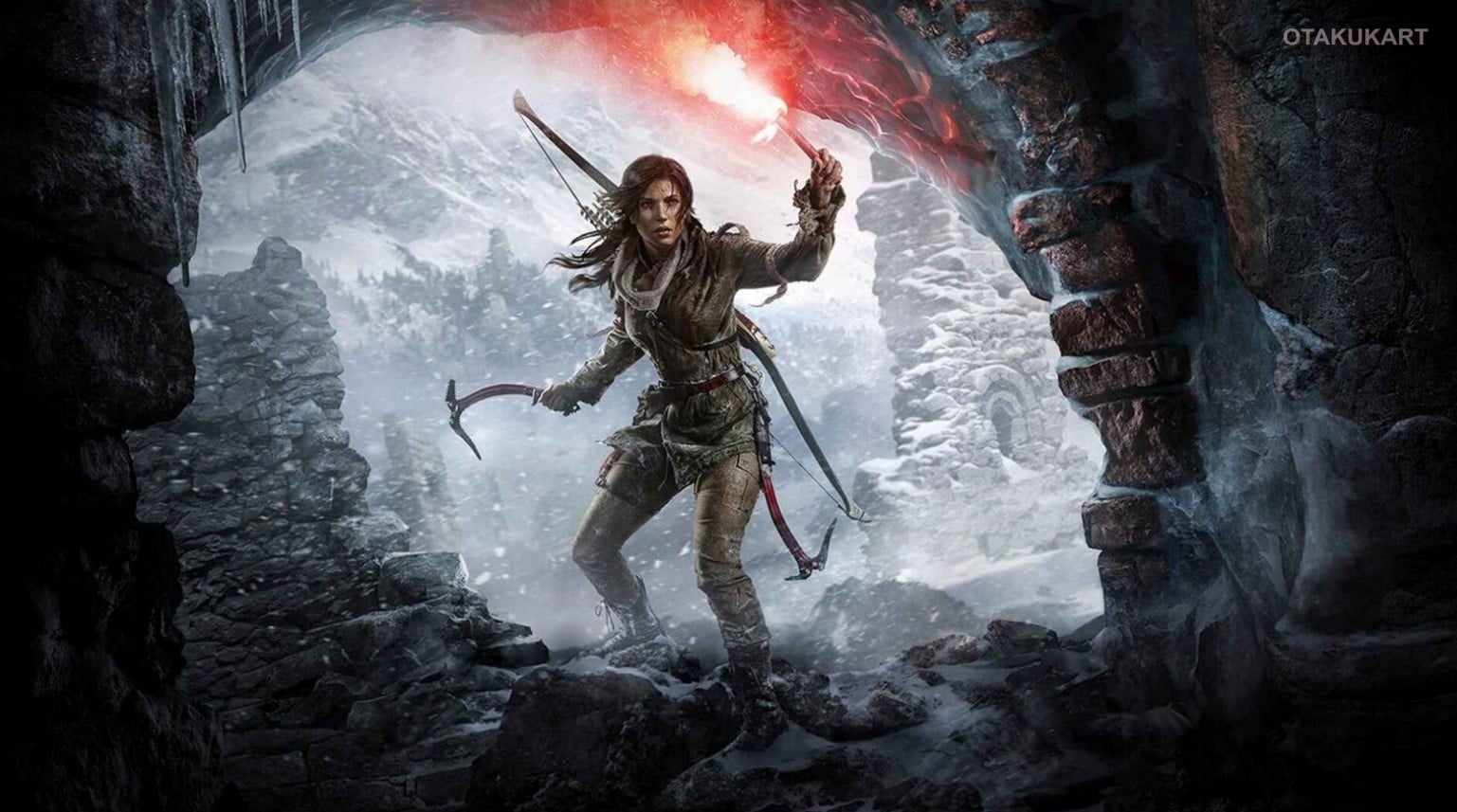
They noted that bringing the game to Switch 1 would have required removing major visual features, including environmental effects such as fog, snow, particle systems, and dense terrain detail. In their view, this would have fundamentally changed the experience.
“To bring it to Switch 1 would mean removing almost all visual effects… and that’s not a compromise on quality we’re willing to make,”
the developers explained during the interview.
This decision ultimately led to the game being positioned as a Switch 2 exclusive within the Nintendo ecosystem, where stronger hardware allows a more faithful version of the original release.
Performance Targets and 30FPS Limitations
The team also discussed performance expectations for the Switch 2 version. Despite months of optimization efforts, they confirmed that a stable 60FPS mode was not achievable without severe sacrifices to visual quality.
“Even though we spent months trying to get it to 60fps, it became clear it would introduce stuttering and inconsistencies during gameplay,”
they stated.
As a result, the final release targets 30FPS to maintain stable performance and preserve visual fidelity. The developers emphasized that Rise of the Tomb Raider is significantly more demanding than its predecessor, making optimization a complex balancing act.
The Switch 2 version is based on Rise of the Tomb Raider: 20 Year Celebration, incorporating all previously released DLC and content expansions. This includes additional story chapters, cosmetic items, and the complete survival experience that defined earlier editions.
The team also highlighted that the port reflects years of iteration within the Tomb Raider franchise, describing it as a continuation of their long-term collaboration with Nintendo platforms.