
Rise of the Tomb Raider players on Nintendo Switch 2 may have wondered why the game is capped at 30 FPS instead of offering a higher frame rate. According to developer Aspyr, the decision wasn’t made lightly.
In a recent interview, the studio revealed it spent months experimenting with a 60 FPS mode before concluding that it would significantly impact the game’s visual quality and consistency.
Aspyr chose visual quality over a higher frame rate
Speaking to Nintendo Everything, producer manager Anna Grant and senior game producer Kay Gilmore explained that the team thoroughly evaluated a 60 FPS target during development. However, they ultimately decided against it because the trade-offs were too significant.
“Yes, we spent months trying to get the game to run consistently at 60 FPS. We heard players’ feedback on the Tomb Raider: Definitive Edition release regarding the sacrifice of visual fidelity in favor of better performance, so we wanted to make sure Rise of the Tomb Raider was the best version of the game we could possibly get on Switch 2. Despite its age, Rise of the Tomb Raider is a much more GPU-heavy game than its predecessor. As a result it couldn’t run at 60 FPS without serious compromises that would have frustrated players,”
the developers said.
The explanation suggests the studio prioritized image quality and overall presentation over chasing a higher frame rate.
An unlocked frame rate was also considered
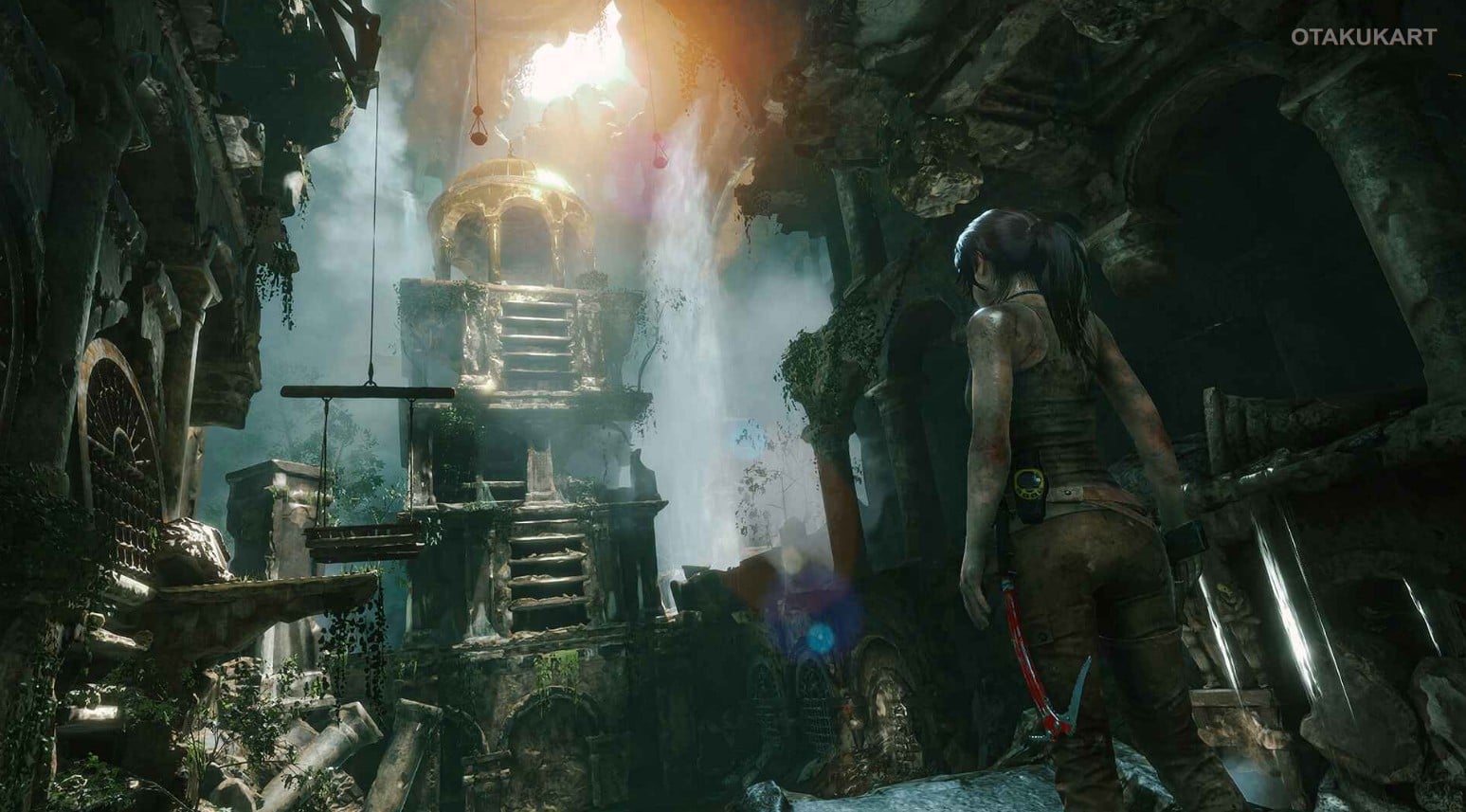
Aspyr also explored the possibility of offering an unlocked frame rate, allowing performance to fluctuate depending on the scene. According to the developers, internal testing showed that the experience wasn’t stable enough to justify including the option.
The team said the variable frame rate resulted in
“stuttering and other frustrating experiences during busy action sequences that would ruin the immersion,”
leading the studio to abandon the idea in favor of a locked 30 FPS target.
Originally released in 2015, Rise of the Tomb Raider has appeared on multiple platforms over the years. While the PC version supports unlocked frame rates and the PlayStation 4 Pro could reach 60 FPS in certain modes, Aspyr says the Nintendo Switch 2 version was designed to deliver the most balanced experience possible within the console’s hardware constraints.