
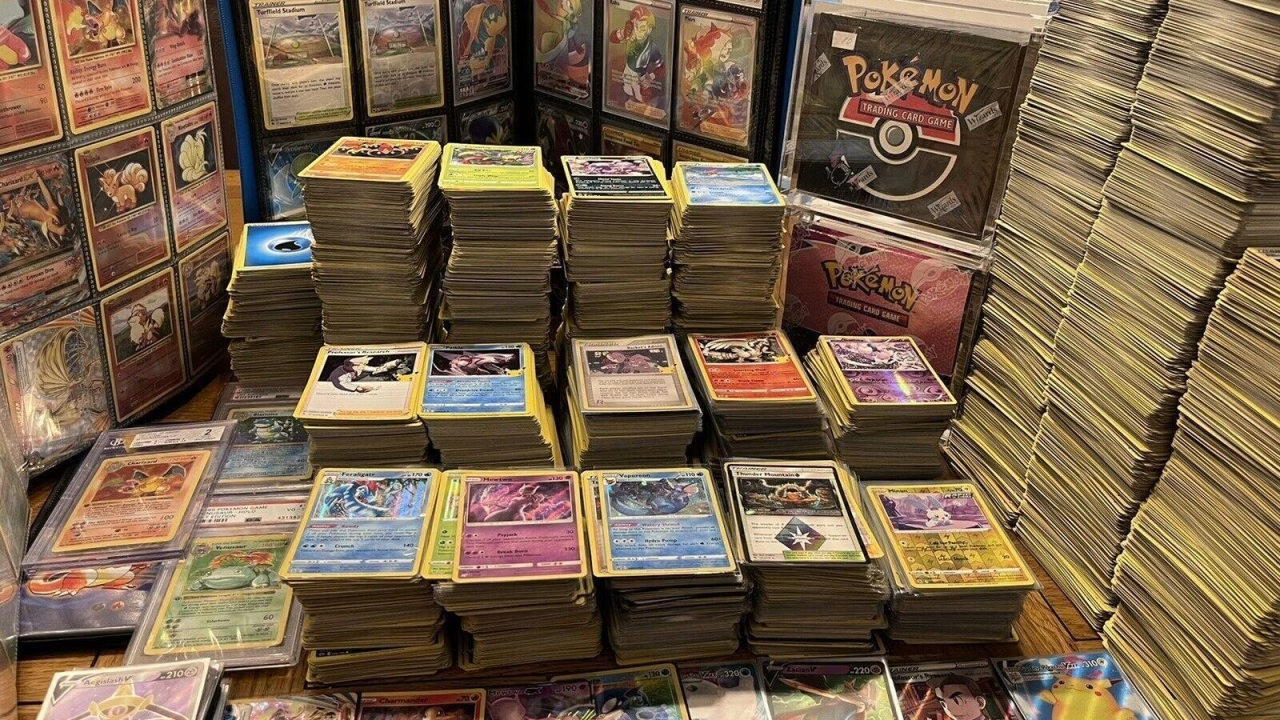
Trading cards have moved far beyond their traditional role as childhood collectibles, with Pokémon, Magic: The Gathering and other major franchises becoming increasingly connected to entertainment, gaming and investment. Peter Levin, founder and managing director of Griffin Gaming Partners, believes the growth has reached a point where Pokémon cards could theoretically become a form of global currency in an extreme scenario.
Levin made the striking prediction while speaking with The Hollywood Reporter about his collecting history and the broader trading card market. He currently owns more than 500,000 cards, giving him decades of experience as both a collector and an investor.
Peter Levin Believes Pokémon Is Driving a Global Card Boom
Levin argued that the international expansion of trading cards has been powered by two major categories: sports and trading card games. While football has helped sports cards expand internationally, he sees Pokémon as the biggest force behind the global growth of trading card games.
“I’m absolutely convinced that if the world suffered an apocalypse tomorrow, the following day the global currency would be Pokémon cards,”
Levin told The Hollywood Reporter. His comment reflects his belief in the franchise’s enormous international recognition, rather than a literal prediction that Pokémon cards would replace traditional currencies.
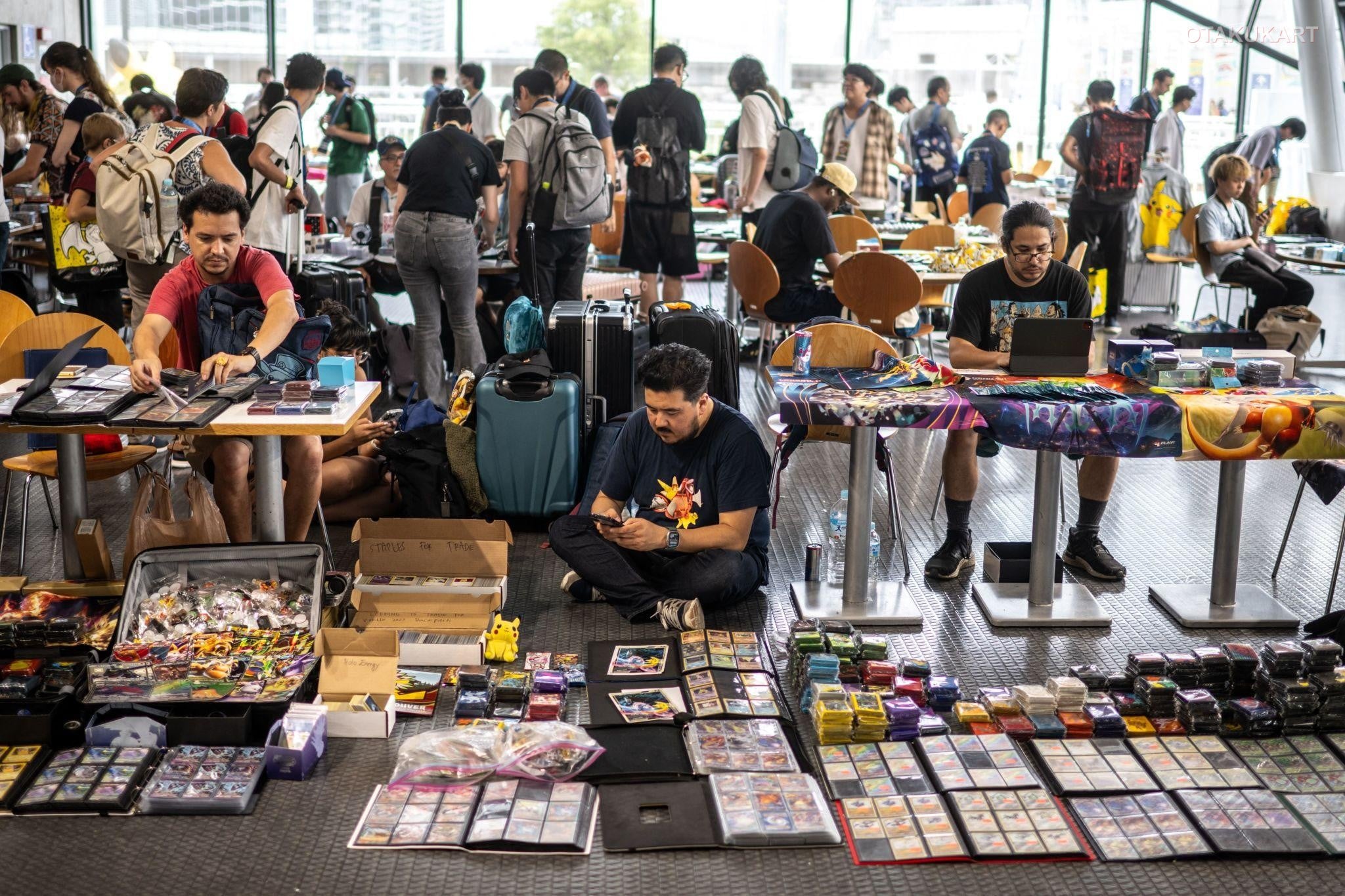
Levin also pointed to the evolution of the market since Pokémon emerged internationally in the late 1990s and early 2000s. After experiencing periods of intense popularity and decline, the Pokémon card market has entered another major growth phase.
That growth has also helped other properties enter the space. Levin specifically highlighted One Piece, which he said is currently experiencing an exceptionally rapid trajectory for a trading card game. He also identified Yu-Gi-Oh!, Digimon and Magic: The Gathering as beneficiaries of the broader expansion created by Pokémon.
Grading and Hollywood IP Are Changing Trading Cards
One major development has been the rise of professional grading. Companies such as PSA, CGC and TAG assess cards on standardized scales, allowing collectors to authenticate, value and trade individual pieces more easily.
Levin believes this infrastructure has helped transform collectibles into alternative assets by giving buyers and sellers a clearer way to establish market value. He also pointed to growing adult nostalgia, noting that a generation raised on Pokémon, games, comics and other franchises now has more disposable income to spend on those interests.
Hollywood and major entertainment companies are increasingly responding to that demand. Disney, Warner Bros., Hasbro and other rights holders have expanded their use of trading cards and tabletop games, while major franchises have increasingly crossed into collectible card products.
Levin also believes social media has accelerated the trend. Celebrity collectors, influencers and live-shopping platforms have brought trading cards to audiences who might previously have ignored the hobby.
Despite the investment angle, Levin emphasized that cards should remain accessible. He recalled being unable to afford expensive cards when he was younger and argued that affordable packs allow collectors from different financial backgrounds to participate in the same hobby.